Are red galaxies real?
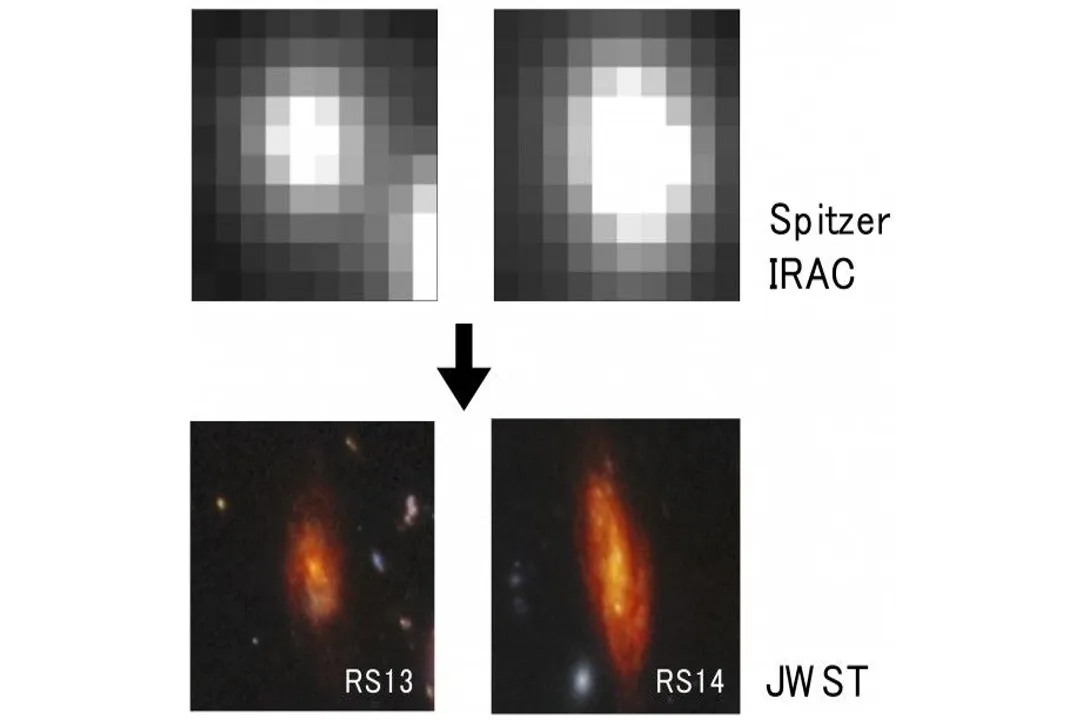
The color of a galaxy tells a story, and when we look out into the cosmos, some of the most striking objects are those bathed in a deep, ruddy hue. The question of what these red galaxies actually are has driven decades of astronomical observation, shifting from a simple classification to a complex study of galactic evolution. A galaxy's color is fundamentally tied to the age and temperature of its stars. [2] Bright, young, massive stars burn hot and emit copious amounts of blue light. Conversely, older, cooler stars emit light shifted towards the red end of the spectrum. [2][4] Therefore, a galaxy appearing predominantly red suggests that its major phase of vibrant, blue-star formation has largely ceased. [7]
# Color Code
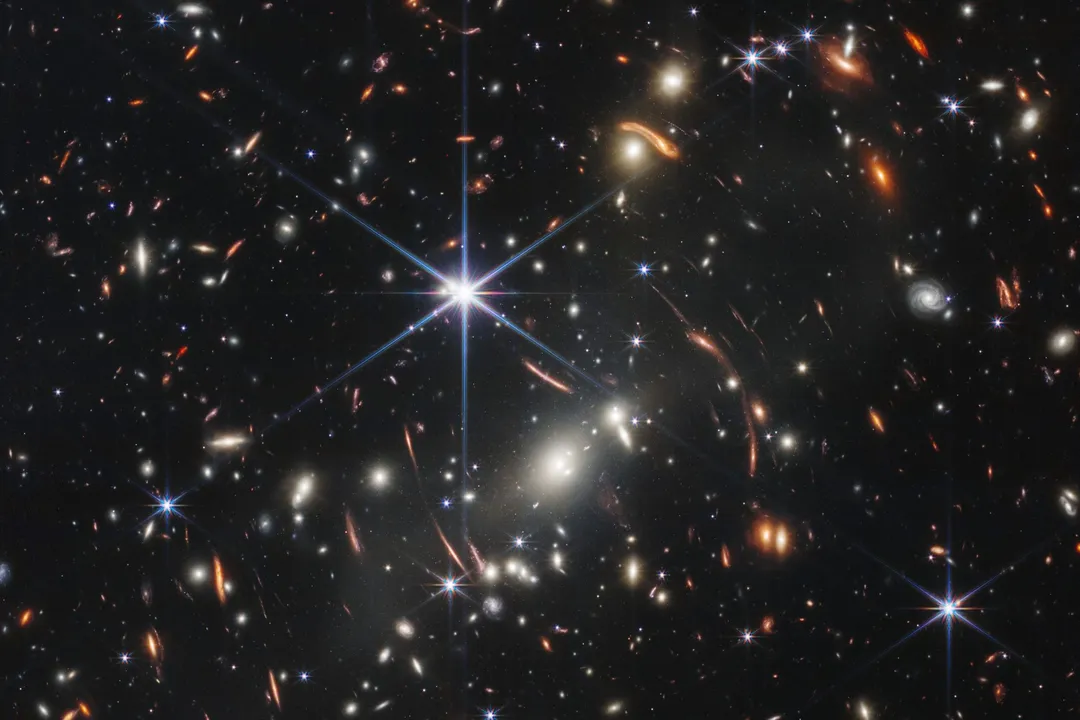
When astronomers first categorized these objects, the term "red galaxy" often became shorthand for "old galaxy". [4] These are typically massive systems where the fuel for star creation—gas clouds—has either been exhausted or somehow prevented from collapsing. [1] The light we see is dominated by these older stellar populations, making them appear distinctly different from the spiral arms blazing with new stellar nurseries that characterize bluer neighbors. [6] A visual survey, especially one looking far back in time due to cosmological redshift, immediately highlights these ancient, massive endpoints of evolution. [4]
# Dead Ellipticals
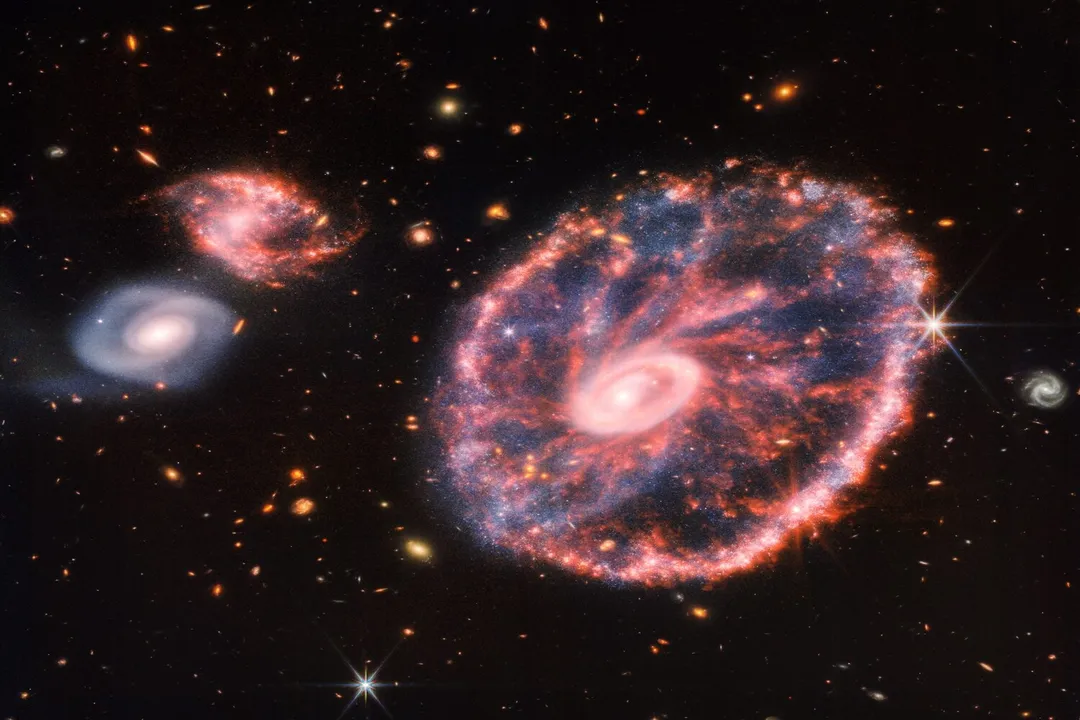
The classic archetype associated with redness is the red and dead galaxy. [1] These are usually large, smooth, elliptical galaxies that have settled into a state of quiescence, meaning they are barely forming any new stars, if at all. [4][7] They are the cosmic remnants of massive merger events that rapidly consumed or expelled their star-forming gas early in the universe's history. [3] For a long time, this was considered the terminal state for massive galaxies—once you turned red, you stayed red and inert. [7]
# Quenching Secrets
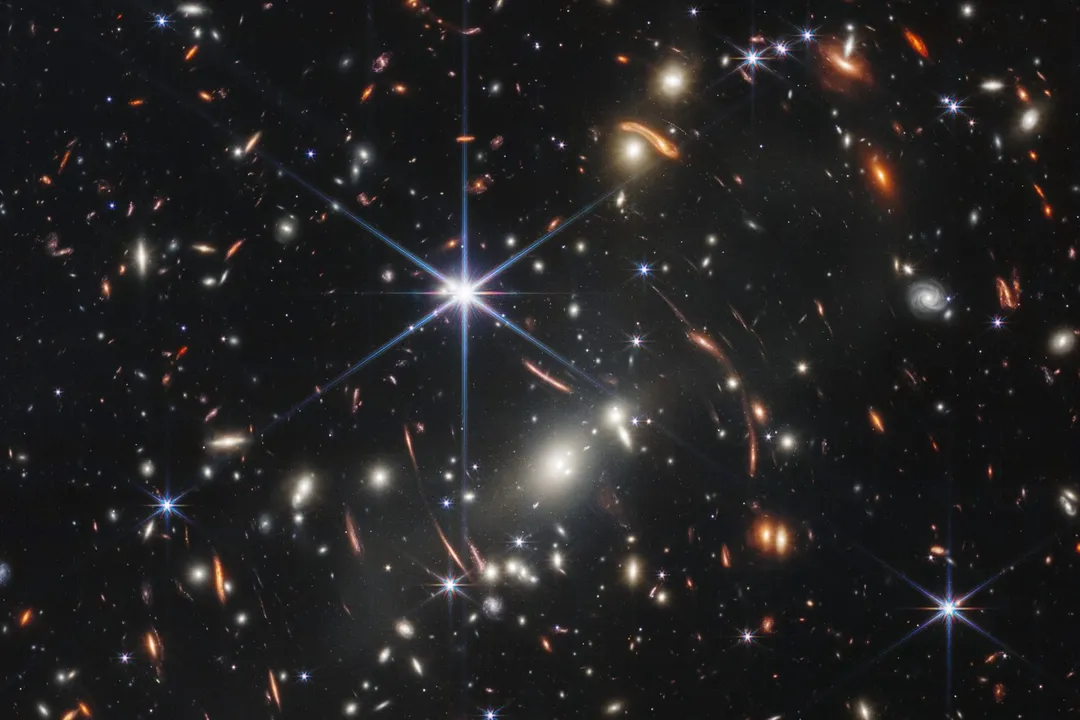
Understanding why a galaxy stops forming stars, a process known as quenching, is central to explaining the red population. [1] It’s not just about running out of gas; sometimes the gas is still present but unusable. Observations, particularly those involving X-ray data from instruments like the Chandra X-ray Observatory, have pointed toward a powerful internal mechanism: feedback from an active galactic nucleus (AGN). [1] As matter falls into the central supermassive black hole, it can power jets or winds that heat the surrounding reservoir of cold gas. This heat prevents the gas from cooling sufficiently to collapse into the dense molecular clouds needed to ignite star formation. [1] The galaxy effectively cooks its own birth material, locking it away in a hot, unusable state. [1]
# Nugget Discoveries
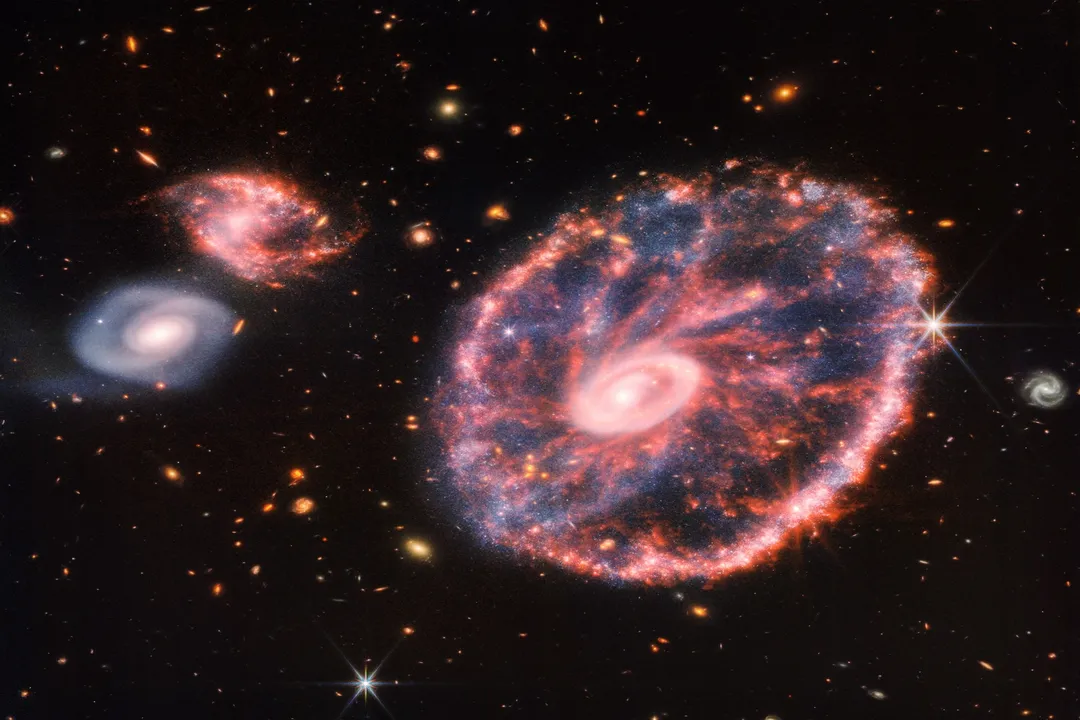
Before we fully understood the quenching mechanisms, astronomers found a perplexing population hiding in the early universe: Red Nugget Galaxies. [3] These systems are an important subset of massive galaxies that formed their stars extremely quickly, resulting in an immediate red appearance despite being observed when the universe was quite young. [3] They are massive but surprisingly compact—dense little knots of stars that packed their entire star-forming phase into a short window. [3] They were effectively "born old" and red, contrasting with the idea that galaxies had to evolve slowly over billions of years to reach that state. [3]

# Red Is Variable
The modern view, especially following deep surveys and the capabilities of the James Webb Space Telescope (JWST), is far more nuanced than the simple "red equals dead" dichotomy. [2][10] While many red galaxies are indeed quiescent, recent data has shown that color is not an absolute verdict on current activity. [2] JWST has identified massive galaxies that display a distinct red color but are demonstrably still engaged in active star formation, though perhaps at a more moderate pace than their intensely blue counterparts. [8][10] Furthermore, some of these red objects maintain the structure of spiral galaxies—a morphology generally associated with ongoing, ordered star formation—rather than collapsing into the featureless elliptical shape often linked with complete shutdown. [8] This suggests that quenching might be a gradual process, allowing for a long "red phase" where low-level star birth continues, or that dust obscures the blue light of young stars, making them appear older than they are. [2]
If we consider the timeline, the degree of redness, perhaps measured by sophisticated color indices that compare light across different wavelengths, provides a gradient of dormancy rather than a binary switch. [4] A galaxy that halted star production a billion years ago will appear significantly deeper red than one that only recently transitioned out of its peak blue phase. [7] The sheer diversity in morphology—from smooth ellipticals to structured spirals—all falling under the "red" umbrella, suggests that the path to a mature, quiescent state is not singular; there are multiple, staggered evolutionary tracks. [8]
It is tempting to assign a single cause to this color, but the reality is likely a convergence of factors. For instance, a galaxy might lose its gas supply due to environmental stripping (interaction with a dense cluster), which would lead to dormancy, or it might heat its gas via AGN feedback, leading to a similar quiescent state. [1] The resulting red appearance is the symptom, and the underlying physical cause—whether rapid consumption, heating, or stripping—determines the galaxy's true evolutionary stage. The ongoing observational work is less about confirming if red galaxies exist, which they clearly do, [9] and more about mapping the precise timing and mechanism of star formation cessation that defines their particular shade of red. [10]
Related Questions
#Citations
Chandra Helps Explain “Red and Dead Galaxies” - NASA
Red Galaxies Aren't Necessarily Dead Galaxies - Universe Today
"Red Nugget" Galaxies Were Hiding in Plain Sight
Red Galaxies at Night, Astronomers' Delight: A Look at the “Hubble ...
r/space on Reddit: Galaxies die earlier than expected - red and dead ...
Old and 'Red' Distant Galaxies - Spitzer - Caltech
Mysterious red galaxies - Phys.org
JWST spots rare red spiral galaxies in the early universe | Space
Are there any red galaxies? - Quora
Red galaxies provide new insights into the birth of the universe