What is the next brightest object in the sky after the Sun?
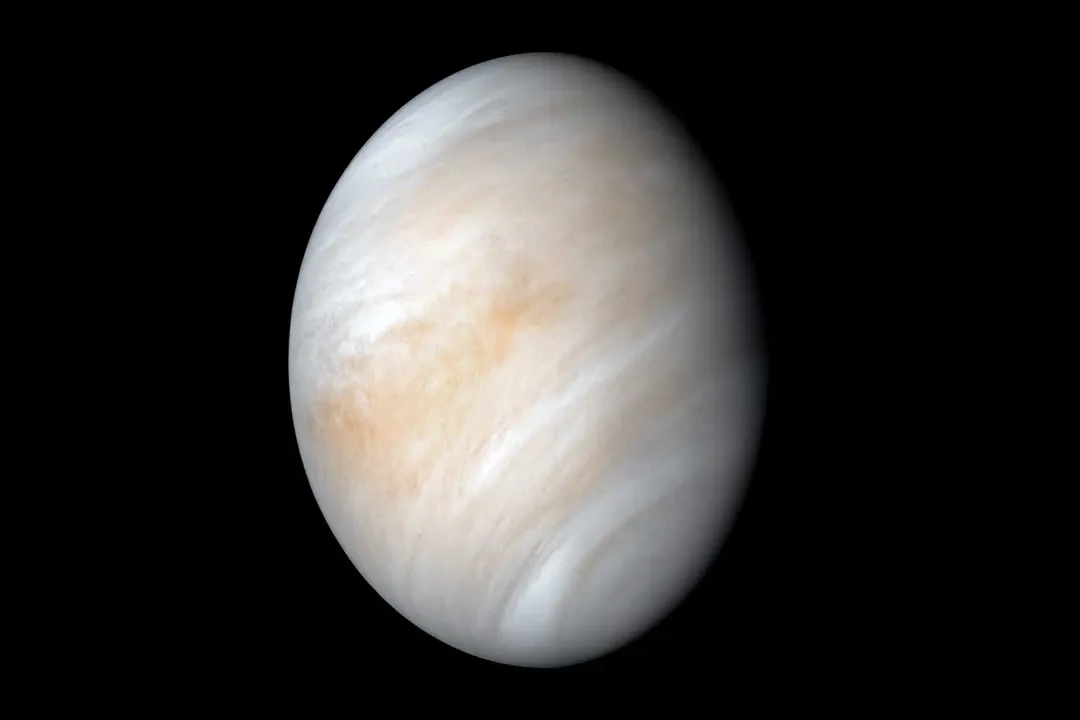
When surveying the heavens from our terrestrial vantage point, the sheer brilliance of the Sun dominates all other light sources, making it the undisputed brightest object in the sky. [1] Once the Sun dips below the horizon, however, the celestial stage shifts, and the Moon immediately takes the position of the next most brilliant natural object. [1][2] But the question often pivots to what comes after the Moon, the shimmering, ever-present orb that waxes and wanes in its cycle. The answer, consistent across astronomical observations and records, points directly to the planet Venus. [1][2][4]
# Celestial Ranking
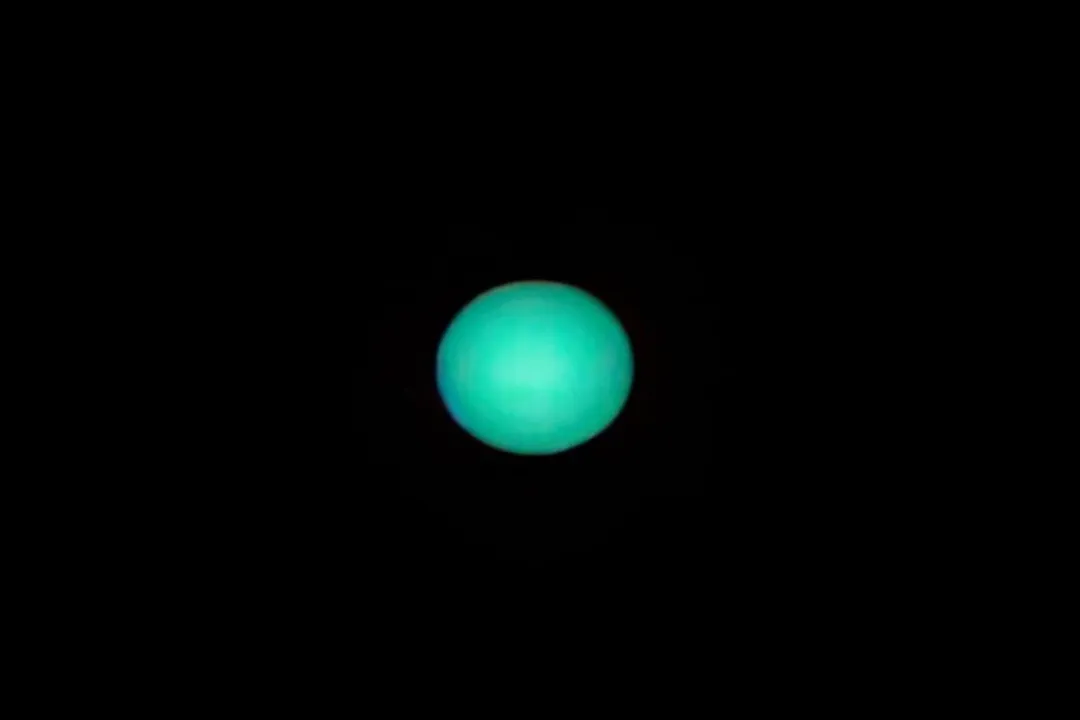
The hierarchy of brightness among natural objects visible from Earth establishes a clear sequence. The Sun is first, radiating its own immense energy. [1] Following the Sun, the Moon takes the second spot, achieving a brightness that far outshines any planet or star because it is relatively close and reflects sunlight. [1][2] Its apparent magnitude can reach as low as . [1] Once the Moon is absent from the night sky, the competition for the third-brightest spot is won decisively by the planet Venus. [1][3] This planet, often referred to as the Morning Star or Evening Star depending on its orbital position relative to Earth and the Sun, shines brilliantly enough to stand out conspicuously. [3][4][6] On some occasions, observers have noted Venus as being "abnormally bright" or an intensely bright white spot, easily distinguishable from the twinkling of stars. [4][9]
# Venus Brilliance
Venus owes its extraordinary luminosity to a combination of factors revolving around its proximity to Earth and the reflective nature of its atmosphere. [2][7] While it is the second-closest planet to the Sun, it is the albedo—the measure of how much solar radiation its surface reflects—that makes the difference. [7] Venus possesses an incredibly thick atmosphere composed primarily of carbon dioxide, shrouded by bright, highly reflective clouds of sulfuric acid. [7] This dense cloud cover reflects about 70 percent of the sunlight that hits it, making its surface appear exceptionally bright from our perspective. [7] This reflective capacity is key; the surface itself, if visible, is quite dark. [7] Due to this high reflectivity and its relatively close orbital path to our own, Venus can often achieve an apparent visual magnitude as low as . [1]

# Apparent Magnitude
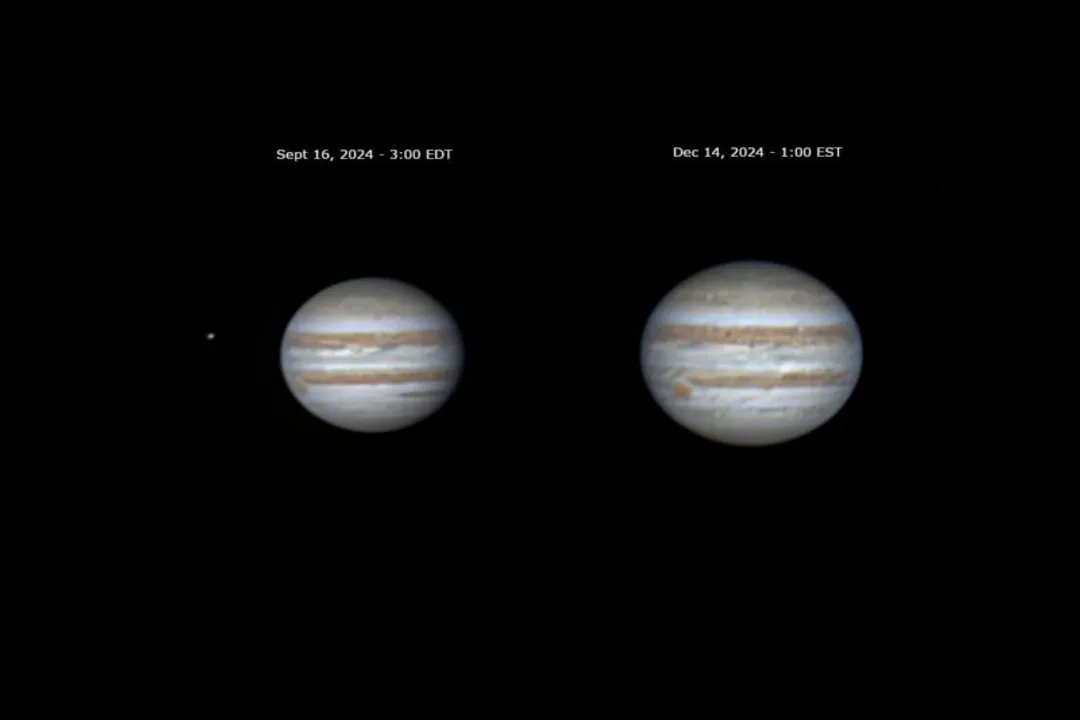
To properly compare celestial brightness, astronomers use the magnitude scale, where lower (or more negative) numbers indicate greater brightness. [1][8] The Sun, with a magnitude of roughly , is vastly brighter than anything else. [1] The Full Moon sits around . [1] Venus, at its brightest, achieves magnitudes close to . [1] For context, Jupiter follows Venus, typically achieving a magnitude of around at its brightest. [1] Mars and Mercury are significantly fainter at their peaks, and even the brightest true star, Sirius, only reaches about . [1] Understanding this scale shows that the difference between Venus at and Sirius at is substantial; Venus is more than 25 times brighter than Sirius. [8] This stark difference highlights that the closest, highly reflective objects (planets) will always outshine intrinsically brighter but much more distant stars. [8]
# Visibility Factors
Venus does not maintain its top spot as the brightest night object consistently, nor is it always visible. Its appearance changes dramatically throughout the year based on its position in its orbit relative to Earth and the Sun. [6] Because Venus orbits inside Earth's orbit, it is never seen high in the midnight sky. [6] Instead, it is visible only for a few hours shortly after sunset in the west (as the Evening Star) or shortly before sunrise in the east (as the Morning Star). [6] At its greatest elongation—the point where it appears farthest from the Sun in the sky—it is most easily spotted. [6] When Venus is near conjunction, meaning it passes behind the Sun from our viewpoint, it can become completely invisible to observers on Earth for a period. [6] This means that while Venus is the second brightest natural object overall after the Moon, the brightest object in the sky at any given moment during the night may change depending on the time, date, and location of the observer. [2] For instance, if the Moon is present, it will always win that specific contest. [2]
# Viewing Conditions
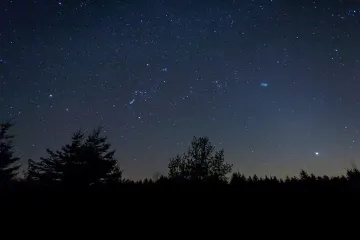
Observing Venus when it is at its maximum brightness provides a stark visual confirmation of its status. Many people unfamiliar with planetary visibility might mistake this extremely bright, steady, white light for an unusually close or prominent star. [4][9] Unlike stars, which appear to twinkle due to atmospheric distortion acting on a point source of light, Venus, being much closer, appears as a small but brilliant disk, leading to a steadier, more intense glow. [6] This steady light is a good indicator that what you are seeing is a planet, not a star. [6] People frequently post observations online when Venus is exceptionally prominent, often noting its visibility near the horizon shortly after sunset. [4][9]
When planning an observation to catch Venus at its peak, timing is everything. Since its visibility window shifts, a good approach is to check an online celestial calendar or use a mobile astronomy application that tracks planetary movements for your specific latitude and longitude. [6] Knowing when Venus is at its greatest elongation for the current year will maximize your viewing potential during the twilight hours. [6] For example, an observer in the Hudson Valley might see a stunning display in the western sky after dusk one month, but the next month, Venus might only be visible just before dawn. [5]
To help put the viewing opportunities into perspective, consider this comparison table detailing the approximate visibility window based on its orbital position:
| Orbital Phase | Visibility Time | Position Relative to Sun | Common Name |
|---|---|---|---|
| Greatest Elongation East | Evening (West after sunset) | Farthest east | Evening Star |
| Greatest Elongation West | Morning (East before sunrise) | Farthest west | Morning Star |
| Inferior Conjunction | Not visible (behind the Sun) | Closest to Sun in the sky | Hidden |
| Superior Conjunction | Not visible (behind the Sun) | Farthest from the Sun in the sky | Hidden |
If you happen to be out during a period when the Moon is below the horizon and Venus is near its maximum brightness, you are witnessing the second brightest natural light show the Earth offers. [2] It is worth noting that under very specific, rare circumstances, a bright comet or a very close near-Earth asteroid might briefly outshine Venus, but these events are transient and not part of the regular celestial order. [8] Therefore, for reliable, predictable, and recurring celestial brilliance, Venus holds the undisputed third-place rank. [1][3]
# Distinguishing Venus
A key point of distinction for observers, especially those new to the night sky, involves recognizing Venus versus other bright objects, most notably Jupiter. Jupiter is the fourth brightest object, but it rarely achieves the sheer visual punch of a brilliant Venus. [1] The difference often lies in the quality of the light. When Venus is visible, it generally appears as a steady, silvery-white beacon. [6] Jupiter, while bright, often has a slightly warmer, yellowish tint, though this can be subjective based on atmospheric conditions. [2] Furthermore, the visual contrast is telling. Venus, especially near maximum brightness, can often appear so bright that it casts a faint shadow in very dark skies, a phenomenon extremely rare for other planets or stars.
If you are trying to confirm an unidentified bright light in the sky, a simple test is to observe its behavior over several minutes. If it shines with a constant, unwavering glare near the horizon shortly after sunset or before sunrise, it is almost certainly Venus. [6] Stars, due to their immense distance, will always exhibit some degree of twinkling, even if slight, caused by Earth's turbulent atmosphere. [6] This steadiness is a signature trait of the near-solar system planets when viewed from our distance. [8]
One analytical takeaway for enthusiasts is to appreciate the sheer efficiency of this reflection. Venus is shrouded in clouds of sulfuric acid, which are incredibly effective at scattering light. If Venus had an Earth-like surface (like Mars or the Moon), its reflected light would be far less impressive, even at the same orbital distance. [7] Its dominance is a direct result of atmospheric optics on a planetary scale. This is a stark contrast to the intrinsic energy output of a star, which generates light through nuclear fusion; Venus merely acts as a superb, albeit distant, mirror for our Sun. [8]
# Practical Viewing Tips
To truly appreciate this celestial heavyweight, knowing how to look is as important as knowing what you are looking for. Since Venus can be dazzling, particularly when low on the horizon when atmospheric extinction makes the light seem more diffused and intense, never attempt to view it through binoculars or a telescope right after sunset unless you are absolutely certain the Sun has completely cleared the horizon. [1][6] Direct viewing of the Sun, even its lingering afterglow or if Venus is very close to it, can cause permanent eye damage. [1] Wait until the sky is clearly dark enough that the Sun's disk is well below the horizon line. [6]
Another valuable tip for maximizing your experience, which often goes unmentioned in basic guides, involves knowing your local horizon obstruction. If you are in a city surrounded by hills or tall buildings to the west (for the Evening Star), the best time to view Venus might be an hour after sunset, rather than the standard 30 minutes, because the obstructions hide the brightest part of the twilight, allowing the planet to stand out against a darker background sooner. [5] Conversely, if you have a wide, unobstructed view, catching it immediately after sunset might give you the best chance to see it before it sinks too low and its light is scattered away by lower atmospheric layers. Paying attention to the local geography and the published elongation times allows for a customized viewing schedule that beats generic advice. [6]
In summary, after the overwhelming light of our Sun, the Moon provides the greatest nighttime spectacle. [1][2] But when the Moon is tucked away, the ever-present, cloud-shrouded brilliance of Venus takes center stage as the brightest object available for us to observe in the heavens. [1][3][4] It serves as a constant, predictable reminder of the geometry and physics governing our solar system neighbors.
#Videos
What's That Bright Star Visible After Sunset? - YouTube
Related Questions
#Citations
List of brightest natural objects in the sky - Wikipedia
Top 10 brightest objects in our solar system - EarthSky
What is the brightest object in the night sky, second to the moon? Is it ...
Venus, currently the brightest object in the sky (after sunset) (OC)
Venus is the brightest planet in the evening sky - Facebook
What's That Bright White 'Star' In The West After Sunset? - Forbes
3rd brightest ever object in the sky - Astronomy Stack Exchange
Venus: Facts - NASA Science
What's That Bright Star Visible After Sunset? - YouTube