Why can the angular size method not be used to determine the physical diameter of a distant exoplanet?
Answer
Distant exoplanets cannot be resolved as disks through a telescope
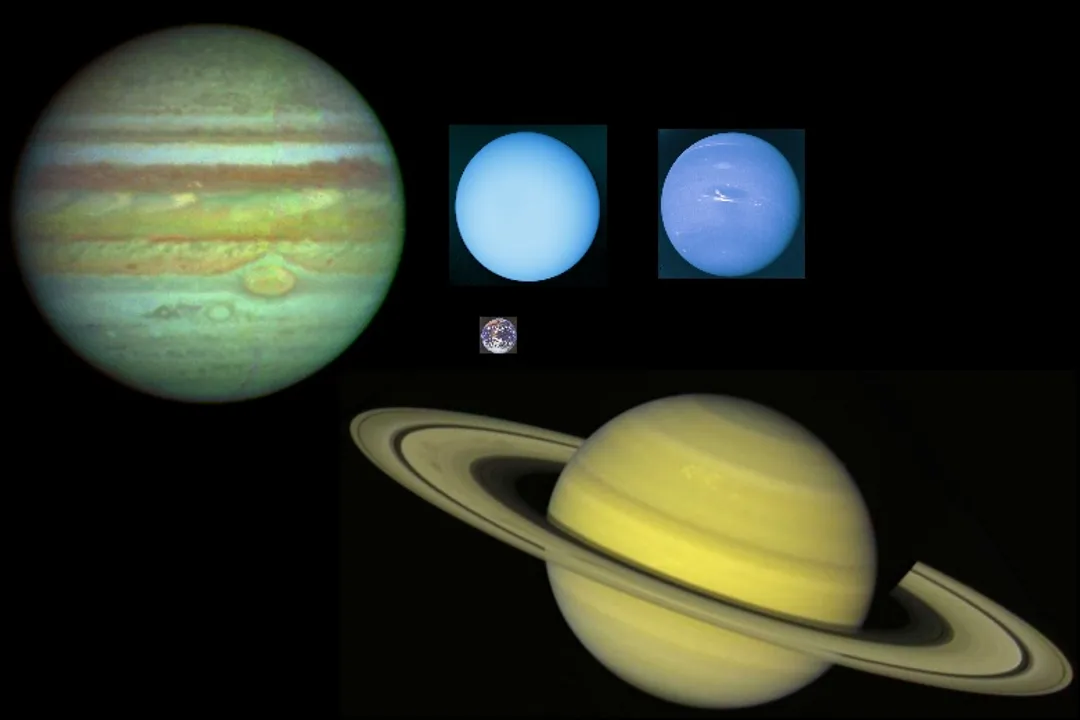
For distant exoplanets, astronomers cannot resolve them as distinct disks; instead, they appear merely as pinpricks of light, making the angular size measurement based on resolved geometry impossible.
#Videos
How Do People Measure Planets & Suns? - YouTube
How do we know the size of the Solar System? - YouTube
Related Questions
What two primary measurements are needed to calculate the physical diameter of a Solar System planet using geometry?Why can the angular size method not be used to determine the physical diameter of a distant exoplanet?What does the direct result of a transit photometry measurement provide regarding an exoplanet's size?What additional information must astronomers determine to convert an exoplanet's relative size from transit data into an absolute physical size?What series of overlapping techniques is required to establish the extremely accurate distances necessary for the angular size method?If the distance measurement used for the angular size method is inaccurate by 2%, what is the resulting error in the calculated physical size?What crucial insight about a planet's composition is gained after determining both its mass and its radius?The small-angle formula connects an object's physical diameter to which combination of other factors?For planets within our Solar System that are resolved as disks, what constitutes the primary observational challenge?In the provided scale analogy illustrating Solar System size differences, if Jupiter is represented by a large beach ball, what size represents Earth?