What process is believed to have placed Oort Cloud objects onto their current, highly extended orbits?
Close gravitational interactions with massive gas giants kicking them outward
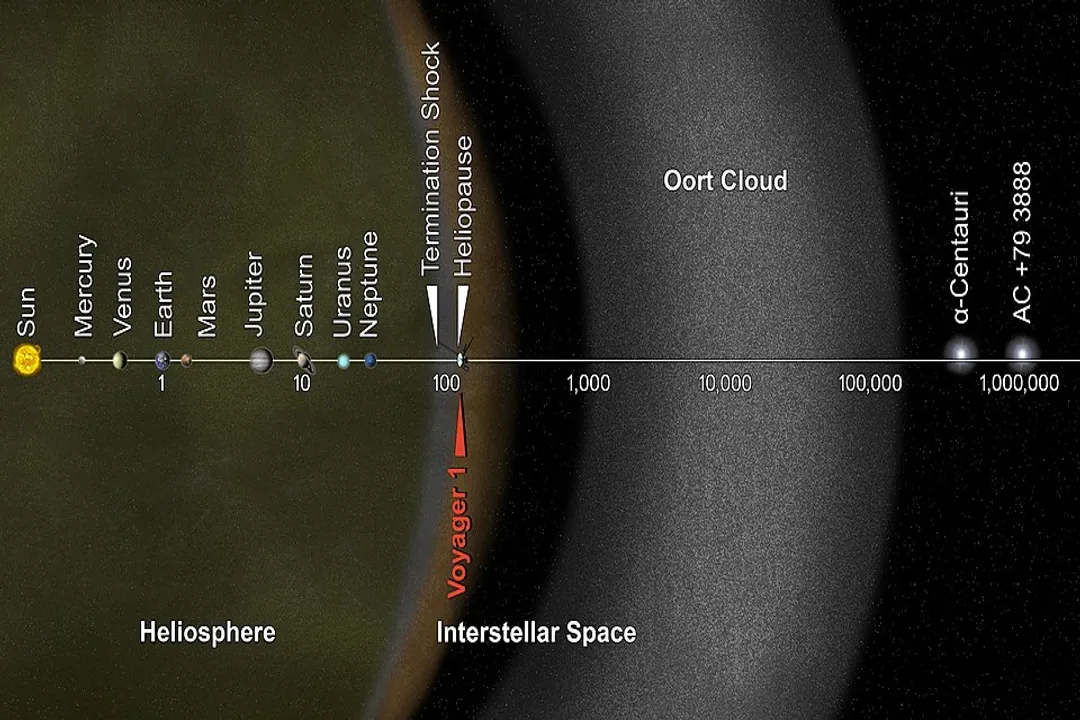
The objects that populate the Oort Cloud are thought to have had a much more dynamic and violent early history compared to Kuiper Belt residents. The prevailing hypothesis suggests that these icy planetesimals initially formed much closer to the Sun, perhaps near the orbits of Uranus and Neptune. During the solar system's unstable early phase, close gravitational interactions with the massive gas giants—especially Jupiter—kicked these bodies out onto extremely wide, highly elliptical, or even parabolic orbits. While subsequent galactic tides helped stabilize these orbits, preventing them from escaping entirely, the initial scattering event defined their current, highly eccentric distribution.
#Videos
Kuiper Belt And Oort Cloud Explained - YouTube