What is the primary structural risk associated with too steep an angle in the entry corridor of survival?
Answer
Excessively rapid deceleration leading to immense G-forces capable of crushing the crew.
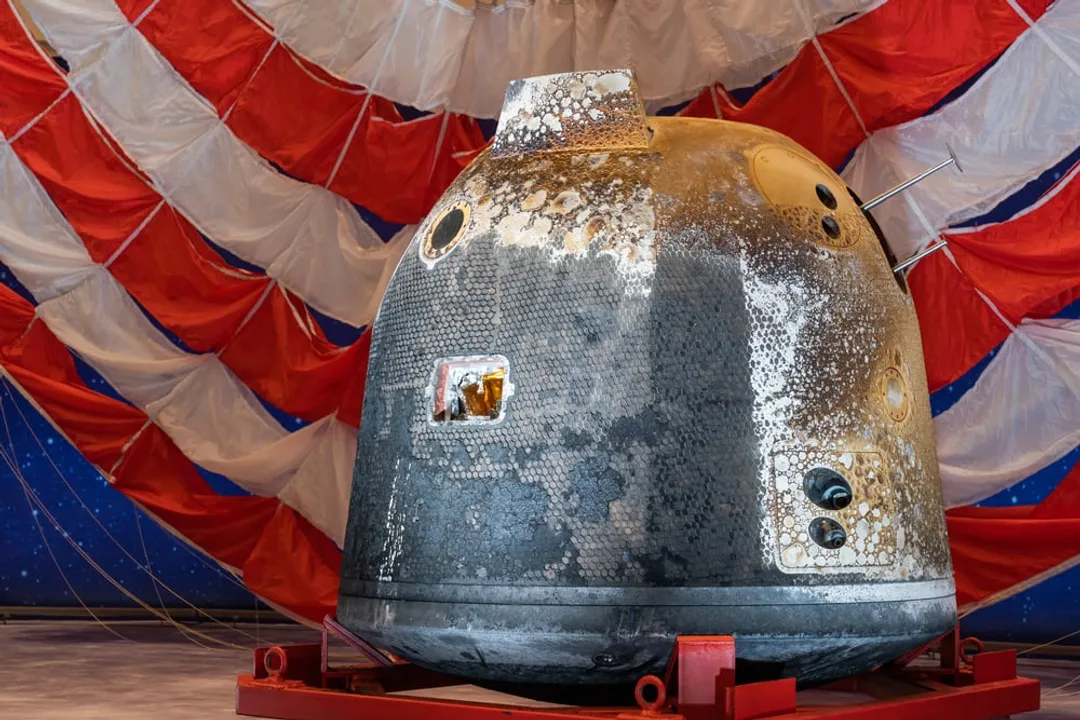
When the entry angle is too steep, the spacecraft plunges too rapidly into the denser portions of the atmosphere. This steep entry translates directly into an excessively rapid deceleration rate. This abrupt slowing translates mechanically into immense G-forces exerted upon the vehicle structure and any occupants. If these G-loads exceed the structural limits, the physical result can be the crushing of the crew or structural failure of the vehicle itself, in addition to causing a massive, nearly instantaneous spike in thermal load on the protection system.
#Videos
Do Spacecraft Really Have To Endure The Hazards of Reentry
Related Questions
What primarily causes the intense thermal energy at the stagnation point during re-entry?What velocity must a vehicle returning from low Earth orbit often achieve upon re-entry?Why is a return capsule intentionally designed with a blunt shape?What potential outcome results from an excessively shallow entry angle during re-entry?What is the primary structural risk associated with too steep an angle in the entry corridor of survival?How does an ablative heat shield protect a spacecraft during plasma interaction?What specialized material covered the Space Shuttle for its reusable heat protection?How does deceleration control differ between blunt-body capsules and winged vehicles?What maneuver describes the active management used by lifting bodies to reduce immediate thermal load?How does re-entry passive braking contrast with the active process of launch?