What dark, exterior coating forms when melted material solidifies instantly on a meteorite's surface during atmospheric entry?
Fusion crust
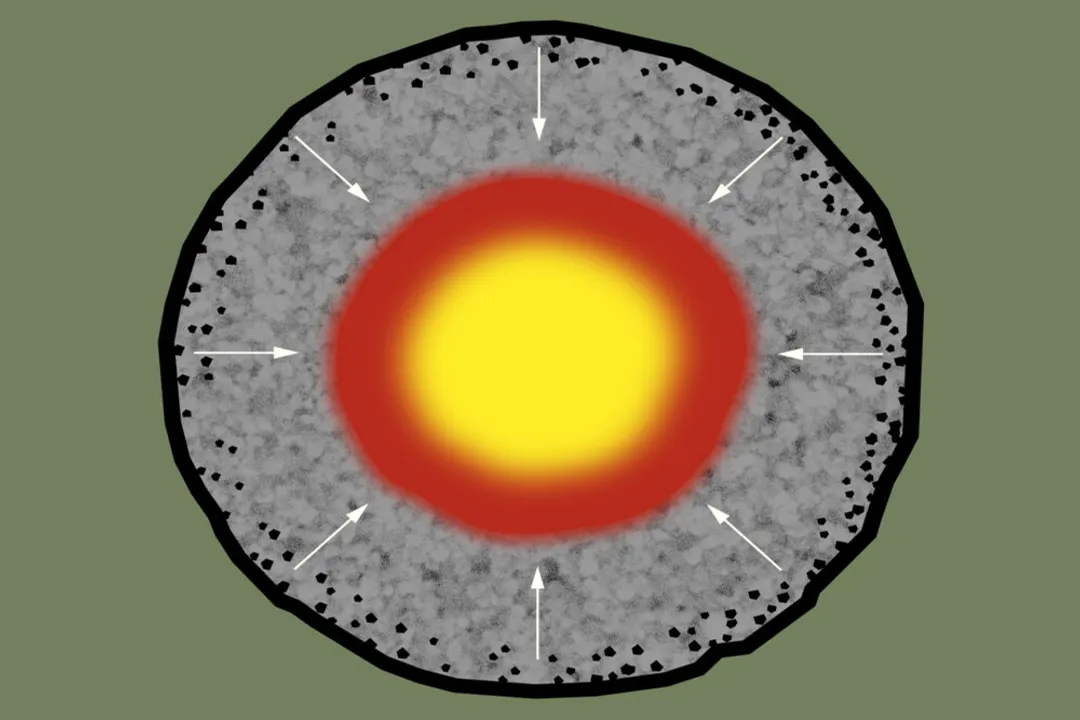
During the dramatic passage through the atmosphere, the intense heat generated causes the outer surface of the meteoroid to melt. As this melted material flows across the surface and then cools almost instantaneously upon exposure to the cooler atmospheric boundary layer, it solidifies into a distinct coating. This coating is known as the fusion crust. It typically appears dark—often black or brown—and is considered one of the most immediate and obvious physical identifiers confirming that a rock experienced atmospheric entry and survived as a true meteorite. While terrestrial processes like oxidation can sometimes create dark surfaces, the specific texture and chemical composition of a genuine fusion crust distinguish it from ordinary volcanic rock or slag.
#Videos
How To Identify a Meteorite - YouTube