What is a piece of rock in space?
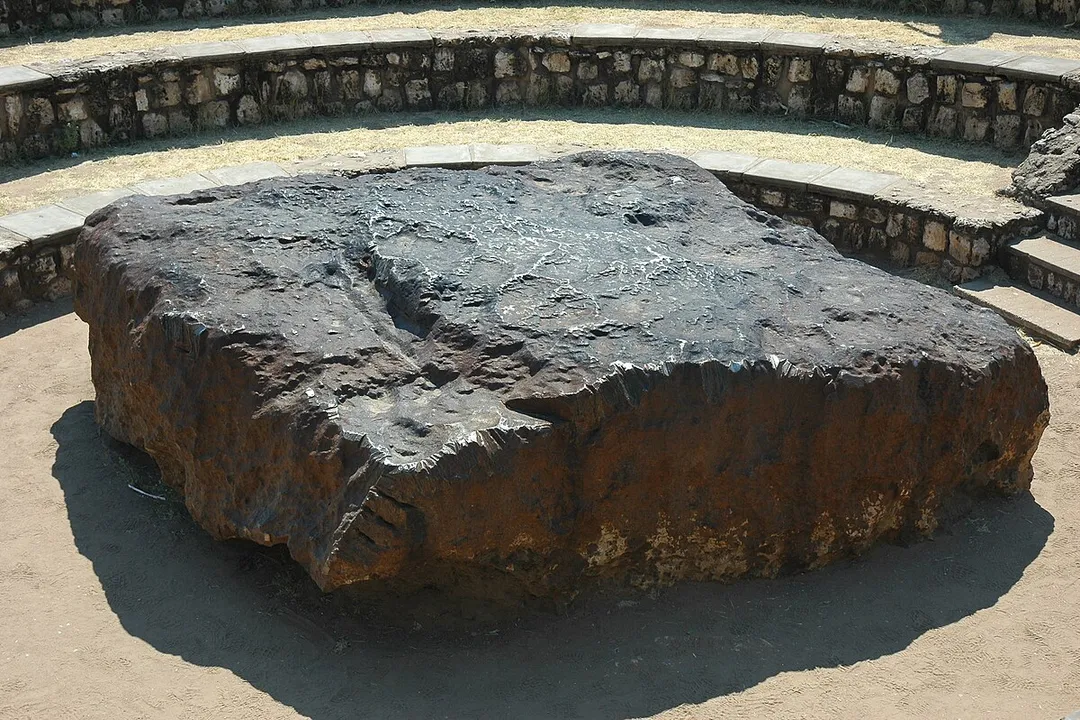
A piece of rock originating in space only earns the title of a meteorite after a very dramatic journey. Fundamentally, a meteorite is a solid piece of debris originating from an object like an asteroid or a comet that has traveled through space and successfully survived its fiery passage through Earth's atmosphere to impact the ground. Before impact, this object goes by different names depending on its location, but the key identifier for the meteorite itself is its survival and physical presence on our planet. They are, quite literally, rocks from space that have reached us.
# The Celestial Sequence
To fully grasp what a meteorite is, one must trace its lineage back through the solar system and through our atmosphere. The objects we encounter start much farther out, often as large bodies orbiting the Sun, known as asteroids. These asteroids, which can be many kilometers wide, orbit mostly within the belt situated between Mars and Jupiter.
# From Big Rock to Small Debris
When these larger bodies collide, or when a comet approaches the Sun and sheds material, smaller fragments are created. These smaller pieces are referred to as meteoroids while they are still traveling through the vacuum of space. Meteoroids are generally defined as being anything from a speck of dust, perhaps as small as a grain of sand, up to objects a few meters across. It is this population of wandering debris—the meteoroids—that poses the potential for eventual impact.
A fascinating perspective emerges when considering the sheer volume of this interplanetary dust and debris. While the asteroid belt is immense, the material that eventually becomes meteorites is tiny in comparison, often shed by larger parent bodies through billions of years of micrometeorite impacts and collisions. Imagine a vast region, the asteroid belt, peppered with everything from city-sized rocks to the equivalent of loose gravel, and then realizing that the fragment that lands on your lawn is one of the rare pieces of that gravel that makes the entire transit successfully.
# Fiery Passage
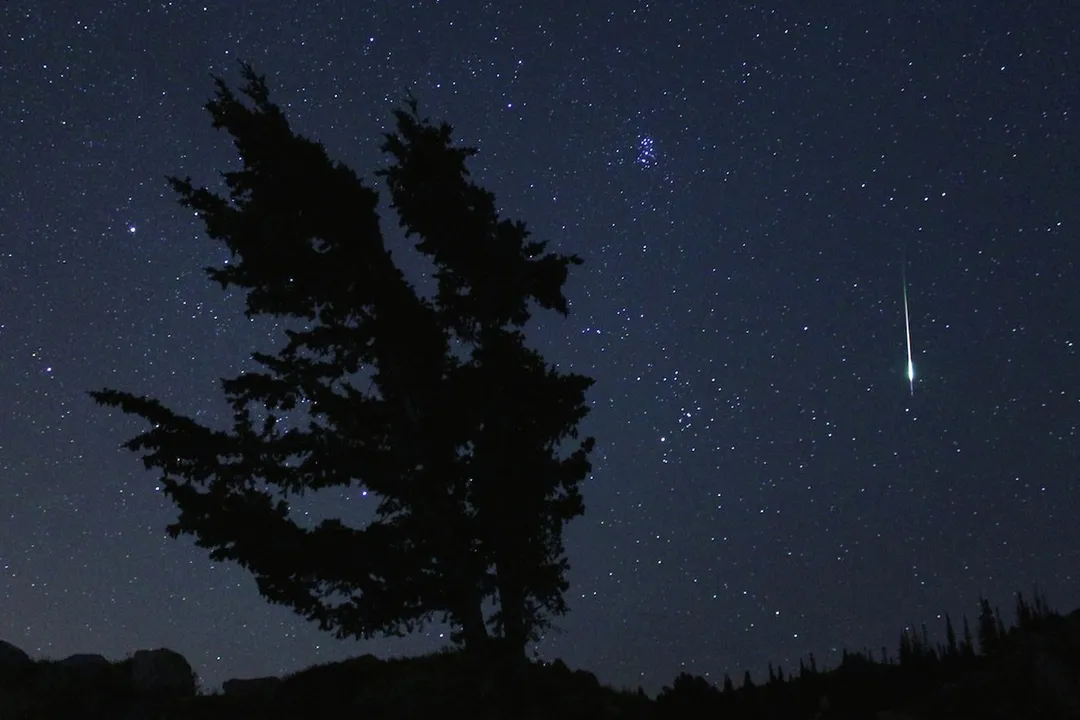
The next stage occurs when a meteoroid's orbital path intersects with Earth's atmosphere. As the chunk of rock plunges toward the surface at incredible speeds—often tens of thousands of miles per hour—the friction with the air causes it to heat up intensely. This process vaporizes much of the material, creating a bright streak of light in the sky known as a meteor, which we commonly call a shooting star. Most meteoroids are small enough that they completely burn up during this atmospheric descent. The light we see is not the rock itself burning, but the superheated air glowing around it.
If the original body is substantial enough, or if it is composed of denser material, a portion of it may survive this violent atmospheric stripping. The object that successfully survives the "fiery journey" and lands on the Earth's surface is then finally designated a meteorite.
This three-part naming convention is crucial:
- Meteoroid: In space.
- Meteor: Burning in the atmosphere (the streak of light).
- Meteorite: On the ground.
# What Meteorites Tell Us
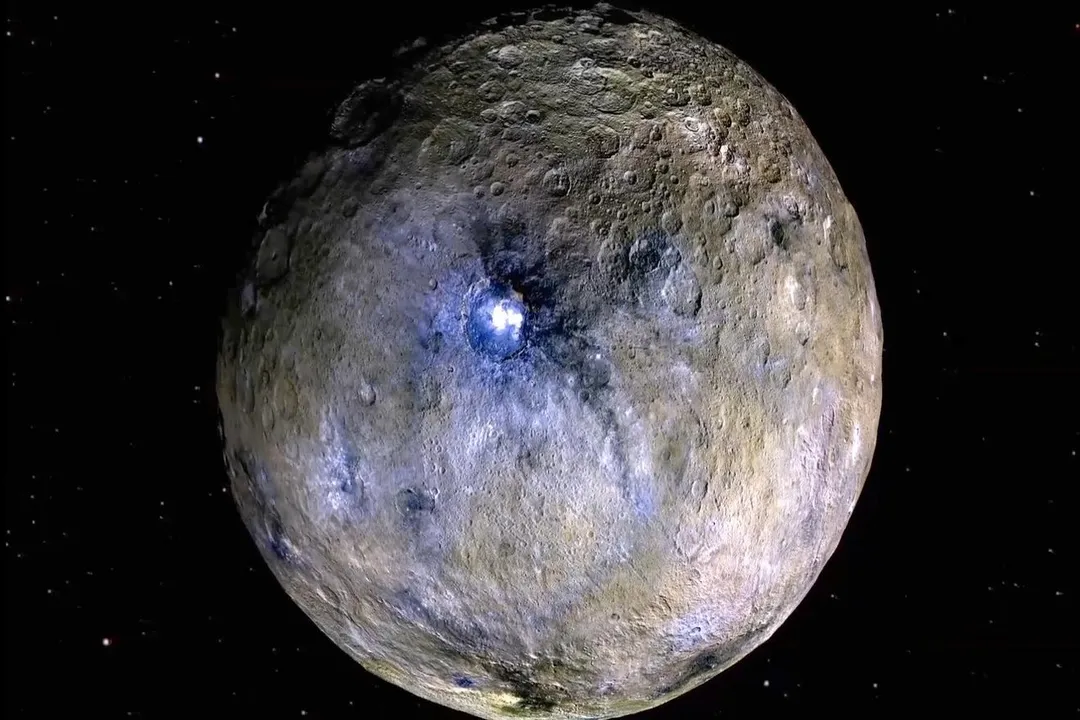
Scientists place immense value on collecting and studying meteorites because they are physical remnants that have spent billions of years floating in space. They essentially serve as time capsules, offering direct physical evidence about the conditions and processes present during the formation of our solar system, over four and a half billion years ago.
While most meteorites originate from asteroids, they are not all the same. Some meteorites have been identified as originating from other sources entirely, having been ejected from the surfaces of the Moon or even Mars following massive impacts on those bodies.
# Rock Categories
Meteorites are generally classified based on their dominant chemical composition. This classification helps researchers trace them back to their parent bodies. The three main categories are:
- Stony Meteorites: These are the most common type, resembling terrestrial rocks.
- Iron Meteorites: These consist primarily of iron and nickel metal.
- Stony-Iron Meteorites: As the name suggests, these are mixtures of stony material and metal.
Studying the elemental ratios, mineral structures, and any trapped organic materials within these samples provides profound insights into solar system chemistry that cannot be gained by remote observation alone.
# Identifying a Space Relic
Finding a potential meteorite on Earth can be exciting, but identifying one requires looking for specific physical signatures left by its journey through space and subsequent residence on the ground. A freshly fallen meteorite will usually look quite different from an ordinary terrestrial rock sitting in a field for decades.
# Surface Signatures
The high-speed passage through the atmosphere creates a distinct outer layer. One of the most telling features is the fusion crust. This is a thin, dark, glassy rind that forms when the outer surface melts due to atmospheric friction and then solidifies quickly upon cooling. The color of this crust can sometimes be dark brown or black.
Another feature associated with atmospheric ablation, though not always present, is the creation of shallow depressions on the surface, known as regmaglypts. These look somewhat like thumbprints pressed into clay, caused by uneven melting or erosion of the rock's surface during entry.
# Internal Clues
Beyond the surface appearance, a genuine meteorite often possesses internal characteristics that distinguish it from common Earth rocks.
- Density: Meteorites containing significant metal content (iron or stony-iron) will feel noticeably heavy for their size compared to most silicate Earth rocks of the same volume.
- Magnetism: Due to the iron/nickel content, most meteorites will exhibit some degree of magnetism, often enough to be attracted to a strong refrigerator magnet. This is a quick, basic test for field classification.
- Weathering: If a meteorite has sat on the ground for a long time, the iron content can oxidize, leading to rust stains, which can obscure the original fusion crust.
When attempting to make an initial assessment in the field, a systematic approach is often best, prioritizing the most obvious characteristics. For example, one might first check for magnetism and excessive weight, as these rapidly rule out many common terrestrial stones. If those checks pass, looking closely for remnants of the fusion crust or small regmaglypts under a hand lens offers the next layer of evidence. A definitive identification, however, often requires laboratory analysis of the specimen's interior structure, sometimes involving cutting and etching the rock to reveal the crystalline structure of the metal alloys within.
To summarize the initial screening process for a potential find, one might consider this sequence based on ease of testing:
| Feature to Check | Expected Meteorite Result | Common Earth Rock Result |
|---|---|---|
| Density | Unusually heavy for its size | Standard rock density |
| Magnetism | Attracted to a magnet | Usually non-magnetic or very weakly magnetic |
| Surface | Dark, smooth fusion crust; possibly thumbprint-like pits (regmaglypts) | Rough, weathered surface; no clear single melting signature |
Understanding that every meteorite is a piece of the greater cosmic environment that has managed to settle on our world underscores their value, not just as geological specimens, but as direct artifacts of solar system history.
#Videos
Space Rocks - YouTube
Related Questions
#Citations
Meteorite - Wikipedia
Space Rocks - YouTube
Meteorite Identification
Meteorites: Messengers From Outer Space
What Are Meteorites? Ancient Clues to Our Solar System | AMNH
What's That Space Rock? – Gallery | NASA JPL Education
[PDF] STFC-180118-Space-rock-broadsheet.pdf - UKRI
What's a Meteorite? ☄️ A meteorite is a piece of space rock that ...
Space Rocks Explained: From Asteroids to Meteor Showers