What is the bright planet in the early morning sky?
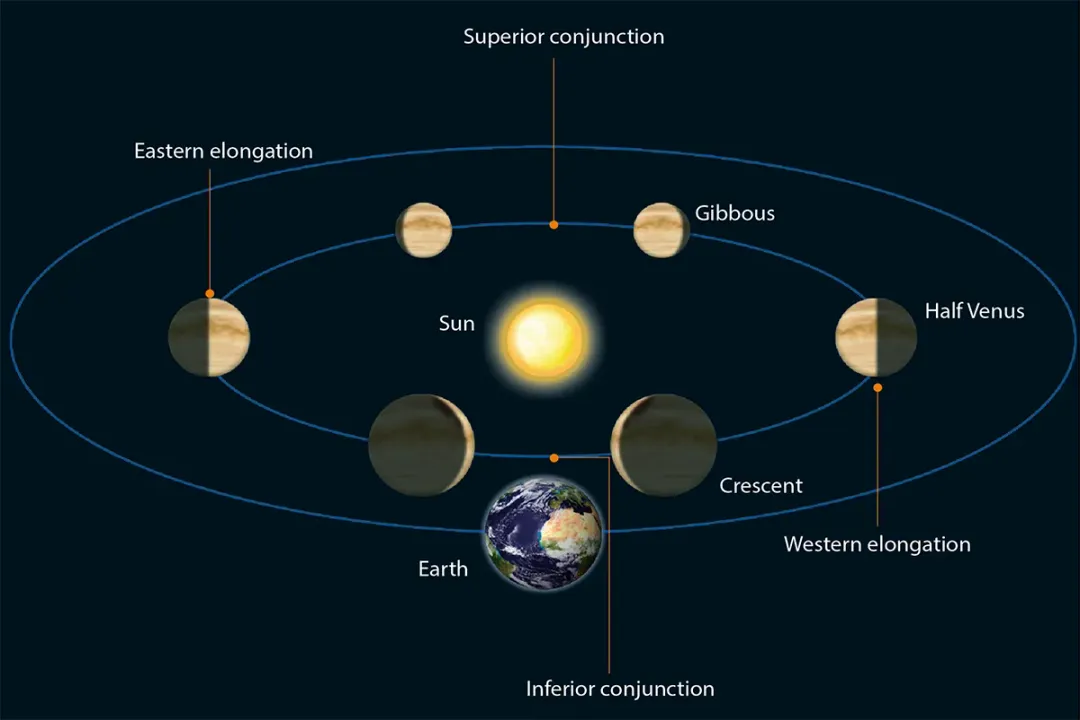
The brilliant, steady light hanging in the predawn sky is a common sight that inspires many early risers to wonder what celestial body is putting on such a display. While it might resemble a magnificent star, that dazzling object is almost always a planet. Of all the celestial bodies regularly visible without optical aid, one planet stands out for its sheer brightness, particularly when it appears low in the east before sunrise: Venus.
# Brightest Object
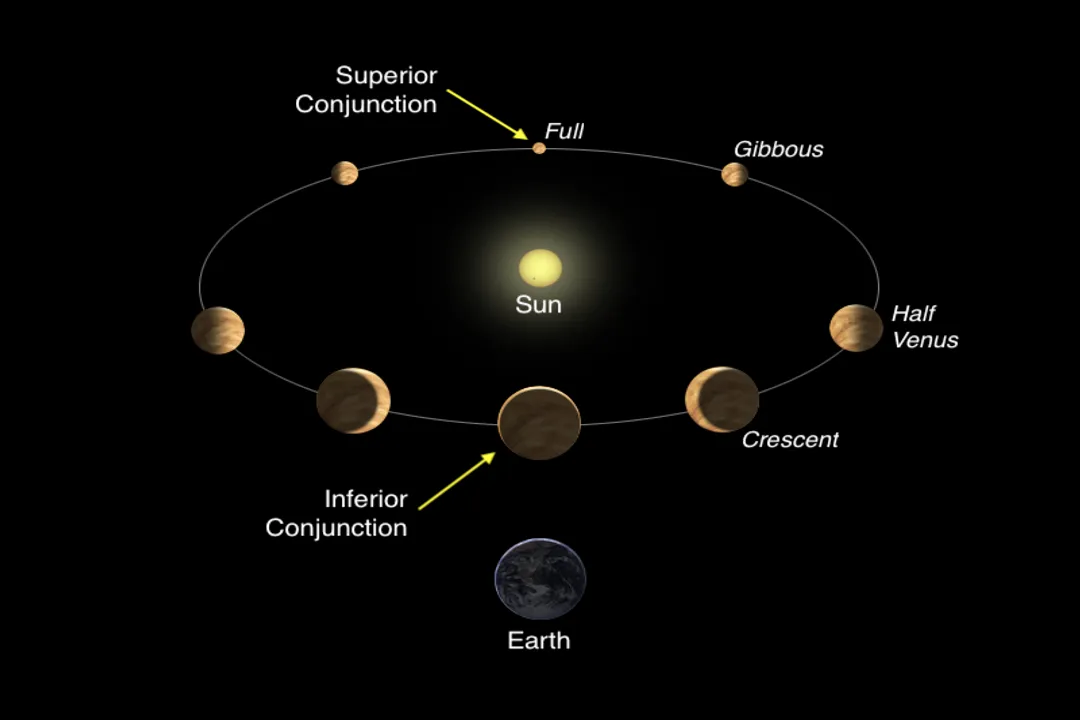
When observers look up just before dawn and see the single brightest "star" in the sky, they are most likely looking at Venus. It is famous precisely for this characteristic, often earning the title of the Morning Star. The appearance of this bright object is transient; it is only visible in the hours just before sunrise or just after sunset, never remaining in the sky all night long. This regular cycling through the morning and evening sky is dictated by its orbit, which is closer to the Sun than Earth's.
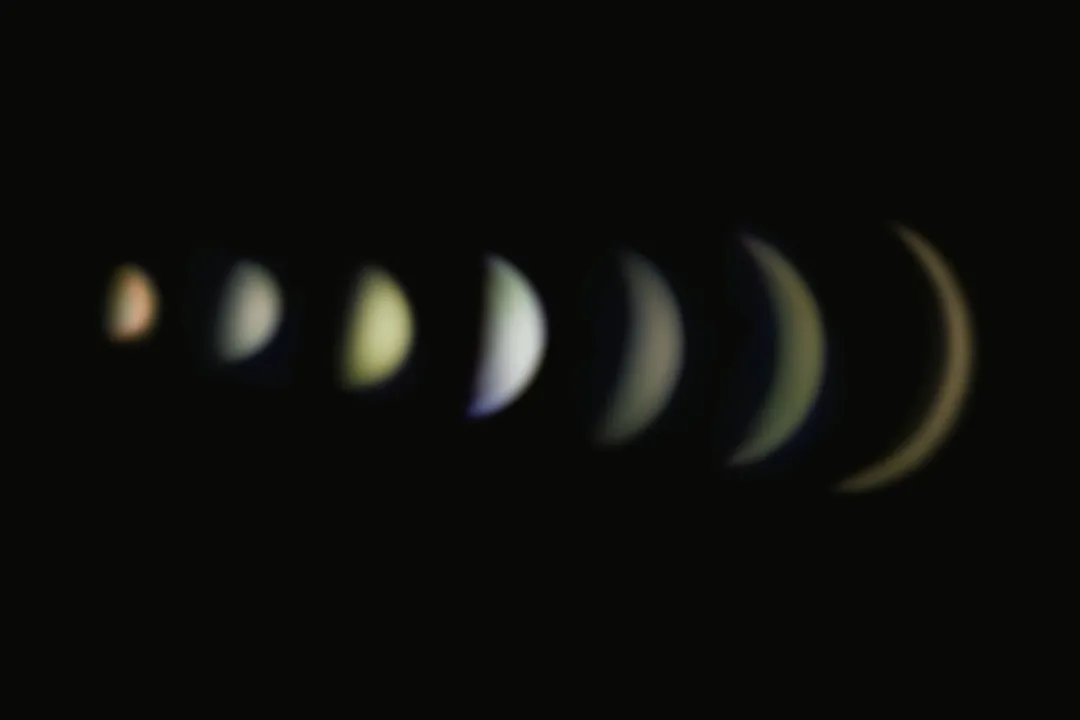
Venus is remarkable because it is frequently the brightest object in the entire sky, second only to the Moon itself. Its high luminosity is due to its thick, highly reflective atmosphere, which scatters sunlight very effectively. Depending on its current phase as viewed from Earth—much like our Moon—Venus goes through periods of greatest brilliancy where it appears dazzlingly bright, even if only a thin crescent is illuminated. Conversely, when it is fully illuminated from our perspective, it appears smaller and consequently less bright overall. This fluctuation means that the planet you see shining with extreme intensity one month might be absent or significantly dimmer a few months later, only to return to prominence in the opposite part of the sky.
# The Star Name

The object people identify as the Morning Star is almost universally Venus. Its moniker as the Morning Star or Evening Star speaks to its persistent visibility near the horizon at twilight. When it graces the eastern sky before sunrise, it is the Morning Star, appearing to rise before the Sun does. When it appears in the west after sunset, it takes on the title of the Evening Star.
It is important to distinguish the planet from actual stars. One key observational difference, which can be tested with a few minutes of focused watching, is twinkling. Stars, being incredibly distant points of light, are far more susceptible to atmospheric distortion, causing them to appear to twinkle or scintillate. Planets, being much closer and appearing as tiny disks (even if the disk is too small to see the shape without a telescope), shine with a much steadier, more constant light. If the bright "star" maintains a remarkably steady glow as you watch it in the early morning, you can be quite confident you are observing a planet, likely Venus.
# All Visible Planets
While Venus is the most common answer to the question of the brightest morning object, it is not the only planet that can put on a show before sunrise. There are five planets visible to the naked eye, and their visibility patterns change constantly due to their orbits around the Sun. Besides Venus, Jupiter is another exceptionally bright candidate for a morning sight. Following the Moon, Jupiter is generally considered the third brightest natural object in our night sky, making it a contender for the "brightest planet" when Venus is not favorably positioned.
The other three naked-eye planets—Mars, Saturn, and Mercury—can also appear in the morning sky at various times. Mars is famous for its reddish hue, though it is significantly less bright than Venus or Jupiter unless it is near its opposition to the Sun. Saturn, while bright, is distinctly dimmer than Venus or Jupiter. Mercury is the most challenging to spot because its orbit keeps it very close to the Sun, meaning it is only visible for short periods low on the horizon shortly after sunset or before sunrise.
To help plan your early morning sky-gazing sessions, knowing the relative ranking of brightness can be a useful tool for setting expectations.
| Planet | Typical Brightness Rank (When Visible) | Color/Feature | Visibility Window Note |
|---|---|---|---|
| Venus | 1st (after Moon) | Brilliant White/Yellow | Closest to the Sun, always near twilight |
| Jupiter | 2nd (after Venus) | Steady White/Yellow | Can be very bright, visible for longer periods |
| Mars | Variable (Can be faint) | Distinct Reddish Hue | Brightest near opposition |
| Saturn | Lower | Pale Yellow | Significantly dimmer than Venus/Jupiter |
| Mercury | Dim | Smallest apparent size | Always very close to the Sun's glare |
When you observe the sky, you are witnessing a snapshot of the solar system's geometry at that exact moment. The fact that an object is visible in the morning sky simply means that its orbital position places it between the Earth and the Sun, or just past the Sun in our view as we look east before dawn.
# Observing Techniques
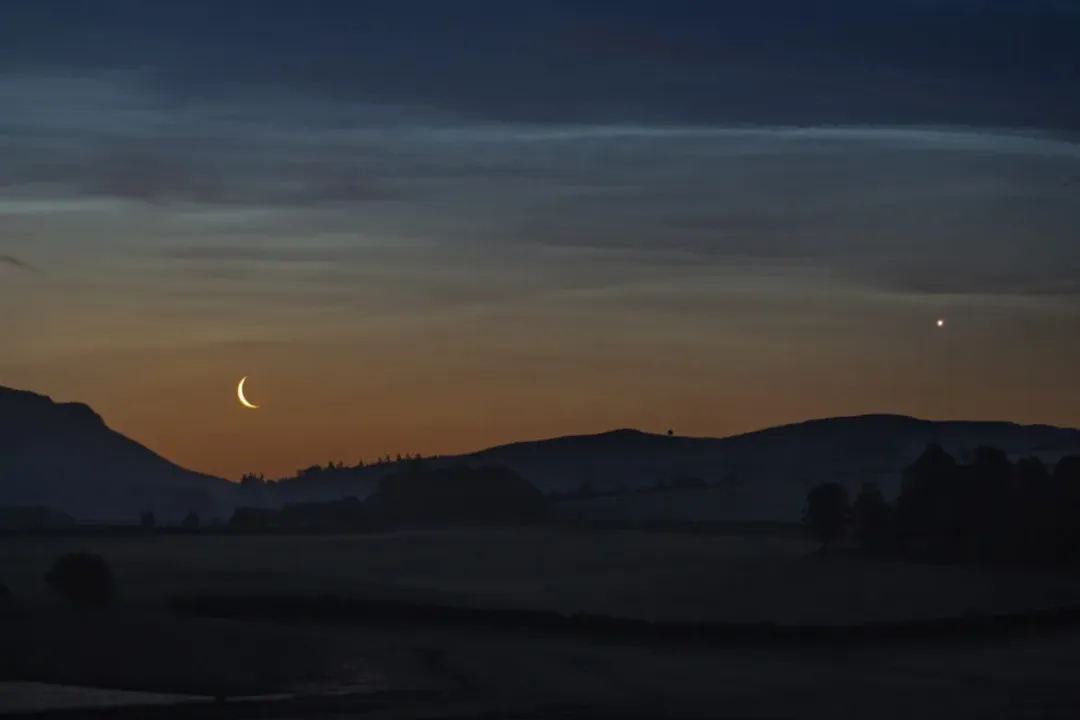
Determining which planet you are seeing requires not only knowing the possibilities but also observing when and where it appears. For example, if the bright object is visible for several hours before sunrise and is extremely bright, it is overwhelmingly likely to be Venus. If it is visible low in the east but you only catch it for about an hour before the sky gets too bright, it could be Mercury. If the object is visible all night long, it is almost certainly Jupiter or perhaps an inner star, but since the prompt specifies early morning, the window is constrained.
A helpful way to differentiate is to check an astronomical almanac or use a star-charting application that maps current planetary positions for your exact location and time. This takes the guesswork out of the identification process. For instance, one observer noted seeing a very bright object around 6 AM, questioning if it was a star or a planet. The steadiness of its light strongly suggested it was a planet.
When planning your observation for the early morning planet, remember that atmospheric conditions play a substantial role in how bright and steady the object appears. A good observational tip is to try and view the planet when it is higher above the horizon. Planets viewed very low in the east are viewed through the thickest layer of the Earth's atmosphere, which introduces more turbulence and makes even a steady planet appear to twinkle or shimmer more noticeably. If you can wait thirty minutes for the object to climb just a bit higher, the resulting view is often much clearer and the light steadier, confirming its planetary nature.

# Post-Sunrise Views
It is worth noting that sometimes the bright object persists just long enough into the true dawn that it becomes an exercise in timing and contrast. For the brightest objects like Venus, even after the Sun has technically risen, the planet can remain visible for a short while if you know exactly where to look against the brightening blue sky. This requires careful focus, as the glare from the Sun is intense, but seeing the brightest planet in the day sky is a memorable feat.
The visibility of any planet, including Venus, is cyclical. Venus goes through phases, and its angular distance from the Sun (its elongation) changes. This means that its period of visibility in the morning sky shortens or lengthens over time. Because its orbit is interior to Earth's, Venus can actually pass between the Earth and the Sun, causing it to disappear from our view for a time as it is lost in the Sun's glare. When it reappears on the other side of the Sun, it returns as the Morning Star, beginning a new cycle of visibility. This constant shifting means that an observer must be flexible; the bright planet seen this month might not be in the same spot, or even visible at all, a few months hence. The celestial mechanics dictating these appearances are predictable, offering a reliable schedule for those who wish to track the movements of these nearest solar system neighbors.
Related Questions
#Citations
Visible planets and night sky guide for December - EarthSky
The brightest planets in December's night sky: How to see them (and ...
What is the bright planet in the eastern sky? - Facebook
Why Venus is called the morning star or the evening star
What is the star that shines at 6am very bright. Is it a star or a planet?
What is that bright heavenly body in the morning sky?
See Venus at Greatest Brilliancy and Near Saturn and Mercury
r/moon - What planet is this? - Reddit