How did astronaut Mike Hopkins describe sweat behavior adhering to the skin in microgravity?
Answer
Sweat tends to cling in pools on the skin or form noticeable blobs
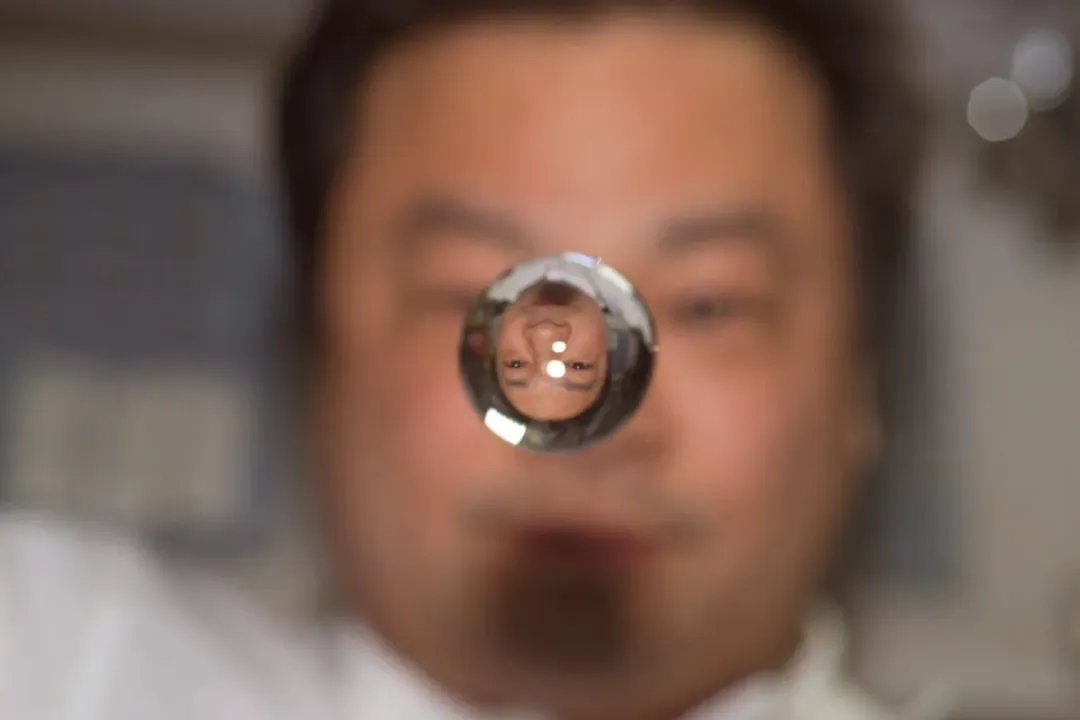
Mike Hopkins observed a noticeable difference in how perspiration behaves without gravity. Unlike on Earth where sweat readily evaporates due to convection and gravity, in the weightless environment of the station, sweat exhibits pronounced surface tension effects. It tends to accumulate and cling, forming pools on the skin, often around sensitive areas like the eyes, or coalescing into distinct, visible blobs that have the potential to detach and float away. This clinging behavior requires careful manual management and wiping to remove the moisture.
Related Questions
What fundamental physical constraint dictates hygiene decisions on the ISS due to water behavior?How long did the average shower take using the Skylab station shower apparatus?What primary technique replaces traditional showering for body cleansing on the ISS?Besides water shortage, what reason made simpler sponge baths cost-effective for ISS-era body cleaning?How did astronaut Mike Hopkins describe sweat behavior adhering to the skin in microgravity?What specialized product allows astronauts to wash hair without using rinse water on the ISS?What is the hazard posed by stray hairs and whiskers in the ISS environment?What equipment is used to immediately capture hair clippings during grooming on the ISS?What are the two primary disposal methods for toothpaste foam after brushing teeth on the ISS?How are soiled, everyday crew garments typically disposed of after use on the ISS?