Did the Soviets try to land a man on the Moon?

The historical narrative often focuses on the triumphant landing of Apollo 11 in July 1969, cementing the United States' victory in the Space Race. However, the story of the Soviet Union's efforts to reach the Moon is less about a simple lack of trying and more about a dramatic series of technical setbacks, internal political struggles, and a crucial shift in national priorities that kept their cosmonauts grounded. While the world saw the American flag planted on the lunar dust, the Soviets had an active, albeit secretive, crewed lunar program that aimed for the same goal. [5][9] They certainly tried, but never managed to overcome the immense engineering challenges before their rivals achieved success. [1][8]
# Early Triumphs
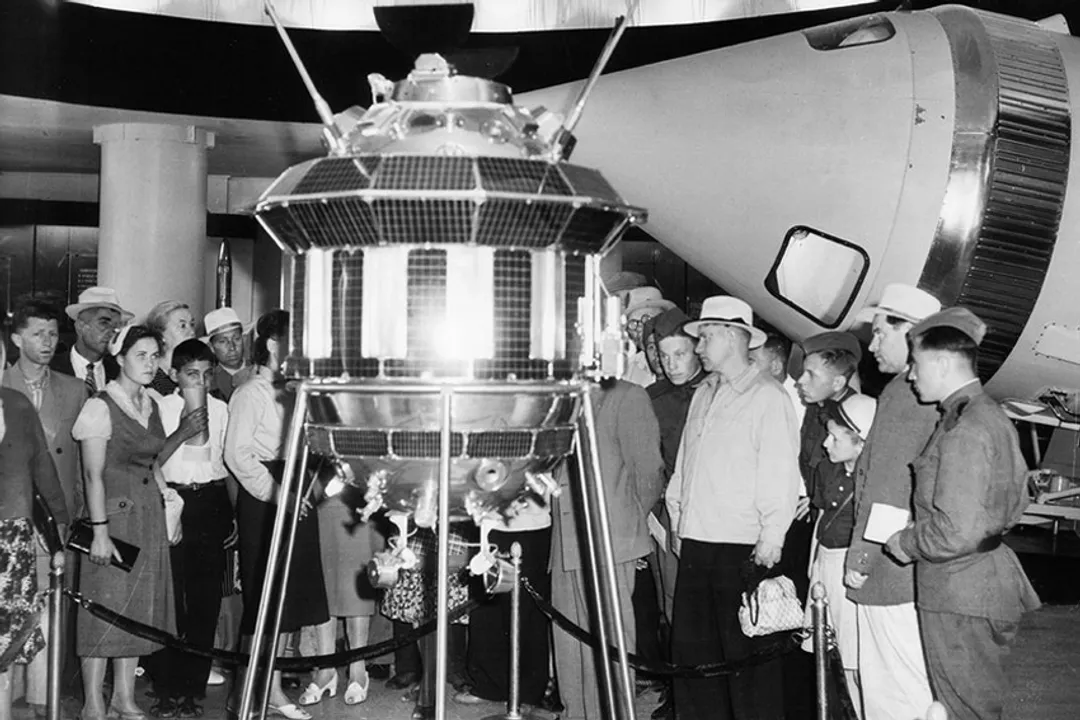
Before the focus shifted entirely to the Moon landing race, the Soviet space program accumulated an impressive string of world firsts that established them as formidable pioneers in rocketry and spaceflight. [8] From the launch of Sputnik in 1957, the first artificial Earth satellite, to sending the first living creature, Laika the dog, into orbit, the USSR initially led the way. [5][8] This early success continued with Yuri Gagarin becoming the first human in space in April 1961. [5][8] They also achieved milestones like sending the first woman into space and performing the first extravehicular activity (spacewalk). [5] These achievements created an international perception of Soviet dominance in the early years of space exploration. [8]
# Lunar Ambitions
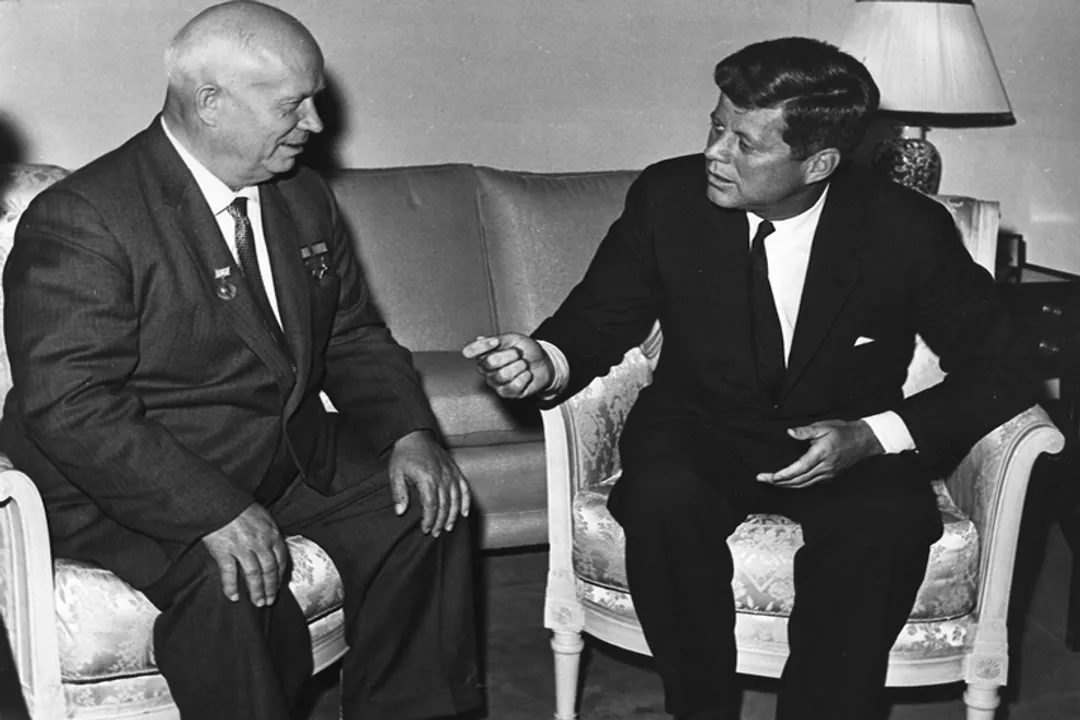
Following Gagarin's flight, Soviet leadership officially committed to a crewed landing, making it a priority second only to beating the US in putting a man into orbit. [8] The Soviet plan relied on developing massive launch vehicles capable of sending a powerful spacecraft to the Moon and back. [5] Unlike the American approach, which consolidated resources under the centralized Apollo program managed by NASA, the Soviet effort was spread across several competing design bureaus. [5][7] This rivalry between major engineering groups, often pitted against each other by the Soviet bureaucracy, meant that competing designs were often developed simultaneously, sapping resources and focus. [7] For example, while the OKB-1 bureau, led by the legendary Sergei Korolev, championed one concept, Vladimir Chelomei’s bureau pushed an alternative design that relied on a different, less powerful heavy-lift rocket. [7]

# The Rocket Problem
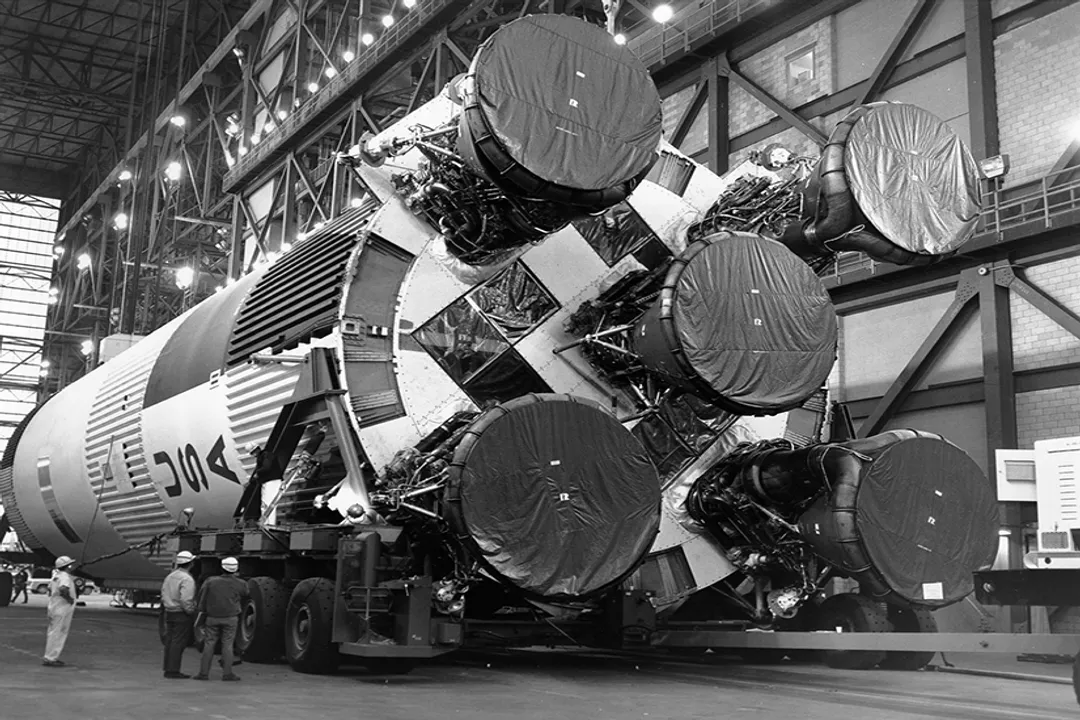
The key to reaching the Moon, for both nations, was a super-heavy-lift launch vehicle. For the US, this was the powerful Saturn V rocket. For the Soviets, it was the N1 rocket. [5][8] The N1 was designed to be the Soviet answer to the Saturn V, intended to launch the massive payload needed for a lunar mission. [5] However, the N1 development was plagued by fundamental design compromises stemming from the organizational structure. [7] Crucially, it was not a single, unified project with the same level of focused political backing that the Apollo program enjoyed after President Kennedy’s commitment. [5]
The N1 never flew successfully. It was launched four times between 1969 and 1972, and every single attempt ended in catastrophic failure, often seconds after liftoff. [8][5] The most infamous of these was the first launch in February 1969, which involved a massive explosion that destroyed the launchpad complex. [5] Considering the immense national investment in this single platform, these failures represented not just technical setbacks but devastating political and economic losses. [8] If one considers the raw material, industrial capacity, and skilled personnel poured into those four attempts, the cumulative loss of hardware and momentum from the N1 failures alone likely exceeded the impact of any single issue the Apollo team faced. [1]
# Critical Losses
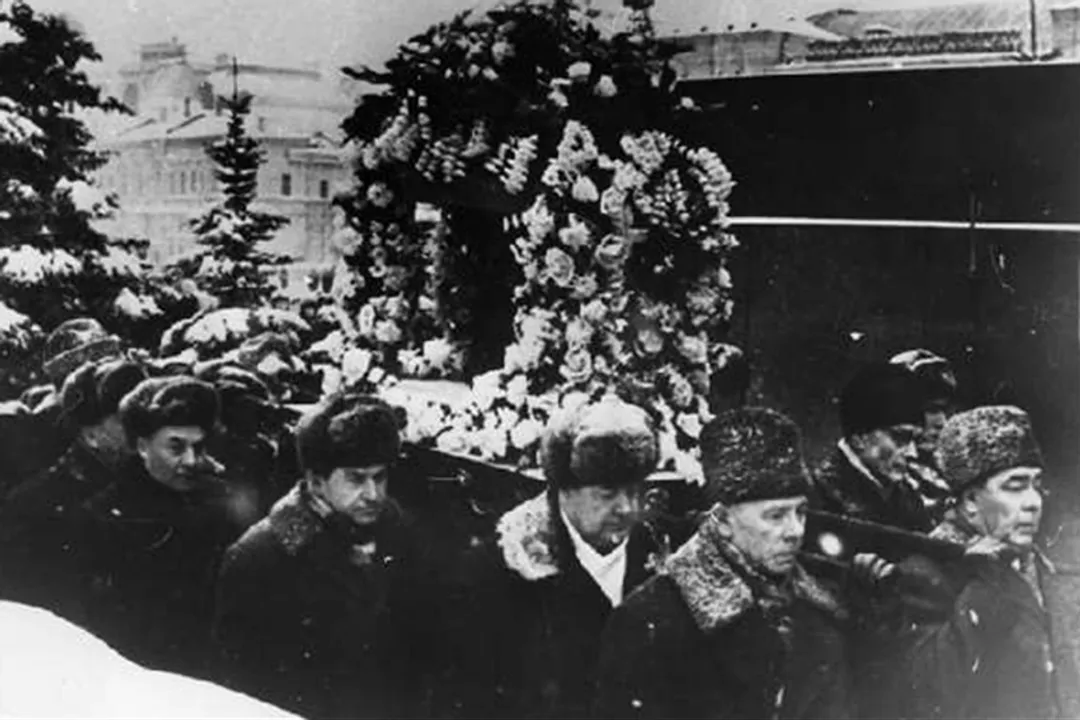
A major turning point that hobbled the Soviet lunar program was the death of its chief architect, Sergei Korolev, in January 1966. [5][7] Korolev was the undisputed head of the Soviet space effort, possessing the authority to marshal resources and force cooperation between the competing design bureaus. [7] After his passing, the infighting intensified, and the political will to fund and integrate the complex N1-L3 lunar system began to wane. [5][7] Without Korolev’s singular vision and political weight, the program lacked the necessary centralized authority to pull the disparate parts together efficiently. [5]

# Program Secrecy
One significant factor that contrasts sharply with the US approach was the Soviet Union's penchant for extreme secrecy. [9] While the US Apollo program was highly public—allowing for intense media scrutiny and political pressure to succeed—the Soviet efforts were buried under layers of state security. [9] This meant that when missions failed, the public and even large segments of the government were unaware of the true state of affairs until years later. [9] For instance, the US publicly declared the Moon race effectively over after Apollo 11 landed. [9] In contrast, the Soviets continued to fly uncrewed probes, like the Luna series, to the Moon for years, quietly pursuing robotic exploration while the crewed effort sputtered. [5][8] This secrecy allowed the program to languish internally without the kind of immediate, public accountability that might have forced faster, difficult changes in direction.
# The Shifted Focus
By the early 1970s, it was clear that the Soviet crewed mission to the Moon was not going to happen anytime soon, especially after the fourth N1 failure in 1972. [5] The US had already achieved its primary geopolitical goal, planting the flag and bringing the associated propaganda victories home. [9] Facing mounting economic problems at home and the clear technological lead held by the US in the specific area of lunar landings, the Soviet leadership quietly decided to de-emphasize the crewed Moon race. [5][9] They redirected efforts toward other space goals, most notably long-duration crewed orbital missions using the Salyut space stations. [5] This change allowed them to claim leadership in space endurance and orbital operations, shifting the focus away from the single, lost goal of the lunar landing. [5]

# Lasting Legacy
While they never placed a cosmonaut on the lunar surface, the Soviet Union’s attempts spurred significant advancements in rocketry, guidance systems, and unmanned exploration. [8][2] The robotic Luna program achieved notable successes, including the first soft landing on the Moon, the first images transmitted from the far side, and even bringing back samples of lunar soil using automated craft. [8] Even the technology developed for the failed N1 rocket may have contributed to later Soviet space hardware. [1] The effort remains a powerful example of how centralized political ambition, when hampered by organizational division and overwhelming technical challenges, can ultimately be defeated by a rival nation that successfully streamlines its resources toward a single, achievable objective. [7] The question of if they tried is answered with a resounding yes; the question of why they failed points toward bureaucracy, rivalry, and the sheer difficulty of mastering the necessary heavy-lift technology.[1][5]
#Videos
Why The Soviets Never Landed On The Moon - YouTube
Related Questions
#Citations
Why did the Soviet Union never send men to set foot on the Moon?
Why Russia Didn't Put Man on Moon - SpaceSpecialists Ltd
Did the Soviets ever go to space? Did they land on the Moon? - Quora
Why The Soviets Never Landed On The Moon - YouTube
Why The Soviets Never Landed A Man On The Moon
What kept the Soviets from going to the Moon (before the US)?
The Soviet Lunar Program & the Space Race | American Experience
What if cosmonauts were the first to walk on the Moon? - BBC
The Soviet Response to the Moon Landing? Denial There Was a ...