Why is the Moon's south pole considered significant for exploration?
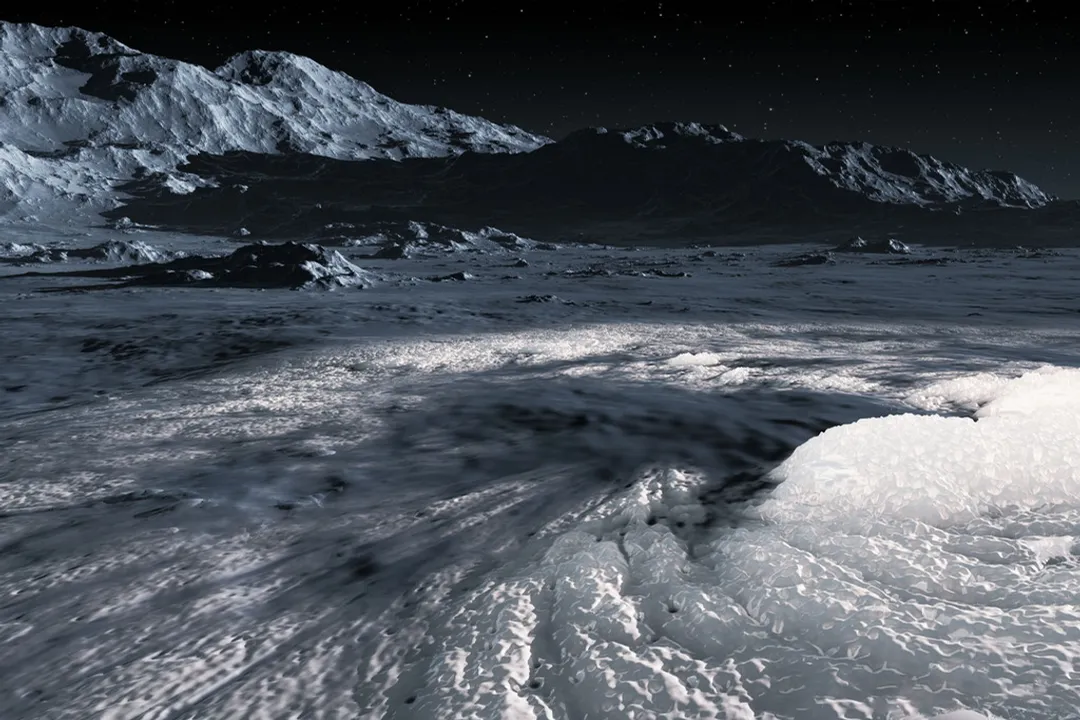
The region near the Moon’s south pole has captured the intense focus of space agencies worldwide, transforming from a remote area of scientific curiosity into the primary target for future human and robotic presence off Earth. [6] The driving force behind this intense interest is a combination of unique terrain features and the presence of crucial materials, most notably water ice, which promises to fundamentally change how we approach deep space exploration. [1][5] This area offers an unparalleled strategic advantage compared to the equatorial or northern regions previously favored for initial landings. [4]
# Ice Presence
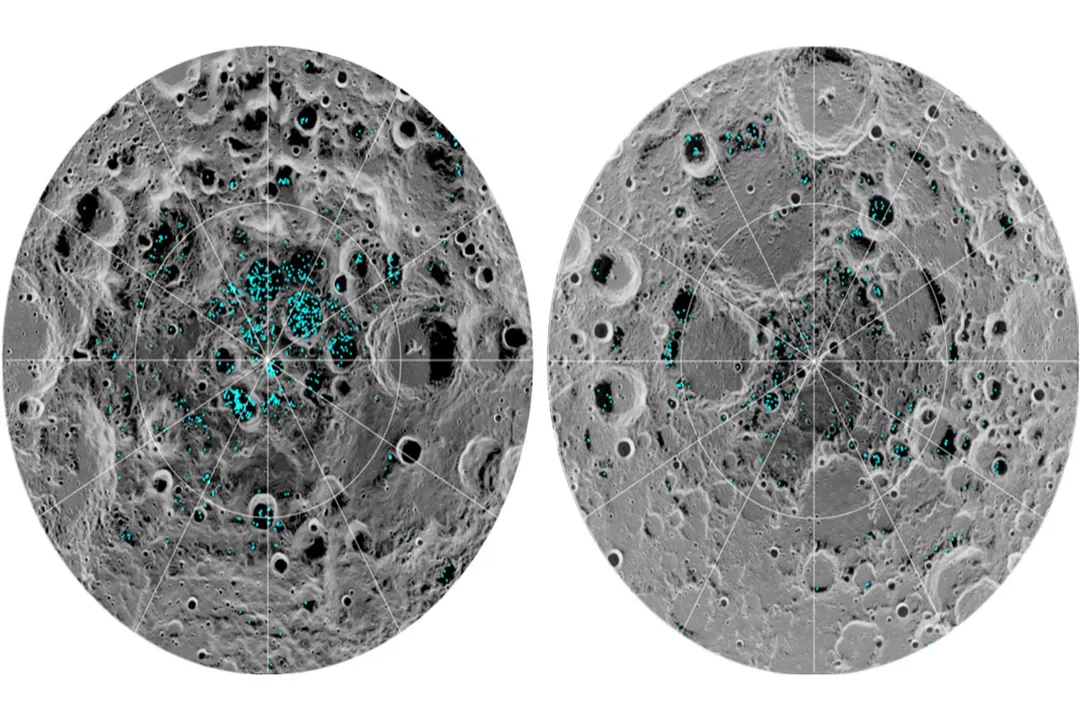
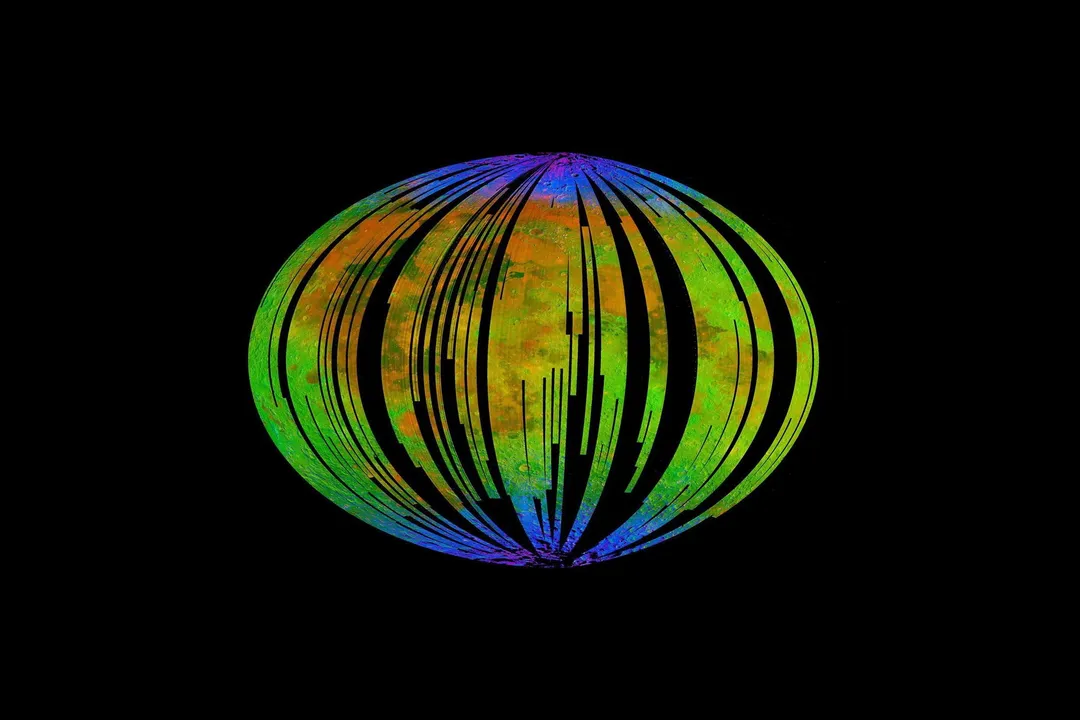
The most significant finding cementing the south pole's importance is the confirmed presence of water ice tucked away in areas that have never seen sunlight. [1][2] Data gathered by orbiters has strongly indicated that water exists in the form of ice mixed with the lunar regolith within these shadowed craters. [2] This isn't just a trace amount; this water resource could be vital for supporting long-term human outposts. [1]
The true value proposition isn't solely the existence of the water, but its accessibility relative to the extreme cold that preserves it. If the ice is located deep beneath thick layers of sun-baked dust, the required energy input for excavation and purification could significantly complicate early mission planning. The ideal scenario, and the one missions are targeting, involves near-surface ice deposits that minimize the energy budget needed for extraction. [1][2]
# Shadowed Craters
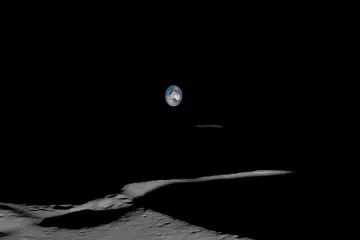
The reason this ice is sequestered in the south pole involves the unique geometry of the lunar surface there. [2][4] Unlike equatorial regions, the Sun hangs very low on the horizon at the lunar poles, causing some craters to be perpetually shaded. [4] These Permanently Shadowed Regions (PSRs) are some of the coldest spots in the entire Solar System, with temperatures plummeting below -163 degrees Celsius. [2]
In these permanently dark environments, volatile compounds delivered over billions of years by impacting comets and asteroids—including water—are trapped like specimens in a natural deep freeze. [2] They have remained chemically unchanged for eons, offering a pristine record of the chemical delivery history to the inner Solar System. [4] This contrast between the extreme cold on the crater floors and the relatively constant sunlight on the peaks nearby creates a dual environment offering both ideal power generation sites and resource reservoirs. [4]
# Resource Potential
The ability to in situ resource utilization (ISRU) transforms the equation for sustained lunar habitation and travel beyond the Moon. [5] Water ice, once mined, can be processed to yield essential components for survival and propulsion. [1]
The process involves electrolysis, splitting the molecules into breathable oxygen () for astronauts and hydrogen (). [1][5] Both oxygen and hydrogen are the core components of cryogenic rocket propellant. [2] By establishing a fuel depot at the lunar south pole, missions heading further into space—perhaps to Mars or beyond—would not need to launch all their necessary propellant from Earth's deep gravity well. [5] This dramatically lowers the cost and complexity of deep space missions, effectively making the Moon a crucial waystation. [5]
A practical way to view this shift is through a comparative lens. If Earth-launched propellant costs $10,000 per kilogram to reach Low Earth Orbit (LEO), launching that same kilogram to the Moon, and then further to Mars, multiplies that cost exponentially. If we can produce propellant on the Moon using local ice, the cost associated with that mass penalty drops drastically, allowing missions to carry more scientific instruments or crew supplies instead. [5]
# Scientific Value
Beyond the practical applications for colonization and propulsion, the south pole represents a scientific treasure trove. [2] The PSRs act as cold traps for volatiles, preserving a chemical record that spans billions of years. [4] Analyzing the composition of this ancient ice allows scientists to reconstruct the bombardment history of the Moon and gain insight into how water may have arrived on Earth and other inner planets. [2]
Furthermore, the scientific investigation of these unique thermal environments itself presents a challenge. Understanding how materials behave and interact at the extremely low temperatures found in the PSRs provides data that cannot easily be replicated in terrestrial laboratories. [2] This environment is an authentic planetary cold storage unit. [4]
# Mission Focus
The strategic importance of the south pole has directly dictated international space policy and mission planning. [6] NASA’s Artemis program explicitly targets this area for its initial crewed landings precisely because of the potential for accessible water ice. [6] The goal is to establish a sustainable long-term presence, and water is the cornerstone of sustainability. [1][6]
Recent mission successes underscore the growing capability to operate in this difficult region. For instance, the Indian Space Research Organisation’s (ISRO) Chandrayaan-3 mission successfully executed a soft landing very close to the south pole, marking a major international milestone. [8][9] This achievement demonstrated that the topographical and engineering challenges associated with landing in this region—which includes navigating steep slopes and managing extreme thermal gradients—are surmountable with current technology. [9] The success of landings like Chandrayaan-3 near the south pole offers crucial, real-world data on surface roughness and thermal conditions, which complements the remote sensing data gathered by orbital probes. Proving operational capability in this challenging south polar terrain is as important as finding the ice itself. [9]
# Illumination Contrast
A defining feature of the lunar south pole, which feeds into both science and operations, is the stark difference in light levels across short distances. [4] While the crater floors remain in shadow, the rims of certain craters, or peaks extending high enough above the floor, experience near-constant sunlight. [4] This continuous illumination means that solar power arrays placed on these high points could generate power around the clock, mitigating the need for massive, complex battery storage required for longer nighttime periods experienced at equatorial landing sites. [4] An effective base design would likely involve linking a high-peak solar array to a shadowed crater floor where the water ice is located, creating a self-sufficient energy and resource cycle. [4] This juxtaposition of constant light and eternal dark makes the south pole a unique engineering landscape.
Related Questions
#Citations
Why is the moon's south pole so important? | World Economic Forum
Moon's South Pole is Full of Mystery, Science, Intrigue - NASA
Exploring the Moon's South Pole: A Gateway to the Future of Lunar ...
#753: Why is the Moon's South Pole So Interesting? | Astronomy Cast
Why is the South Pole of the Moon a game-changer for space ...
Why NASA is targeting the Moon's south pole for Artemis
Lure of the Lunar South Pole - Raksha Anirveda
ELI5 why is it so impressive that India landed on the South side of ...
Exploring the lunar south pole: lessons from Chandrayaan-3