Which planet is most likely to be terraformed?
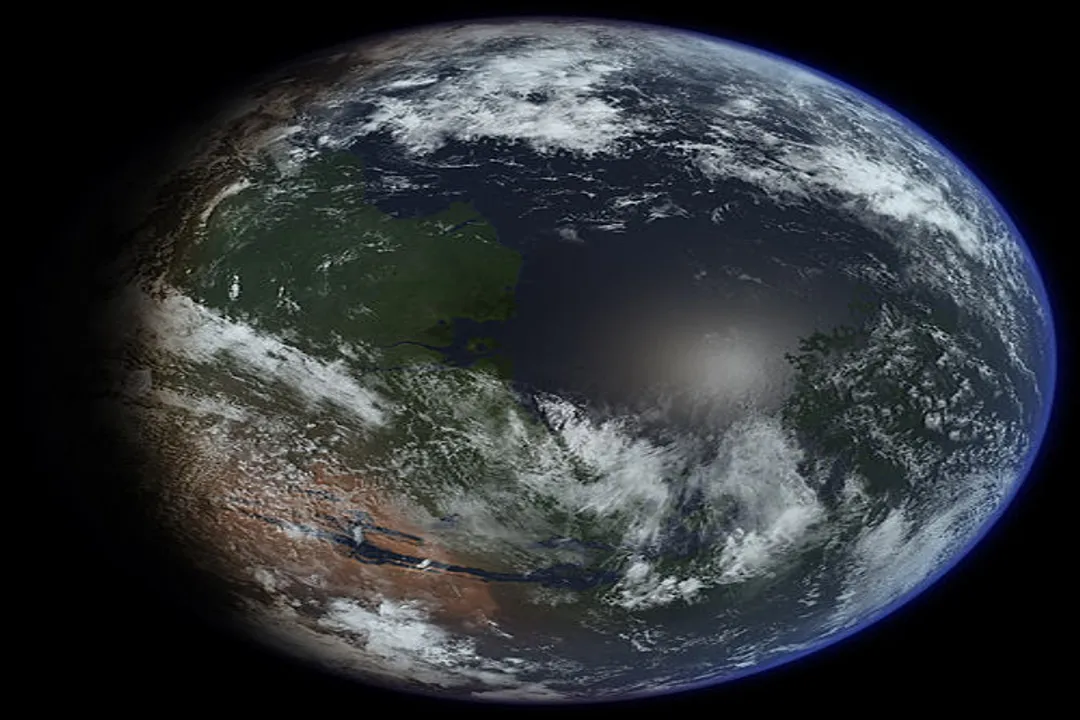
The sheer concept of terraforming—the massive, multigenerational project of reshaping a lifeless world to sustain Earth life—captures the imagination unlike almost any other human endeavor. It is the ultimate exercise in planetary engineering, transforming a hostile environment to be similar to our own, making it habitable for people. [2] This ambition is not new; Carl Sagan explored the planetary engineering of Venus as early as 1961, decades after Jack Williamson coined the term in 1942. [2]
While the aspiration is grand, the reality is a complex calculus of deficiencies and assets. Which celestial body is the most feasible target? Feasibility, in this context, means requiring the least resources, the fewest impossible technological leaps, and the shortest timescale to achieve a truly open, Earth-like ecosystem. [3] In our solar system, the discussion inevitably centers on the Red Planet, Mars, and its scorching, dense-aired neighbor, Venus, with various icy moons trailing as tertiary considerations. [1]
# Mars Favoritism
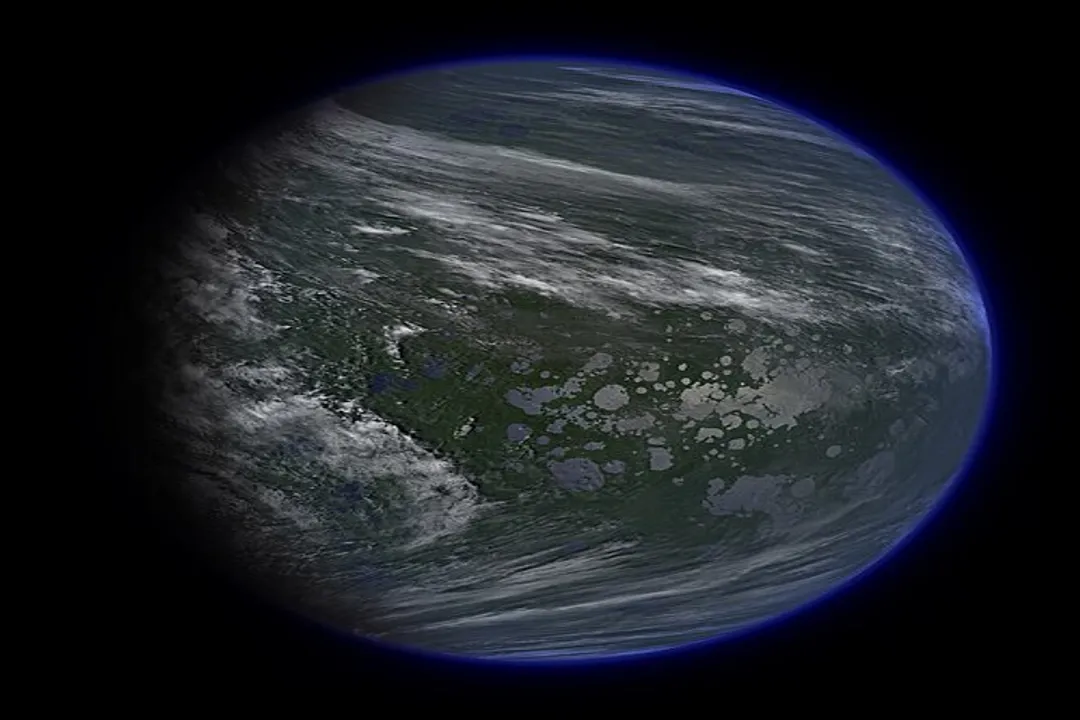
Mars consistently rises to the top of the list. It boasts several characteristics that give it a significant head start over its planetary counterparts. It experiences seasons akin to Earth's, its day-night cycle is extremely close to our own, and most crucially, it possesses abundant frozen water at its poles and beneath its surface. [1] Furthermore, Mars orbits within the Sun's habitable zone, meaning that if an atmosphere could be established, surface liquid water would be thermodynamically possible. [1][2]
However, Mars presents a single, terrifyingly large obstacle: the absence of a global magnetic field, or magnetosphere. [1] Earth’s magnetic field, generated by its active core, shields us from the constant bombardment of solar wind—a stream of high-energy particles from the Sun. [1] Without this envelope of shielding magnetism, any atmosphere laboriously built up over centuries would be stripped away into space, much like what is believed to have happened to the planet’s original thick atmosphere. [1][2] Current estimates suggest Mars loses between one and two kilograms of gas every second due to this stripping effect. [1]
Proposals to create a habitable atmosphere—such as Elon Musk’s idea of vaporizing the polar ice caps to release trapped as a greenhouse gas—are rendered useless long-term without solving the magnetic problem first. [1] The leading conceptual solution for this is an incredible feat of orbital engineering: placing a gigantic artificial magnetic shield in the L1 point between Mars and the Sun to deflect the solar wind. [1] Even once protected, a realistic pathway to a full, Earth-pressure atmosphere ( hPa) requires importing massive amounts of volatiles, potentially requiring the transport of material equivalent to kilograms of water and carbon dioxide from the outer Solar System, such as the Kuiper Belt. [2]
The biological work, known as ecopoiesis, would then commence, seeding the world with microbes designed to metabolize and begin oxygen production. [2] DARPA has even researched creating genetically engineered organisms specifically tailored for Martian conditions. [2] This requires developing a suite of microbes, not just one, to handle radiation and drought resistance before plants can even be considered. [2]
# The Venusian Crucible
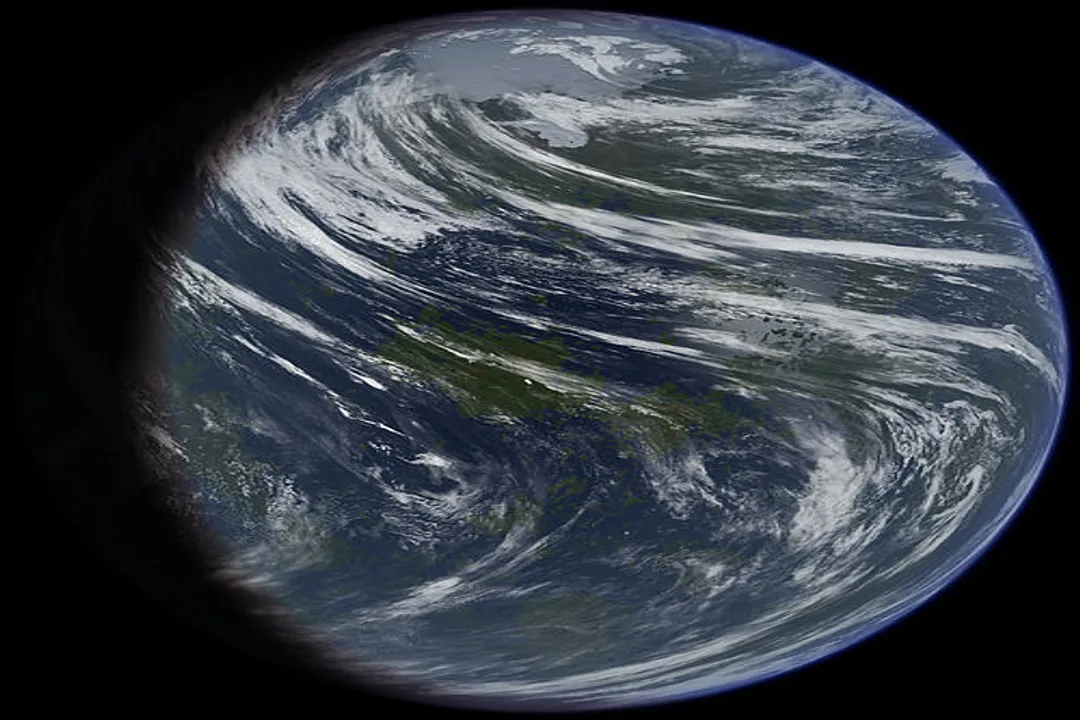
Venus represents the opposite end of the spectrum: it has too much atmosphere and too much heat. The surface temperature hovers around a searing , and the atmosphere is over 90 times denser than Earth's, consisting primarily of carbon dioxide. [1] This density creates surface pressures equivalent to being nearly a kilometer deep in the ocean. [2]
If Mars suffers from atmospheric deficit, Venus suffers from atmospheric excess, which drives a runaway greenhouse effect. The main terraforming challenge here is the rapid and sustained removal of this immense blanket. [1] Early ideas from Carl Sagan suggested using algae in the upper atmosphere to photosynthesize the , but later discoveries revealed the atmosphere is too thick and the resulting high-pressure oxygen would combust with any sequestered carbon, short-circuiting the entire process. [2] Modern suggestions involve using autonomous robots to trigger chemical reactions on the surface, binding the into carbonate rocks, supplemented by asteroid mining to provide the necessary calcium and magnesium. [1]
While the surface is hellish, Venus does have one compelling argument in its favor: gravity. At about 90 percent of Earth's gravity, it is far closer to our standard than Mars's $38$ percent. [1] This higher gravity is a significant factor for long-term human health, preventing the severe muscle and bone atrophy associated with lower gravity environments. [1] Even if full terraforming proves too difficult, the concept of building floating cities high in the Venusian clouds, where temperatures and pressures are far more benign, remains a less far-fetched technological alternative. [1]
# The Gravity Debt and Magnetic Necessity
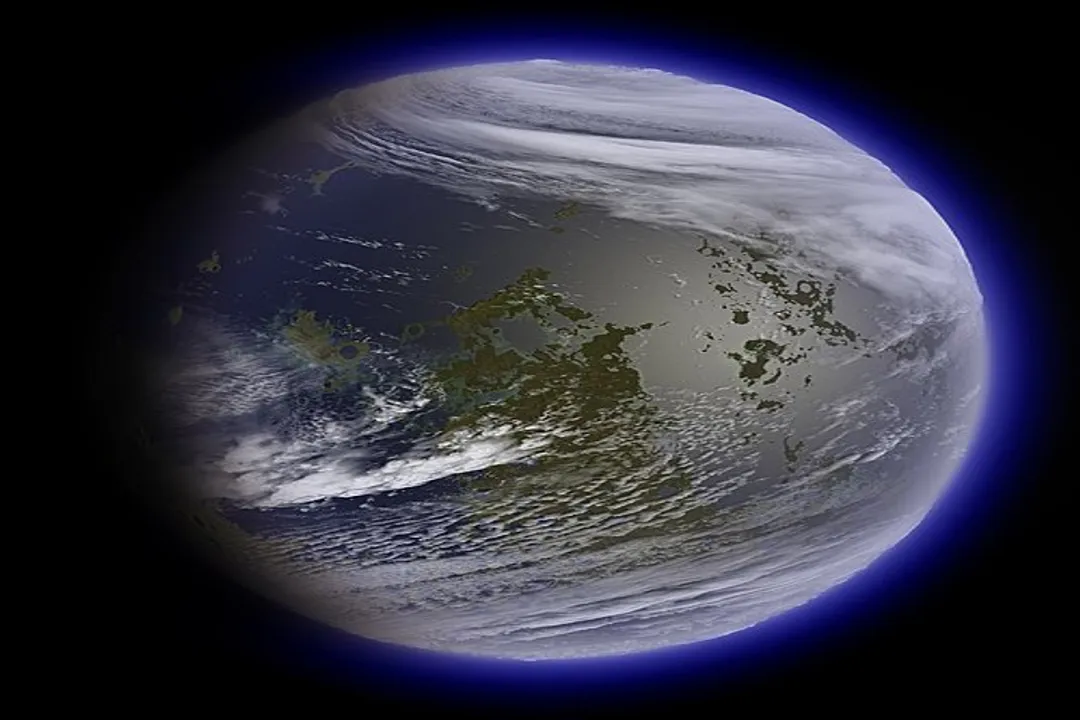
When comparing candidates, the greatest physical parameters that define habitability—temperature, water, and atmosphere—are all potentially solvable through energy input and material transport. However, two factors stand out as requiring entirely different scales of intervention: gravity and a global magnetic field. [2][3]
For Mars, the gravity is low, and the magnetic field is gone. [1] For the Moon, gravity is even lower (one-sixth of Earth's), ensuring any atmosphere is lost over geological time, though it may persist long enough to matter for human generations. [2][3] For Venus, the gravity is excellent, but the atmosphere is crushingly heavy. [1]
This frames a critical original consideration: the Gravity Debt. Terraforming Mars requires either accepting a permanent low-gravity environment or finding a way to increase the planet's mass substantially—an engineering problem arguably far more resource-intensive than modifying the atmosphere or installing an orbital shield. [3] Conversely, Venus requires the removal of mass, which, while chemically challenging, avoids the fundamental problem of building up a massive celestial body. For a truly Earth-like experience, one must address both the magnetic shield and the gravitational pull, which is why many analyses conclude that Mars needs an artificial magnetic field to keep its future atmosphere, while the Moon loses any atmosphere it gains over time due to its low escape velocity. [1][2] A large artificial magnetosphere for Mars is a physics challenge; increasing Mars's mass is a physics challenge bordering on the impossible with current aspirations. [3]
# Icy Moons and Vast Oceans
Beyond the inner planets lie the massive icy moons of the outer giants. Moons like Callisto, Ganymede, and Europa contain enormous stores of water, which simplifies one of the key requirements for habitability. [1][2]
Jupiter’s Galilean moons pose a serious radiation problem. Europa and Ganymede are subjected to intense radiation belts, receiving daily doses far exceeding human tolerance. [1] Callisto is the outlier, positioned far enough away to experience radiation levels ( rem/day) that humans can tolerate. [1] The process there would involve heating the ice to create water vapor, allowing Jupiter’s environment to split the water () into hydrogen (lost to space) and oxygen (retained). [1] Bacteria could then be introduced to convert the moon’s ammonia into nitrogen, completing a breathable atmosphere. [1]
Saturn’s moon Titan is uniquely appealing due to its nitrogen-rich atmosphere, which already resembles a primordial Earth atmosphere, and its massive stores of hydrocarbons. [1] Warming Titan via orbital mirrors would release greenhouse gases, leading to water vapor and subsequent oxygenation. [1] Critically, Titan benefits from being mostly within Saturn's magnetosphere, offering some protection from solar wind. [1] However, if all that ice melted, the resulting ocean would be thousands of kilometers deep, presenting significant infrastructural difficulties for any surface-bound settlement. [1] Moreover, the high concentration of organic chemicals on Titan raises the ethical question of whether we risk disrupting existing, albeit exotic, extraterrestrial life. [1]
# The Limits of True Terraforming
The scientific community often differentiates between truly reshaping a world (terraforming) and creating localized, contained habitats, sometimes termed paraterraforming. [2] True terraforming demands the creation of an open planetary ecosystem that mimics Earth’s functions, a goal that may take hundreds or even thousands of years. [1][2]
The economic realities inject a layer of pessimism. As one source notes, the prevailing economic attitude favors short-term profits over the massive, multi-century investment a terraforming project requires. [2] This financial hurdle suggests that near-term human expansion will rely on artificial enclosures, such as pressurized domes over large lunar craters, which require vastly less effort than warming an entire planet. [3] The Moon, despite its gravity-induced atmospheric leakage problem, is often cited as the most plausible first step toward an "outdoors-like" environment, simply because the cost for a large, enclosed habitat is comparatively small. [3]
Furthermore, there is the ethical dimension. Is it morally permissible to overwrite an existing, sterile environment, or potentially extinguish nascent alien life, for human survival? Philosophically, some argue that humanity has a moral obligation to expand life, while others caution that our track record on Earth suggests we might simply repeat our destructive patterns elsewhere. [2] This tension between the imperative to ensure species survival and the intrinsic value of pristine worlds remains unresolved. [2]
# A New Vision: Synthetic Biology and Adaptation
The difficulty of meeting Earth's complex physicochemical requirements—liquid water, proper temperature, radiation shielding, and atmospheric chemistry—pushes research toward alternatives. [2] The rise of synthetic biology provides a novel avenue, focusing on Ecopoiesis—the engineering of a sustainable ecosystem from scratch. [2] Instead of waiting for the planet to change, we design organisms—bacteria, algae, and plants—that are pre-adapted to the target world's specific stresses, like Martian cold or high radiation. [2]
This leads to another crucial divergence in thought: if changing the planet is too hard, perhaps we should change ourselves. This concept, known as pantropy, suggests using genetic engineering, biotechnology, and cybernetics to adapt the human body to alien environments—engineering lungs for low oxygen or creating exoskeletons for high pressure. [2] For environments like Mars, where low gravity and radiation remain major issues, pantropy offers a way to circumvent the need for perfect atmospheric replication. [2] If the primary barrier for humans on Mars is physiological rather than solely environmental, pantropy might offer a faster route to "habitability" than waiting millennia for a fully green planet. [2]
Ultimately, the answer to which planet is most likely to be terraformed rests on which technological challenge yields first. Mars is the closest approximation, requiring the fix of its magnetic shield and the importation of mass. Venus requires the unprecedented removal of a super-dense atmosphere. Until one of these core physics or engineering bottlenecks is shattered, the most likely scenario for human expansion will remain within enclosed, self-sustaining habitats, perhaps on the Moon, serving as a training ground for the eventual, centuries-long reshaping of our neighbors. [3] The sheer commitment needed—economically, politically, and generationally—means that the most likely candidate is simply the one whose primary roadblock aligns best with the next century's achievable engineering breakthroughs.
Related Questions
#Citations
Terraforming - Wikipedia
Top 4 candidates in our solar system for terraforming - Big Think
Which planet or moon would be most feasible to terraform? [closed]