Which of these galaxies is likely to contain the most gas and dust?
When observing the night sky, galaxies appear as distant smudges of light, but their internal composition tells a story of age, evolution, and future potential. When determining which galaxies contain the most gas and dust, we are essentially looking at the difference between "active" star-forming systems and "quiet" ancient ones. Scientists classify galaxies primarily by their shape, which serves as a reliable indicator of their gas content and star-forming capabilities. [2][6]
# Galactic classification
To identify which galaxy is likely to contain the most gas and dust, we must first distinguish between the three primary categories: spirals, ellipticals, and irregulars. This classification, originally popularized by Edwin Hubble, helps astronomers estimate the interstellar medium (ISM) present within these structures. [2] The interstellar medium consists of the gas (mostly hydrogen and helium) and microscopic dust particles that occupy the space between stars. This raw material is the fuel required to create new stars. [5][6]
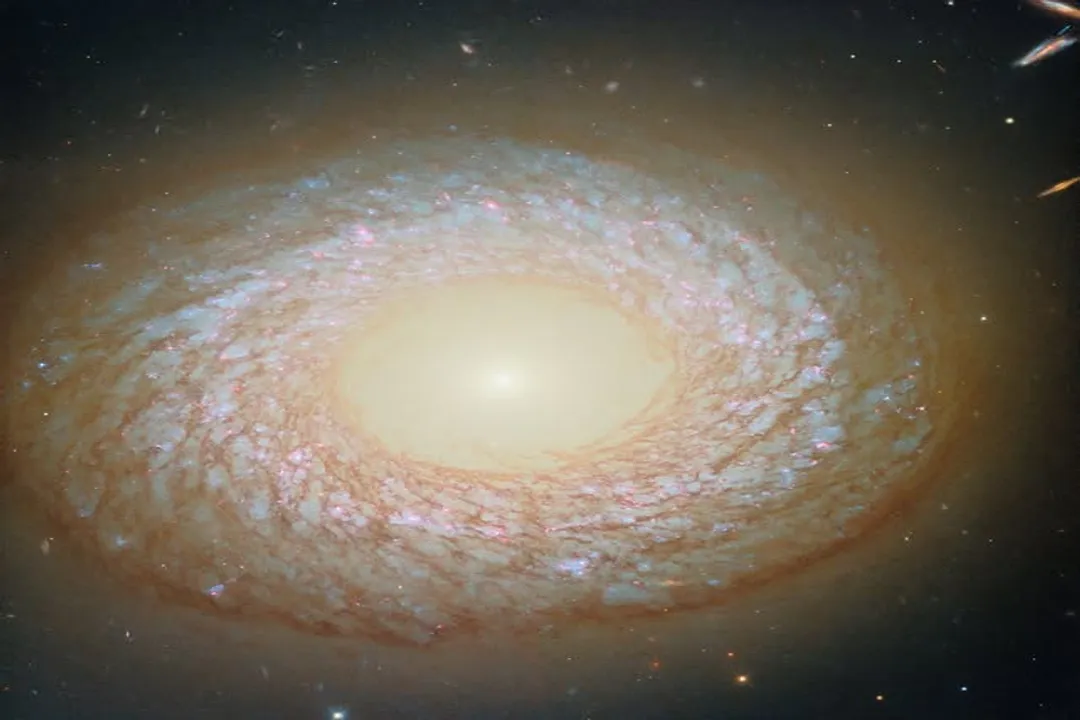
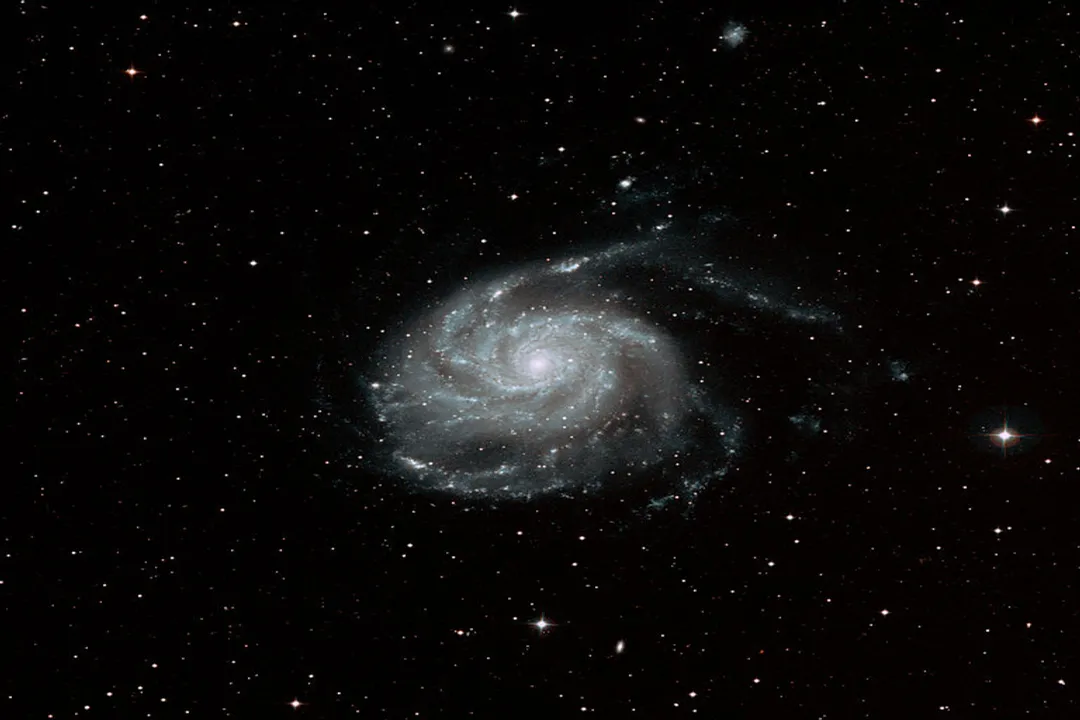
Spiral galaxies, characterized by their flattened, rotating disks and sweeping arms, are consistently the most gas-rich. These systems are dynamic environments where gravity constantly pulls material together to ignite new star formation. Elliptical galaxies, conversely, are typically smooth, featureless spheres or ovals containing mostly old, aging stars. They are essentially the "retirement homes" of the universe, having exhausted most of their gas or lost it through galactic interactions. [2][3]
# Spiral features
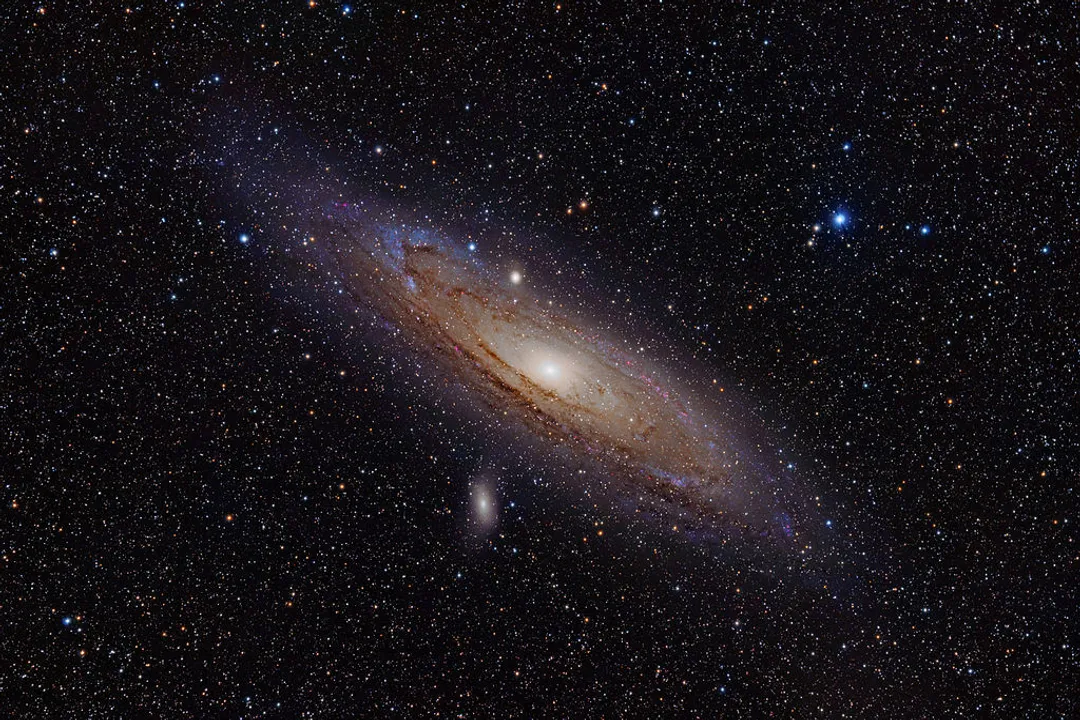
Spiral galaxies are the heavyweights when it comes to gas and dust content. If you were comparing a typical spiral galaxy like our own Milky Way or the Andromeda Galaxy to an elliptical one, the spiral would almost certainly contain significantly more gas and dust. [3][5] This is because spiral galaxies have not converted all their available material into stars.
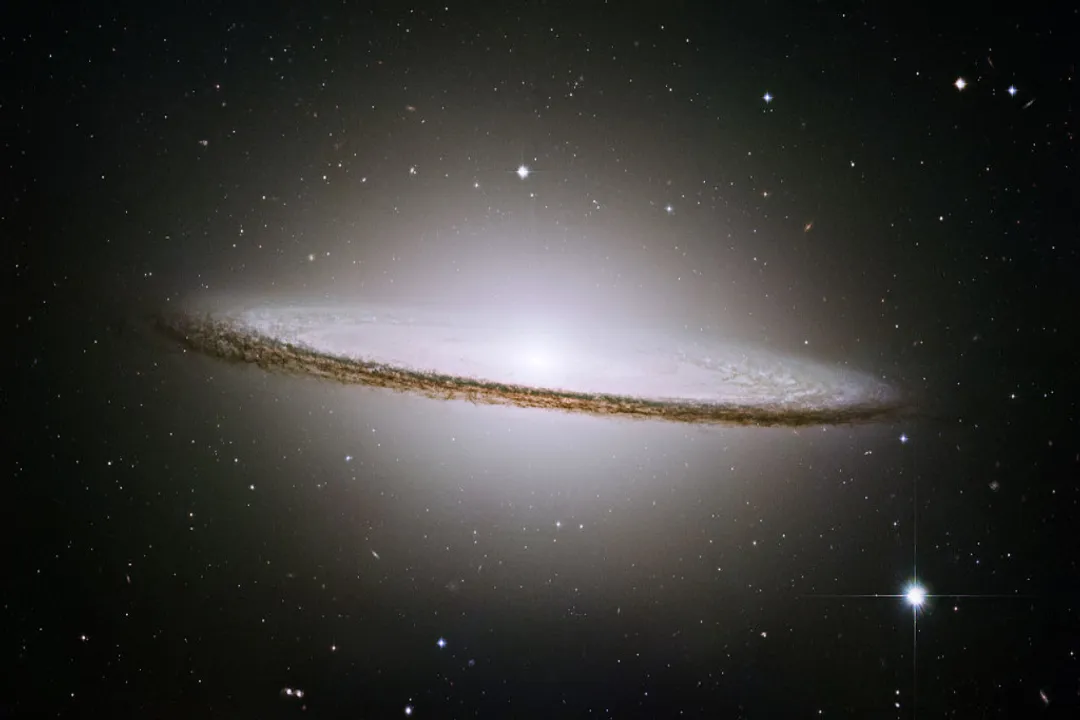
The spiral arms themselves are regions of increased density where gas and dust are compressed. This compression triggers gravitational collapse, leading to the birth of hot, bright, young stars. Because these young stars appear blue, spiral galaxies often have a distinct blue tint in regions of active star formation. [6] The presence of this gas is visible not just in radio telescopes that detect neutral hydrogen, but also in the dark, obscuring lanes of dust visible in high-resolution photographs. [5]
A critical factor here is the rate of consumption. In a spiral galaxy, the gas is constantly being recycled. When massive stars reach the end of their lives, they explode in supernovae, ejecting heavy elements and gas back into the interstellar medium. This "galactic recycling" allows spiral galaxies to sustain star formation over billions of years. [6]
# Elliptical characteristics
Elliptical galaxies occupy the opposite end of the spectrum. They contain very little gas and dust. [3][4] By examining the light from these galaxies, astronomers see a dominance of red and yellow stars, which are typically older, lower-mass stars that have been around for a long time. [2] Because there is almost no gas or dust to act as fuel for new stars, the star-formation process has largely ceased. [3]
Why do they lack gas? There are two main theories. First, elliptical galaxies are often the result of galaxy mergers. When two spiral galaxies collide, the intense gravitational forces and sudden bursts of star formation can consume the remaining gas very quickly. Second, the chaotic environment of a merger can strip gas away or heat it to such high temperatures that it cannot clump together to form new stars. [7]
If you find a question asking to identify the galaxy with the most gas, and the choices are "Spiral" and "Elliptical," the answer is almost always the spiral galaxy. [1][8]
# Irregular galaxies
While spiral galaxies are known for having plenty of gas, irregular galaxies are often the hidden champions of this category. These galaxies lack a distinct shape and do not fit into the spiral or elliptical categories. Many dwarf irregular galaxies are incredibly rich in gas. [2] Because they have not undergone the massive, transformative events that turn galaxies into smooth ellipticals, they often retain huge reservoirs of pristine hydrogen gas.
If an irregular galaxy is included in a list of choices regarding gas content, it is worth a second look. Some irregular galaxies have higher gas-to-star ratios than even the most active spiral galaxies. They are essentially galactic construction sites that have yet to organize themselves into a coherent disk structure. [2]
# Comparative summary
Understanding the gas content of these structures helps us track the lifecycle of the universe. The following table provides a quick reference for these galactic types and their typical compositions.
| Galaxy Type | Gas/Dust Content | Star Formation | Typical Age/Color |
|---|---|---|---|
| Spiral | High | Active | Young/Blue |
| Elliptical | Very Low | Minimal | Old/Red |
| Irregular | High | Very Active | Variable |
This data highlights that the presence of gas is a direct driver of the galaxy's appearance. The more gas a galaxy has, the more "active" it appears to the observer. [2][5]
# The galactic budget
To better visualize how this works, consider the concept of a "galactic gas budget." Think of a galaxy's gas reservoir as a bank account. A spiral galaxy is like a functioning business that is constantly spending money (gas) on new projects (stars) but also earning money (recycling gas from supernovae). It maintains a healthy balance, keeping enough in the account to continue operating for billions of years.
An elliptical galaxy, however, acts like a bank account that has been completely drained. It spent all its capital during a period of aggressive, early investment—likely a massive starburst event caused by a collision or a rapid evolutionary phase—and now it simply sits with the balance of what remains. It has no new income of gas, and therefore, it cannot launch any new star-forming "projects". [7]
This perspective clarifies why we see such a sharp divide between the two. When we see a bright, vibrant galaxy, we are looking at a system with a healthy, active gas budget. When we see a dim, reddish, elliptical blob, we are looking at a system that has long since declared "star-formation bankruptcy". [6]
# Visual identification tips
For those looking at telescope images or astronomy data, you can often estimate the gas content without knowing the specific name of the galaxy. Here are two indicators to look for:
- Dust lanes: Look for dark, thread-like structures that obscure the background light. These are clouds of dust. If you see these dark, silhouette-like patches, you are looking at a galaxy with a significant amount of interstellar matter. [5]
- Color gradients: A galaxy that looks slightly blue or has patches of blue light is rich in young, massive stars. Because these stars live short lives, their presence proves that the galaxy is actively forming them right now, which requires a ready supply of gas. [6]
Conversely, if a galaxy appears uniformly yellow or reddish and lacks distinct dust lanes, it is likely gas-poor. This visual method is how early astronomers began to understand the differences between these types before we had sophisticated radio telescopes to measure the hydrogen gas directly. [4]
# Collision effects
It is interesting to note that galaxy interactions, such as the one occurring between the Milky Way and the Andromeda Galaxy, can fundamentally alter gas content. While we often think of galaxies as static objects, they are constantly evolving. A collision can trigger a temporary spike in star formation—a "starburst" phase—which actually consumes gas at a rapid rate. [7]
If a galaxy is currently in the middle of a merger, it might appear to have a chaotic, irregular shape. During this time, the gas and dust are being compressed, leading to a brilliant display of new stars. However, once the merger is complete, the galaxy often settles into an elliptical shape, having burned through its gas reserves. This transition explains why older, more massive elliptical galaxies are found in dense clusters where galaxy interactions have been frequent over cosmic time. [2][9]
Understanding which galaxies contain gas is not just about memorizing types; it is about recognizing the phase of life each galaxy is in. The spiral and irregular galaxies are the teenagers and young adults of the cosmos—energetic, resource-rich, and constantly changing. The elliptical galaxies are the elders, having exhausted their fuel and settled into a permanent state of rest. [6] Regardless of the specific galaxy, the presence of gas remains the primary arbiter of whether that system is a place of creation or merely a quiet repository of ancient history.


Related Questions
#Citations
Which galaxies contain large amounts of gas and dust and many ...
Types of Galaxies | Physical Geography - Lumen Learning
Do elliptical galaxies contain a lot of gas and dust? - Quora
Unit 14 Quiz Flashcards - Quizlet
Types of Galaxies | NASA Space Place – NASA Science for Kids
Galaxies | Cool Cosmos - Caltech
The Gas/Dust Ratio in Spiral Galaxies - NASA ADS
Some galaxies are more puzzling than others That's exactly the case ...