What is happening with the Moon today?
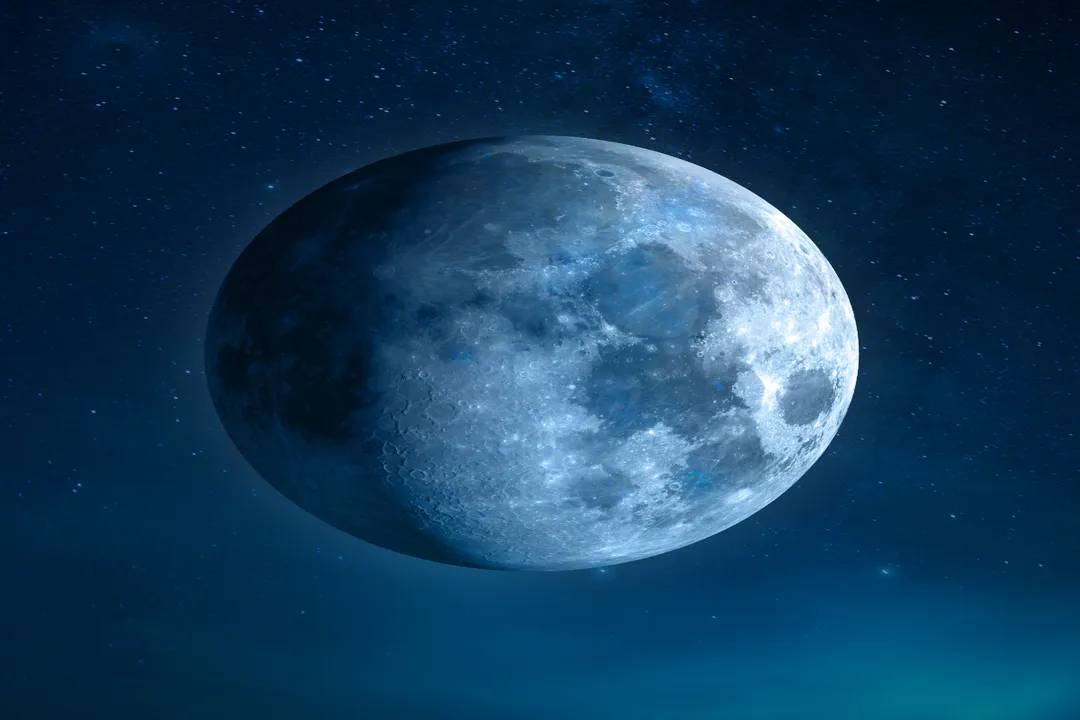
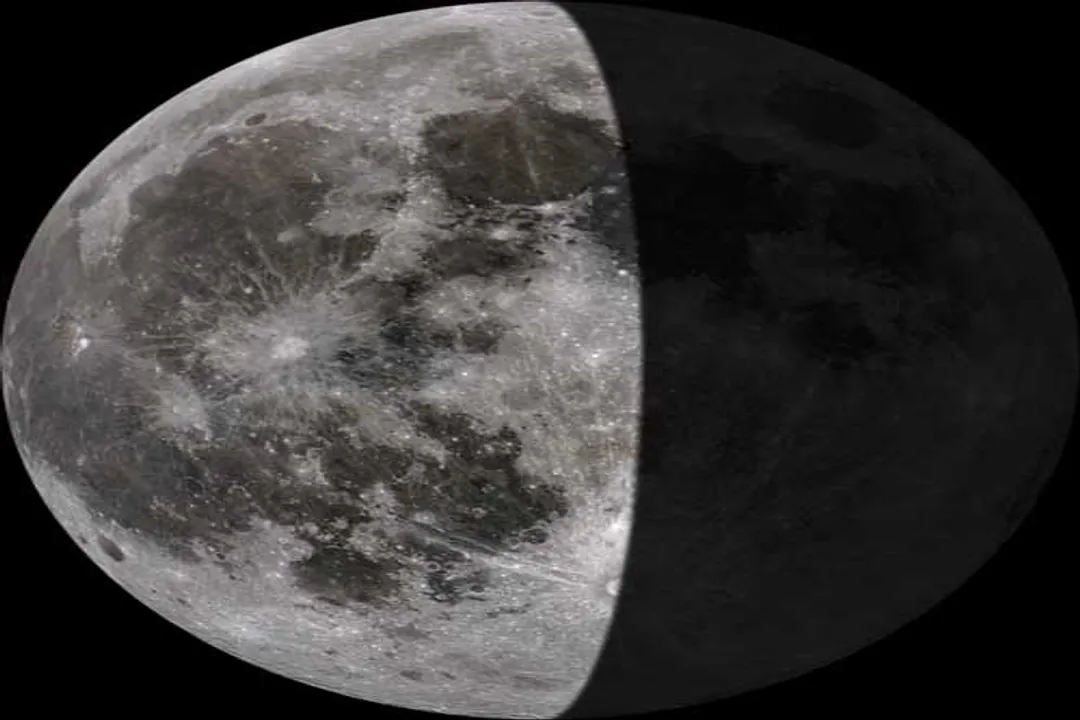
The Moon remains one of the most reliable timekeepers in the sky, serving as a constant indicator of our position within the solar system. On this day, April 9, 2026, the Moon is transitioning through its Waning Gibbous phase. [1][3] This specific phase means the lunar surface appears more than half illuminated but is steadily losing light as the days progress, heading toward the Last Quarter. [2][5] Because the Moon has already passed its full brightness, it now rises later in the night and sets during the daylight hours, making it a prominent feature in the early morning sky. [6]
Tracking the Moon is not just a hobby for astronomers; it is a way to understand the immediate cosmic environment. The light you see reflecting off the lunar surface is sunlight, and the changing shapes are merely a result of the changing geometry between the Sun, the Earth, and the Moon as they move in orbit. [5]
# Current Phase
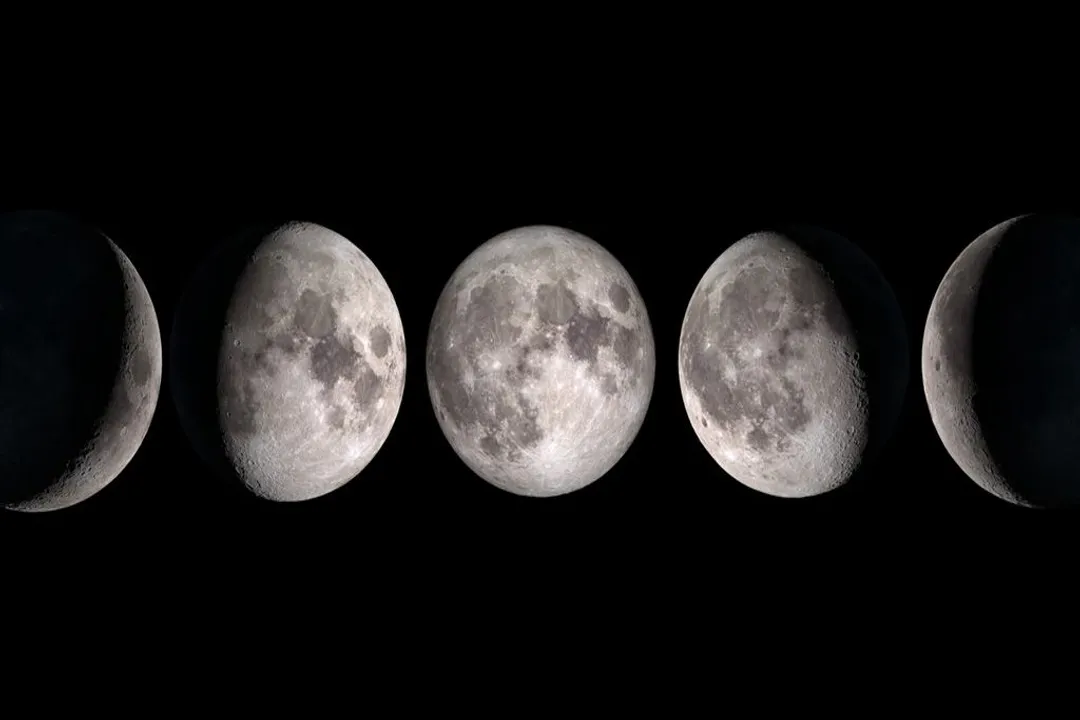
The Waning Gibbous phase sits between the Full Moon and the Last Quarter. In this stage, the bright portion of the Moon is decreasing each night. [2] When you look up tonight, you will notice the illumination on the left side (if you are in the Northern Hemisphere) or the right side (if you are in the Southern Hemisphere) is shrinking as the shadow creeps across the craters and maria. [7]
Understanding the phase helps in predicting when the Moon will appear. Since it is currently waning, it is rising later each night. Instead of appearing at sunset, a Waning Gibbous moon typically rises a few hours after the sun goes down and remains visible well into the morning after sunrise. [6]
# Lunar Mechanics
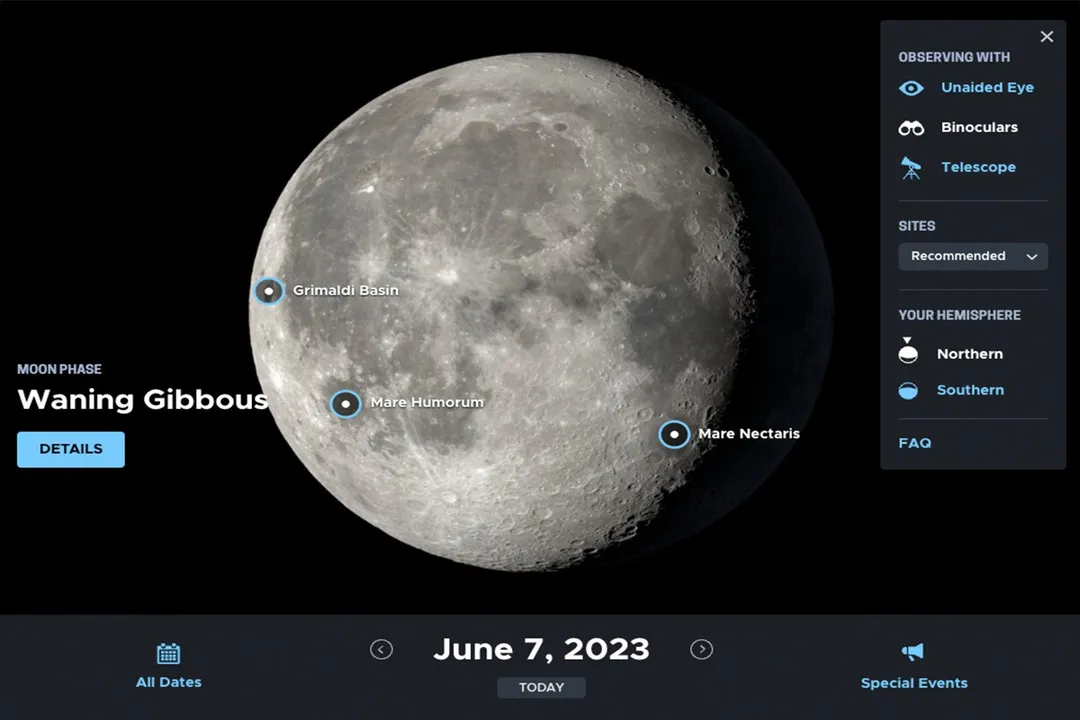
The changing phases of the Moon are determined by its position relative to the Sun and the Earth. As the Moon orbits our planet, different portions of its sunlit side are visible from Earth. [5] The cycle repeats every 29.5 days, a period known as the synodic month. [2] This cycle includes the following primary states:
| Phase | Illumination | Visibility |
|---|---|---|
| New Moon | 0% | Invisible |
| Waxing Crescent | < 50% | Afternoon/Evening |
| First Quarter | 50% | Noon to Midnight |
| Waxing Gibbous | > 50% | Afternoon/Late Night |
| Full Moon | 100% | Sunset to Sunrise |
| Waning Gibbous | > 50% | Night/Early Morning |
| Last Quarter | 50% | Midnight to Noon |
| Waning Crescent | < 50% | Late Night/Morning |
This progression is consistent and predictable. Because the orbital plane of the Moon is slightly tilted relative to Earth's orbit around the Sun, we do not have an eclipse every month, but we do get this cycle of light that has guided human navigation and agriculture for thousands of years. [5][8]
# Observation Tips
You do not need expensive equipment to appreciate what is happening with the Moon today. In fact, the naked eye provides the most authentic view of the lunar surface details. Here is how to make the most of your viewing experience:
- Dark Adaptation: If you want to see the "dark side" of the Moon—the portion not directly lit by the sun—allow your eyes to adjust to the darkness for at least 20 minutes. This allows you to perceive earthshine, which is sunlight reflected from Earth onto the dark portion of the Moon. [5]
- Avoid Bright Lights: Even with a bright Waning Gibbous moon, local light pollution can wash out the details of the shadow-line, known as the terminator. Move to an area away from streetlights for a sharper view of the craters near the terminator. [8]
- Use Binoculars: If you have a pair of standard binoculars, turn them toward the Moon. You will instantly see the contrast between the dark maria (ancient lava plains) and the lighter, cratered highlands. [7]
# Analyzing Shadows
A practical way to analyze the lunar cycle yourself is to focus on the terminator—the line between the light and dark sides of the Moon. This line is where the sun is just rising or setting on the lunar surface. By observing this specific line night after night, you can actually see the relief of mountains and crater rims.
When the terminator is near the center of the visible disk, as it is during quarter phases, the shadows are longest. These long shadows provide the best definition of lunar geography because they exaggerate the height of topographical features. During the Gibbous phases, the terminator is pushed closer to the edge, making it harder to see depth, but giving you a clear view of the large-scale lunar plains. [7]
# Moonrise Timing
A useful mental calculation for tracking the Moon involves the relationship between the phase and the time of moonrise. You can estimate the rise time based on the phase without checking a calendar app.
- Full Moon: Always rises at approximately sunset.
- First Quarter: Rises at approximately noon.
- Last Quarter: Rises at approximately midnight.
- Waning Gibbous: Rises somewhere between sunset and midnight, getting roughly 50 minutes later each night.
If you are outside in the evening and see the Moon already high in the sky, you know it must be in a waxing phase or near full. If you are up early in the morning and see the Moon, it is almost certainly in a waning phase. This provides a quick, observational clock for anyone spending time outdoors. [6][8]
# Cycle Persistence
The Moon does not speed up or slow down; it maintains a steady, orbital velocity. The reason the Moon appears to "behave" differently from month to month is solely due to the observer's location and the time of year. For instance, the path the Moon takes across the sky is higher in winter and lower in summer for those in the Northern Hemisphere. [6]
By paying attention to the Moon's position relative to stars in the background, you can track its movement across the celestial sphere. Over the course of a single hour, the Moon shifts its position by roughly half a degree—about the width of its own diameter—due to its orbital motion. Watching this shift over a few hours on a clear night is one of the most direct ways to witness orbital mechanics in real-time.
# Surface Details
The Moon’s surface is a record of billions of years of impacts. When looking at the Moon today, notice the difference between the light and dark areas. The dark patches are the "maria," which are low-lying basins filled with ancient basaltic lava. These formed early in the Moon's history when massive asteroids impacted the surface, cracking the crust and allowing magma to rise from the interior. [5]
The lighter areas are the "highlands," which are heavily cratered and represent the older crust of the Moon. These highlands have remained largely unchanged for billions of years because there is no wind, water, or plate tectonics to erode them. When you view these features, you are looking at a geological snapshot of the early solar system. [7]
# Local Impact
While the Moon affects tides here on Earth, it also influences the rhythm of nocturnal wildlife. Animals that rely on moonlight to hunt or navigate have their behavior patterns shifted by the lunar cycle. Since the Moon is currently in a Waning Gibbous phase, the level of light hitting the ground at night is decreasing. This shift changes the "visibility window" for nocturnal predators and prey alike.
If you are an observer of nature, notice how the darkness changes in your backyard. During a Full Moon, the ground is bright enough to cast shadows. As the moon wanes, that ambient light drops significantly, often changing which animals you hear or see in the late-night hours. Tracking this shift is a subtle but rewarding way to connect the astronomical phase to the biological world outside your door. [4]
#Videos
NASA Artemis II moon mission updates as Orion returns to Earth ...
Related Questions
#Citations
Moon Phase for Today and Tonight - Moongiant
What is the moon phase today? Lunar phases 2026 - Space
Moon Phase Today: Waning Gibbous | TheSkyLive
Lunar day for today, moon phase and zodiac sign
NASA's Daily Moon Guide
Moon Phases 2026 – Lunar Calendar for Colorado Springs ...
Moon Phases | Catalina Sky Survey
NASA Artemis II moon mission updates as Orion returns to Earth ...
Moon Phases and Lunar Calendar for Denver, CO | Almanac.com