What do nebulas look like to the human eye?
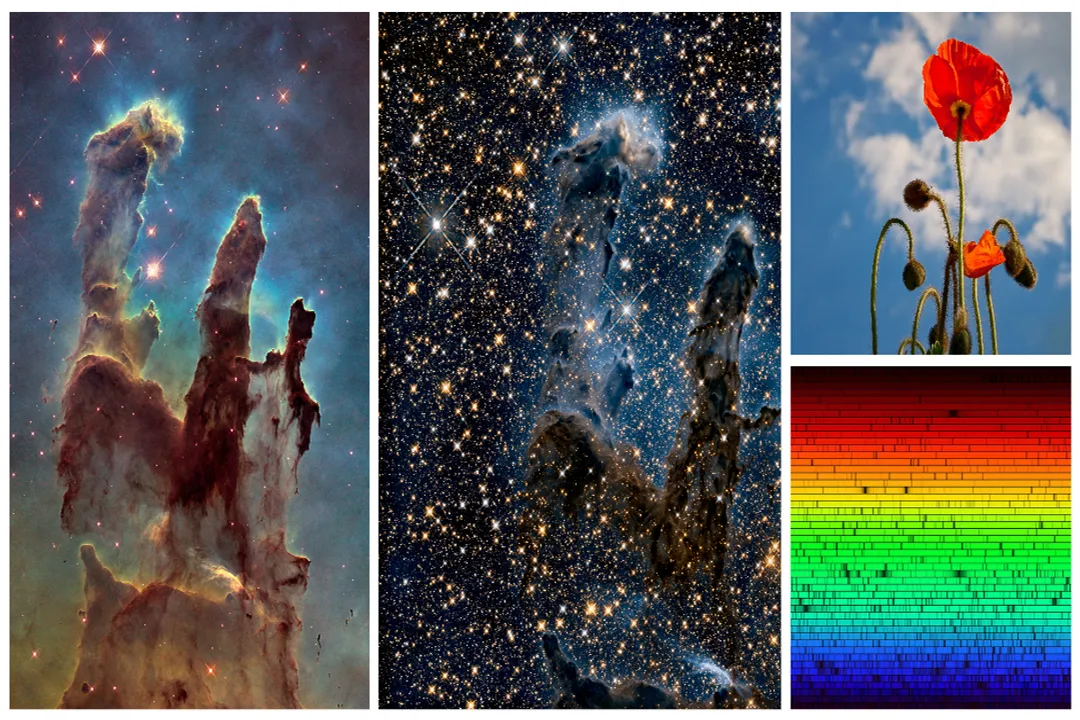
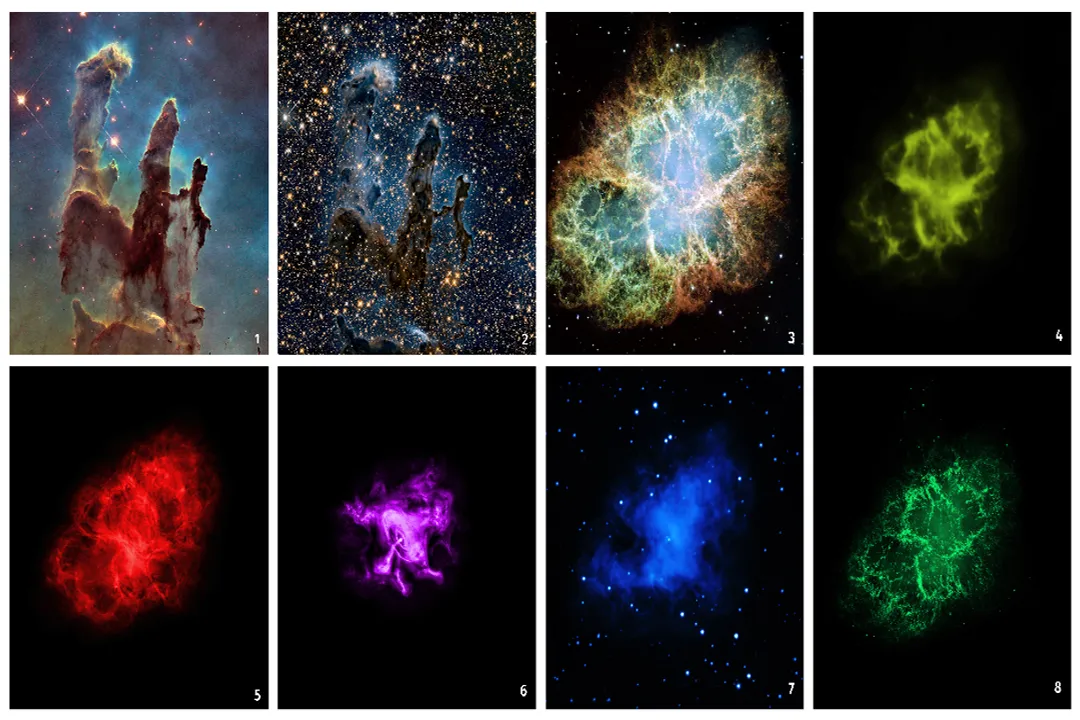
Most of us grow up admiring photographs of space that display vibrant clouds of magenta, electric blue, and glowing gold. [2][6] These images, captured by powerful observatories like the Hubble or James Webb Space Telescope, have set a visual expectation for what the universe looks like. However, if you were to look through an amateur telescope, or even float in a starship near one of these cosmic clouds, the reality would be almost unrecognizable. [9] The visible universe is far more subtle, often consisting of faint, ethereal gray patches rather than the high-contrast art we see in textbooks and media. [4][7]
# Human Vision
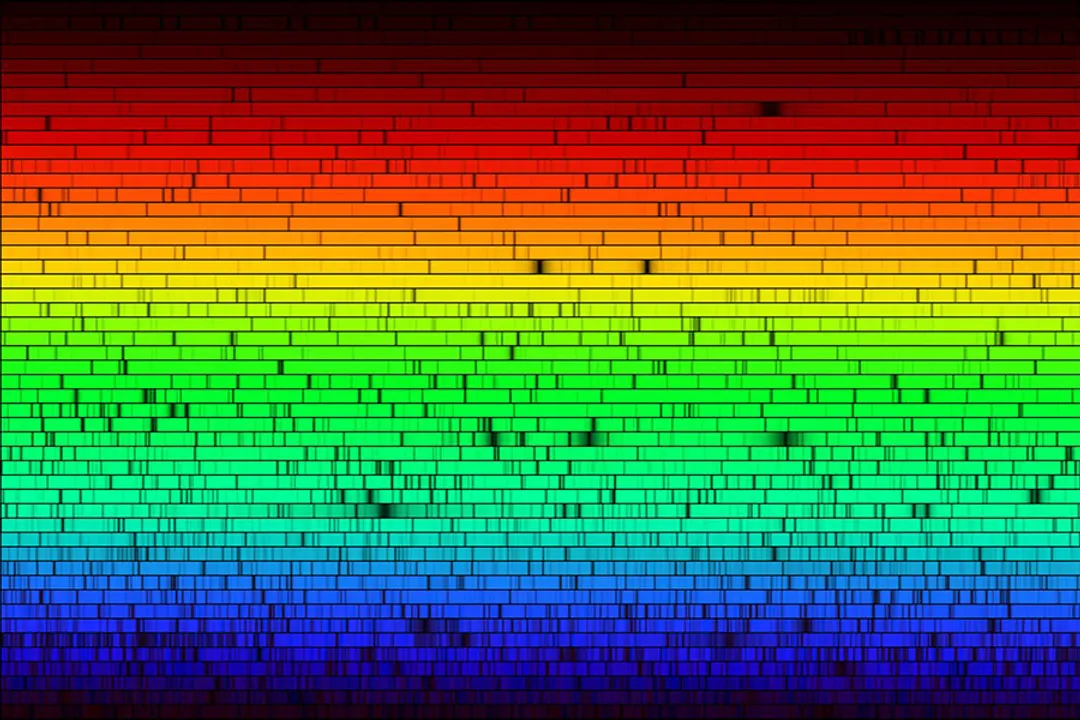
The primary reason for this discrepancy lies in human biology. Our eyes are not long-exposure cameras. [5] In dim environments, such as the night sky, our vision relies heavily on rod cells, which are sensitive to low light but lack the ability to distinguish color. [8] Even when a nebula emits light in wavelengths that our eyes can theoretically detect, the intensity is usually too low to trigger the color-sensitive cone cells. [6]
Because of this, even when looking at relatively bright objects, we perceive them in monochrome or muted shades of gray. [4][7] While experienced observers with large telescopes claim to detect subtle hints of green or red under perfect conditions, this is exceptional. [6][8] It requires dark adaptation, where a person spends significant time in total darkness to allow their eyes to reach maximum sensitivity. Even then, the brain often struggles to pull color out of such faint inputs.
| Feature | Human Eye View | Telescope/Camera View |
|---|---|---|
| Color | Mostly gray, monochrome | Saturated, false-color |
| Exposure | Instantaneous (real-time) | Minutes to hours of accumulation |
| Detail | Faint, smudgy, ethereal | Sharp, defined structures |
| Brightness | Limited by pupil size | Limited by aperture size |
| Clarity | Affected by light pollution | Processed to remove noise |
# Camera Technology
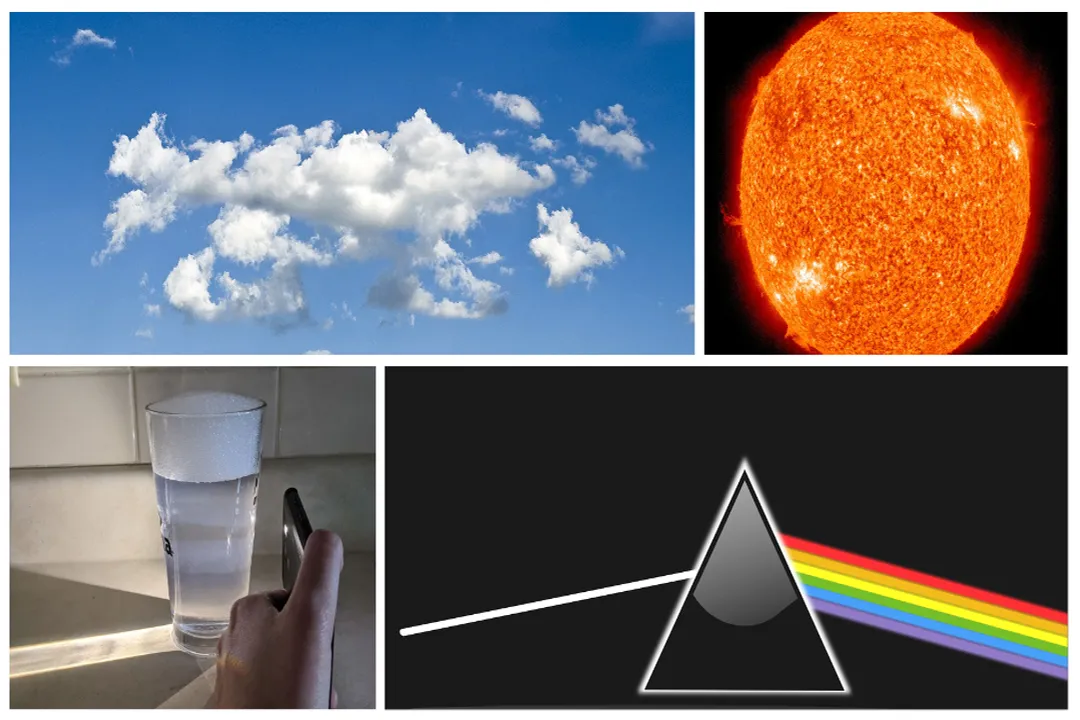
The striking images we see online are the result of technology that fundamentally alters the appearance of space. [5] Astrophotographers use long exposures that gather light over hours, effectively "adding up" light that the human eye would miss in a fraction of a second. [2][9] This process reveals structures, gas filaments, and dust lanes that remain invisible to the naked eye, no matter how long one stares into the eyepiece. [2]
Furthermore, many professional images use "false color" mapping. [2] This is not just for aesthetic appeal; it is a data-visualization tool. [7] Astronomers assign specific colors to different chemical elements, such as sulfur, hydrogen, and oxygen, to study the composition of the nebula. [2][6] A casual observer seeing the raw data without this color-mapping would see nothing but a dark background with some digital noise. [9] When you see a "true color" image, it is often a composite of several different filtered shots, balanced to show a scene that no single human eye could ever capture at once. [5]
# Close Proximity
A common misconception is that being closer would change this visual experience. [1][10] Many people assume that if you flew a ship into the center of a structure like the Orion Nebula, you would see glowing colors rushing past, similar to scenes in science fiction movies. [10] The reality is that nebulae are incredibly diffuse. [1] They are vast, low-density clouds of gas and dust—often less dense than the most perfect vacuum chamber created in a laboratory on Earth. [1]
If you were physically inside a nebula, you might not even realize it. [1] There would be no swirling clouds blocking your view; you would simply see distant stars through a very thin, invisible haze. [10] The "clouds" we see in pictures are only apparent when viewed from vast distances where the cumulative effect of the gas and dust catches the light of nearby stars. [1]
To understand how to manage expectations for visual astronomy, consider this mental checklist before setting up a telescope:
- Dark Adaptation: Have you allowed your eyes 30 minutes in total darkness? Any exposure to white light, even from a phone screen, resets this process.
- Aperture Size: Are you using a large enough mirror or lens? More light-gathering surface is the only way to brighten these objects.
- Filter Usage: An OIII or UHC filter can help increase contrast by blocking light pollution and letting specific nebula wavelengths pass through, making the object stand out against the background.
- Peripheral Vision: Are you using averted vision? Looking slightly to the side of an object forces the image onto the more sensitive outer parts of your retina, often making faint objects suddenly appear.
# The Experience
When people first look through a telescope expecting the vivid pictures they see on the internet, they often feel a sense of disappointment. [4] They look for the bright, sharp lines and find a "faint smudge". [4] However, this is where the appreciation of visual astronomy shifts. It becomes less about seeing a static picture and more about the act of observation. [7]
Identifying a fuzzy, gray patch of light—knowing that it is a cloud of gas thousands of light-years away, perhaps birthing new stars—is a different kind of experience. [8] It requires patience and imagination to fill in the gaps that the camera sensors capture so easily. Many amateur astronomers find that the initial disappointment fades once they learn to interpret the faint details, appreciating the reality of the photons hitting their retinas from across the galaxy. [4]
# Reality Perception
The way we perceive space is filtered through our reliance on bright, high-contrast imagery. [6] We are trained to think of the universe as a vibrant, colorful place, but the human eye is a limited detector of the total electromagnetic spectrum. [8] By understanding that our eyes and cameras function on entirely different principles, we can bridge the gap between expectation and reality. [9]
While we may never see the universe with the saturation of a telescope, we gain something else: the raw, unfiltered experience of light that has traveled for ages to reach us. The next time you look at a deep-space photograph, recognize that it is a scientific map of data, not a photograph in the traditional sense. [7] Viewing the night sky with this perspective makes the faint, gray smudges in an eyepiece feel significantly more profound.
#Videos
This Is NOT What A Nebula Looks Like
Related Questions
#Citations
What would a nebula look like in-person? Could it fill your ...
Lighting Up the Universe
Resemblances between nebulas and human eyes. #universe
What would a nebula look like in person?
This Is NOT What A Nebula Looks Like
Would the human eye see a Nebula like we ...
Galaxies and Nebulae - What They Really Look Like
If you could get up close to them, what nebulae would be ...
What Does Space Really Look Like?
What do nebula really look like?