What controls the rate of star formation?
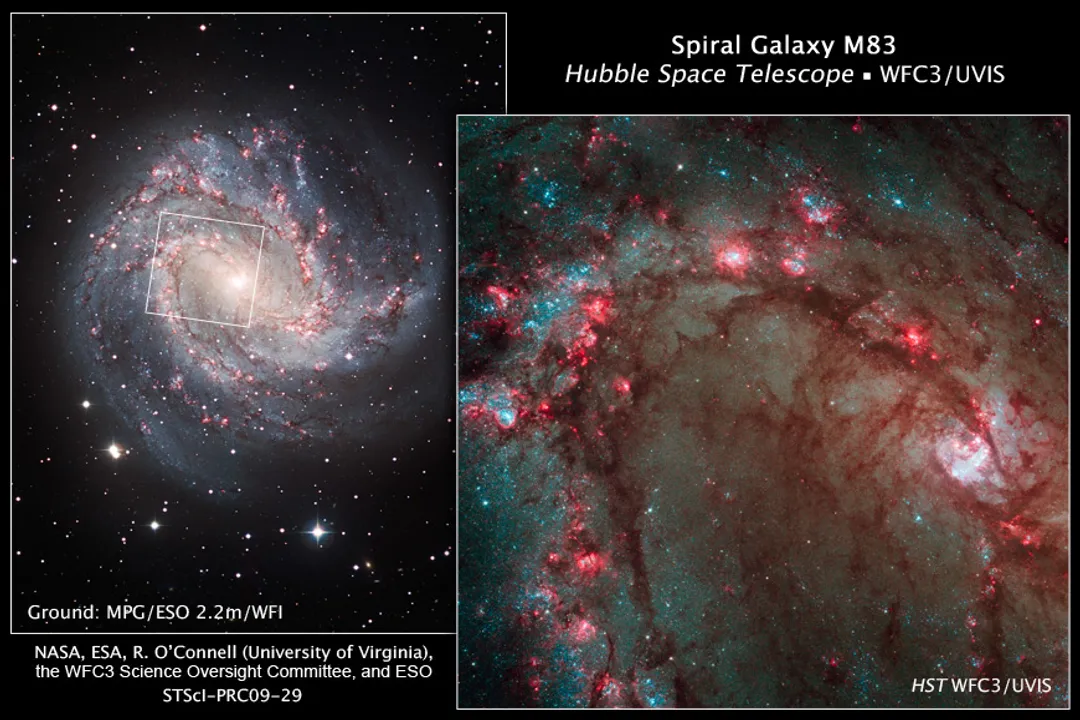
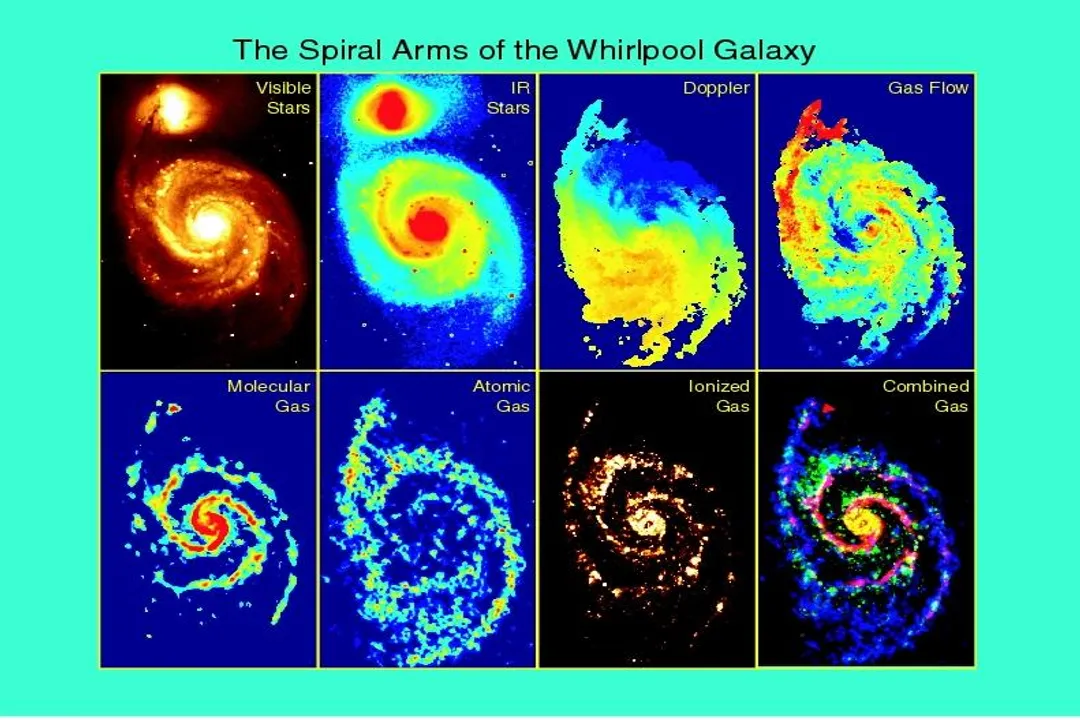
The speed at which a galaxy manufactures new stars, known scientifically as the star formation rate (SFR), is not set by a single knob but by a complex interplay of physical conditions spanning from the vastness of galactic halos down to the density fluctuations within individual gas clouds. Fundamentally, the process requires cold, dense molecular gas; without this raw material, no stars can form. [2][5] This gas acts as the reservoir, and its abundance—often expressed as the gas fraction of a galaxy's total mass—is a primary controller of the overall SFR across cosmic time. [5] The physics dictating this rate hinges on a perpetual tug-of-war: the inward pull of gravity attempting to compress matter versus the outward push of various pressures that resist collapse. [6]
# Gravitational Balance
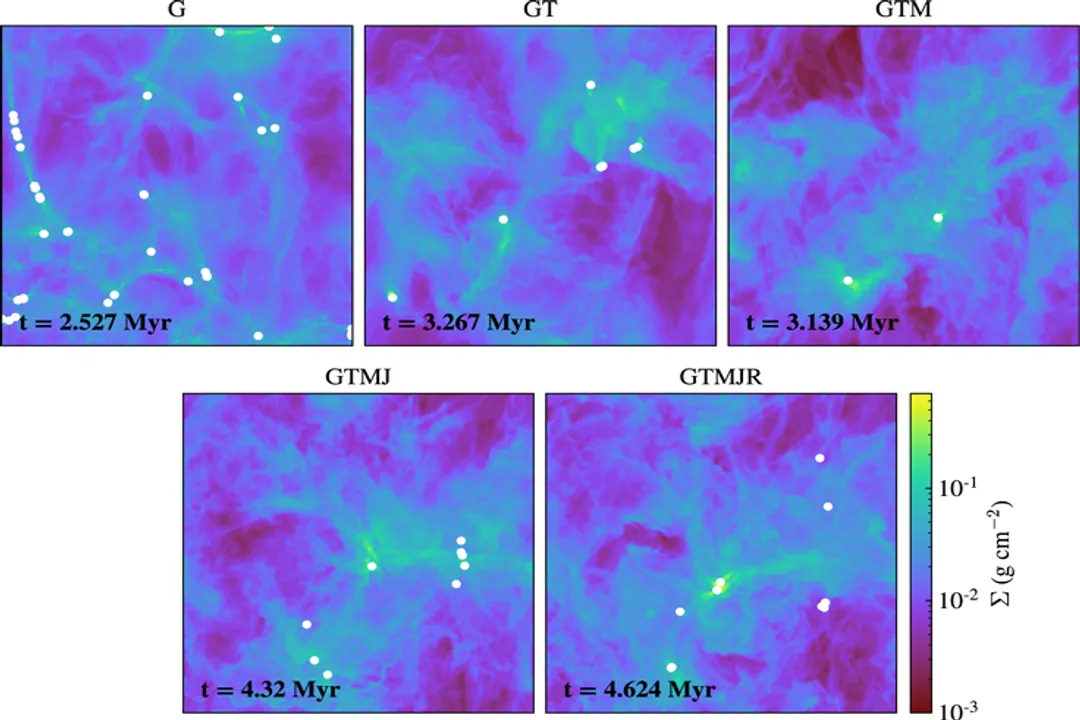
The initial trigger for star birth is gravitational instability, where a region of the interstellar medium becomes dense enough for its self-gravity to overcome the internal forces trying to keep it dispersed. These resisting forces include thermal pressure, which is the kinetic energy of the gas particles, and magnetic pressure, exerted by embedded magnetic fields. [6] For a cloud to contract and begin forming protostars, gravity must win this local contest. This concept is related to the Jeans instability criterion, which dictates the minimum mass and size a cloud must possess to avoid immediate pressure-driven expansion and instead collapse. [6]
It is important to recognize that the mechanisms regulating star formation operate on vastly different scales. At the galaxy scale, factors like mergers, gas inflow from the cosmic web, and interactions with other galaxies determine the supply of molecular gas. [5][1] However, at the scale of individual giant molecular clouds (GMCs)—the actual birthplaces of stars—the regulation shifts to the internal dynamics, such as turbulence and magnetic fields, which govern the efficiency with which that supplied gas turns into stars. [6] A galaxy might have plenty of total gas, but if it's too hot or too diffuse, the local conditions for collapse won't be met, resulting in a low SFR.
# Turbulence Role
Turbulence within the interstellar medium adds a layer of complexity, acting as both a catalyst and a dampener for star formation. [6] On one hand, turbulent motions create shocks and compressions within the gas, locally increasing density pockets to the point where they exceed the gravitational threshold and collapse. [6] On the other hand, the kinetic energy associated with turbulence provides a substantial non-thermal pressure support, effectively stiffening the cloud structure and resisting large-scale gravitational collapse, much like internal heat does. [6] The net effect—whether turbulence helps or hinders—depends on the flow structure and the relative strength of the turbulent energy versus the binding energy of the cloud system.
# Galactic Environment
The immediate surroundings and overall history of a galaxy strongly dictate its capacity to sustain star formation. Galaxies that are currently undergoing major mergers often exhibit spectacular bursts of star formation, driven by the violent compression of gas clouds as the two systems coalesce. [1] Even minor interactions or the mere passage near a massive companion can compress gas disks, providing the necessary density boost to initiate widespread gravitational collapse.
The environment also impacts gas supply through stripping mechanisms. When a galaxy falls into a dense cluster, the hot gas pervading the cluster can exert a drag force on the galaxy's cold gas reservoir as it moves, a process known as ram-pressure stripping. [5] This physically blows the molecular gas out of the galaxy, effectively cutting off the fuel supply for future star formation, leading to the galaxy becoming "quenched" or passively evolving. [5]
When observing galaxies, astronomers often see a clear correlation: more massive galaxies, especially those that have already assembled most of their stellar mass, tend to have lower specific star formation rates (SFR per unit stellar mass) compared to smaller, actively growing galaxies. [5] This suggests that as a galaxy builds up its stellar mass, mechanisms that regulate or suppress the conversion of remaining gas into stars become increasingly effective. It’s a fascinating contrast: the largest structures are built, but their rate of growth slows down relative to their existing size.
# Stellar Feedback Processes
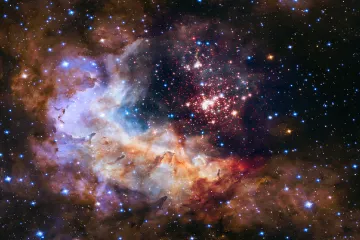
Perhaps the most dramatic local regulator of the SFR comes from the very stars that have just formed. Massive stars live fast and die young, ending their lives in spectacular fashion. [1] The energy released during their lives and deaths acts as a powerful negative feedback loop on the star-forming material around them. [6]
This feedback manifests in several ways:
- Stellar Winds: Powerful outflows from young, massive stars can sweep up surrounding gas, clearing out local star-forming regions.
- Supernovae: The explosion of a massive star injects enormous amounts of thermal and kinetic energy into the interstellar medium (ISM). [6] This energy heats the surrounding gas, increasing its thermal pressure, which can temporarily halt gravitational collapse across large volumes of the cloud complex. [1] In extreme cases, the shockwaves can even eject gas completely from the galactic disk into the halo, permanently removing it from the star formation cycle. [6]
This feedback loop helps explain why star formation efficiencies are generally low—typically only a few percent of the available molecular gas converts into stars over a given period. [1] The process isn't perfectly efficient; much of the gas that is heated or expelled eventually cools and falls back onto the disk, recycling the fuel, but this delay allows the star formation rate to remain controlled rather than runaway. A galaxy that could convert 100% of its gas into stars in a single burst would look dramatically different from the slowly evolving spirals we observe today.
# Metallicity Effects
The chemical composition, or metallicity, of the gas also plays a subtle but important role in setting the rate of collapse. Metals—elements heavier than hydrogen and helium—are critical for the cooling of gas clouds. [6] Efficient cooling allows gas to radiate away its internal thermal energy, which lowers the internal pressure and makes it easier for gravity to win the collapse battle. [6] In very low-metallicity environments, such as the early universe or dwarf galaxies poor in heavy elements, the gas cools less efficiently. This means the cloud must achieve a higher density or a larger mass before gravitational instability can overcome the higher residual thermal pressure, potentially slowing down the rate at which new stars can form until sufficient density is reached. [6] This is an area where we can perhaps see a direct link between the history of star formation (which enriches the gas with metals) and the future rate of star formation.
# Scaling Laws and Measurements
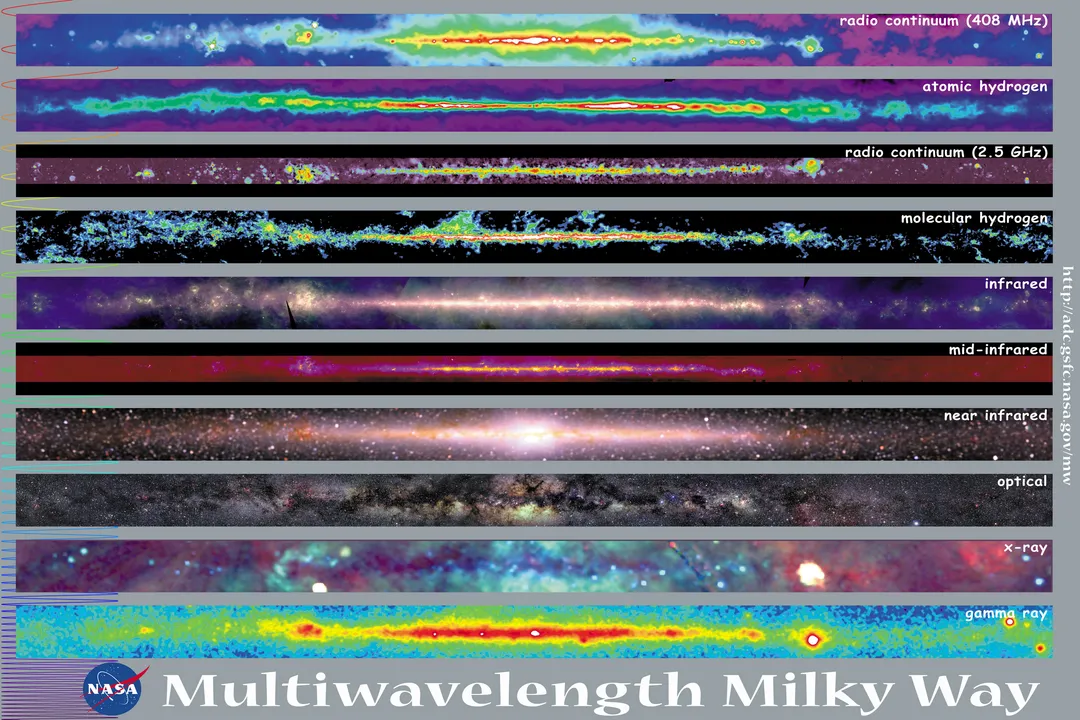
Astronomers quantify the relationship between the gas available and the rate of formation using observational laws. The most famous is the Schmidt-Kennicutt Law, which empirically relates the observed surface density of star formation () to the surface density of the cold gas () in a galaxy's disk. [1] This law shows a clear correlation: areas with denser gas form stars more rapidly. [1] However, the law's dependence on the threshold density of gas required for star formation to begin is a key area of ongoing investigation, as it relates directly to the local conditions discussed earlier. [1]
When comparing different galaxies, the relationship between the total stellar mass () and the total SFR often shows a tight correlation, but deviations reveal the impact of environmental factors. [5] For example, at higher stellar masses, the suppression mechanisms (like feedback) appear to become more dominant relative to the available fuel, flattening the slope of the SFR-Mass relation compared to what might be expected from simple gas supply models alone. [5]
If we were to create a simplified checklist for a cloud to become a star-forming site, it might look like this:
- Sufficient Supply: The cloud must be part of a galaxy with ample cold molecular gas available. [2]
- Critical Density: Local density must exceed the Jeans mass for the cloud's temperature and composition. [6]
- Pressure Balance: Gravitational forces must overcome turbulent and magnetic pressures to initiate collapse. [6]
- Cooling Efficiency: Metallicity must allow for efficient radiative cooling to dissipate thermal energy. [6]
- Feedback Margin: The energy injected by existing massive stars must not immediately blow away the entirety of the remaining parent cloud.
The very fact that galaxies have maintained a relatively steady star formation rate for billions of years, despite the constant energy injection from supernovae, points to a highly effective, self-regulating cycle. The gas that is heated or ejected must, over time scales of tens to hundreds of millions of years, cool sufficiently and fall back onto the disk to replenish the reservoir, ensuring the cycle continues, albeit slowly. [1] This cyclical recycling, regulated by the energy budget of the galaxy's stellar population, is perhaps the most essential long-term control on the cosmic star formation history.
Related Questions
#Citations
What triggers star formation in galaxies? - Bruce G. Elmegreen
Star formation - Wikipedia
What controls star formation in the central 500 pc of the Galaxy? - arXiv
What Sets the Star Formation Rate of Molecular Clouds? The ...
Self-Regulation of Star Formation in Disk Galaxies
Control of star formation by supersonic turbulence | Rev. Mod. Phys.
Star Basics - NASA Science
What controls the star formation rate in galaxies?
What controls star formation in the central 500 pc of the Galaxy?