Where does most star formation occur in the Milky Way?
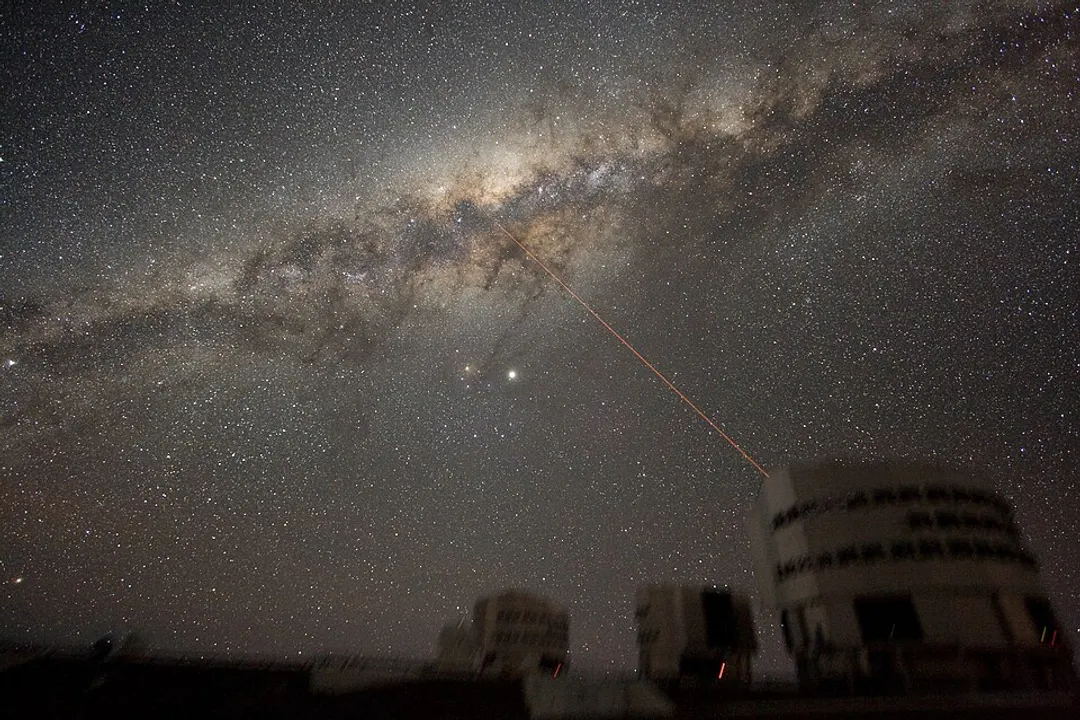
The majestic Milky Way galaxy, our home among billions of stars, is far from a static collection of ancient suns. It is a dynamic environment where new stars are constantly being forged from cosmic clouds. Determining the precise locations of this stellar creation process reveals much about the structure and evolution of our galactic home. To answer where the most star formation occurs today, we must look not to the quiet, outlying regions, but to the galaxy's defining architectural features: the spiral arms.
# Galactic Structure
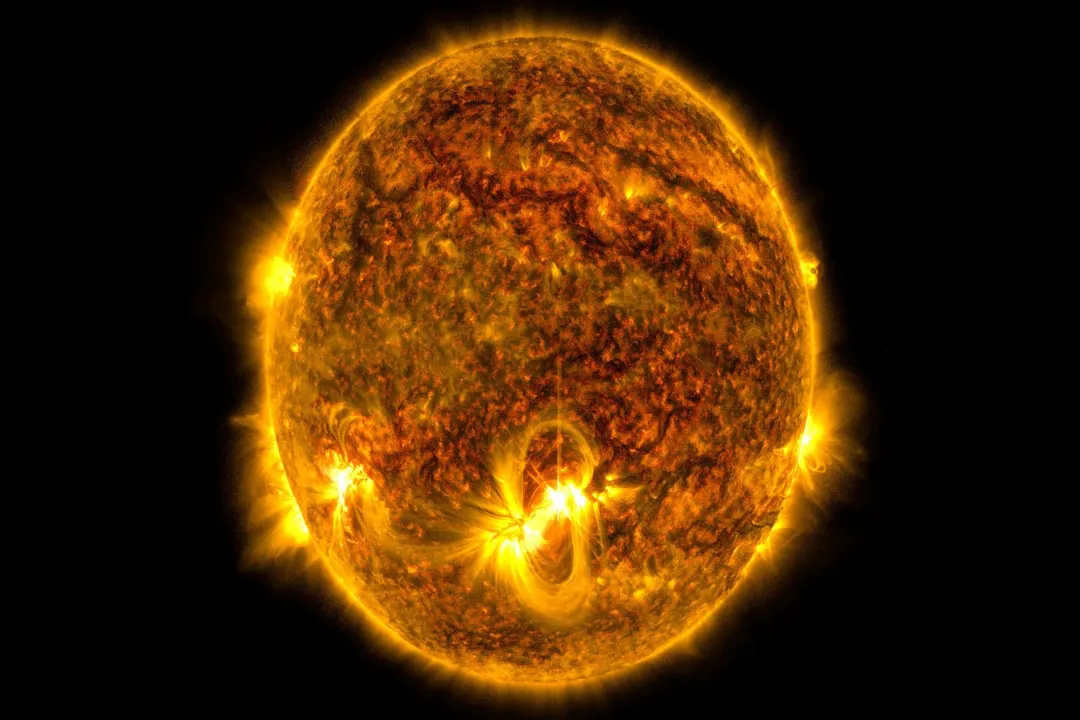
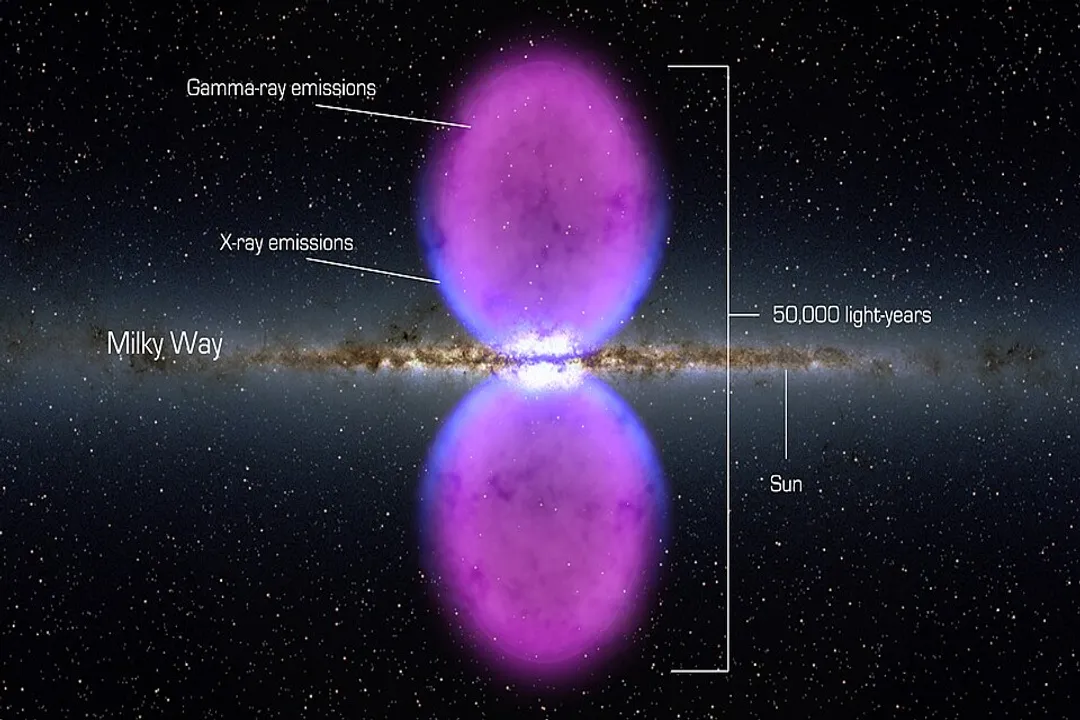
Our galaxy is organized into several main components: a central bulge, a vast, thin disk where most of the visible light resides, and a surrounding, much larger halo. Stars, like our own Sun, exist in various stellar populations across these zones, with different ages reflecting when and where they formed.
The distribution of star birth is highly uneven. If one were to survey the entire volume of the Milky Way, they would find that the process is decidedly not uniform across the galaxy. For instance, the outermost halo, a spherical distribution of old stars and globular clusters surrounding the main galactic plane, is largely quiescent, hosting very little, if any, ongoing star formation. Similarly, while the central bulge is crowded with stars, the current rate of new stellar births there is generally considered lower compared to other active regions. The sheer mass of the galaxy is contained within these regions, yet the action of creation is concentrated elsewhere.
# Arm Concentration
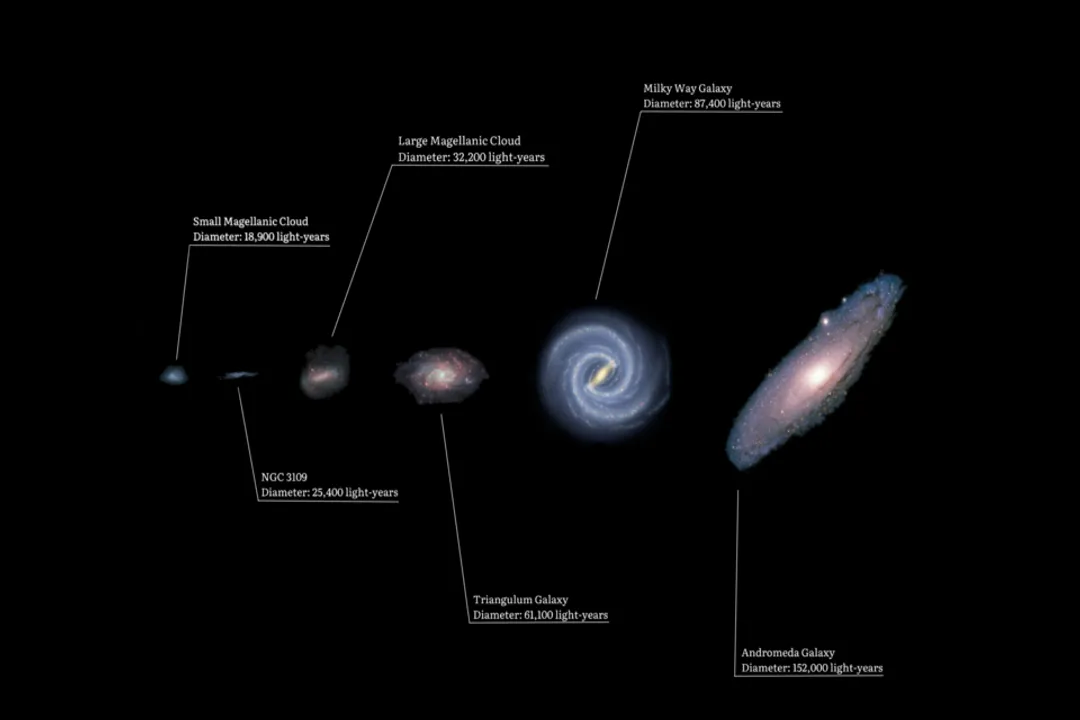
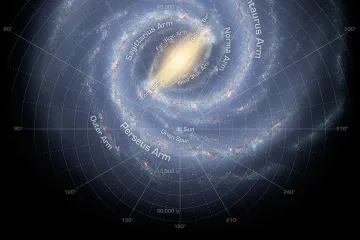
The current, most active sites of stellar genesis are emphatically situated within the prominent spiral arms that wind their way through the galactic disk. These arms are not rigid structures but rather density waves—regions where interstellar material is compressed—that propagate through the disk material. Think of them as cosmic traffic jams for gas and dust.
When you consider the volume of the Milky Way, the spiral arms occupy only a fraction of the space in the disk, yet they harbor the overwhelming majority of the gas clouds—the raw material for new stars. This immense concentration of molecular clouds within the arms makes them the essential incubators for the next generation of suns. A star begins its life when a dense pocket within a giant molecular cloud collapses under its own gravity. This requires an abundance of the necessary ingredients: primarily hydrogen and helium gas, along with trace amounts of heavier elements (what astronomers often refer to as "dust"). Because the spiral arms are where this fuel supply is densest and most frequently compressed by the density wave, they become the galaxy's primary stellar nurseries.
# Conditions Ripe
The process itself is a slow affair, taking millions of years from initial collapse to a fully ignited star, like our Sun, which is estimated to be about 4.6 billion years old. This creation requires vast reservoirs of cold, dense gas, which are exactly what the spiral arms provide in abundance.
It's interesting to consider that the visible spiral arms aren't just defined by the older, established stars; they are traced by the blue, brilliant light of the very stars that have just been born there. These massive, hot, blue stars burn through their fuel incredibly quickly—in mere millions of years—before they even have time to travel far from the region where they were created. Their presence acts as a beacon, highlighting the active nurseries from which they sprang.
If we were to try and map out star formation across the entire Milky Way, we could create a quick comparative list based on location prevalence:
| Galactic Region | Relative Star Formation Rate (Today) | Primary Composition |
|---|---|---|
| Spiral Arms | Highest | Dense Molecular Clouds, Young Stars |
| Galactic Disk (non-arm regions) | Low to Moderate | Older disk stars, some diffuse gas |
| Central Bulge | Low to Moderate (Historically high) | Older stellar populations |
| Halo | Negligible | Ancient stars, dark matter |
If we consider the entire history of the Milky Way, the bulge likely saw a higher rate of formation billions of years ago when the galaxy was first assembling its core, but today, the ongoing production line runs through the arms.
# Stellar Population Contrast
This concentration in the spiral arms has a direct consequence for how we perceive the galaxy's ongoing evolution. When astronomers look at the galaxy, they are essentially seeing two different stellar ages superimposed. The disk contains a mix, but the spiral arms themselves are dominated by young, hot stars (Population I stars), which are rich in heavier elements created by previous stellar generations. Contrast this with the halo, which is populated almost entirely by Population II stars—metal-poor, very old stars that formed before the galaxy had time to enrich the interstellar medium with heavier elements.
The fact that star formation is ongoing in the spiral arms means that the material within the arms is constantly being processed: gas collapses, forms stars, these stars live and die (some enriching the medium with heavier elements through supernovae), and then that enriched material is ready to collapse again in the next density wave that passes through. This recycling mechanism sustains the birth rate. A fascinating implication of this is that if you could stand on a hypothetical planet located between the spiral arms, you would experience a much quieter environment for billions of years, only to witness a dramatic burst of cosmic activity—a wave of new bright stars—when the next arm passed by, sweeping up the gas and dust in its path.
# The Disk and The Arms Interplay
It is important to clarify the relationship between the disk and the arms. The spiral arms exist within the galactic disk, which itself rotates. The star formation isn't happening in some separate layer; it's happening in the dense filaments of the disk material that are organized into the arm pattern.
The key distinction is that while the disk is the plane where all the action happens (excluding the halo), the arms are the trigger mechanism. The gravitational influence of the spiral density wave sweeps up the diffuse gas and dust spread throughout the disk, clumping it together until it becomes dense enough to initiate gravitational collapse and ignition. If the gas were distributed smoothly throughout the entire disk plane, star formation would happen everywhere at a low, constant rate. Instead, the wave concentrates the material, leading to intense, episodic bursts of star birth concentrated along those bright, winding lanes we observe. This compression is the critical ingredient that separates the arms from the rest of the disk as the primary site of stellar births today.
Related Questions
#Citations
CH19 Reading Flashcards - Quizlet
Where does most star formation occur in the Milky Way Galaxy? A ...
Why is most of the star formation that goes on in the milky way ...
Solved Where does most star formation occur in the Milky Way
13. Where does most star formation occur in the Milky Way today ...
Milky Way - Wikipedia
Solved: Where does most star formation occur in the Milky Way ...
Star Basics - NASA Science
[DOC] 19_Testbank.doc - Lick Observatory