What conditions make it difficult to live on the Moon?
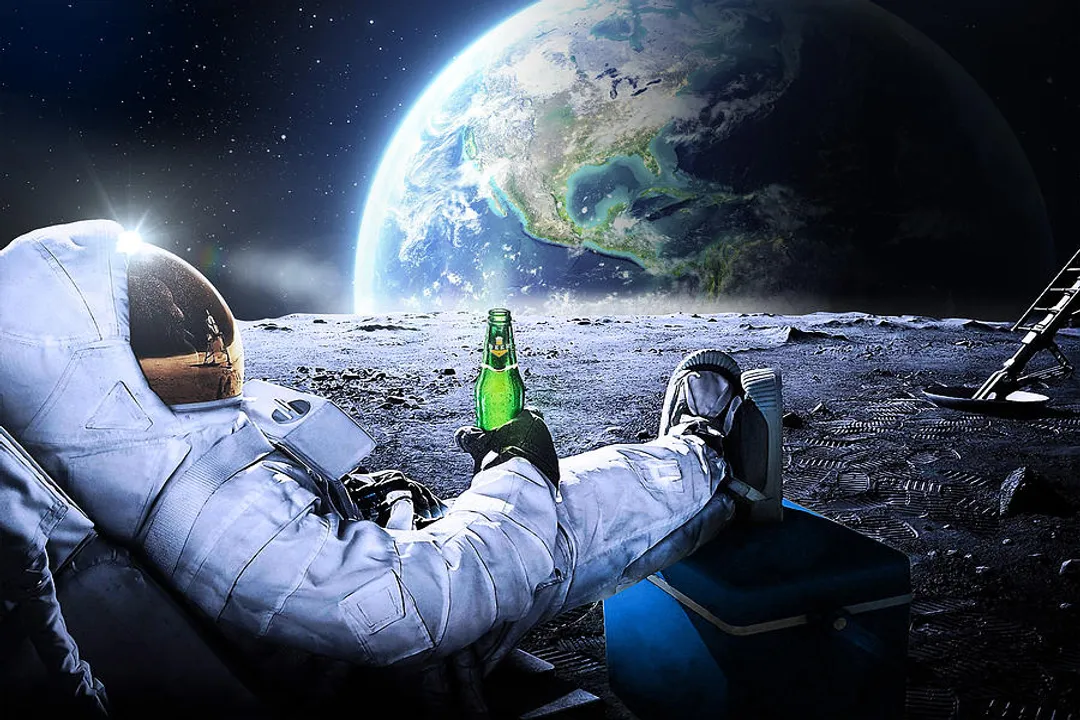
The closest celestial body to Earth presents a stark, seemingly inhospitable landscape for human long-term habitation. While the dream of lunar colonies persists in our aspirations, the reality is that the Moon offers a collection of extreme, simultaneous challenges that demand engineering solutions far exceeding those required for terrestrial settlements or even the International Space Station (ISS). The environment is fundamentally alien: there is virtually no atmosphere, meaning surface residents face the raw vacuum of space, coupled with unfiltered bombardment from solar and galactic radiation, and frequent micrometeoroid impacts.
# Atmosphere Vacuum

The Moon lacks a true, substantial atmosphere, possessing only a tenuous exosphere composed of gases suspended from the surface by the solar wind, with concentrations too minute to sustain breath. This absence of an atmospheric buffer is the root cause of several severe issues. Firstly, there is no protection against meteoroids, which strike the surface unimpeded at tremendous speeds. While Apollo astronauts encountered this hazard, the risk is magnified for permanent structures which must survive repeated impacts over decades.
Secondly, the lack of air means there is no significant atmospheric drag or erosion process. This has resulted in the creation of lunar dust, or regolith, where the particles are not rounded like Earth sand, but possess extremely sharp, fractured edges from billions of years of impacts. This sharpness is compounded by an electrical charge acquired on the surface, making the dust cling tenaciously and travel everywhere it is not actively contained.
Finally, without an atmosphere, the surface temperature swings are among the most extreme in the solar system. A single lunar day lasts about $27$ Earth days, subjecting structures to prolonged periods of scorching heat, around , followed by extended periods of deep cold, plummeting to . Habitats must be sealed, heavily thermally insulated enclosures capable of withstanding these weeks-long cycles of expansion and contraction.
# Radiation Danger
Perhaps the most persistent and cumulative threat is ionizing radiation. Earth’s magnetic field and thick atmosphere shield us from the continuous stream of energetic particles originating from the Sun (solar wind and flares) and from outside the solar system (galactic cosmic rays, or GCRs). On the Moon, that shield is entirely absent.
The flux of GCRs is considerably higher on the lunar surface than on Earth’s surface. During periods of minimum solar activity, the cosmic ray dosage alone at the surface is estimated to be about . Compounding this, unpredictable solar flares can periodically deliver massive, short bursts of high-energy particles, with some historical flares delivering a cumulative over an 11-year solar cycle. Because radiation exposure is cumulative over a lifetime, and younger individuals are more susceptible to radiation-induced cancer than older ones, this presents a major demographic challenge for any long-term colony. Furthermore, studies simulating radiation effects on mouse brains indicated potential neurological damage, including impaired learning and memory due to changes in the hippocampus, and emotional dysfunction from amygdala changes, suggesting one in three colonists might face memory impairment in a radioactive environment.
Mitigation is mandatory and resource-intensive. To stay within a permissible occupational dose limit, pioneers would need to spend a significant portion of their time shielded underground. Initial proposals suggest burying permanent habitats under at least a $2$-meter thick layer of compacted lunar regolith. If a habitat is buried this deeply and inhabitants only spend about $20%$ of the month outside, yearly exposure might be manageable, but mitigating the risk from a truly extreme flare, like the one in February $1956$, would necessitate doubling that shielding depth. One must also be cautious of localized resources, as some regolith contains KREEP—material rich in naturally radioactive potassium, uranium, and thorium—which should be separated out when gathering shielding material.
# Low Gravity
The Moon’s surface gravity is only one-sixth that of Earth’s. While this might sound enjoyable for short visits, the long-term physiological effects are concerning. Prolonged exposure to this significantly reduced gravitational load leads to a cascade of issues observed in astronauts on the ISS, including muscle atrophy, bone density loss, and cardiovascular system problems because the body is no longer working against strong gravity to maintain fitness.
Astronauts currently combat this with rigorous daily exercise routines. On the Moon, countermeasures will need to be even more sophisticated for permanent residents. Beyond tailored physical training, researchers are investigating pharmacological aids. For instance, studies on rats in simulated gravity environments suggested that resveratrol, a substance found in grape skins and red wine, could successfully compensate for muscle mass and strength loss. However, the required dosage suggests colonists would likely rely on supplements rather than the beverage itself, making the idea of lunar viticulture less about enjoyment and more about pharmacology.
# Sharp Dust
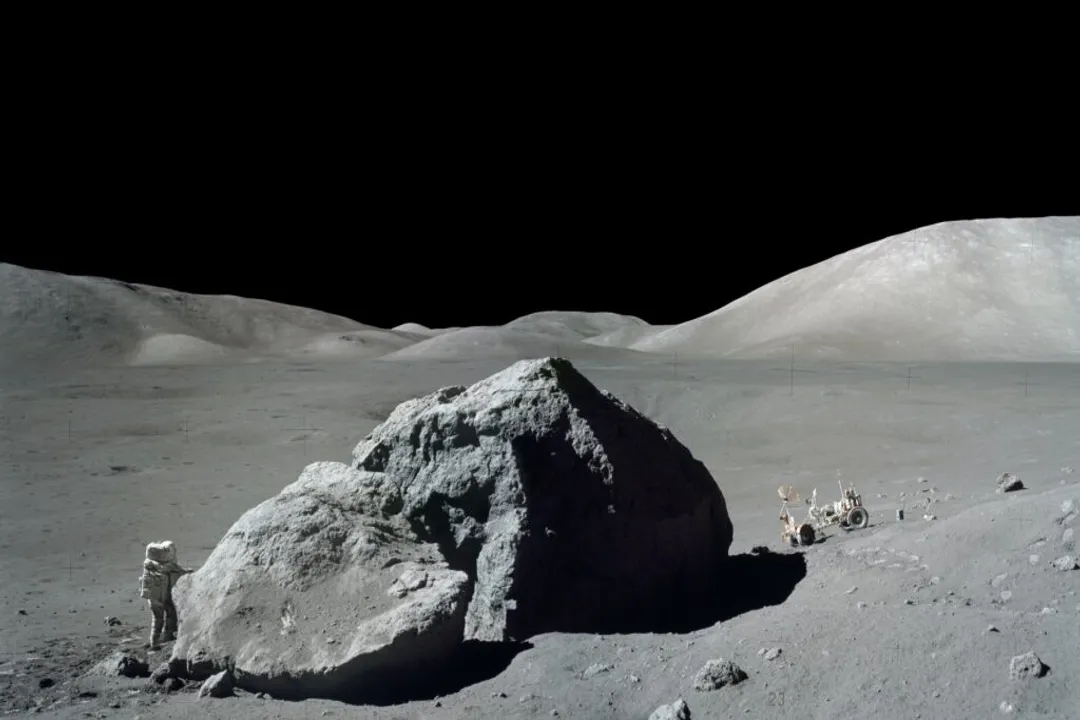
The ubiquitous lunar regolith is not merely inert dirt; it is a physical hazard in its own right. As mentioned, the particles are abrasive due to their sharp edges, posing a threat to machinery, seals, and external structures like solar panels and antennas. More critically, these fine, electrostatically charged particles penetrate seals and filters. If they enter a habitat, they can irritate or cause allergic reactions, something Apollo astronauts experienced even after brief surface excursions. Keeping this abrasive, clingy material out of the living spaces requires highly efficient filtration and meticulous dust-off protocols for every surface excursion.
# Resource Scarcity
Sustaining life requires resources that the Moon does not offer in an easily accessible form. Water is paramount, and while ice deposits at the poles are promising for replenishment, the process of extraction and purification from that ice, or from components locked in the regolith, demands immense energy. Oxygen, though abundant chemically ($45%$ by weight in the soil), must be liberated through heating processes, which consumes significant power.
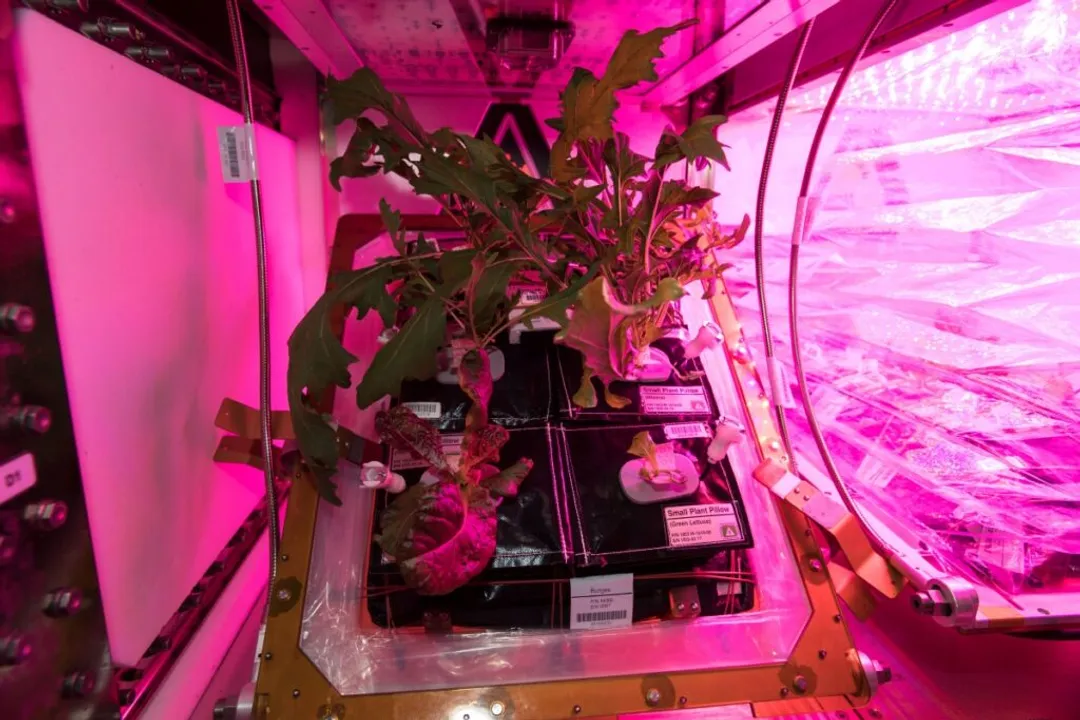
Establishing food independence is equally complex. A closed, self-regulating ecosystem capable of providing varied nutrition is necessary to avoid perpetual, costly resupply missions from Earth. Early attempts at such systems, like the Biosphere 2 project, demonstrated how easily ecosystems can become unbalanced—witnessing unexpected bacterial growth and the death of necessary pollinators like insects. Lunar agriculture will require advanced techniques like hydroponics and perhaps even incorporating insects into the food-and-pollination cycle, which demands biological expertise on a scale rarely needed for terrestrial farming.
If we consider the immense energy required for ISRU processes—not just for water and oxygen but also for producing metals like iron, aluminum, and silicon for construction or rocket propellant—a critical loop emerges: The initial cost of establishing a lunar base is heavily weighted by the energy infrastructure required just to start manufacturing necessities. Extracting oxygen from soil, for example, requires substantial power input upfront, which must be generated locally (likely via imported nuclear sources initially, as solar power is limited by the two-week night) before any truly cost-saving in-situ construction can begin. This makes the first few years an energy-intensive bottleneck where dependence on Earth-supplied consumables remains high until the ISRU capacity reaches critical mass.
# Structural Stress
The Moon experiences tremors known as moonquakes, with Apollo data indicating some reaching magnitudes up to 5 on the Richter Scale. While these might not immediately threaten deep, well-shielded structures, the cause of some quakes—thermal stress from the extreme $27$-day temperature cycle causing ground contraction and expansion—suggests a continuous mechanical loading on any long-term base. Furthermore, habitats must be designed with two conflicting structural requirements in mind. They must be subterranean or heavily shielded with many tons of regolith to protect against radiation and secondary ejecta, yet they also must manage the long-term health degradation caused by the 1/6th gravity environment, requiring significant internal volume for rehabilitation and exercise zones. This mandates that habitat design must prioritize dual functionality: deep burial for external protection, while maintaining large enough internal volumes to counteract physiological decay in a non-Earth-normal gravitational field, a balance rarely needed in terrestrial architecture or even low-Earth orbit stations.
# Psychological Strain
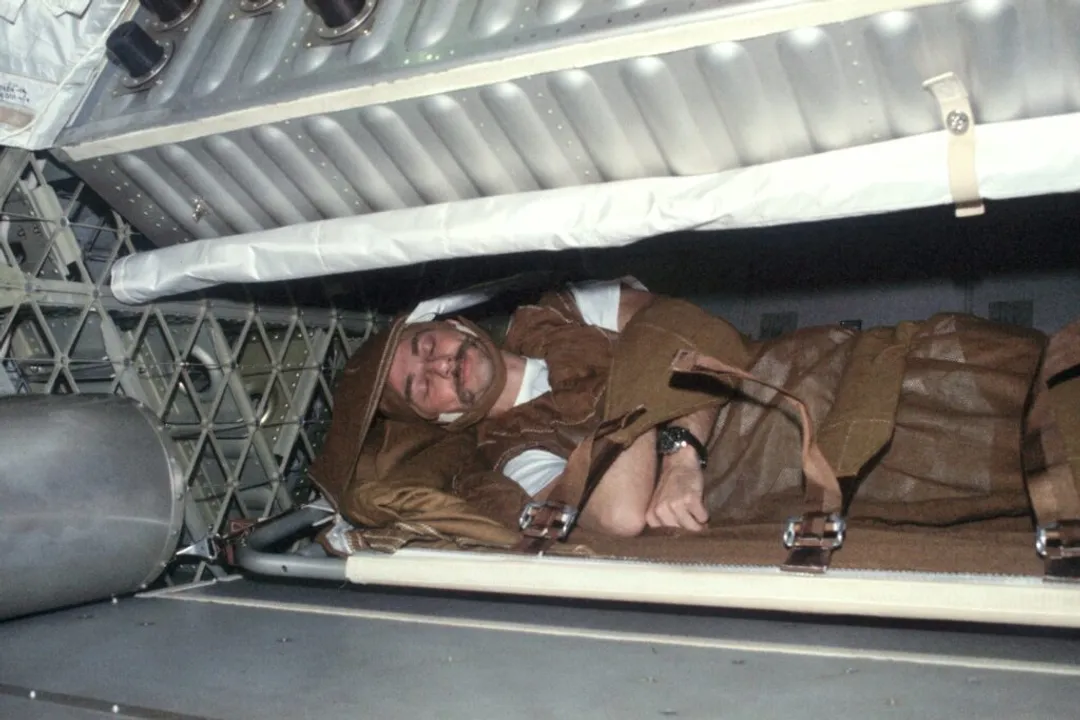
Isolation, confinement, and the radically different day/night cycle present significant psychological hurdles for colonists. While selection processes for small crews can mitigate conflict, long-term settlement introduces complex social dynamics like forming partnerships, managing domestic life, and potentially raising children in a closed box where physical separation is impossible. Sociologists will need to develop novel social models to maintain stability under these continuous stressors. The lack of natural Earth rhythms in light and dark complicates sleep patterns, though ISS data suggests adaptation is possible with artificial correction systems.
# Surface Mobility
Surface operations are severely limited by spacesuit technology. Apollo suits had short duty cycles, dictated by consumables and astronaut fatigue, limiting excursions to a few hours. More critically, the suits offer insufficient protection against the combined threat of radiation and meteoroids for extended work periods. To conduct meaningful geological or construction work, pressurized surface vehicles are essential, analogous to deep-sea submersibles, which must incorporate thick shielding materials like compacted regolith into their hulls to maintain safe radiation exposure levels for the occupants.
Another approach involves teleoperated robots. These machines can act as surrogate bodies for operators either underground on the Moon or even back on Earth. While Earth-based control is slowed by a multi-second communication delay, experiments suggest manipulation remains feasible with proper system design. Robots are superior for hazardous work because they are less sensitive to radiation and more expendable than human crew members. They can function via multiple Earth shifts, essentially multiplying the productivity of the small resident crew without the life support overhead.
# Funding Will
Despite the feasibility of many engineering solutions—from using lunar soil for concrete and glass to deploying teleoperators—many experts conclude that the most significant impediment to sustained lunar living is not technical, but administrative and financial. The political motivation that drove the initial Apollo race has waned, and securing the consistent, massive funding required to establish and maintain a self-sufficient extraterrestrial settlement remains the greatest unsolved hurdle today. While the Moon offers advantages, such as easier propellant utilization due to lower gravity for future deep-space travel, the initial capital investment required to overcome the environmental hostility is immense. Humanity possesses the technical capability, but requires the sustained global commitment to execute the plan.
#Videos
Why Can't We Live On The Moon? - YouTube
Related Questions
#Citations
Human Safety in the Lunar Environment - The National Space Society
Why doesn't anyone live on the moon yet? - Popular Science
Physiological problems of life on the Moon - Universe Space Tech
Understanding The Challenges Of Living On The Moon
Why Can't We Live On The Moon? - YouTube