What U.S. legislation largely restricted NASA cooperation, necessitating China's independent station development?
Answer
Wolf Amendment
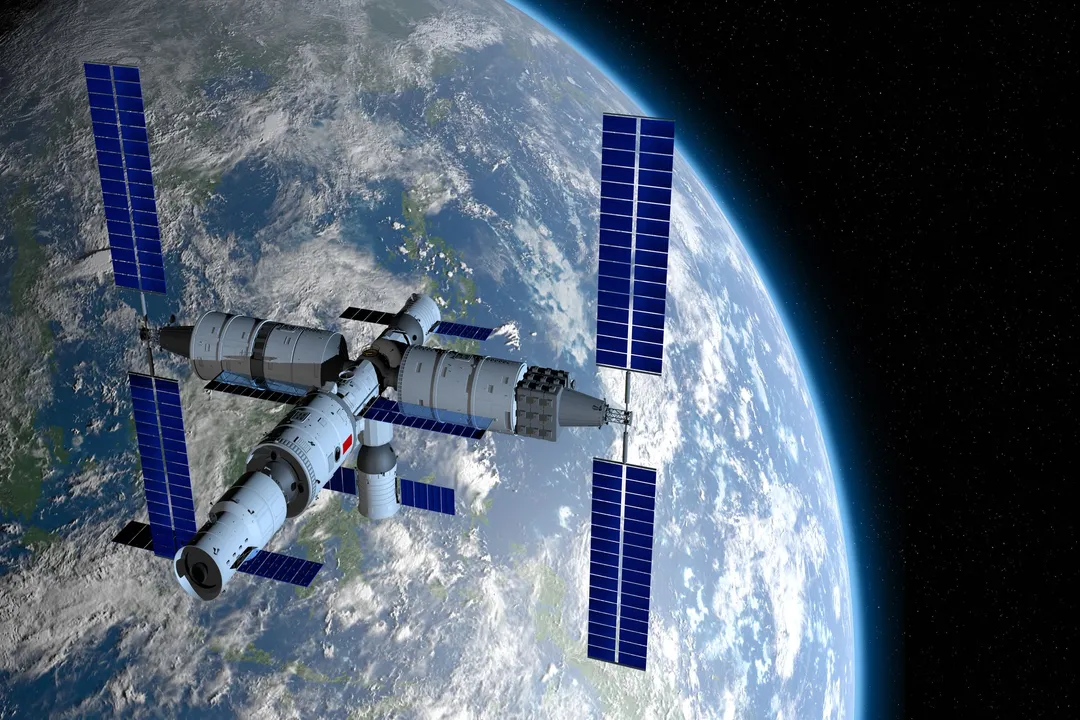
China's decision to build its own long-duration crewed orbital research facility was heavily influenced by political realities, specifically the U.S. Wolf Amendment. This legislation imposes strict limitations on cooperation between NASA and any entity tied to the Chinese military. Because this political barrier prevented China's participation in the established International Space Station (ISS) program, constructing the Tiangong station independently became the sole viable pathway for achieving sustained human presence in orbit.
Related Questions
What is the literal Mandarin translation of the name Tiangong (天宫空间站)?Which primary module serves as the central hub for Tiangong's life support and control systems?At what approximate altitude range is Tiangong constructed, similar to the ISS?What crucial feature does the Wentian laboratory module provide for Extravehicular Activities (EVAs)?Which module features a dedicated cargo airlock for moving scientific payloads externally?What U.S. legislation largely restricted NASA cooperation, necessitating China's independent station development?What advanced propulsion system is equipped on the Tianhe module to significantly cut fuel use for station-keeping?Approximately what is the mass of the three-module Tiangong space station compared to the ISS?What is the name of the planned space telescope designed to orbit near Tiangong for servicing?What specific term is used for the Chinese astronauts aboard the Tiangong space station?