What logistical necessity significantly inflates preliminary costs for a human mission to Mars?
Pre-positioning up to 40 tonnes of equipment
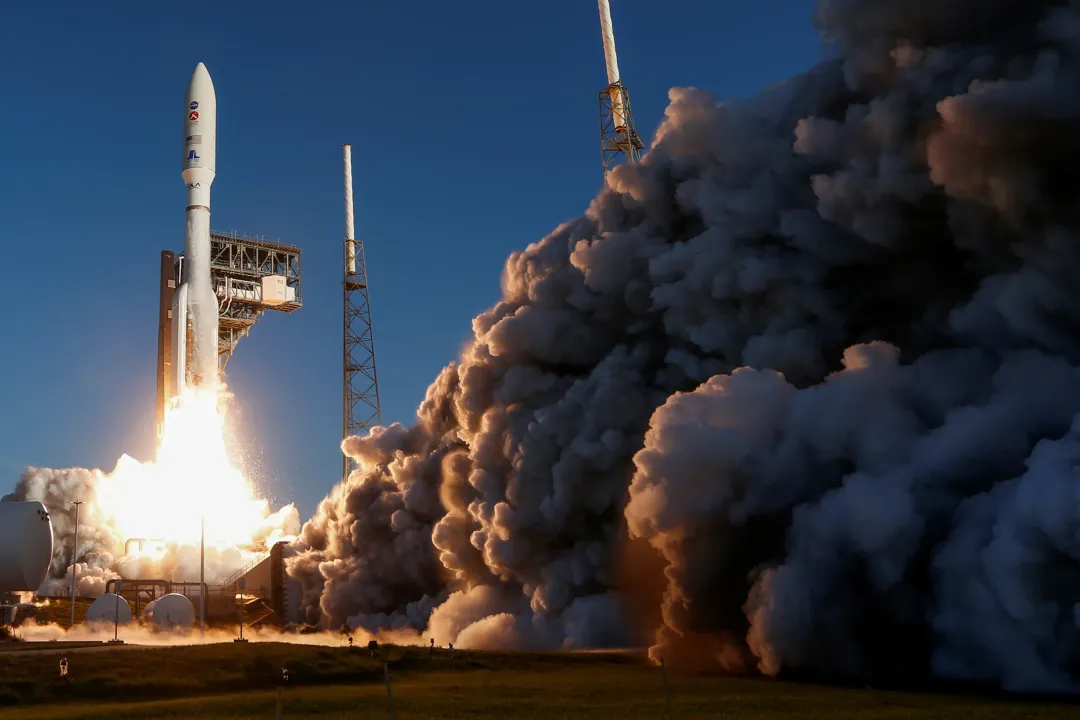
Planning interplanetary travel, particularly to Mars, introduces significant logistical burdens due to the extended transit time, which makes real-time emergency support from Earth impossible. To counter this, massive quantities of life support consumables—including oxygen and water—must be launched, or complex in situ resource utilization (ISRU) technologies must be perfected beforehand. The sheer weight dictated by this dependency on guaranteed, completely autonomous life support over multiple years necessitates bringing enormous mass, estimated for pre-positioning significant equipment (up to 40 tonnes), which dramatically dictates the required capacity of launch vehicles and inflates the overall mission architecture and initial budgetary requirements far beyond simpler robotic endeavors.