What is the primary reason astronauts rarely eat freeze-dried ice cream in space?
Answer
It creates loose crumbs that can float and damage equipment.
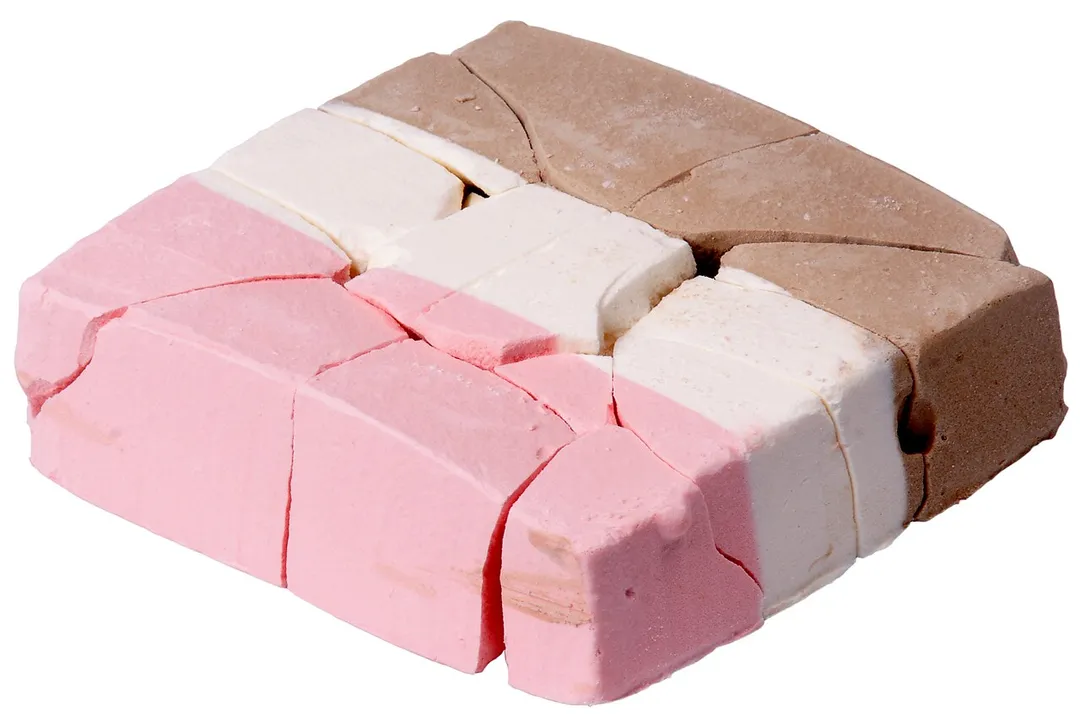
While freeze-dried ice cream is popular in novelty shops, it is problematic in a microgravity environment. The freeze-drying process results in a dry, fragile product that crumbles easily when handled. In space, these crumbs float freely throughout the cabin, posing a risk to sensitive electrical equipment and potential health hazards if inhaled by the crew. Consequently, modern space menus focus on foods that remain cohesive and manageable.
Related Questions
Why is the removal of water from food essential for space missions?Why are standard refrigerators impractical for preserving food in space?What specific scientific process is used to freeze-dry food without damaging its structure?Why does freeze-drying effectively prevent the growth of bacteria and mold?What is the primary reason astronauts rarely eat freeze-dried ice cream in space?How does freeze-drying protect the nutritional integrity of food compared to canning?What benefit does freeze-drying provide for space station waste management?How can the water removed from food be utilized in a closed-loop space system?Why is freeze-drying preferred over simple dehydration for food preservation?What is the physical state of water immediately after it escapes food during sublimation?