Why did NASA create freeze-dried food?
Living in orbit presents a logistical challenge that is almost impossible to imagine from the comfort of a kitchen on Earth. Every item sent into space, from scientific equipment to the clothing worn by astronauts, carries an extreme financial and physical cost. Because launch vehicles rely on limited fuel capacities, every single gram added to the payload requires a proportional increase in energy. This economic and physical reality is the primary driver behind why NASA embraced freeze-dried food early in the space program. [1][7]
Weight Constraints
The physics of spaceflight is unforgiving. Rockets require immense amounts of fuel to escape the pull of Earth's gravity. Historically, calculating the cost of a launch meant every pound mattered. If a food item contained significant water weight, that water was effectively costing thousands of dollars to transport into orbit. [1] By removing water, which makes up a large percentage of the mass in fresh produce and meats, NASA could drastically reduce the weight of food stores without sacrificing the essential calories required to keep astronauts performing at peak capacity. [6][7]
Beyond just the raw weight during launch, there is the matter of disposal. Space stations have limited capacity for trash. Bringing items back to Earth is rarely an option, and jettisoning waste into orbit is restricted. Freeze-dried foods, being incredibly compact, create far less packaging and organic waste compared to canned or fresh alternatives. Once the water is removed, the food shrinks and the weight drops, allowing for more supplies to be stored in the same amount of space. [1][9]
Preservation
On Earth, we rely on refrigerators and freezers to slow the growth of bacteria and prevent food from spoiling. In space, this is not a practical solution. Refrigerators are heavy, require consistent power, and produce heat that must be managed by the spacecraft’s ventilation systems. [6]
Freeze-drying provides an elegant solution to the problem of food safety. Microorganisms need moisture to survive and thrive. By removing virtually all moisture from the food, NASA ensures that bacteria, yeast, and mold cannot grow. This allows the food to remain shelf-stable for months or even years without the need for refrigeration. [4][10] This longevity is vital for missions that might last longer than anticipated or for stockpiling emergency rations in case a supply ship is delayed.
Sublimation
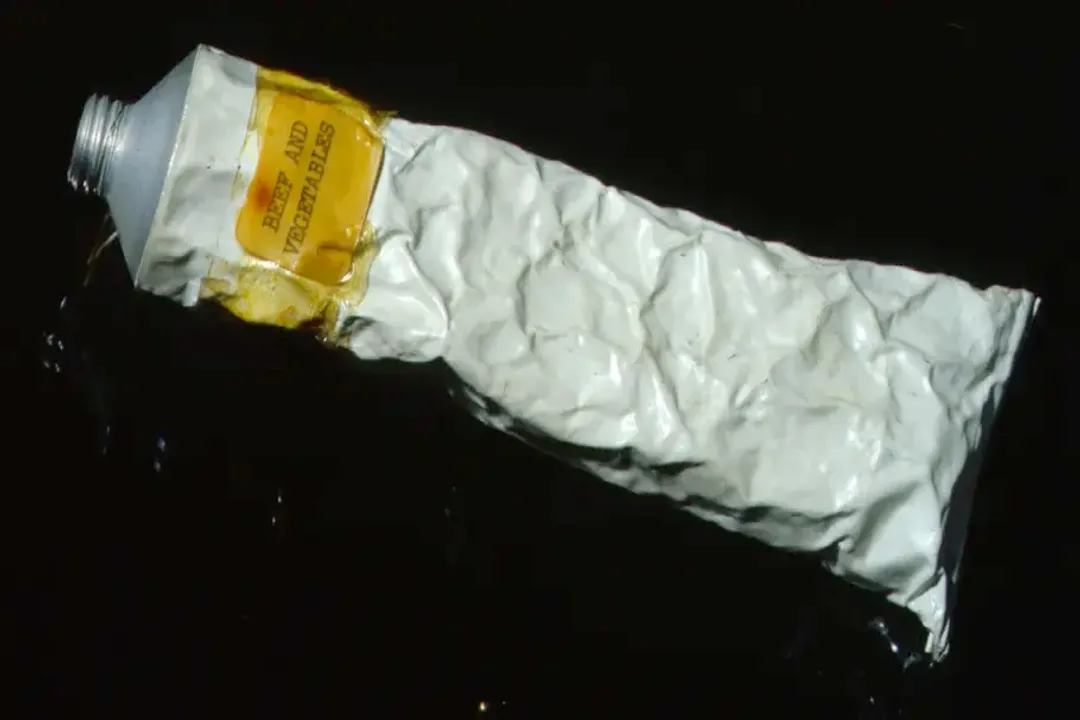
The process NASA utilizes is not mere dehydration, which can alter the texture and flavor of food significantly. Freeze-drying, or lyophilization, works through a more sophisticated method called sublimation. [10]
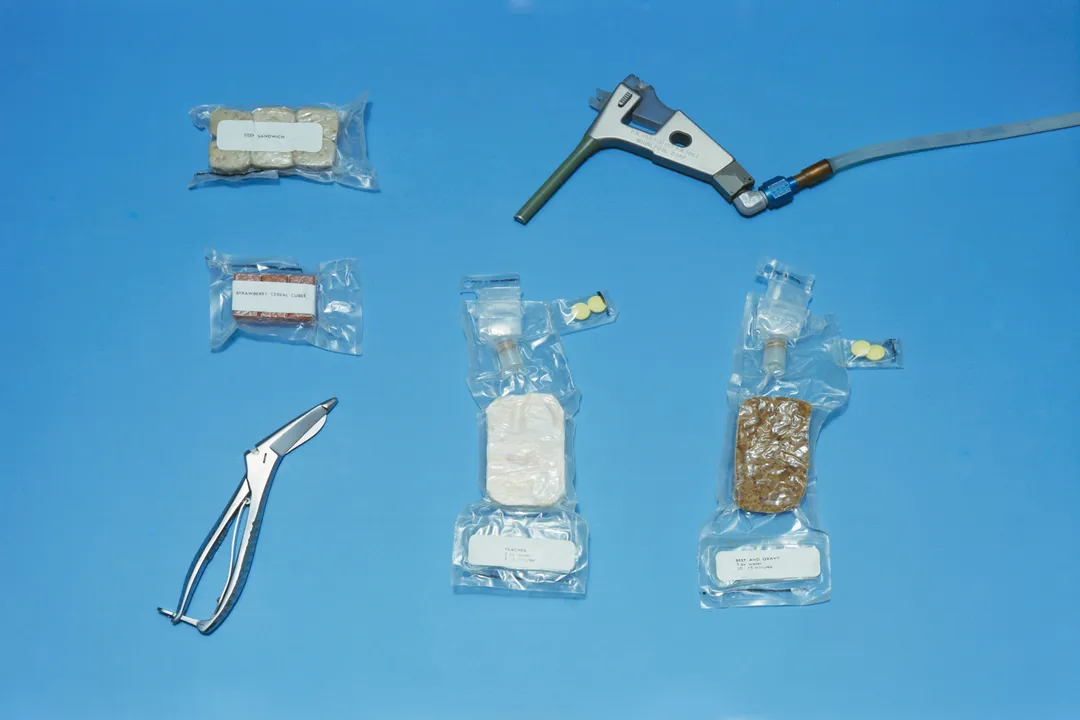
First, the food is frozen solid. Then, the chamber pressure is reduced, and heat is applied to the food. This causes the ice to turn directly into water vapor, skipping the liquid phase entirely. Because the water escapes as a gas, the cellular structure of the food remains largely intact. When an astronaut adds water back to the meal, the food rehydrates, returning to a texture and flavor profile close to the original fresh version. [9][10]
Comparison Table
To better understand why this choice is made, it is helpful to contrast the characteristics of standard food versus freeze-dried options in a space environment.
| Feature | Fresh/Frozen Food | Freeze-Dried Food |
|---|---|---|
| Weight | Heavy (high water content) | Extremely light |
| Storage | Requires cooling | Room temperature stable |
| Prep Time | Cooking required | Rehydration (hot/cold water) |
| Lifespan | Days/Weeks | Years |
| Launch Cost | High | Low |
Nutrient Stability
While weight and preservation are critical, astronauts also face physical stressors that require high-quality nutrition. Microgravity can cause muscle atrophy and bone density loss, so maintaining a balanced diet is non-negotiable. [5][8]
Freeze-drying is remarkably efficient at preserving the nutritional value of food. High-heat methods like canning can degrade vitamins and minerals. Because freeze-drying is done at low temperatures, it keeps the integrity of heat-sensitive nutrients intact. This ensures that the calories consumed are providing the essential vitamins and minerals needed to sustain human health in a high-radiation, microgravity environment. [9]
Space Ice Cream
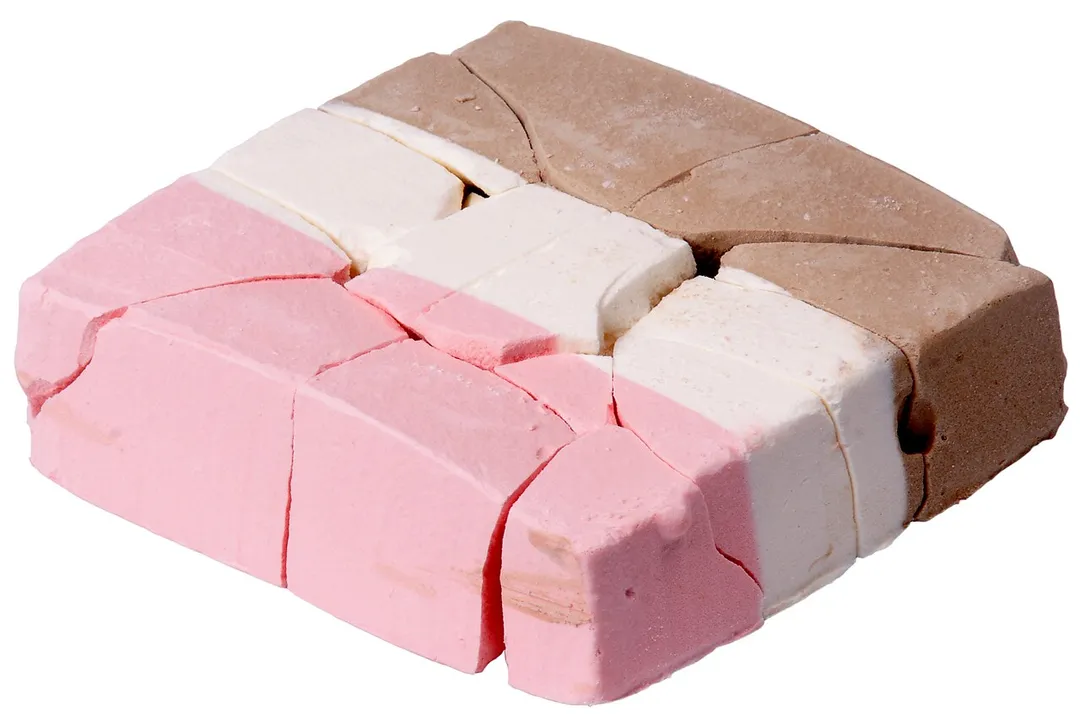
A common point of confusion is the existence of "astronaut ice cream." You will often find packets of freeze-dried ice cream in museum gift shops and novelty stores, leading to the assumption that this is a staple of the space diet. In reality, this is almost entirely a myth. [2]
Freeze-dried ice cream was developed for the Apollo missions, but it was rarely, if ever, eaten in space. Astronauts found it difficult to handle because the freeze-drying process turns the ice cream into a dry, crumbly powder. In a microgravity environment, this powder would float around the cabin, potentially getting into equipment or being inhaled by the crew. As a result, it never became a standard part of the flight menu. [2][8] Modern space food is far more palatable and manageable, often consisting of rehydratable pouches or thermostabilized meals that stay cohesive.
Commercial Applications
The technology NASA helped refine has trickled down into civilian life, benefiting industries far beyond aerospace. [4] The process is now used to create high-quality camping food, long-term emergency survival kits, and even gourmet ingredients for high-end restaurants.
The primary lesson from this history is one of efficiency. By solving the constraints of space flight—weight, volume, and spoilage—NASA created a methodology that makes food more accessible and durable for everyone. It serves as a reminder that the most radical innovations often come from solving the most basic human needs under extreme circumstances.
Thinking about the water economy is essential for future missions. On a space station, water is recycled. The moisture removed from the food during the freeze-drying process is not just waste; in a closed-loop system, it could theoretically be captured, filtered, and reused. This highlights that for space agencies, every molecule of matter must be accounted for and managed with high precision. [6]
By removing the liquid weight from the supply chain, NASA does not just save on launch costs. It effectively turns the spacecraft into a place where food can be reconstituted at will, turning the spacecraft’s own water supply into a cooking tool. This shift from "transporting food" to "managing dehydrated nutrients" represents a fundamental change in how humans approach the challenge of living and working in environments where resources are finite. [1][9]


Related Questions
#Citations
Freeze-Dried Foods Nourish Adventurers and the Imagination
Freeze-dried ice cream - Wikipedia
Why does NASA freeze-dry astronaut food? - Reddit
Freeze Drying Started with NASA, Right? - Legacy Food Storage
Astronaut Foods - Space Foundation
Why does NASA use freeze-dried food for the ISS?
What Really is Astronaut Food? | National Air and Space Museum
From Space to Spoon: How Freeze-Dried Foods Took Off with ...
Freeze-Drying Space Food - The Digital Literature Review