What dynamic stalemate maintains a star on the main sequence?
Answer
Inward pull of mass versus outward push from nuclear furnaces
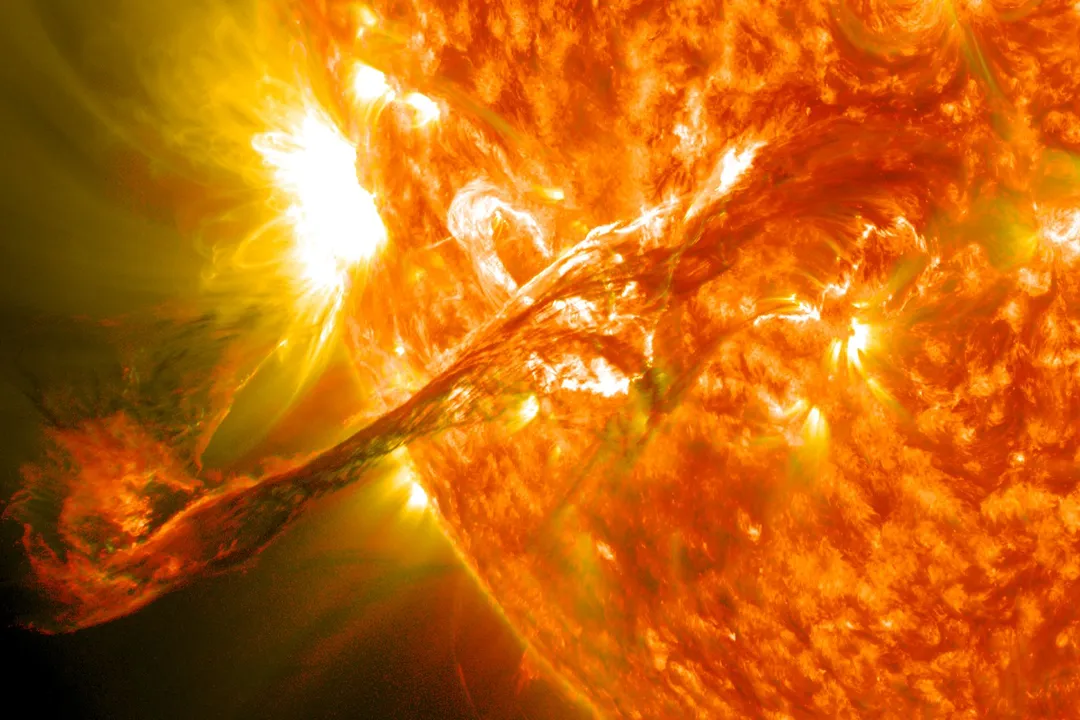
The star achieves a dynamic stalemate between the relentless inward pull generated by its immense mass and the powerful outward push generated by the nuclear fusion occurring deep within its core.
#Videos
Why Is the Main Sequence a Star's Longest Stable Phase? - YouTube
Related Questions
What process defines the longest phase of a star's evolution on the main sequence?What percentage of the Sun's entire lifespan is spent on the main sequence?Approximately what core temperature must be reached for a star to officially join the main sequence via nuclear fusion?What dynamic stalemate maintains a star on the main sequence?What are the two types of outward pressure generated by core fusion?What is the technical term for the state where outward pressure exactly matches inward gravitational pressure?In stars similar to or smaller than the Sun, which component of outward pressure is usually dominant?What factor is the single most important determinant of a star's position on the main sequence and how long it stays there?How does increased mass affect a star's required energy expenditure to maintain equilibrium?What signals the transition out of the main sequence phase for a star?What happens if the core temperature of a main sequence star momentarily increases slightly?