What does it mean if a star is on the main sequence?
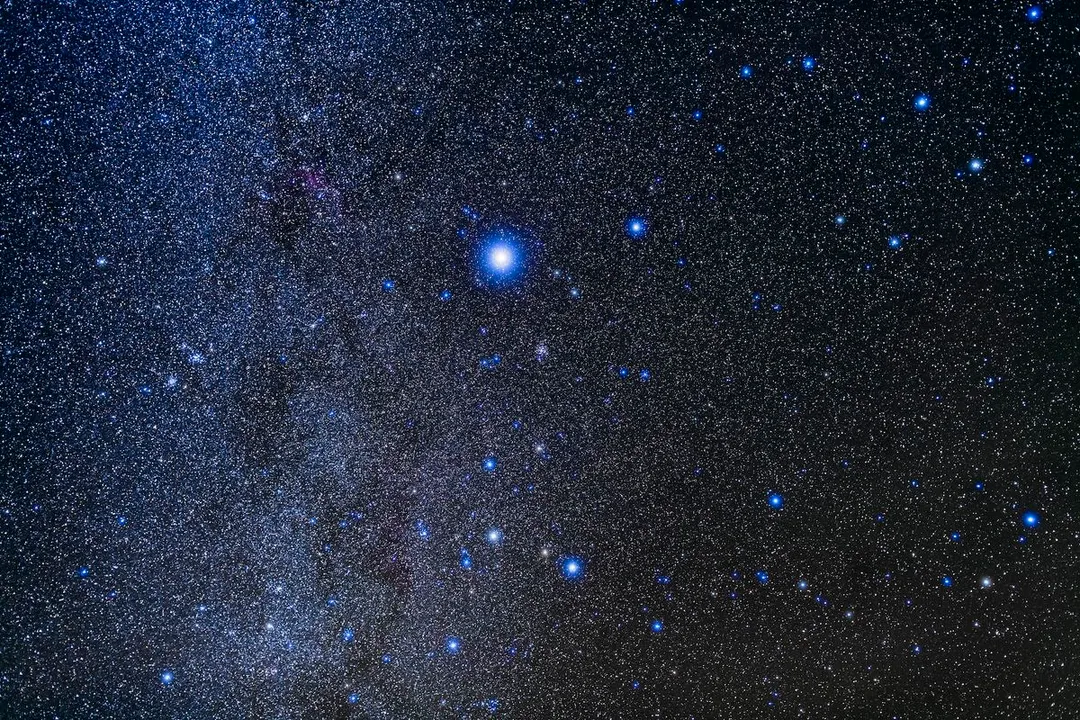
The concept of a star being "on the main sequence" is central to understanding the vast majority of stellar objects we observe across the cosmos, including our own Sun. [1][2][3] Simply put, a star on the main sequence is one that has settled into the primary, most stable, and longest-lived phase of its existence. [1][6][8] This status is defined entirely by what is happening deep within its core: the steady, controlled nuclear fusion of hydrogen atoms into helium atoms. [1][3][5]
This phase represents the prime of a star’s life, a period of relative calm after the turbulent collapse from a stellar nursery. For stars like our Sun, this "regular" burning stage accounts for roughly 90% of its total lifespan, making it the group that astronomers first needed to thoroughly understand. [3][6][8]
# Hydrostatic Balance
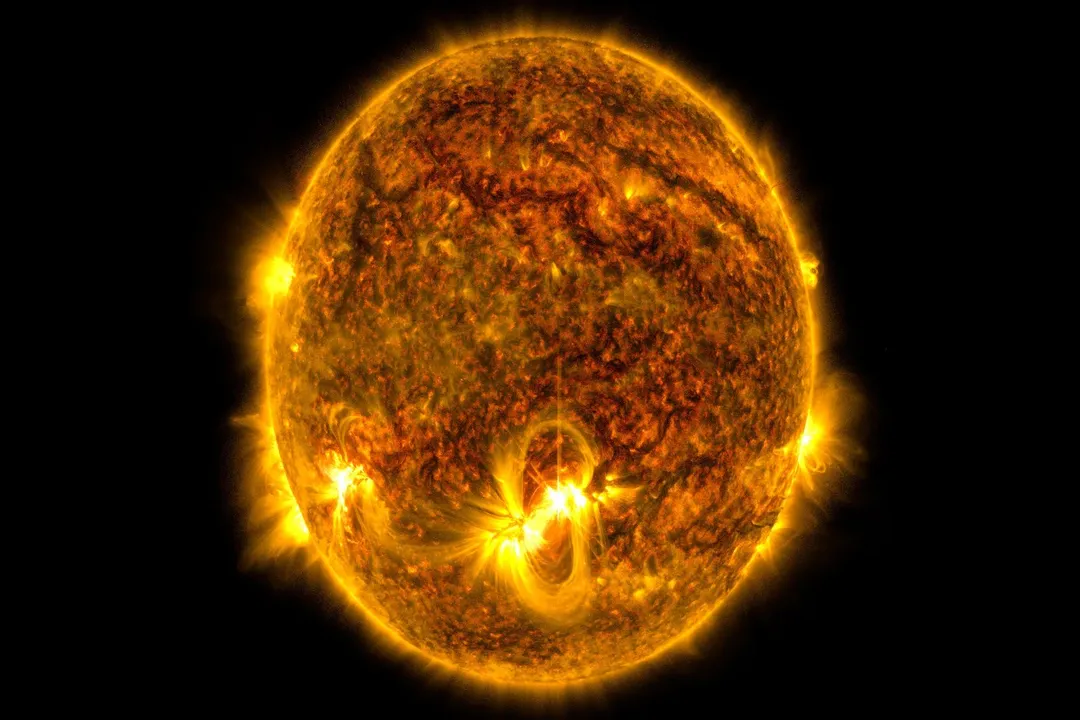
What grants a main sequence star its stability, allowing it to shine consistently for billions of years, is a delicate physical compromise known as hydrostatic equilibrium. [4][5][6] A star is constantly battling itself. On one side, the star’s entire mass generates an immense inward crush due to gravity. [4][9] On the other, the nuclear fusion occurring in the core releases tremendous thermal energy, which pushes outward as radiation pressure. [1][4] When these opposing forces are perfectly balanced at every point within the star, the star maintains a constant size and stable energy output; it is on the main sequence. [4][7] If the core fusion were to suddenly diminish, gravity would win, causing a collapse that would increase core temperature and pressure, thereby reigniting the fusion rate—a self-regulating "thermostat" effect. [2][5] This balance only holds as long as the primary fuel, hydrogen in the core, remains available. [2]
# Energy Generation Routes
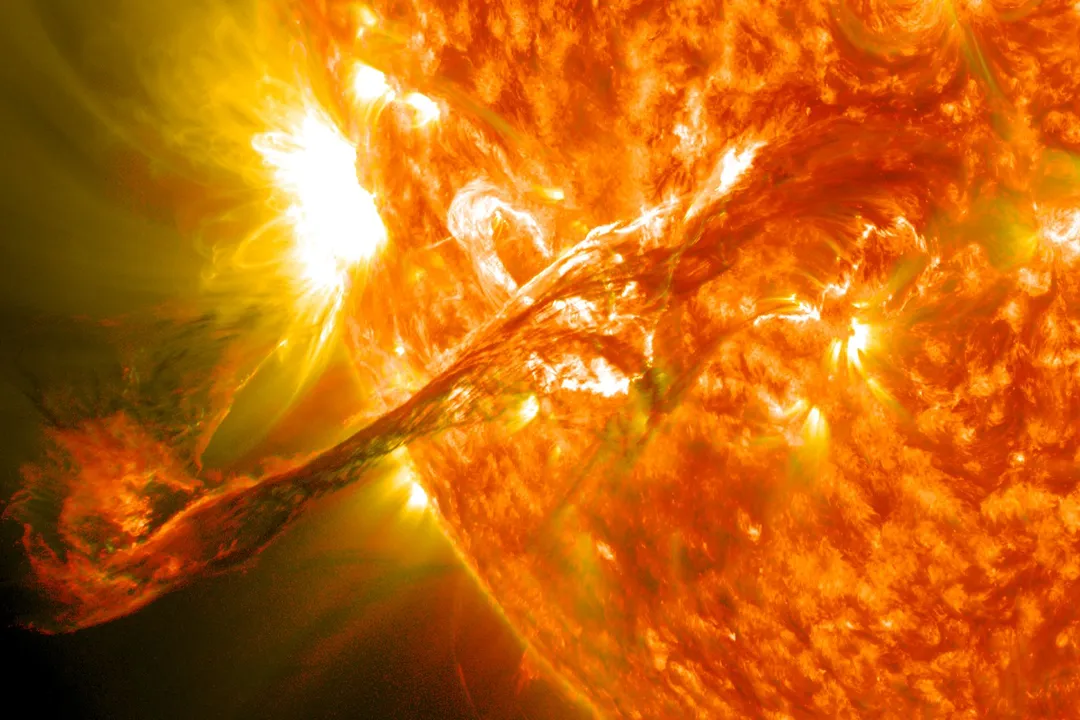
The specific mechanism by which hydrogen is converted into helium is highly dependent on the star's mass, which dictates its core temperature and density. [2] Astronomers generally divide the main sequence based on which fusion process dominates:
- Lower Main Sequence: Stars less massive than about $1.5$ times the mass of the Sun () primarily rely on the proton-proton (PP) chain reaction. [2] This process involves multiple steps where protons collide to eventually form helium-4, releasing energy, positrons, and neutrinos along the way. [4] Our Sun primarily utilizes this route. [2]
- Upper Main Sequence: Stars significantly more massive than the Sun possess cores hot enough to employ the CNO cycle. [2] This cycle also converts hydrogen to helium, but it uses carbon, nitrogen, and oxygen as catalysts (intermediaries). [2] Because this process is highly temperature-sensitive, it is much more efficient in hotter cores. [2] Stars roughly and above generate almost all their energy this way. [2]
The transition between these two dominant mechanisms happens over a very narrow range of stellar mass, highlighting a significant shift in core physics. [2]
# Mapping Luminosity
The main sequence is not a random scattering of stars; it is a distinct, continuous diagonal band when plotting a star's luminosity (absolute brightness) against its surface temperature (or spectral class) on a Hertzsprung-Russell (H-R) diagram. [2][3][6] This strong correlation means that for a main sequence star, just two properties—mass and initial chemical composition—determine its entire placement on the diagram. [2]
Hotter, more massive stars shine more intensely and thus occupy the upper-left region of the main sequence (spectral classes O and B, appearing blue or blue-white). [3][5][7] Conversely, cooler, less massive stars sit toward the lower-right (classes K and M, appearing orange or red). [3][7]
The relationship between mass () and luminosity () is surprisingly steep, often approximated by the relation for stars between $0.1$ and . [2][5] This steepness has an interesting implication for stellar populations: if a star is only five times the Sun's mass, its light output skyrockets to nearly 280 times that of our Sun, according to that approximation. [5] Conversely, a star with just one-tenth the Sun’s mass is a meager 1/3160th as luminous. [5] Given that the formation process tends to create far more low-mass stars than high-mass stars, and considering the extreme difference in their lifespans, it is no surprise that the main sequence band is overwhelmingly populated by these dimmer, less massive objects. [5][8]
# The Role of Internal Structure
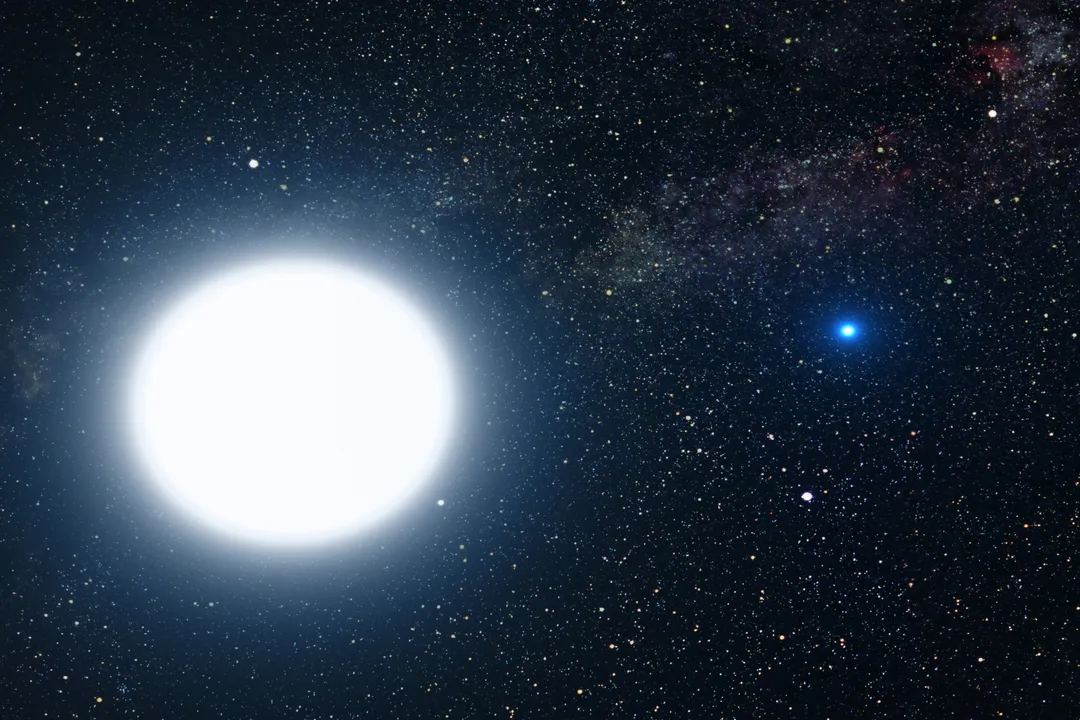
A star's internal structure directly influences how efficiently its core energy reaches the surface, subtly nudging its position on the H-R diagram even if its mass is the same as another star. [2] Energy is transported via two primary modes: radiation and convection. [2][4]
In stars more massive than about , the high energy generation from the CNO cycle is concentrated deep in the core, creating a steep temperature gradient that forces the core region to be convective. [2] This convection allows helium "ash" to be mixed away from the fusion zone, increasing the amount of hydrogen fuel available during the main sequence lifetime. [2]
In contrast, stars similar in mass to the Sun have a stable, radiative core surrounded by a convective zone near the surface. [2] This leads to a helium-rich core building up, surrounded by a hydrogen-rich outer layer. [2] At the very low-mass end, stars below about are convective throughout their entire volume. [2] This continuous mixing means the helium fuel is distributed more uniformly, leading to proportionally longer main-sequence lifespans, often extending to trillions of years, which is longer than the current age of the universe. [1][2]
Furthermore, a star's metallicity—the abundance of elements heavier than helium—also affects its position. Higher metallicity increases the opacity of the stellar material, which acts as an insulator, keeping the core hotter and speeding up nuclear fusion, which in turn shortens the time spent on the main sequence. [2] Stars with lower metallicity can sit slightly below the main sequence band and are sometimes called subdwarfs. [2]
# Lifetime and Evolution
The main sequence stage is essentially defined by the exhaustion of core hydrogen. [2][8] Despite massive stars having more initial fuel, their extreme gravity requires them to generate vastly more energy to maintain equilibrium, causing them to burn through their supply at an astonishing rate. [2][3]
Consider these general timelines, relative to the Sun's expected $10$ billion year hydrogen-burning life: [3][7]
- A star $10$ times the Sun's mass might only last $10$ to $20$ million years on the main sequence. [3][7][8]
- A Red Dwarf star, half the Sun's mass, can persist for $80$ to $100$ billion years, easily outlasting the current age of the universe ($13.8$ billion years). [3][7][8]
When the core hydrogen is depleted, the fusion pressure drops, and gravity takes over, causing the star to leave the main sequence, which is its move off that diagonal band on the H-R diagram. [2][7] The subsequent path is dictated by the remaining mass:
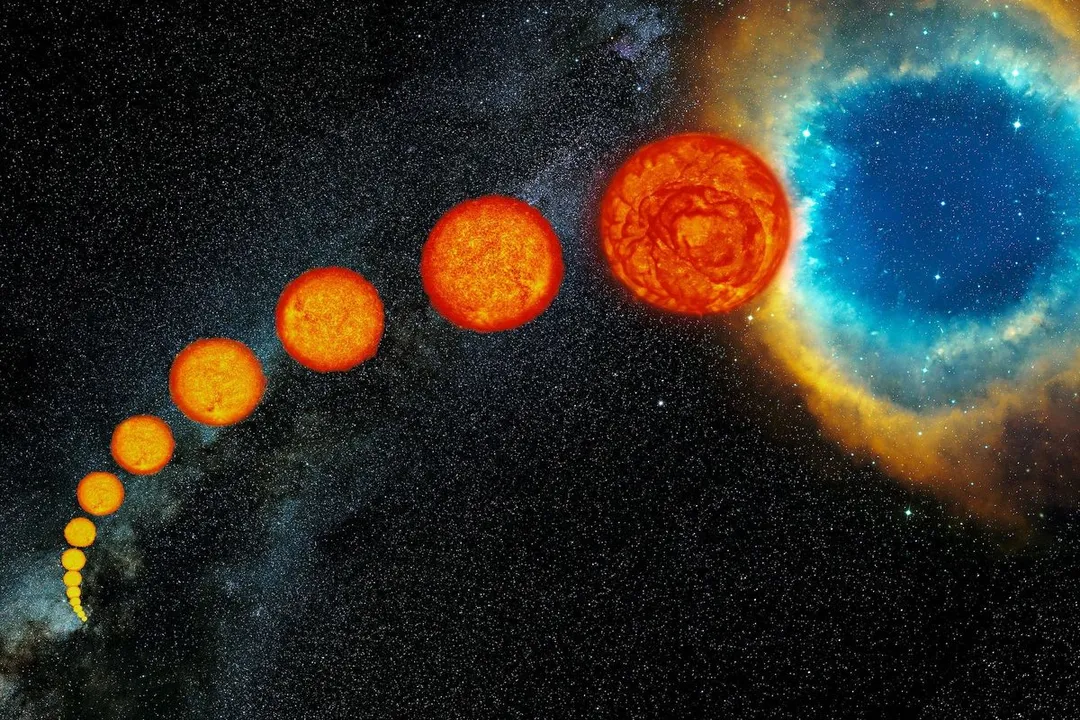
- Low to Intermediate Mass (like the Sun): The core contracts and heats, triggering hydrogen fusion in a shell surrounding the new helium core. This causes the outer layers to expand dramatically, cooling the surface, and the star becomes a red giant. [3] After helium fusion ignites in the core, it eventually puffs off its outer layers, forming a planetary nebula, leaving behind a hot, Earth-sized stellar cinder called a white dwarf. [3]
- High Mass: These stars skip the gentle red giant phase. Their core heat ignites fusion of heavier and heavier elements (helium, carbon, silicon, up to iron) over a few million years. [2] When the inert iron core forms, fusion stops releasing energy, leading to an immediate, catastrophic collapse and rebound—a supernova explosion. The remnant is either a neutron star or a black hole.
# Defining the Epoch
The main sequence, therefore, is more a description of a star's activity—sustained, core-based hydrogen fusion in hydrostatic balance—rather than a single, static type. [8][9] The H-R diagram reveals this entire sequence of activity, charting the differences in stellar physics based fundamentally on mass. [5] The vast span of time a star spends in this hydrogen-burning phase is not just an academic footnote; it is the primary window during which stable, long-term energy is supplied to a planetary system. [6] This sustained energy output is precisely what allows for the long, uninterrupted evolutionary process needed for complex biology to potentially arise on orbiting worlds. Without the reliable, multi-billion-year thermostat provided by the main sequence, the chance for any planet—including Earth—to develop life capable of looking up and asking what a main sequence star even is, would be vanishingly small. [6]
Related Questions
#Citations
Main sequence - Wikipedia
Main Sequence Stars: Definition & Life Cycle | Space
Main Sequence Star Lives | CK-12 Foundation
Understanding the Main Sequence - Teach Astronomy
I just learned about Main Sequence stars. What other types ... - Reddit
Star Basics - NASA Science
Main Sequence Star | Definition, Chart & Characteristics - Study.com
Star Life Cycle - ASPIRE
Main Sequence Stars | Research Starters - EBSCO