How is Jeff Bezos’s Blue Origin flight path differentiated from the typical trajectory followed by NASA astronauts?
Answer
His journey was suborbital, shooting up and falling back down.
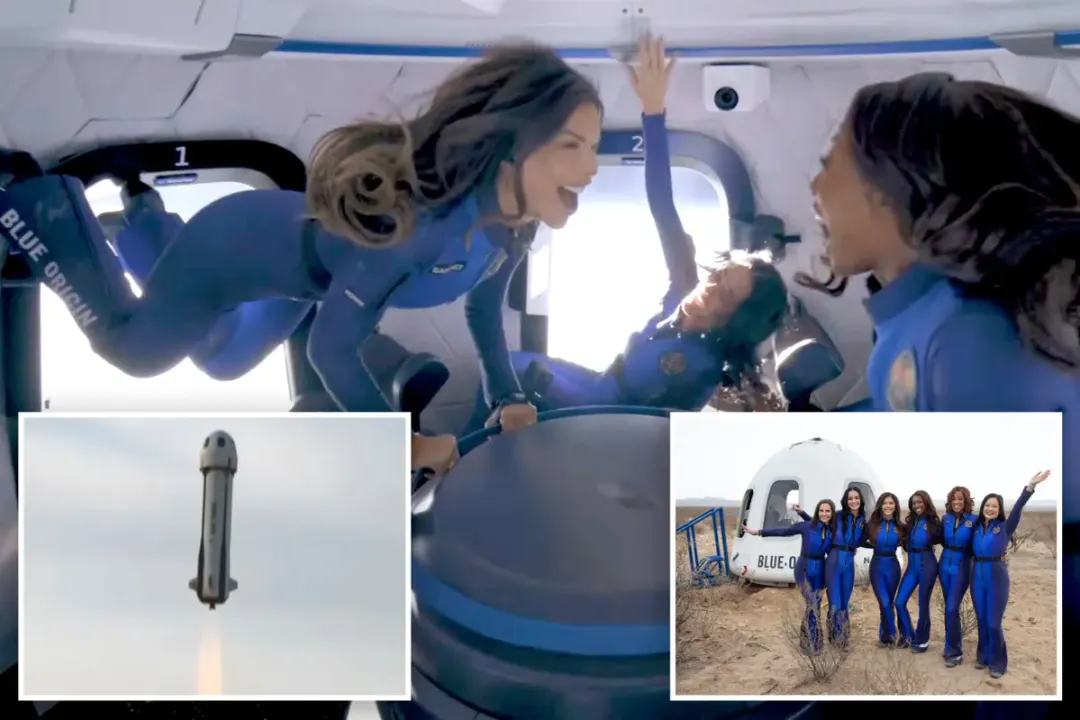
The primary difference between Bezos’s flight and typical NASA missions lies in the orbital mechanics. NASA astronauts are generally engaged in orbital missions, meaning their spacecraft achieves sufficient velocity to enter and maintain a stable path circling the Earth, often for days or weeks. Conversely, Bezos's Blue Origin flight was suborbital; the New Shepard rocket traveled upward, crossed the space boundary, experienced weightlessness briefly at its peak altitude (apogee), and then immediately began its descent back to Earth. This short, up-and-down trajectory defines the suborbital nature of the commercial tourist experience.
Related Questions
What is the altitude of the globally recognized Kármán line boundary of space?What action did the FAA take regarding commercial astronaut wings after the high-profile flights of Bezos and Branson?What specific distance, in miles, has the United States historically utilized as a benchmark for defining space for its own purposes?Under the established standard set by NASA, what is required in addition to flying above the Kármán line for an individual to be considered an astronaut?How is Jeff Bezos’s Blue Origin flight path differentiated from the typical trajectory followed by NASA astronauts?Before pausing wing issuance, what dual requirement did the FAA historically apply for awarding wings to commercial flyers?Regarding Jeff Bezos’s Blue Origin flight, approximately how long did he and the other passengers spend in weightlessness?How is the Blue Origin system generally designed regarding the operational input required from passengers like Jeff Bezos?What was the reported apogee altitude reached by Jeff Bezos’s Blue Origin *New Shepard* rocket?What conflict between regulatory standards creates the bureaucratic gray area for suborbital flyers like Bezos?