How does the physical size of Ganymede compare to other planetary bodies?
Answer
It is the largest moon in the solar system, surpassing the planet Mercury.
Ganymede holds the title of the largest moon in the solar system. Its massive scale is notable because it is not merely larger than other moons; it is actually larger in diameter than the planet Mercury. Despite its immense size, it remains an icy world, likely containing multiple layers of liquid water and ice beneath its thick surface shell. It serves as a vital case study for planetary scientists because it acts as an anchor for understanding how large-scale icy moons evolve and interact with the powerful magnetic environments of giant planets like Jupiter.
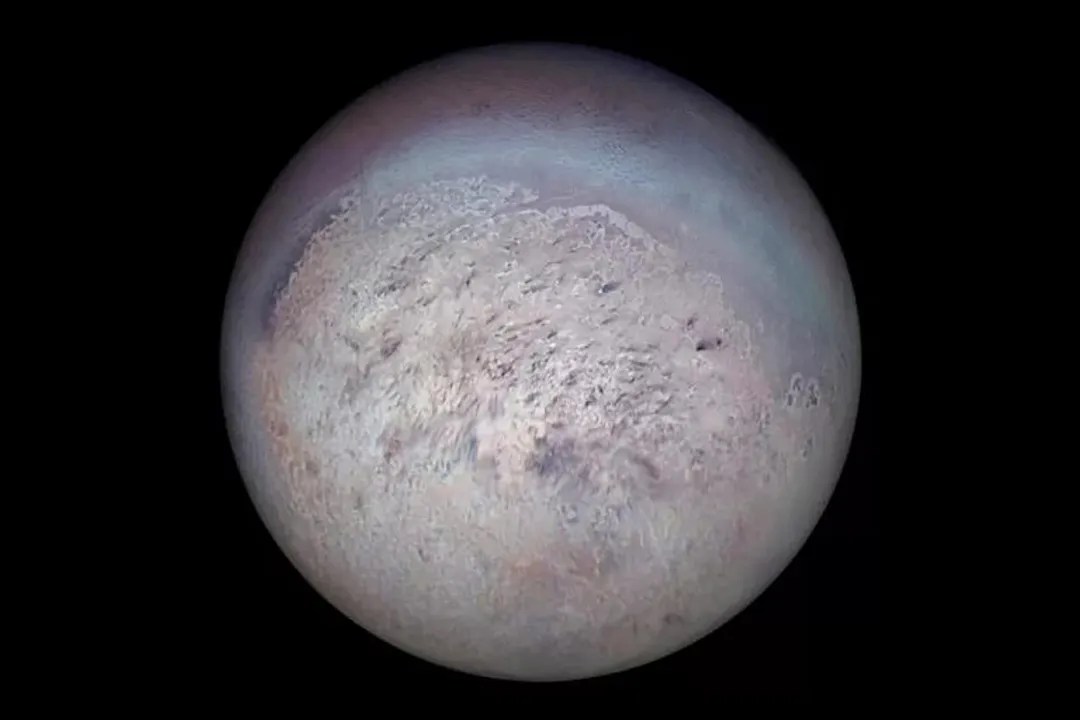
#Videos
The Weirdest Moons in the Solar System - YouTube
Related Questions
What specific feature makes Europa a primary target in the search for potential life?What distinguishes the hydrologic cycle on Titan from the water-based cycle on Earth?Why is the moon Enceladus considered highly accessible for scientific investigation?What is the primary mechanism causing the intense volcanic activity observed on Io?Which unique characteristic differentiates the moon Ganymede from other moons in the solar system?According to the scientific accessibility metric, why does Enceladus rank higher than Europa?What is the visual appearance of the surface of the volcanic moon Io?What is a notable property of the atmosphere surrounding Saturn's moon Titan?How does the physical size of Ganymede compare to other planetary bodies?Why is the size of a moon often not the best indicator of its scientific priority?