What is the most interesting moon in our solar system?
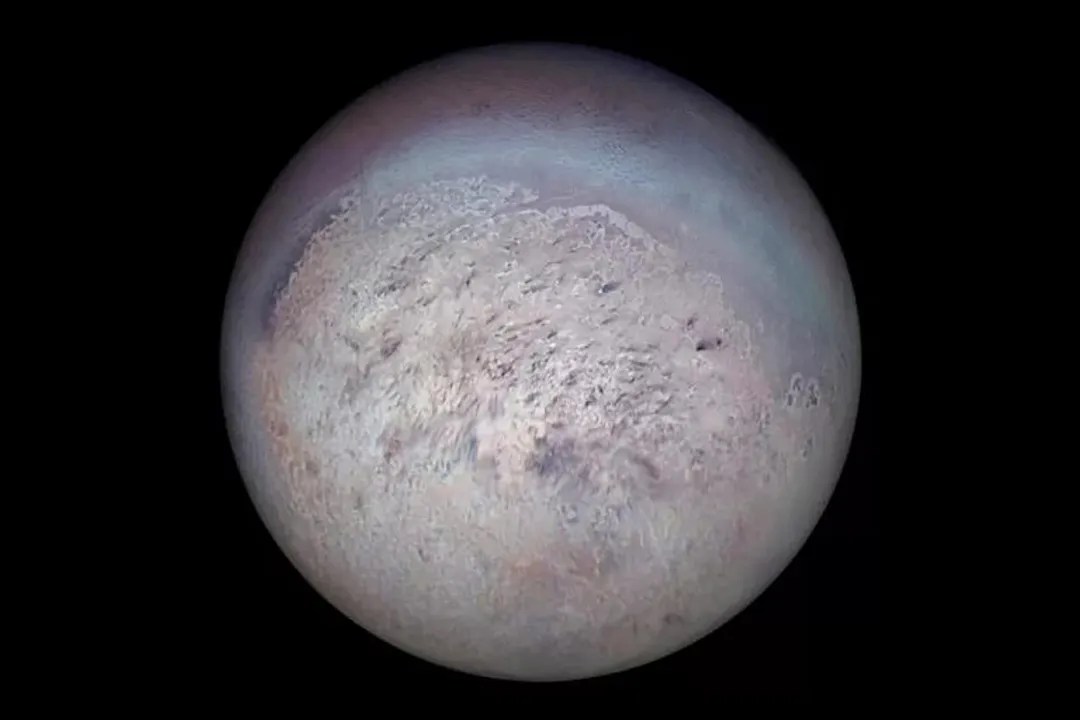
When you consider the neighborhood we live in, it is easy to focus primarily on the eight major planets. However, if you look past the giant gas spheres and rocky worlds, you find a collection of moons that are arguably more dynamic and geologically active than their parent planets. [1][3] The solar system hosts hundreds of moons, each with distinct personalities, but a handful stand out as the most fascinating objects for scientists and enthusiasts alike. [4][9] Determining which one is the most interesting is less about a single winner and more about what you value: potential for life, chemical complexity, or raw geological fury. [2][7]
# The Candidates
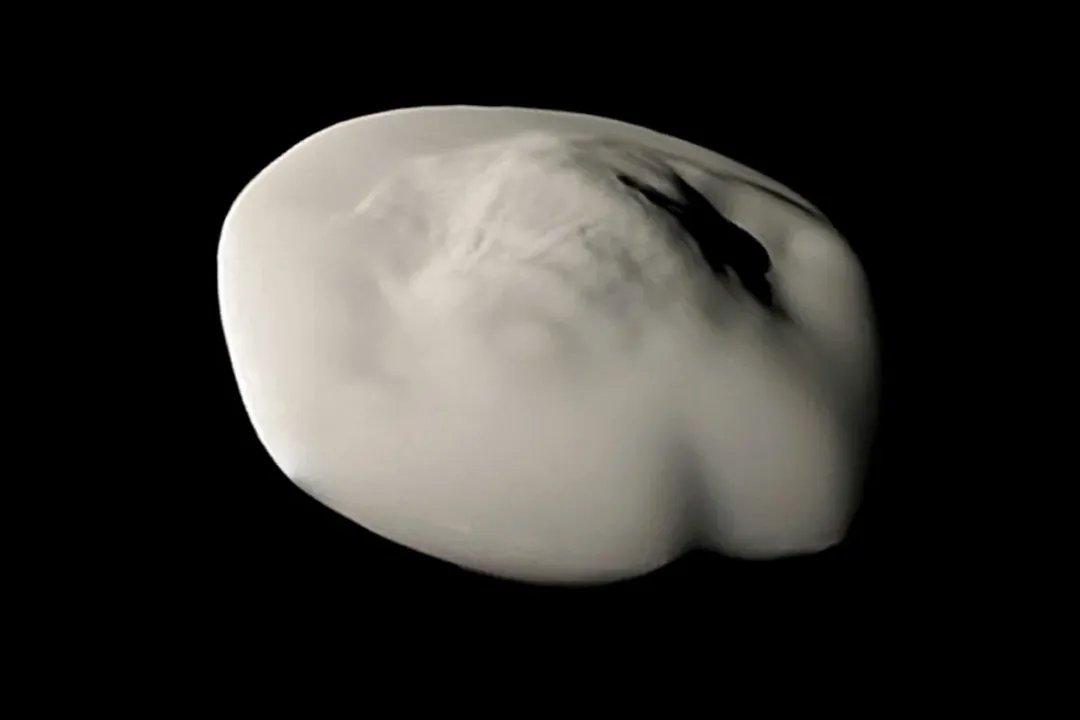
When researchers discuss the most compelling moons, the conversation almost always gravitates toward the same few names. These bodies are not merely cold, cratered rocks. Many of them possess active volcanism, thick atmospheres, or hidden liquid water oceans buried deep beneath icy crusts. [3][4] The criteria for "interesting" often depend on whether one is looking for signs of life or simply trying to understand how planetary bodies evolve. [2] While the giants like Jupiter and Saturn dominate the system, their moons act as miniature solar systems in their own right. [8]
# Europa
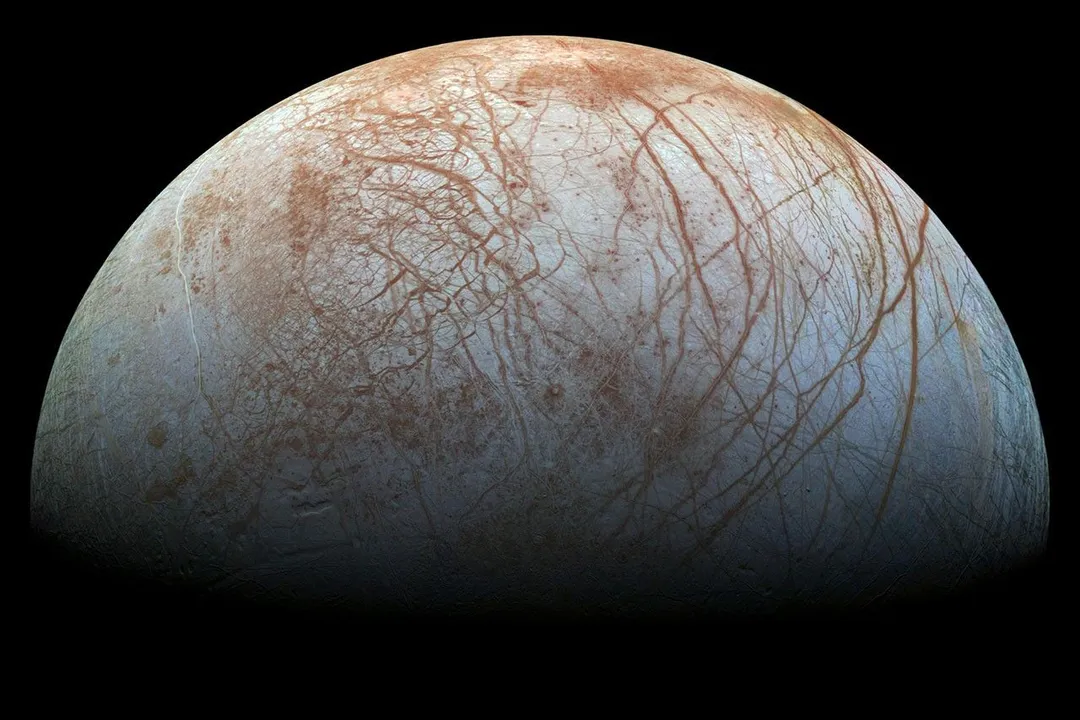
Europa is frequently cited as the top priority for astrobiologists. [1][4] Orbiting Jupiter, this moon is slightly smaller than Earth’s moon, but it hides a massive secret beneath its surface. [1] Scientists believe Europa hosts a saltwater ocean that contains more water than all of Earth's oceans combined. [1] The ice shell that covers this ocean is cracked and chaotic, suggesting that the interior is not static but rather moving and shifting. [1][8]
What makes Europa so captivating is the possibility that its ocean is in contact with a rocky seafloor. This interface could provide the chemical energy necessary to support life, similar to hydrothermal vents on the bottom of Earth's oceans. [3][8] Because the radiation environment around Jupiter is intense, reaching the surface is difficult, but the sheer scientific return of investigating a subsurface liquid water environment keeps Europa at the top of many priority lists. [4][8]
# Titan
If Europa represents the search for life as we know it, Saturn’s largest moon, Titan, represents the search for life in a way that is chemically unfamiliar. [4] Titan is the only moon in the solar system known to have a dense, substantial atmosphere. [3] This atmosphere is so thick that it creates a hazy, orange sky, and the surface pressure is higher than what you would experience on Earth. [1]
Titan is unique because it features an active hydrologic cycle, but instead of water, it rains liquid methane and ethane. [1][3] These hydrocarbons form rivers, lakes, and even vast seas on the surface, making it one of the most Earth-like bodies in terms of its surface geology. [4] The complexity of Titan’s chemistry—rich in organic compounds—makes it a natural laboratory for studying prebiotic conditions. [3] It is a world where geography behaves like Earth's, yet the substances involved belong to the realm of organic chemistry and petrochemicals.
# Enceladus
While Titan is massive and chemically complex, Saturn's smaller moon, Enceladus, offers a different kind of thrill. [1] Enceladus is famous for its icy plumes that blast water vapor and organic particles hundreds of miles into space. [1][4] These geysers are powered by tidal heating, caused by the gravitational push and pull of Saturn and other moons, which keeps the moon's interior warm enough to maintain a liquid ocean. [3]
Enceladus is arguably one of the most accessible targets for space missions. Because it ejects material directly into space, a spacecraft does not even need to land to study the composition of its internal ocean. [3] By simply flying through the plumes, sensors can analyze the chemistry of the water coming from within. [1] This makes Enceladus an incredibly efficient target for scientific study, as it effectively delivers its own samples into orbit for collection.
# Io
If you prefer violence and heat over quiet oceans, Jupiter’s moon Io is the most interesting object in the solar system. [1] Io is the most volcanically active body we have observed, far exceeding the volcanic activity of Earth. [1] Its surface is constantly being reshaped by hundreds of active volcanoes, some of which launch plumes of sulfur and ash dozens of miles high. [1]
The cause of this activity is intense tidal heating. Io is trapped in a gravitational tug-of-war between Jupiter and the larger moons Europa and Ganymede. [8] This constant stretching and squeezing generates enormous heat, which keeps the interior molten and the surface in a constant state of flux. [1][4] Io is a harsh, sulfurous world that reminds us that some moons are living, breathing entities, albeit in a way that is incredibly hostile to life.
# Ganymede
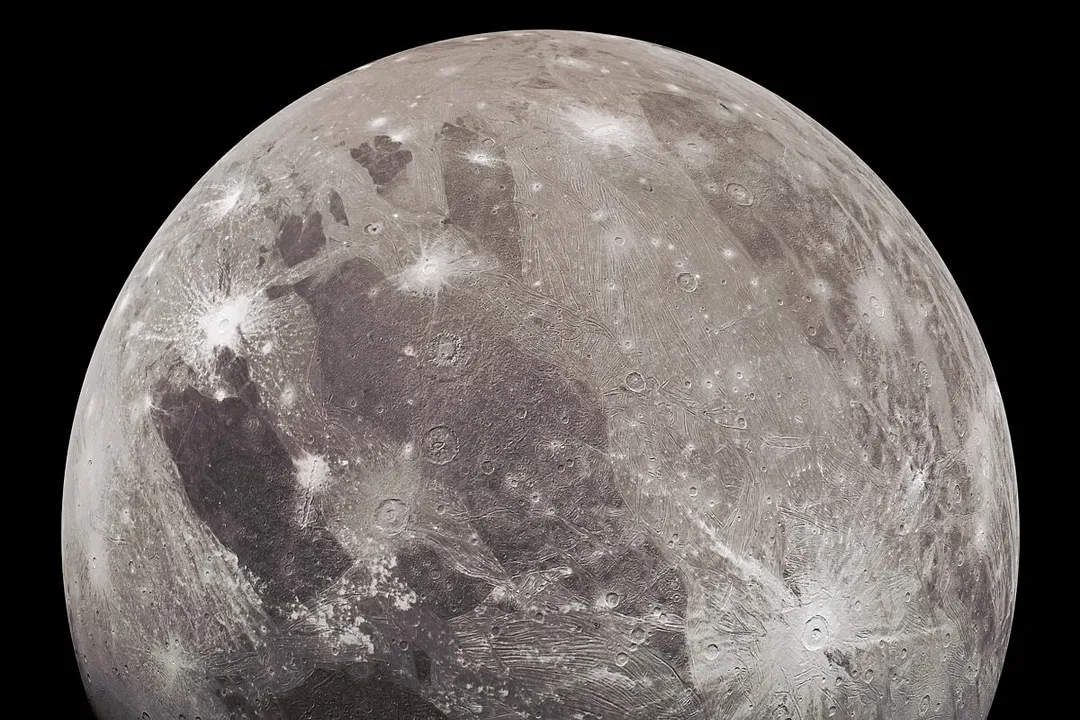
Ganymede holds the title of the largest moon in the solar system, even surpassing the planet Mercury in size. [10] It is the only known moon to possess its own magnetic field, which creates a complex interaction with the magnetosphere of its parent planet, Jupiter. [1][8] This magnetic field causes aurorae to circle the moon's poles, similar to the Northern Lights on Earth. [10]
While Ganymede is often overshadowed by the high-profile potential for life on Europa or the atmospheric complexity of Titan, it remains a critical subject of study. [10] It is believed to have a thick ice shell and possibly multiple layers of liquid water and ice beneath its surface. [8] Ganymede is essentially a massive, magnetic, icy world that serves as an anchor for understanding how large moons evolve and interact with giant planets. [10]
# Comparative Data
To understand why these moons generate so much interest, it helps to look at the differences in their physical characteristics. The following table provides a quick reference for these five major satellites.
| Moon | Parent | Diameter (km) | Key Feature |
|---|---|---|---|
| Ganymede | Jupiter | 5,268 | Own magnetic field |
| Titan | Saturn | 5,150 | Thick atmosphere |
| Io | Jupiter | 3,643 | Intense volcanism |
| Europa | Jupiter | 3,121 | Subsurface ocean |
| Enceladus | Saturn | 504 | Water geysers |
Data compiled from NASA and planetary science resources [1][8][10].
# Scientific Value
An interesting trend in planetary science is that the size of a moon does not always correlate with its scientific priority. For instance, Enceladus is tiny compared to Ganymede, yet its plumes make it a high-value target because they provide a direct window into its subsurface ocean without the need for complex drilling. [1]
When analyzing these targets, scientists often use a "sample accessibility" metric. This is an informal way to rank how easily we can get data from the body:
- Low Accessibility (Requires Landing/Drilling): Europa, Ganymede. These worlds have thick ice shells, and we do not yet have the technology to drill into them safely and consistently.
- Medium Accessibility (Atmospheric Entry): Titan. We have landed probes like Huygens on the surface, but the thick atmosphere and liquid environment make it a complex challenge.
- High Accessibility (Plume Sampling): Enceladus. This is the "gold standard" for easy access, as the moon ejects its interior content into space for us to catch.
This creates a paradox where smaller moons often provide faster, cheaper, and more frequent data than the larger, more prominent moons. If you are looking for the most interesting moon based on the ease of gathering new discoveries, the smaller, active moons often win the day.
# Future Outlook
The study of these moons is entering a new era. Missions currently in transit or in the planning stages are designed to prioritize these icy worlds. [8] The focus is shifting away from simple flybys toward long-term observation and potential orbital missions. [3]
Ultimately, the choice of the "most interesting" moon is a moving target. As we gain more data, the priorities shift. We might start with an interest in the sheer size of Ganymede, but a single discovery of an organic compound in the plumes of Enceladus can instantly make it the most critical object in the solar system. [1] The diversity among these worlds—from the volcanic hellscape of Io to the methane-drenched surface of Titan—demonstrates that our solar system is far more varied and active than one might assume from a distance. [1][4] Whether you are drawn to the search for biological potential or the raw power of geological forces, these moons offer a rich field for investigation that will keep scientists busy for decades. [3][7]
#Videos
The Weirdest Moons in the Solar System - YouTube
Related Questions
#Citations
10 Things: Our Solar System's Most Marvelous Moons - NASA Science
What is the most interesting moon in the solar system that doesn't ...
Our favorite moons of the Solar System | The Planetary Society
20 of the most amazing moons in the Solar System
The Weirdest Moons in the Solar System - YouTube
What are the most interesting moons in our solar system? - Facebook
Which is the most astonishing moon in the solar system? - Quora
What planet/moon in our solar system fascinates you the most?
Ganymede (moon) - Wikipedia