Why is SpaceX needed?

The ascent of SpaceX from a startup to a dominant force in rocketry isn't merely a story of corporate success; it represents a fundamental re-alignment of how humanity approaches space exploration and access. For decades, the cost of launching mass into orbit served as the primary bottleneck, effectively keeping space reserved for government agencies with massive budgets. The necessity for a company like SpaceX arises directly from the need to shatter that economic barrier, introducing a disruptive business model driven by vertical integration and radical innovation in reusability that the traditional aerospace sector struggled to adopt. [2][3] The very existence of SpaceX answers the unspoken question of whether space access could ever become routine, affordable, and frequent enough to support industries beyond flag-planting missions.
# Economic Shift

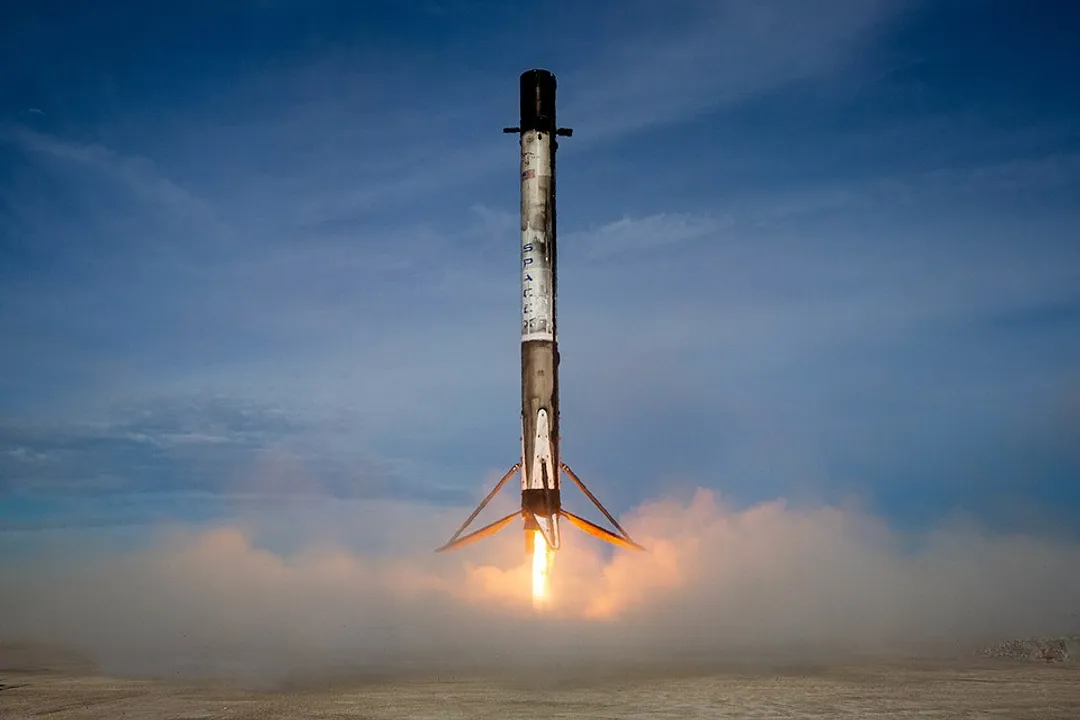
The single most compelling argument for the necessity of SpaceX lies in its pioneering and successful implementation of reusable rocket technology, specifically with the Falcon 9 first stage. [2][3] Before this, launch vehicles were almost entirely expendable, meaning a multi-million dollar asset was destroyed after a single use, necessitating the construction of a new one for every flight. [4] This created an unsustainable cost structure for frequent missions.
SpaceX changed the calculus by treating the booster not as a disposable shell, but as an asset intended for refurbishment and rapid reuse. [3] This dramatic reduction in marginal launch costs is what propelled them into dominance over many legacy providers. [2]
To illustrate the practical impact of this necessity, consider a comparison between the old paradigm and the new:
| Factor | Traditional Expendable Launchers (Pre-Falcon 9 Era) | SpaceX Reusable System (Falcon 9) |
|---|---|---|
| Booster Cost Recovery | Zero (asset destroyed) | High recovery rate through refurbishment |
| Cost Driver | Manufacturing of every single component per launch | Refurbishment and fuel |
| Flight Frequency Potential | Limited by manufacturing queue | Limited primarily by operational turnaround time |
| Overall Mission Cost | Extremely high, dictated by full vehicle production | Significantly reduced, enabling more missions [4] |
This ability to bring down costs isn't just about saving money; it's about enabling more activity. When the barrier to entry drops, the volume of potential commercial, scientific, and national security payloads that can afford a ride increases, effectively expanding the entire space economy. [2] This capability shift is a key reason why they are now relied upon heavily for government and commercial transport alike. [2]
# NASA Partnership
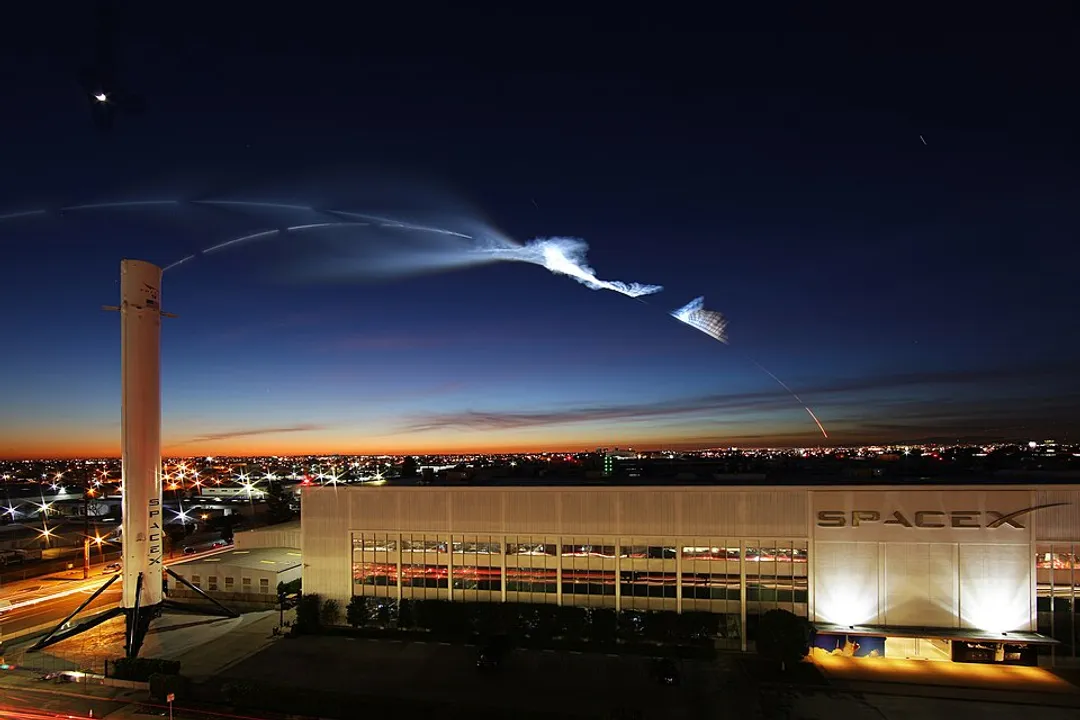
The relationship between NASA and SpaceX highlights another area where the company proved necessary. For a long time, government agencies like NASA designed and built their own spaceflight hardware, often through large, established aerospace contractors. [4] However, this approach was frequently criticized for being slow and extremely expensive. [4]
NASA recognized the need for a new model, one that outsourced the service—like transporting cargo or astronauts—rather than purchasing the hardware outright and managing its development. [4] This led to commercial contracts, such as the Commercial Crew Program, where NASA became a customer rather than the sole developer. [4] SpaceX, with its Crew Dragon capsule, stepped in to fill this gap because their rapid development cycle and lower operating costs made them a compelling partner. [4]
The necessity here stems from a philosophical difference in project management. Traditional government procurement often prioritizes meticulous, risk-averse design reviews over speed, leading to years of delays and cost overruns. [4] In contrast, SpaceX operates with a mentality more akin to a venture-backed tech company, accepting higher initial risk in development for faster iteration and eventual long-term efficiency. [2] NASA chose to work with SpaceX precisely because it offered a path forward when the legacy in-house development route seemed stalled or too costly for critical services like crew transport to the International Space Station (ISS). [4] For example, SpaceX successfully developed and returned American crewed launch capability after the retirement of the Space Shuttle program, a capability that the US government needed available. [3]
# Speed of Development
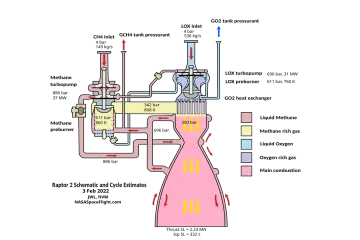
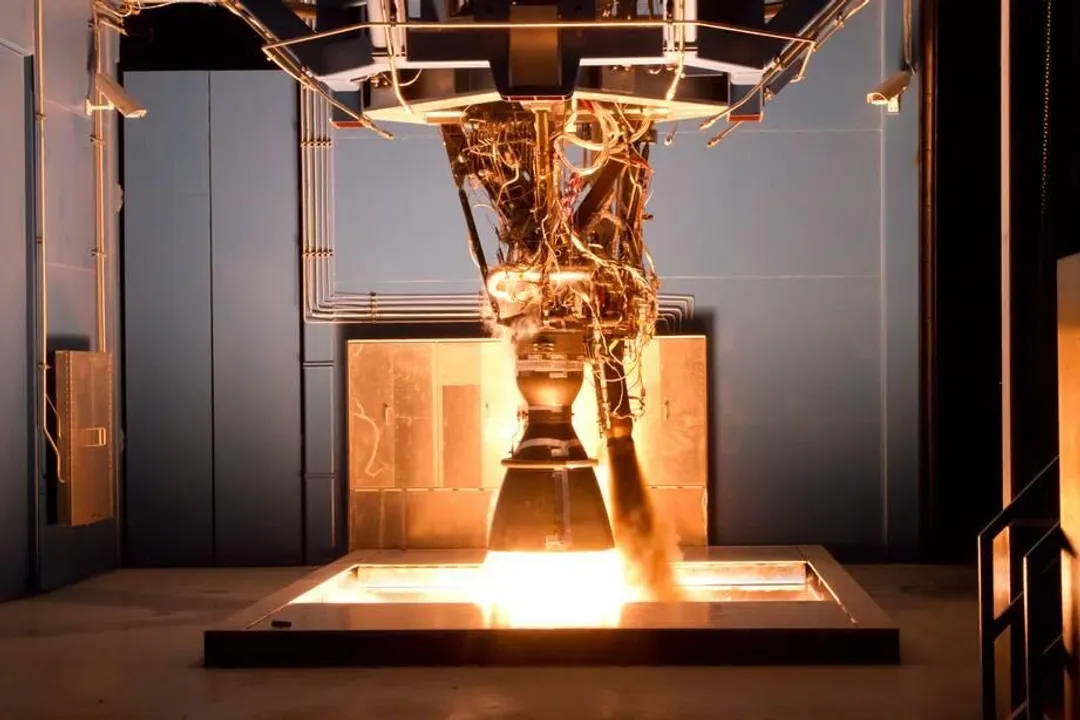
The pace at which SpaceX develops and tests new hardware starkly contrasts with the traditional aerospace industry's pace, making their approach necessary for advancing capabilities quickly. [2] This aggressive development culture, often involving public testing and learning from failures—such as the various Raptor engine tests or early Starship prototypes—pushes the boundaries of what is thought achievable in short timeframes. [2][3] While this style carries inherent risks that concern some observers, it also drives innovation at a rate that government-managed programs historically cannot match. [2]
The drive for speed is intrinsically linked to their ultimate ambition: making life multi-planetary. [3][8] Building a system capable of transporting large numbers of people and significant cargo to Mars requires capabilities far exceeding current launch technology. Therefore, the necessity of SpaceX is tied to the perceived urgency of achieving that long-term goal, demanding a company willing to operate outside the established, slower-moving conventions. [6] The development of Starship, intended to be fully and rapidly reusable, exemplifies this push toward a truly transformative transportation system. [6]
# Commercialization and Market Structure
SpaceX's impact extends to the structure of the entire space market. Its success has forced competitors to adapt, adopt reusable concepts, or risk obsolescence, thus injecting a competitive element into a sector that was largely insulated before. [2] Furthermore, the sheer scale of SpaceX's operations and its perceived trajectory has led to significant financial interest, culminating in plans for the company to eventually go public. [7]
This transition toward a public offering, though years in the making, suggests that SpaceX is moving past the purely "startup" phase and establishing itself as a mature, albeit aggressive, entity whose services—from satellite deployment (Starlink) to deep-space missions—are deemed essential infrastructure. [7] The need for a private entity with this level of vertical control, from manufacturing to launch operations, ensures a single, focused entity can drive toward ambitious goals without the administrative drag that sometimes affects government programs. [4]
If we look at the necessary components for sustained, ambitious space exploration, a private company capable of self-funding ambitious long-term projects like Mars settlement, while simultaneously serving immediate government and commercial needs, becomes an indispensable component of the modern space ecosystem. This dual role—market disruptor and essential service provider—is perhaps its most unique and necessary feature today. [2][8]

# The Future Imperative
The ongoing necessity of SpaceX is fundamentally tied to its stated mission: ensuring the long-term survival of humanity by establishing a permanent presence on other celestial bodies, primarily Mars. [8] This is not a mission typically prioritized by traditional aerospace contractors whose contracts usually revolve around specific, near-term deliverables for government agencies. [6]
The vision demands extremely high flight cadence and unprecedented payload capacity, which is why Starship is seen by some analysts as the logical evolution for future missions, potentially even replacing current NASA systems like the SLS for certain applications due to its lower projected cost per launch. [6] The argument suggests that if NASA aims to go to the Moon or Mars in a sustained manner, partnering with the entity actively building the necessary heavy-lift, reusable infrastructure, rather than trying to build a competing, slower system, becomes the pragmatic necessity. [6]
The company's existence ensures that the goal of making humanity multi-planetary remains a primary, aggressively pursued objective within the space industry. Without this driving force, the timeline for such monumental goals might stretch indefinitely, trapped by the conservatism inherent in purely government-funded, phased procurements. [2][3] SpaceX fills the role of the necessary disruptor, applying intense commercial pressure to drive down costs and increase flight rates, making the extraordinary seem merely difficult, rather than impossible. [4] Their work signals a maturing industry where private capital and private ambition are now the primary engines for expanding humanity's reach into the solar system. [3]
#Videos
Has SpaceX Done Anything NASA Hasn't? - YouTube
Related Questions
#Citations
what is it about SpaceX that is fostering their success in so many ...
SpaceX now dominates rocket flight, bringing big benefits ... - Science
SpaceX - Wikipedia
Why does NASA choose to work with SpaceX instead of building ...
Has SpaceX Done Anything NASA Hasn't? - YouTube
NASA should consider switching to SpaceX Starship for future ...
After years of resisting it, SpaceX now plans to go public. Why?
SpaceX
Why do we need NASA when we have SpaceX?