Why does a star get bigger when it becomes a red giant?
Stars are essentially massive, self-regulating machines powered by gravity and nuclear fusion. For the vast majority of their existence—known as the Main Sequence—stars live in a state of delicate equilibrium called hydrostatic equilibrium. [5] In this state, the inward pull of the star's own immense gravity is perfectly balanced by the outward pressure generated by the fusion of hydrogen into helium within the core. [2][8] This balance keeps the star stable, shining brightly and maintaining a relatively constant size for millions or even billions of years. [5]
The transformation into a red giant begins when this fuel supply runs low. [1] This is not a sudden explosion, but a gradual process of energy reorganization that changes the entire structure of the star. [9] When a star reaches the end of its hydrogen-burning phase, the core no longer generates enough outward pressure to hold back the weight of the outer layers. This shift in the balance of forces triggers the dramatic physical transformation that turns a standard star into a bloated red giant. [1][7]
# Fuel Exhaustion
The life of a star depends entirely on the hydrogen in its core. During the Main Sequence phase, the core remains hot and dense enough to fuse hydrogen atoms into helium. [2] This fusion reaction releases a tremendous amount of energy, creating the outward radiation pressure necessary to counteract gravity. [5] However, the amount of hydrogen available in the core is limited. Eventually, the core runs out of hydrogen, leaving behind an inert, helium-rich center. [1][8]
Without hydrogen fusion in the core, the energy output drops, and the radiation pressure that once supported the star against gravity begins to fade. [3] Gravity, which has been waiting for this moment, immediately begins to compress the core. As the core contracts, it becomes much denser and hotter, but since it is no longer fusing hydrogen, it cannot generate the outward pressure needed to regain stability. [1][5]
# Shell Burning
While the core is collapsing, the surrounding layers of the star are still rich in hydrogen. As the helium core contracts, it releases gravitational potential energy, which heats up the layer of hydrogen immediately surrounding it. [1][3] This temperature increase becomes so high that the hydrogen in this shell ignites, beginning its own fusion process. [2]
This is where the star's dynamic changes significantly. The shell burning is actually much more intense than the original core fusion was. [5] This new, powerful source of energy creates a surge of radiation pressure that pushes outward, far stronger than the original pressure provided by the core. [7] This intense pressure acts on the outer layers of the star—the envelope—causing them to expand rapidly. [3][9]
To visualize how different the star becomes during this period, consider the following comparison of physical properties between a typical Main Sequence star and its future red giant phase.
| Property | Main Sequence Star | Red Giant Phase |
|---|---|---|
| Core State | Hydrogen fusion | Helium core (contracting) |
| Energy Source | Core hydrogen fusion | Hydrogen shell burning |
| Star Diameter | Stable/Constant | Greatly increased (bloated) |
| Surface Temperature | Hotter (appears whiter/yellow) | Cooler (appears reddish) |
| Luminosity | Steady | Highly increased |
# Surface Cooling
As the outer envelope of the star expands, it moves further away from the energy source—the core. [2] This expansion causes the gas in the outer layers to spread out over a much larger volume, which significantly lowers its density. [3] According to the laws of thermodynamics, as this gas expands, it also cools down. [5]
This cooling is what gives the star its characteristic red color. Because the surface temperature drops, the peak wavelength of light emitted by the star shifts toward the longer, red end of the visible spectrum. [8] Even though the star is generating more energy overall due to the intense shell burning, its surface appears dimmer per square unit than before, creating a distinctive, glowing red appearance rather than the bright yellow or white of a main sequence star. [2]
# Gravitational Paradox
It may seem counterintuitive that the core of the star gets smaller while the surface gets bigger. This is often a point of confusion when studying stellar evolution. [7] The key to this paradox lies in the decoupling of the star's structure into two zones: the core and the envelope.
The core is governed by the absence of fusion and the dominance of gravity, which forces it to condense into a smaller, hotter, and denser state. [1] Meanwhile, the outer envelope is governed by the intense radiation pressure from the burning shell, which acts like a balloon being inflated. [3]
One way to think about this is to view the star as an engine with two separate cooling systems. The core is the engine room, which is shrinking due to mechanical failure (running out of fuel). The envelope is the cooling system, which is being forced outward by the excess heat generated by the shell around the engine room. [4] The expansion of the surface is essentially the star’s way of dissipating the massive amount of energy being produced in the shell burning phase. [5]
# Planetary Impact
The expansion process has profound implications for any planetary system orbiting the star. [9] As the star expands, its habitable zone—the region where liquid water can exist—moves outward. [6]
If we consider our own Sun, when it eventually enters this phase, it will expand significantly, likely engulfing Mercury and Venus. [9] The habitable zone will shift well beyond Earth's current orbit, likely reaching toward the orbit of Mars or the asteroid belt. While this sounds promising for distant moons like Europa or Enceladus, it provides little comfort for Earth, as the increased solar luminosity and the proximity of the red giant’s surface would render the planet uninhabitable long before it is potentially engulfed. [5]
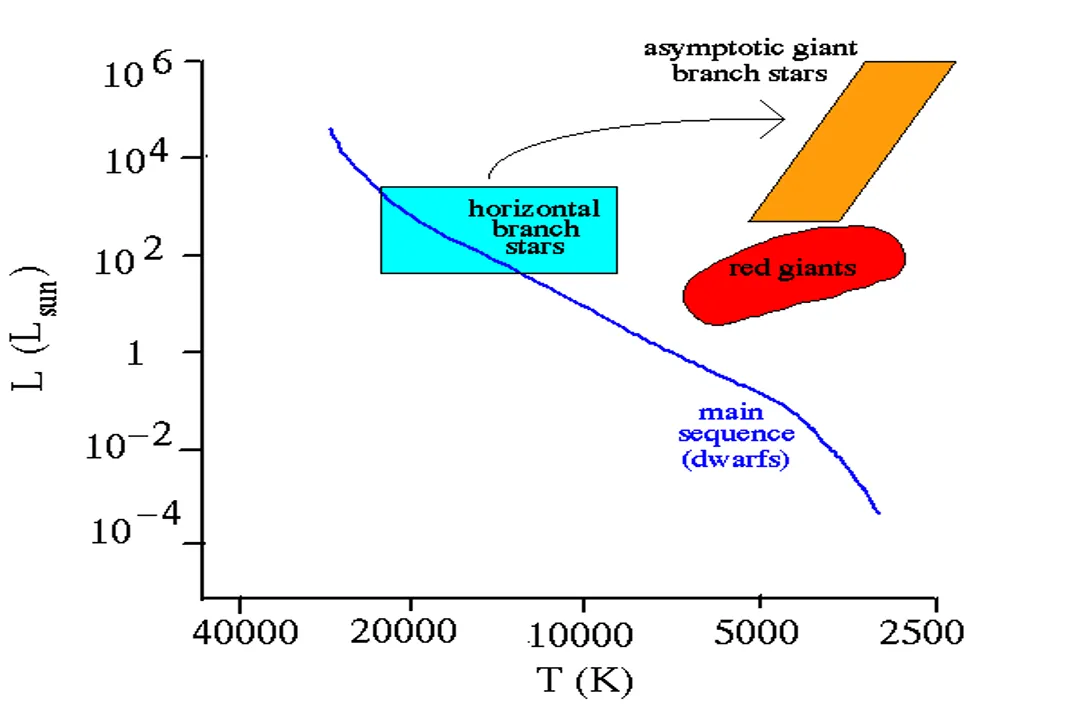
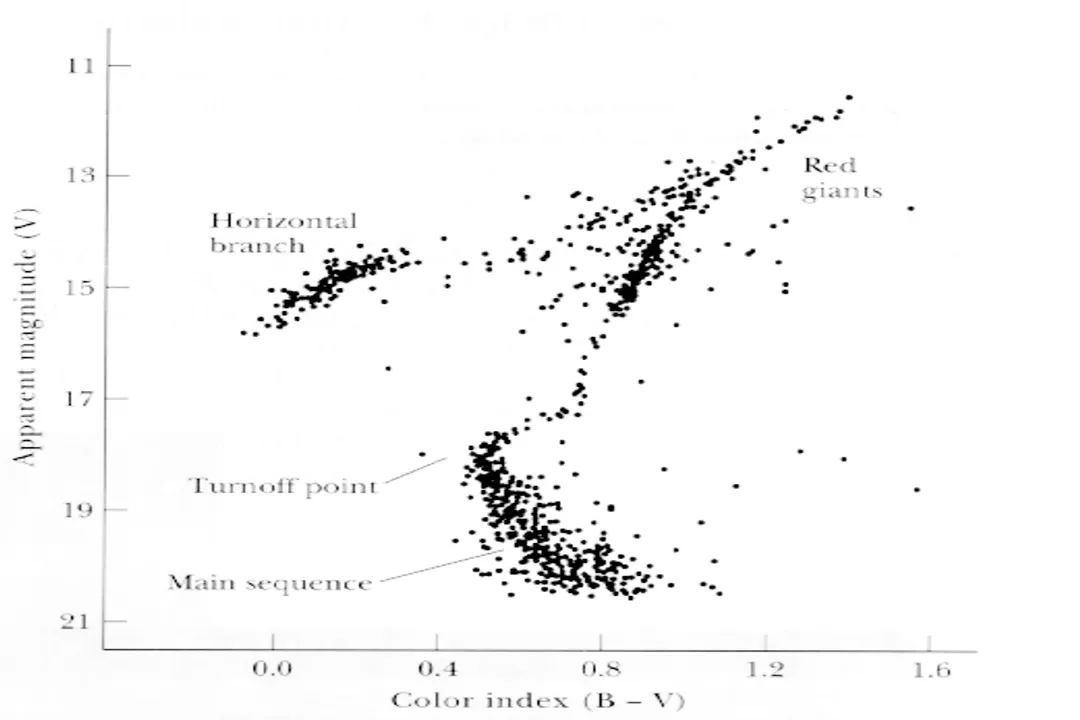
The rate of this expansion is relatively fast in astronomical terms. Once the hydrogen shell burning begins, the star does not sit in a static state. It continues to expand and evolve until the core temperature rises high enough to ignite helium fusion, a phase known as the helium flash. [2] This marks the next dramatic chapter in the star's life, where it will shrink slightly and stabilize for a new period, often referred to as the horizontal branch. [8]
In short, the transition to a red giant is a structural reaction to fuel depletion. By forcing the envelope to expand, the star attempts to maintain a new, albeit temporary, form of equilibrium, accommodating the intense energy production of the burning hydrogen shell. [1][3] The red giant phase is not the end of the star, but a drastic reconfiguration caused by the fundamental physics of gravity and nuclear pressure fighting for control. [5]
#Videos
Why Do Red Giant Stars Get Bigger? - YouTube
Related Questions
#Citations
Why do stars become red giants? - Astronomy Stack Exchange
Red giant - Wikipedia
Why do stars goes through the red giant phase, instead of ... - Reddit
Why Do Red Giant Stars Get Bigger? - YouTube
Stellar Evolution: Red Giants
Why Stars Become Red Giants - NASA ADS
Why does a star expand as it becomes a red giant? - Quora
Stellar Evolution - | The Schools' Observatory
Chapter 6: Aging Into Gianthood - NASA Science