Are red stars dead?
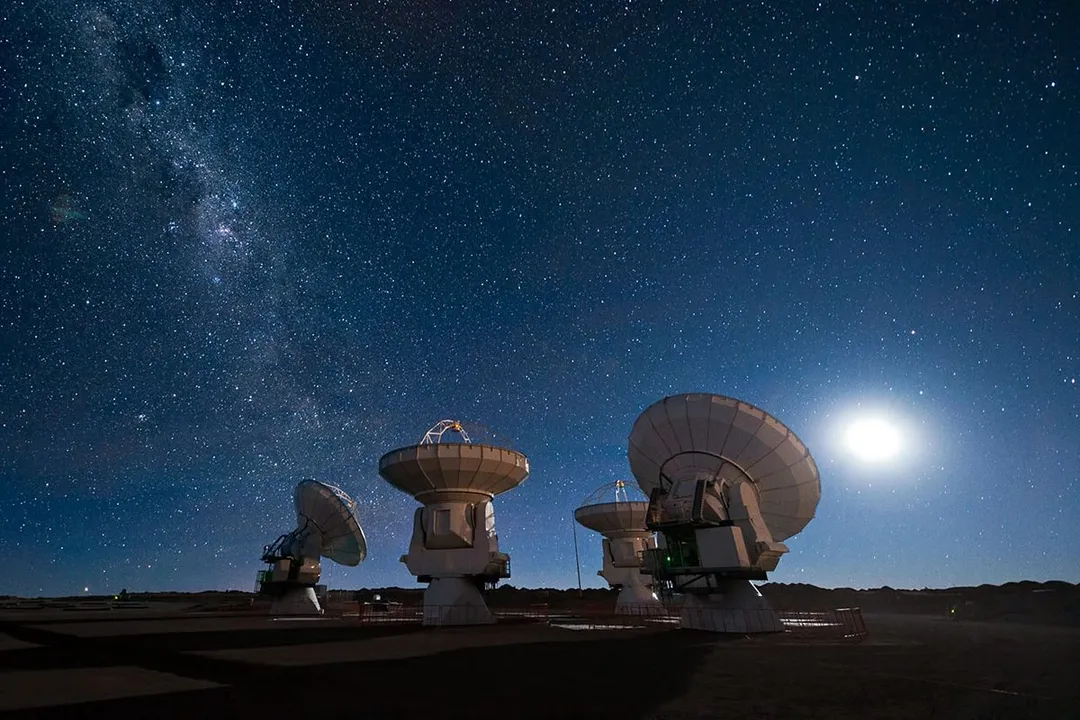
Staring up at the night sky, it is easy to accept the pinpricks of light as eternal fixtures. Yet, every star we observe is engaged in a cosmic life cycle, born from gas and dust, burning through fuel, and destined for an end, whether peaceful or dramatic. [1][2] The concept of a "red star" most often brings to mind the cool, dim, but incredibly long-lived red dwarfs—the most common stars in our galaxy. [7] The immediate question then becomes: are these ubiquitous neighbors already gone, or are they simply living lives far exceeding our own comprehension?
The most fundamental reason why any star we see might be "dead" has nothing to do with its color or size, but simply with the immense distances involved in space. [3][6] Light, traveling at a finite speed, takes time to bridge the gap between a star and our eyes. [3] If a star happens to be 5,000 light-years away, the light reaching Earth tonight actually left that star five millennia ago. [3] If that star had already undergone its death process—perhaps exploding as a supernova or quietly fading—we would continue to see its light for those 5,000 years until the final photons arrive. [6] This means that statistically, many of the faint, distant stars visible to us are likely no longer shining in their original state. [3][6]
# Seeing Past Time
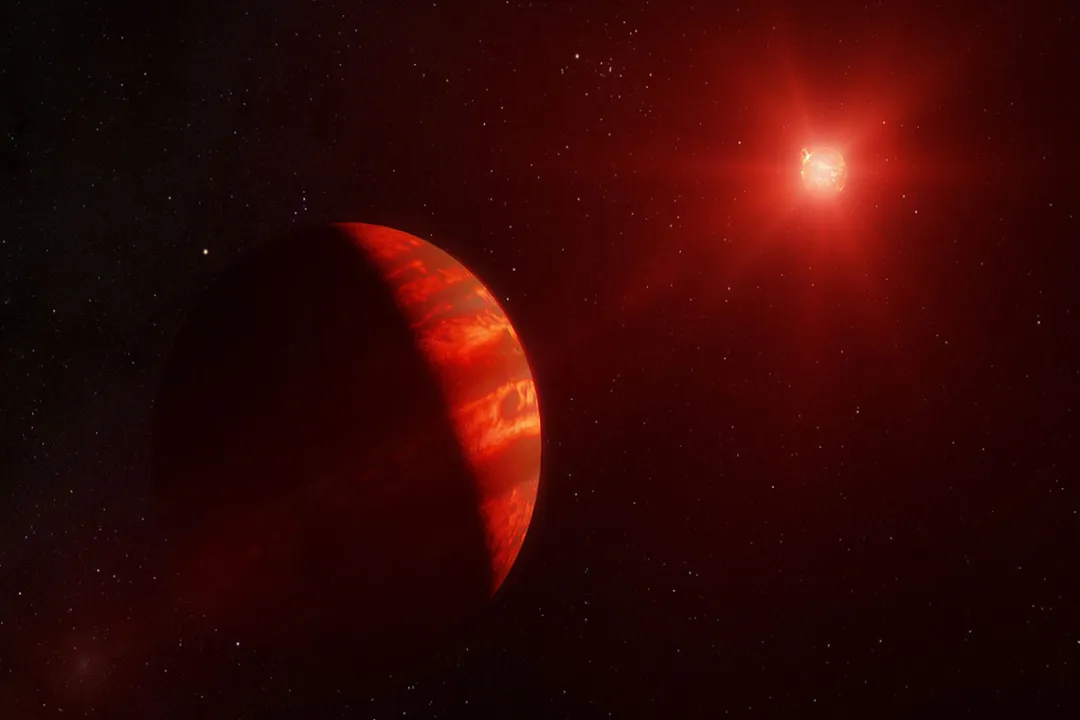
This effect is particularly relevant when discussing the closest stars. Proxima Centauri, the nearest star to our Sun, is a red dwarf located about 4.24 light-years away. [5] If Proxima Centauri were to suddenly cease burning, Earth would remain unaware of that celestial demise for over four years. Imagine the entire Milky Way, dotted with billions of stars: the further away we look, the further back in time we are observing the cosmos. [3]
This temporal disconnect means that a significant fraction of the total stellar population is likely already extinct, their light simply playing out its final act across the intervening void. [3][6] The stars we can see with the naked eye are, in a way, astronomical ghosts, their current state unknown to us. [3]
# Cool Faint Stars
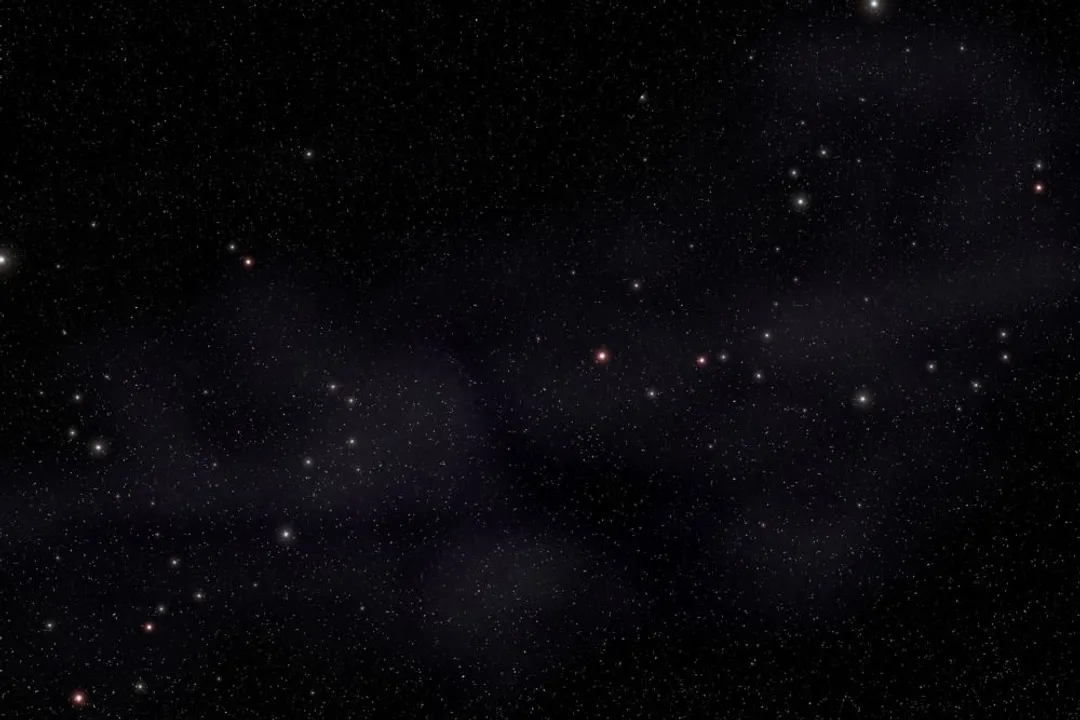
Focusing specifically on red stars, particularly the M-type red dwarfs, their classification is defined by their low mass and surface temperature, making them significantly cooler and dimmer than our Sun. [7] Because of their low mass, they consume their nuclear fuel—hydrogen in their core—at an extraordinarily slow rate. [7]
This slow burn is the defining characteristic of their longevity. While our Sun is expected to live for about 10 billion years, red dwarfs operate on an entirely different clock. [7]
# Immense Longevity
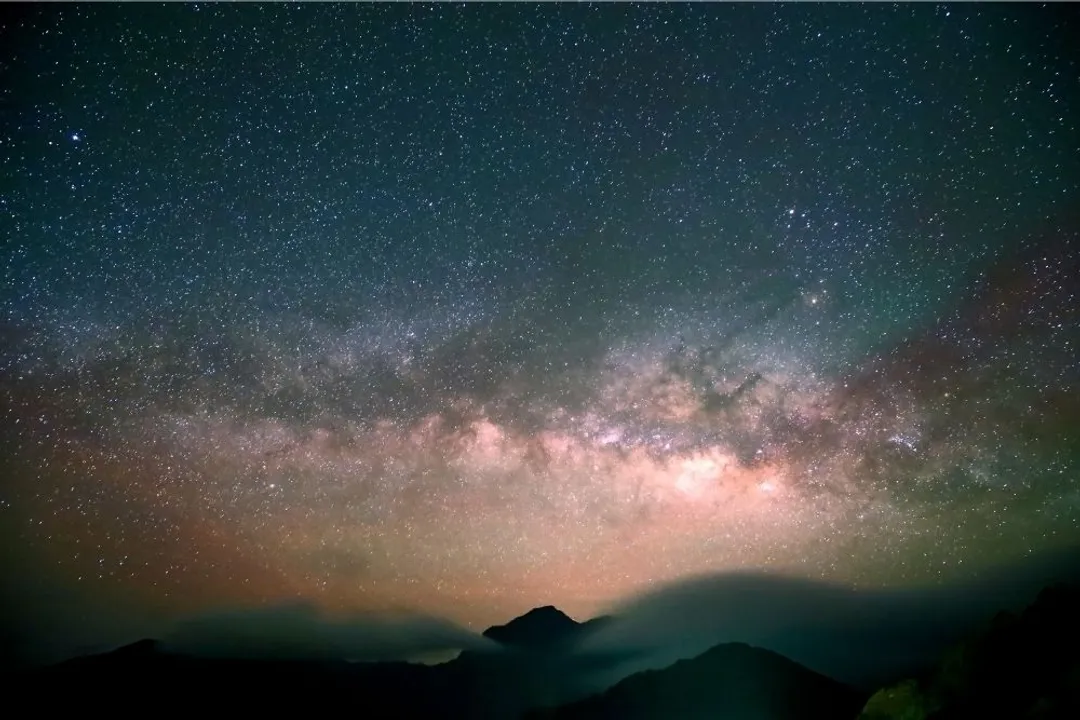
The low rate of fusion in red dwarfs translates into lifespans that dwarf the current age of the universe. Stars much smaller than the Sun, like the red dwarfs, are predicted to shine for trillions of years. [7] This longevity means that, as of today, no red dwarf star is actually believed to have reached the end of its life naturally. [7] They are, in essence, the most youthful members of the stellar population, chronologically speaking, despite their low energy output. [7]
If a star is destined to die when it runs out of core hydrogen, then the red dwarfs have effectively reserved their final chapter for the far, far future. [7] They are not "dying" in the sense that their fuel is spent; rather, they are in the prime, albeit very slow, of their main-sequence existence. [7]
# Stellar Contrasts
To put this in perspective, we can compare the predicted fates of different mass classes. The end stage of a star is almost entirely determined by its initial mass. [1][4]
| Star Type | Mass Relative to Sun | Expected Main Sequence Life | Predicted End State |
|---|---|---|---|
| Red Dwarf | Less than 0.5 | Trillions of years | Fades to a white dwarf (hypothetical) [7] |
| Sun-like Star | billion years | Planetary Nebula, White Dwarf [1][4] | |
| Massive Star | Millions of years | Supernova, Neutron Star or Black Hole [1][4] |
Note: Mass () is measured relative to the mass of our Sun.
My initial thought when comparing these lifespans is that while we cannot see a red dwarf die today because the universe isn't old enough, our observations of other stars might be seeing their light from times before they became red dwarfs. [1] For instance, if a star formed, lived its life as a hotter, brighter star, and then became a red dwarf before dying, we might observe the light from its hotter youth while it is currently a red dwarf or already gone. [1] However, the established theory places the red dwarfs firmly in the long-lived, slow-burning camp, meaning the light we see from them is very much current light, not ancient history, unless they are exceptionally distant. [7]
# Violent Emissions
While red dwarfs are not dying, they are far from tranquil neighbors. The small size and slow consumption of fuel in many red dwarfs can lead to intense magnetic activity. [5] They are known for emitting devastating flares that can release energy far exceeding the Sun's most powerful outbursts. [5]
This dark side of red dwarfs is a significant concern for any potential habitability around them. [5] A massive flare directed at an orbiting planet, even if the planet is close enough to be warm (due to the star's low luminosity), could strip away its atmosphere or sterilize its surface. [5] Thus, while they are not dead stars, their instability means they present a harsh environment for life as we know it. [5]
# Larger Fates
For stars more massive than red dwarfs, the death process is far more rapid and spectacular. [1][2] A star like our Sun will eventually exhaust the hydrogen in its core, swell into a red giant, and then shed its outer layers to form a planetary nebula, leaving behind a dense, cooling remnant called a white dwarf. [1][4]
Stars significantly more massive than the Sun follow a much more dramatic path. [1] They burn through their fuel supply much faster and undergo subsequent fusion stages until they reach iron, at which point fusion ceases. [4] The core collapses catastrophically, leading to a Type II supernova explosion. [1][4] The remnant left behind is either an incredibly dense neutron star or, if the initial mass was high enough, a black hole. [1] These events are the celestial mechanisms that truly conclude a massive star's life within millions of years, not trillions. [1]
When we look at the sky, we are seeing a mix: some stars are long-lived red dwarfs still in their youth, some are middle-aged like our Sun, and the brightest, hottest stars are massive giants that might have already exploded, their violent deaths recorded only in the distant past light still traveling toward us. [1][2] The "dead" stars we observe are generally the high-mass stars that expired quickly, or the stars whose light simply hasn't reached us from billions of light-years away. [3]
# Stellar Dynamics
The study of these life cycles falls under the banner of stellar astrophysics, a field that uses observations of light and other radiation, like radio waves, to map out the processes occurring inside these distant bodies. [2] Understanding the initial conditions—the mass and composition of a star when it forms—allows scientists to reliably predict its entire evolutionary track. [1] The key takeaway is that a star's color indicates its temperature, but its mass dictates its destiny. [7] A red star can be a very long-lived, barely changing object (a red dwarf), or it could be a massive red giant nearing the end of its much shorter life. [1][7] The "dead" stars are those whose nuclear fires have extinguished, leaving behind stellar corpses like white dwarfs or black holes, or massive stars that ended in supernova. [1][4]
The fact that we can model these complex lives with reasonable accuracy, even those spanning trillions of years for the smallest stars, shows the predictive power of modern physics. [1] For the red dwarfs specifically, the current cosmic age of about 13.8 billion years is an insufficient period for even one of them to have run out of hydrogen fuel. [7] Therefore, any red dwarf we observe shining tonight is, barring extreme distance complications, an actively living star, just one that will remain shining long after humanity, the Earth, and perhaps even our Sun are gone. [7]
Related Questions
#Citations
The Lives, Times, and Deaths of Stars - Science@NASA
Star Life and Death – National Radio Astronomy Observatory
Are most of the stars we see already dead? - BBC Sky at Night ...
What happens when a star dies? - BBC
Devastating Flares: The Dark Side of Red Dwarf Stars That ...
Are many visible stars dead? - BBC Science Focus Magazine
Is A Red Dwarf A Dying Star? - Stars and Seas