Which type of telescope is better and why?
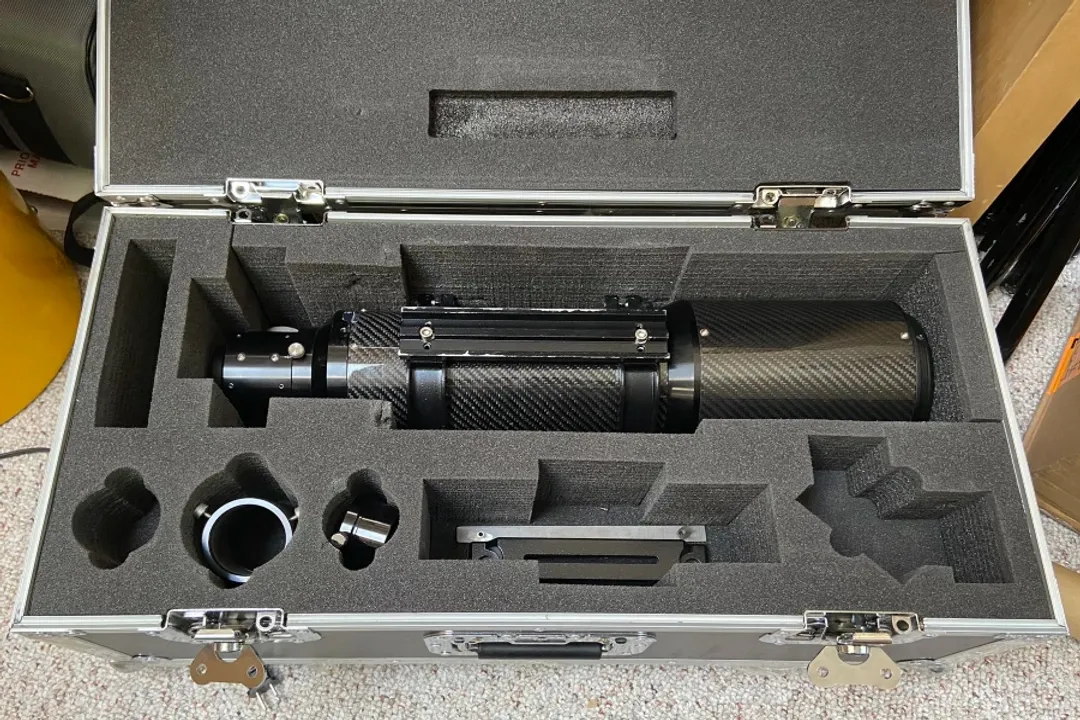
The quest for the "better" telescope rarely yields a single, universal answer; rather, the superior instrument is always defined by the specific astronomical goals, the observing environment, and the budget of the individual stargazer. Telescopes primarily organize themselves into three fundamental optical designs: refractors, which rely on lenses; reflectors, which employ mirrors; and catadioptrics, which ingeniously combine both to create a hybrid system. Understanding how these designs manipulate light is the first step in making an informed choice.
# Lens vs Mirror
The fundamental difference rests in how light is brought to focus. Refractor telescopes use lenses positioned at the front of the tube to bend, or refract, the incoming light rays to a focal point near the rear. This creates a light path that generally flows in a straight line, which contributes to their reputation for producing crisp, high-contrast images.
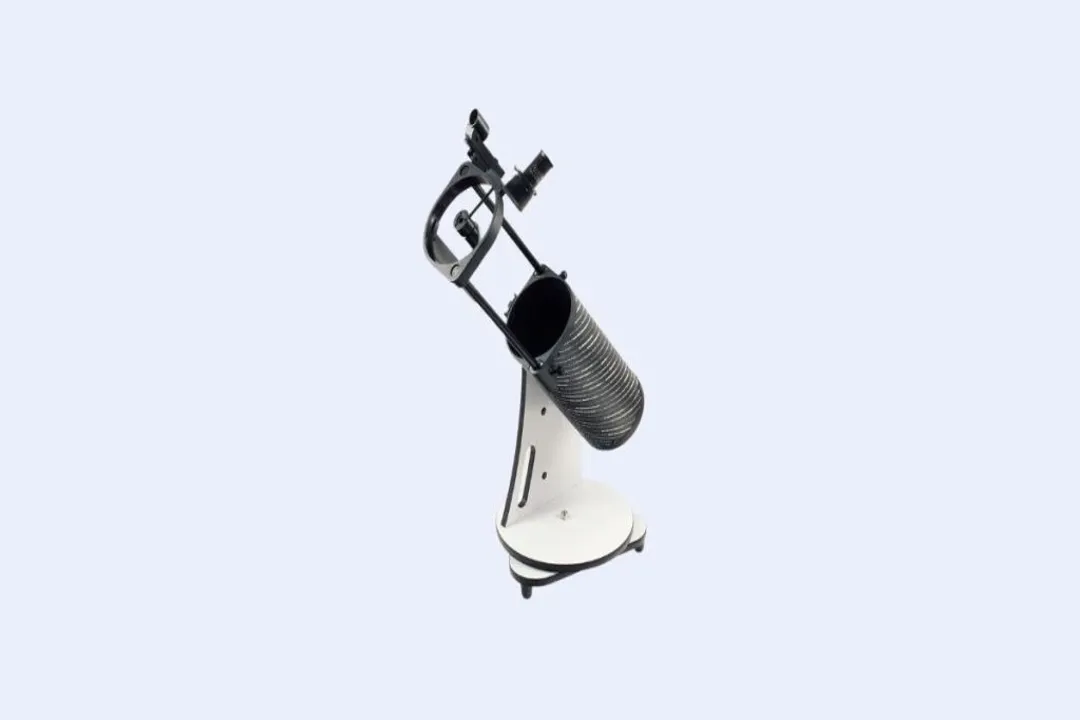
Conversely, reflector telescopes use mirrors. The primary mirror at the back of the tube collects and bounces the light toward a smaller, angled secondary mirror, which then directs the light out to the eyepiece, effectively folding the light path. Because the light doesn't travel in a straight path through the entire length of the tube, a reflector often achieves a long focal length in a physically shorter package compared to a refractor of the same aperture.
# Refractor Optical Path
Refractors are often lauded for their low maintenance requirement because their objective lenses are fixed in place, meaning they rarely, if ever, fall out of alignment. For beginners, this sealed, sturdy design is a major advantage, as it requires little adjustment beyond occasional cleaning. They are excellent for viewing bright, high-contrast targets like the Moon and the planets, or for splitting tight double stars where image clarity is paramount.
However, this lens-based design comes with a known optical penalty, particularly in less expensive models. When light passes through a single lens, the various colors—or wavelengths—do not always bend at the exact same angle. This effect is called chromatic aberration, manifesting as a visible colored fringe, usually purple or blue, around bright objects when viewed at high magnification.

# Chromatic Aberration Issues
To combat chromatic aberration, manufacturers build refractors with multiple lens elements. An inexpensive refractor is often a "doublet" design, which shows noticeable color fringing. If one is serious about high-contrast planetary detail or astrophotography with a refractor, one must look towards more complex and significantly more expensive "triplet" designs, often called Apochromatic refractors (APOs), which are specifically engineered to eliminate this effect. The consequence of this superior optical correction is that refractors become substantially more expensive as their aperture—the diameter of the light-gathering lens—increases. For example, obtaining the light-gathering power of a moderate reflector in a refractor often requires spending significantly more money, making refractors generally the least practical in terms of aperture achieved per dollar spent.
# Reflector Value Aperture
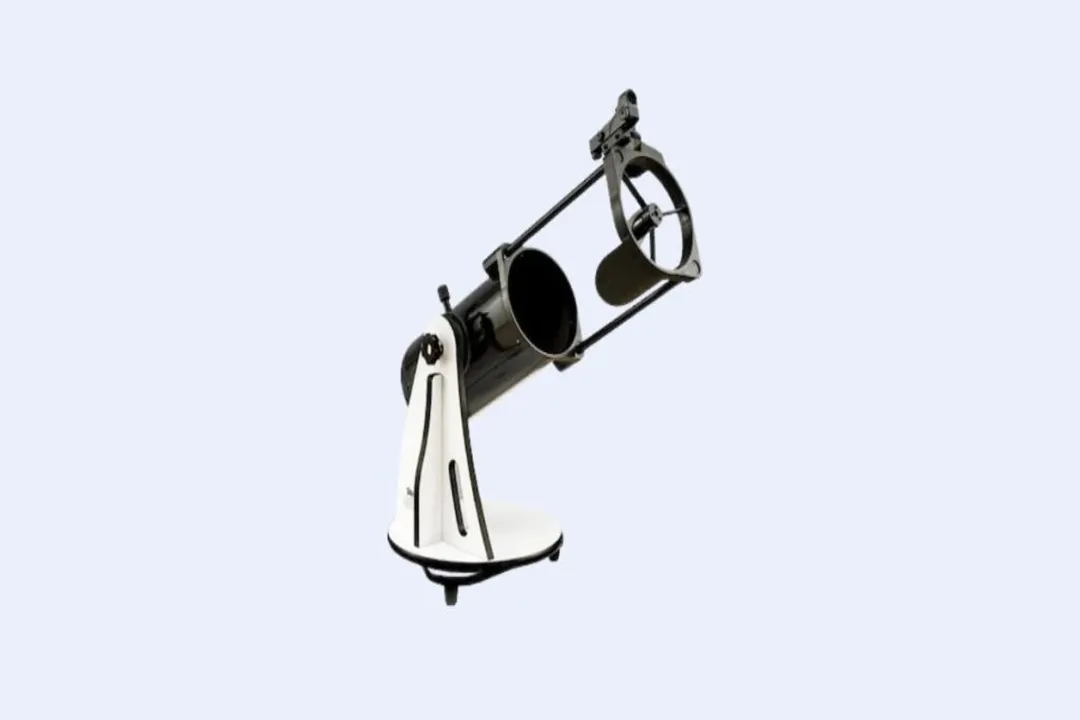
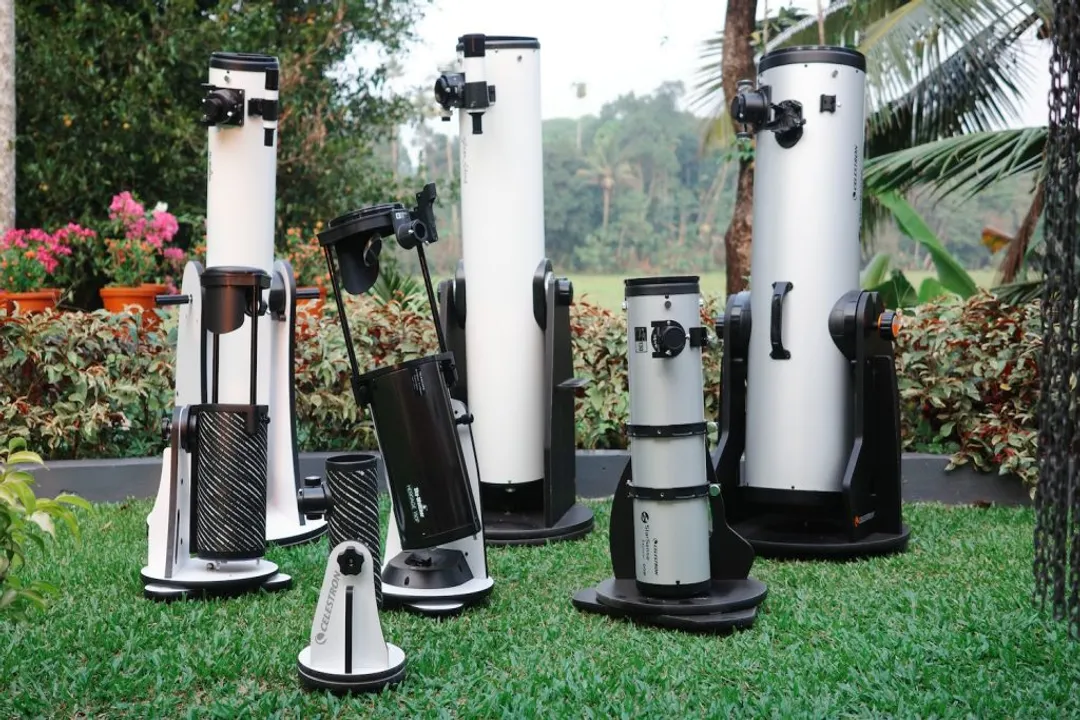
The Newtonian reflector, especially when placed on a simple Dobsonian mount, is frequently cited as the telescope that offers the absolute biggest bang for the buck, particularly regarding light-gathering ability. Since manufacturing large mirrors is inherently less costly than manufacturing equally large, flawless lenses, a reflecting telescope can deliver a much larger aperture for the same price as a refractor. This large aperture is the key factor in viewing faint, distant objects like nebulae and galaxies, as it collects more photons from those dim sources. A good comparison is often drawn between an 8-inch Dobsonian and a similar aperture refractor; the Dobsonian will gather twice the light of a 6-inch scope for a comparable cost, a gain that is hard to match with lens-based designs.
The Dobsonian mount itself deserves special mention. It is a simple, sturdy, alt-azimuth (up-down, left-right) rocker box that requires no complex alignment or motors for basic viewing, focusing the budget squarely on the optical tube assembly (OTA). This simplicity allows the telescope to be set up quickly, which is a significant benefit when observing windows are short.

# Mirror Alignment Needs
While excellent for light gathering, reflectors are not without their upkeep. Because they utilize mirrors, these optical elements can occasionally shift out of precise alignment—a process called collimation. While many modern Newtonian reflectors, especially those built into sturdy tabletop units, hold their alignment well, any telescope with mirrors will eventually require this minor adjustment. For the absolute beginner deterred by this mention of mechanics, this is a key point to consider, though many experienced users find that learning to collimate is a quick process that ensures peak performance. Furthermore, the typical Newtonian design presents the image upside down to the viewer, which is usually corrected by a correctly oriented finder scope but is a notable difference from refractors.
# Compound Light Path
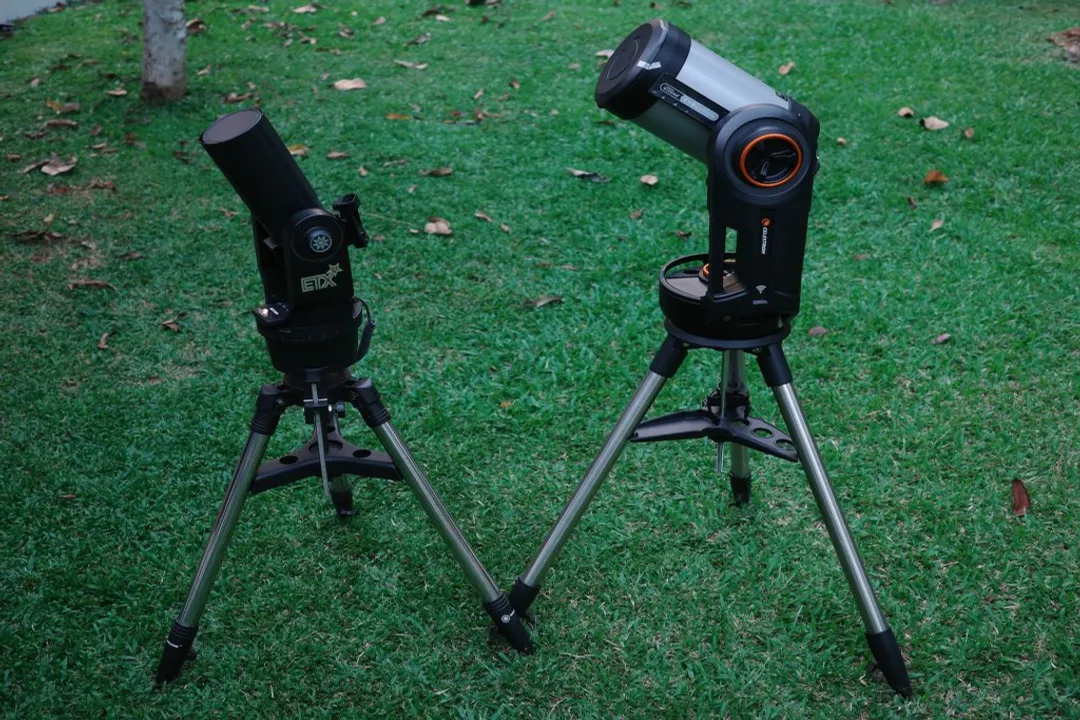
Catadioptric telescopes—like the Schmidt-Cassegrain (SCT) and Maksutov-Cassegrain (MCT)—act as optical diplomats, using both lenses (a corrector plate at the front) and mirrors to fold the light path many times within a very compact tube. This design results in a telescope that is much shorter and more portable than a refractor or reflector of the same focal length and aperture. They are often sold on computerized, altitude-azimuth (Alt-Az) mounts, making them popular as versatile "grab-and-go" instruments. Because they use mirrors, they also require periodic collimation, though generally far less frequently than a standard Newtonian reflector. SCTs are often favored for their versatility, bridging the gap between visual observing and astrophotography due to their long focal lengths.

# Portability Tradeoffs
When evaluating any design, one must weigh the aperture you can see through against the aperture you can comfortably use. A common pitfall for new buyers is purchasing an instrument that is too large, too heavy, or too cumbersome to deploy regularly, turning it into a permanent fixture in a closet. For instance, while a 12-inch Dobsonian offers colossal light-gathering power, its sheer bulk can make trips to dark skies a significant logistical effort.
This leads to an essential consideration often overlooked: the mount’s stability and ease of setup are just as crucial as the optical tube's performance. A high-quality optical tube assembly (OTA) mounted on a flimsy, budget tripod results in a frustrating, shaky experience, as image stability is immediately compromised by mount wobble. In the case of reflectors, the Dobsonian mount is successful largely because its simple, ground-based structure provides extreme stability for its large aperture at a low cost. When considering a refractor or an SCT on a tripod, the cost of the mount required to achieve the stability of a Dobsonian can rapidly inflate the total price, negating the initial aperture advantage of the design.
To gain maximum utility from your purchase, always ask if you can comfortably transport and set up the entire rig—OTA plus mount—given your local circumstances, such as stairs or vehicle capacity. If an 8-inch Dobsonian is the practical limit for size, spending the remaining budget on superior eyepieces will yield greater viewing improvement than trying to stretch the budget for a barely manageable 10-inch scope.
# Budget vs Power
The decision often boils down to where you prioritize your investment. If deep-sky observing (faint nebulae and galaxies) under dark skies is the goal, light-gathering power—aperture—is king, making the Dobsonian reflector a natural frontrunner due to its superior cost-to-aperture ratio. If, however, one lives primarily under significant light pollution, the views of faint fuzzies diminish rapidly, and the focus should shift to high-contrast views of the Moon and planets, where a smaller, high-quality refractor or a compact catadioptric scope might offer more immediate satisfaction without the maintenance fuss of a large reflector.
Consider this simple cost stratification based on aperture delivered: for $500, a Dobsonian reflector might yield 6 inches of aperture, delivering substantial deep-sky views; an equivalent-sized refractor, correcting for color, might cost significantly more, perhaps only offering 4 inches of aperture for the same money. This means that for every dollar spent on a quality Newtonian reflector, you are likely acquiring more light-gathering potential than any other design can offer at that tier.
Ultimately, there is no single winner; there are just the right tool for the job and the wrong tool for the user. The best advice is often to start with the type that best supports the primary goal, keeping in mind that owning two telescopes—one for quick views and one for specialized, longer sessions—is a path many advanced amateurs eventually take. For the true novice seeking the broadest rewarding experience that balances cost, capability, and ease of initial use, the consensus points strongly toward a reflector on a Dobsonian mount, provided the user is not completely averse to occasional mirror adjustment.
#Videos
You Need Two Telescopes– Here's Why - YouTube
Related Questions
#Citations
What's the best type of telescope overall? - Reddit
The 14 Best Telescopes | 300+ Owned, Tested & Compared
Types of Telescopes Explained - Learn What Fits Your Needs at OPT
You Need Two Telescopes– Here's Why - YouTube
I'm considering buying a telescope, which type should I choose?
New to Astronomy – Best First Telescope Recommendations?