When was nuclear power first used in space?
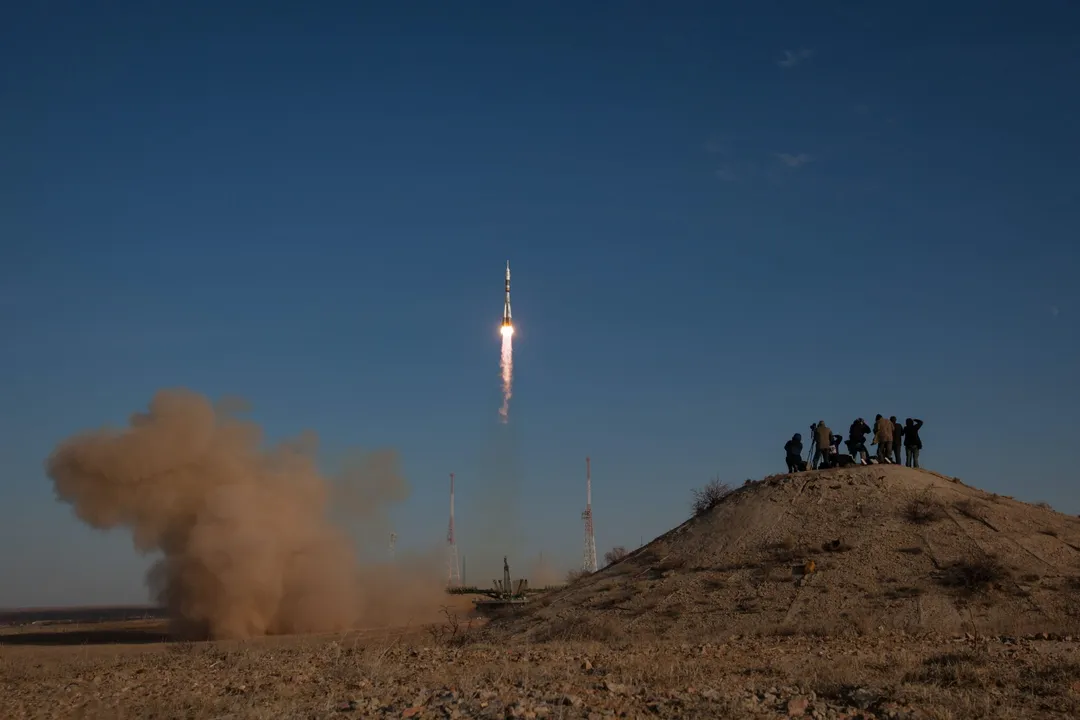
The inaugural deployment of nuclear power in the harsh vacuum of space actually predates many people’s assumptions, marking a quiet but significant technological milestone in the early 1960s. It wasn't a massive power plant sending electricity to a lunar base; rather, it was a compact, long-lasting radioisotope thermoelectric generator (RTG) aboard a US Navy navigation satellite. The satellite, named Transit 4A, was launched in June 1961, carrying a small nuclear power source to ensure continuous operation far from the Sun’s diminishing light. [3][5] This event established a fundamental principle for future deep-space exploration: harnessing the steady heat from radioactive decay for electrical power when conventional solar cells simply would not suffice. [3]
# Powering Probes

The technology used on Transit 4A relied on the decay of a radioisotope, transforming heat into electricity—a system known as an RTG. [5] This contrasts sharply with the development of actual nuclear reactors for space, which offer much higher power output but introduce greater operational complexity and safety considerations. [1] The initial success of the RTG paved the way for decades of reliable, low-maintenance power for robotic emissaries sent to the outer reaches of the solar system. [3]
When looking specifically at the first use of a nuclear reactor in space, the timeline shifts slightly forward. The United States launched the SNAP 10A reactor in 1965. [7] This experimental system was intended to test the feasibility of using a fission reactor for a space power plant, running for 45 minutes before being shut down as planned. [7] While the RTG was the first proof of concept for continuous, autonomous power, the SNAP program aimed at generating megawatts, a goal still pursued for future crewed deep-space missions. [1][8]
# Early Achievements
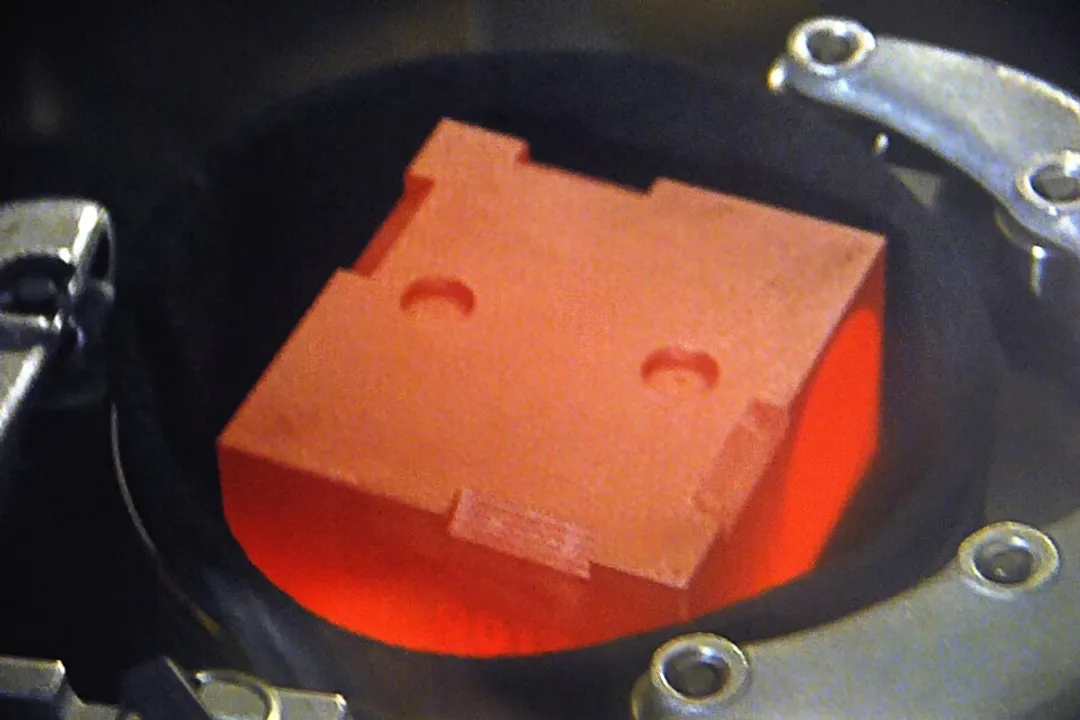
The early adoption of nuclear power was driven by necessity. Missions traversing beyond the orbit of Mars, like the venerable Voyager probes launched in the late 1970s, required power sources that could operate reliably for decades in the frigid darkness where solar energy barely registers. [1][3] For these missions, the RTG provided a steady output measured in a few hundred watts, providing just enough energy to run essential instruments, communications, and heaters. [3] By 2021, NASA was commemorating six decades of using nuclear power in space, underscoring the longevity of the initial 1961 decision. [3]
It is worth noting that the Soviet Union was also deeply invested in space nuclear technology, although their initial major launch involving this technology came later. The USSR launched Kosmos 909 in 1967, which carried a nuclear reactor designed for power generation, marking their entry into this specialized field. [1] This parallel development shows that the engineering challenge of creating independent, long-term power was recognized globally by the leading space powers. [1]
# Technology Trade-offs
The choice between an RTG, which runs for decades on the decay of plutonium-238, and a fission reactor, which can be turned on and off and scaled up, highlights an essential engineering trade-off in mission design: guaranteed longevity versus raw power density. [4] An RTG's strength lies in its simplicity and inherent reliability; once sealed, it requires no moving parts for power generation, meaning the longest-running units are often those that have successfully outlived their missions by many years, such as the RTGs powering the Pioneer, Viking, Voyager, Galileo, and Cassini spacecraft. [1][5]
Consider a hypothetical mission scenario. If a probe needs a constant 100 watts for 30 years to complete its primary objective, a large solar array might require massive surface area, be susceptible to micrometeoroid damage, and see its efficiency decline over time due to dust accumulation and component aging. In contrast, an RTG provides that 100 watts with predictable half-life decay, allowing mission planners to calculate remaining power reserves with high confidence, even two decades into the flight. [3][4] This predictable degradation curve allows for proactive power management, something solar power struggles with when conditions change unexpectedly.
# Current Applications
Today, nuclear power remains indispensable for surface operations on other celestial bodies. Rovers like Curiosity and Perseverance on Mars use Multi-Mission Radioisotope Thermoelectric Generators (MMRTGs). [2] These units convert the heat from plutonium-238 decay into electricity, enabling the rovers to function through the intense Martian nights and dusty conditions that would sideline solar-powered vehicles. [2] The successful deployment on Mars is a direct lineage back to the initial testing on Transit 4A decades earlier, demonstrating a technology matured for planetary surface exploration. [5]
Beyond simple power generation, advanced nuclear concepts are returning to the forefront of propulsion research. Nuclear Thermal Propulsion (NTP), which uses a nuclear reactor to heat a propellant like liquid hydrogen for extremely efficient thrust, is being actively studied again by agencies like NASA. [8] While NTP is fundamentally different from the RTG powering a deep-space radio, both share the core requirement of having a safe, reliable nuclear source operating in space—a capability first proven in 1961. [8] This renewed interest stems from the realization that faster transit times, achievable with NTP, are crucial for ambitious human missions to Mars. [9]
# Shaping the Future
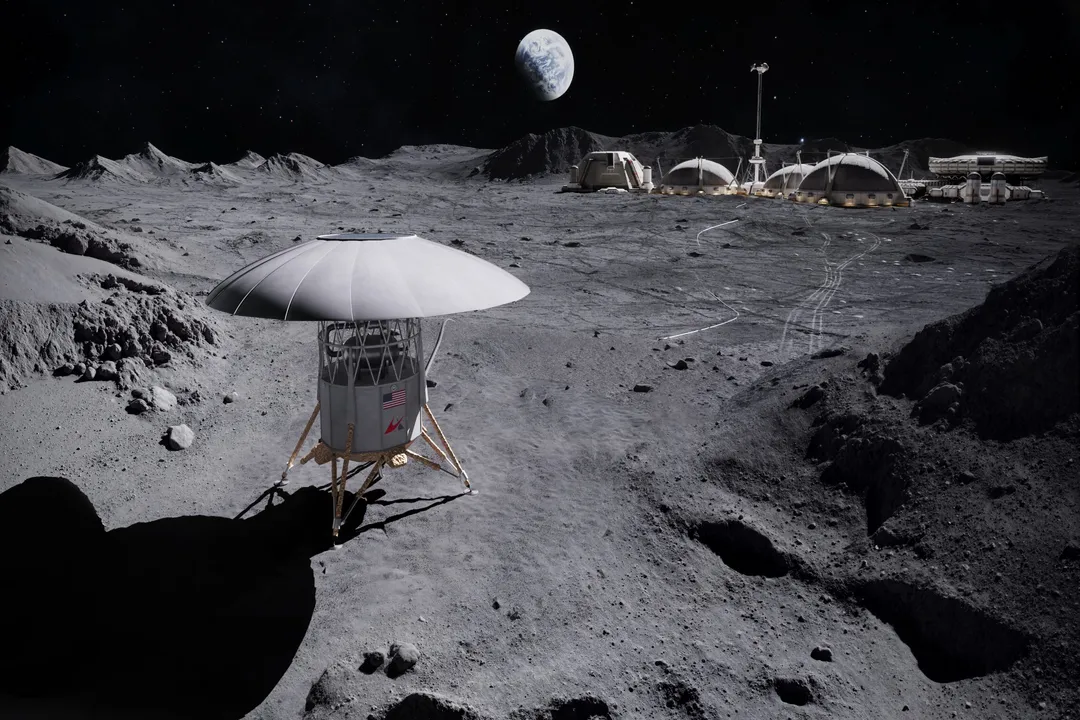
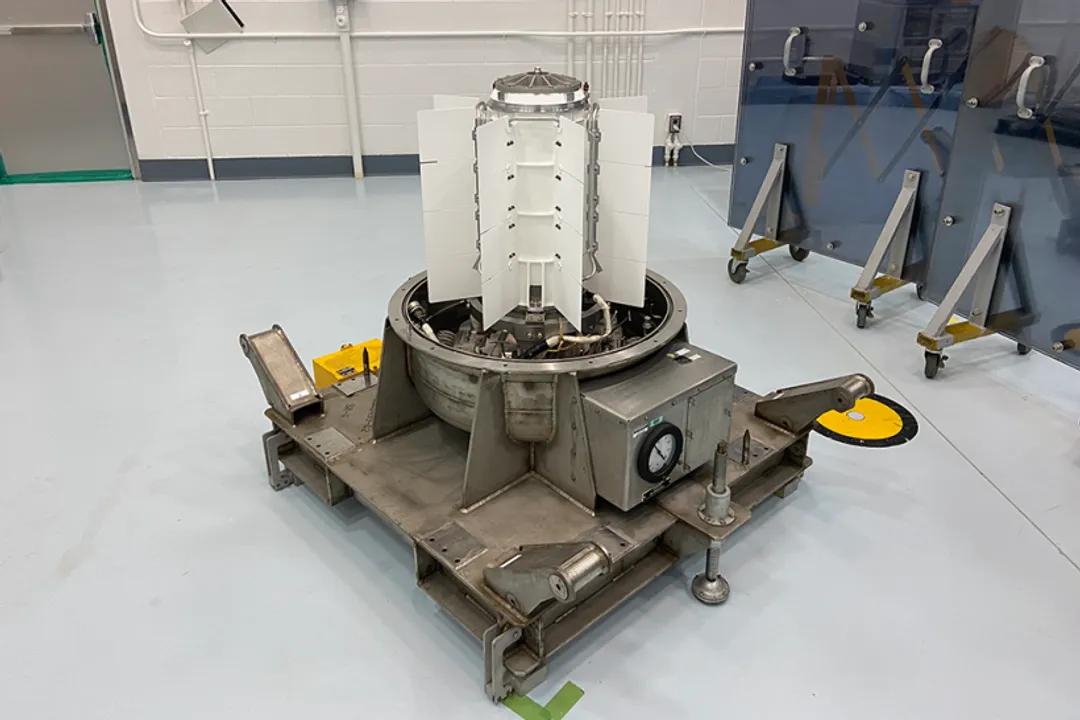
The historical use of nuclear power has taught engineers invaluable lessons about long-term operation, radiation safety in launch environments, and autonomous performance far from human oversight. [4][6] As mission profiles become more demanding—requiring higher power levels for advanced instruments, communications, or even establishing permanent outposts on the Moon or Mars—the reliance on fission systems will only increase. [6][9] The initial, low-power demonstration in 1961 was merely the opening chapter; the subsequent chapters involve systems capable of powering habitats or providing the propulsion needed to cross vast interstellar distances. [1][8] The commitment to developing next-generation systems, such as Kilopower reactors, shows that the industry recognizes that for sustained presence beyond Earth's protective embrace, nuclear energy is not just an option, but a foundational necessity. [6]
Related Questions
#Citations
Nuclear power in space - Wikipedia
Nuclear to the Moon and Beyond: The Role of the Atom in Space ...
NASA marks 60 years of nuclear power in space
[PDF] Nuclear Power on the Moon
Atomic Power in Space II: A History | Chapters 1-2
Nuclear Power: Now More Than Ever, Or Never? – NSS
History of Space Nuclear Power - Department of Energy
Nuclear & Space: Nuclear Thermal Propulsion - X-energy
Nuclear energy is key to American leadership in space - SpaceNews