What's the main reason that scientists study asteroids?
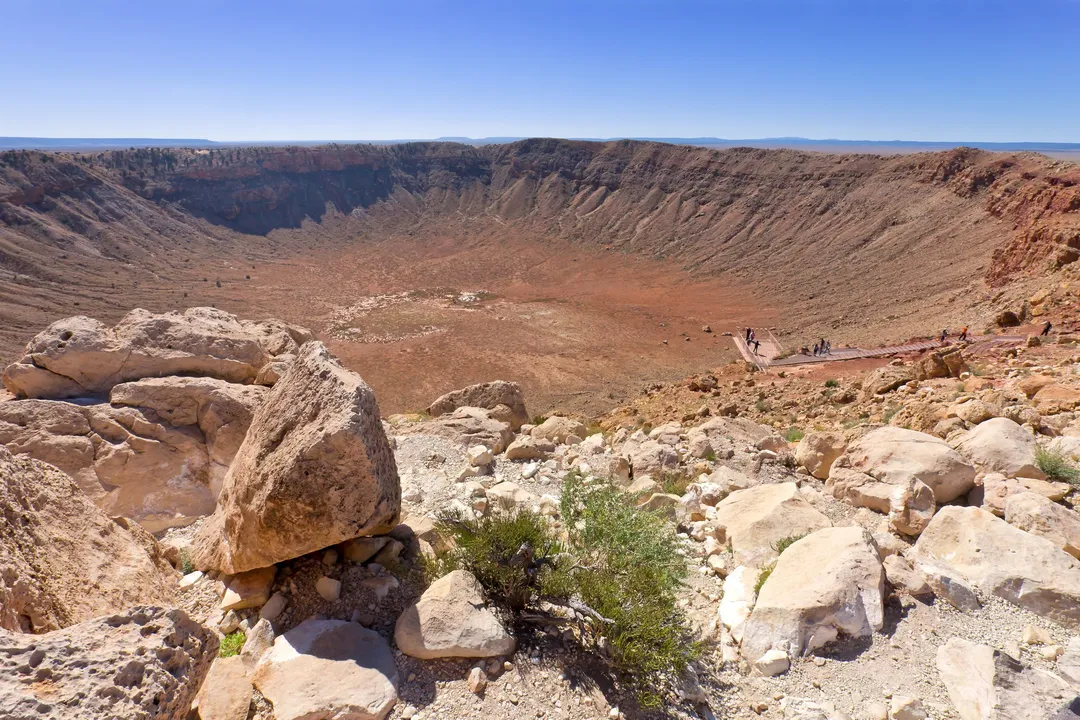
The objects scientists meticulously track across the blackness of space, often dismissed as mere space rubble, hold an extraordinary amount of locked information about our origins and our future safety. Asteroids are far more than just random rocks floating between Mars and Jupiter or occasionally crossing Earth’s orbital path; they are the pristine, relatively untouched archives of the very earliest moments of the Solar System’s birth, roughly 4.6 billion years ago. [1][6] When the Sun ignited and the surrounding protoplanetary disk began coalescing into planets, the smaller bodies—the asteroids—never accumulated enough mass to undergo major chemical differentiation like Earth or Mars did. [2] This preservation of original material is the single most compelling reason for their study. [6]
# Solar Remnants
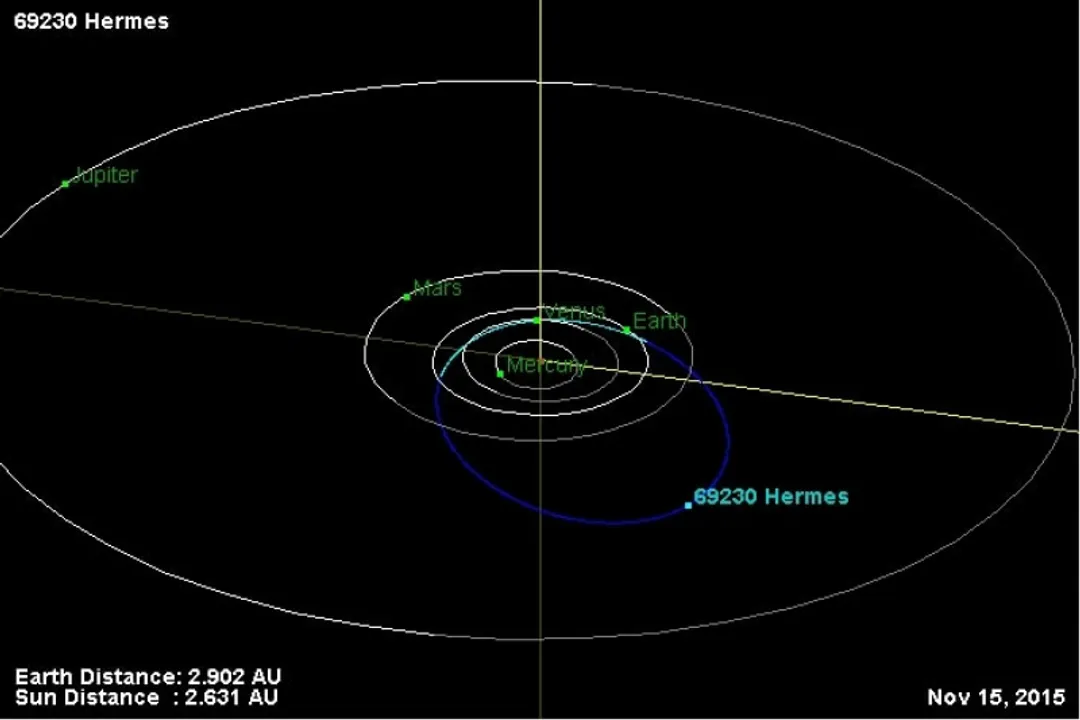
These primordial leftovers offer an unparalleled window into the chemistry and physics that governed the formation of our entire planetary neighborhood. [1][10] Studying the distribution and composition of asteroids allows researchers to reconstruct the original makeup of the solar nebula from which everything formed. [2] For instance, the asteroid belt itself is not a failed planet, as is sometimes popularly imagined, but rather a collection of planetesimals whose growth was halted by the immense gravitational influence of Jupiter. [10] This disruption meant that instead of becoming a single large body, these materials remained scattered and preserved in their nascent state. [2]
One fascinating area of comparison involves the water content. Early Earth was likely dry, and the prevailing theory suggests that much of the water that now fills our oceans was delivered later by water-rich bodies, potentially including comets and certain types of asteroids, like carbonaceous chondrites. [6] By analyzing the isotopes of hydrogen in these dark, primitive asteroids, scientists can determine if their water matches the water already present in Earth’s oceans, providing a chemical fingerprint that links the past to the present state of our home world. [6] If the isotopic ratios align, it strongly supports the impact delivery model for Earth’s hydrosphere. [6]
Consider the difference between an asteroid like Vesta and a planet like Earth. Vesta, a large protoplanet, did partially differentiate, showing distinct crustal, mantle, and core layers, making it an excellent stand-in for early planetary differentiation processes we can no longer study directly on Earth because our planet has long since melted and mixed. [2] Conversely, smaller, undifferentiated C-type (carbonaceous) asteroids represent the initial raw ingredients. Comparing the data from both types—the partially processed object (Vesta) and the truly primitive one (C-type)—gives scientists a two-point measurement on the chemical evolution timeline of rocky bodies. [2] This comparative study of diverse asteroid classes effectively builds a detailed timeline of chemical sorting in the first few million years of the Solar System’s existence. [1]
# Planetary Defense
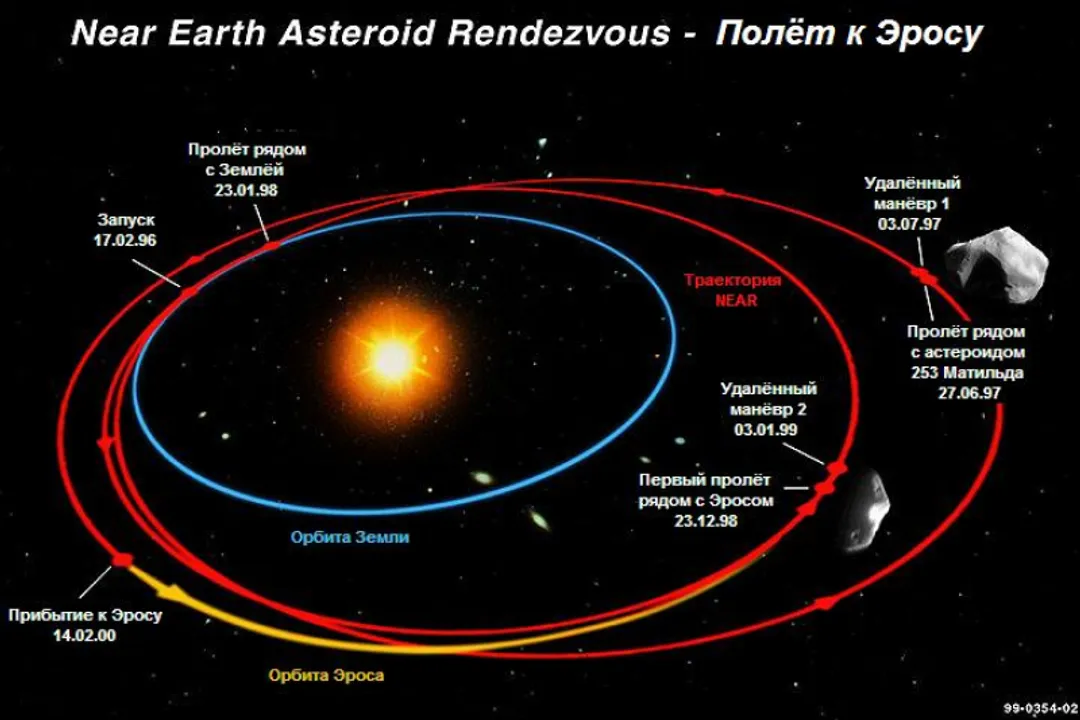
While the scientific appeal of studying ancient rocks is immense, there is an immediate, high-stakes practical reason for asteroid study: planetary defense. [5] Asteroids that cross, or come close to crossing, Earth’s orbit are known as Near-Earth Objects (NEOs). [9] The primary goal in tracking these objects is to determine their orbits with enough precision to predict whether they pose an impact threat in the foreseeable future. [3][5] Large impacts, though infrequent, carry catastrophic potential for global climate disruption and mass extinction, a reality starkly illustrated by the event that ended the age of the dinosaurs. [5]
Tracking NEOs is a continuous, data-intensive process that requires dedicated surveys and ongoing observation campaigns. [3] Scientists use powerful telescopes on the ground and in space to first detect these objects, which often requires observing them over many nights to accurately plot their trajectory. [3] Current efforts are focused on finding and cataloging nearly all potentially hazardous asteroids (PHAs) larger than a certain size threshold, often set around 140 meters in diameter, as even these smaller objects could cause severe regional devastation. [9][5]
The core of planetary defense isn't just detection; it's characterization. Knowing an asteroid's orbit is only half the battle; knowing its physical characteristics is vital for any potential deflection strategy. [8] For example, if a threatening asteroid is found to be a tightly bound solid rock, a kinetic impactor mission (like smashing a spacecraft into it) might work. [8] However, if it is a "rubble pile"—a loosely aggregated collection of boulders held together by weak gravity—a high-speed impact could risk shattering it into multiple, equally dangerous fragments. [8] Therefore, understanding the internal structure, mass, and rotation rate becomes an essential precursor to devising an effective mitigation plan, turning threat assessment into actionable science. [3][5] This focus on impact hazard mitigation is a direct, modern-day requirement for human civilization, giving asteroid research a pressing relevance far beyond pure astrophysics. [9]
# Resource Potential
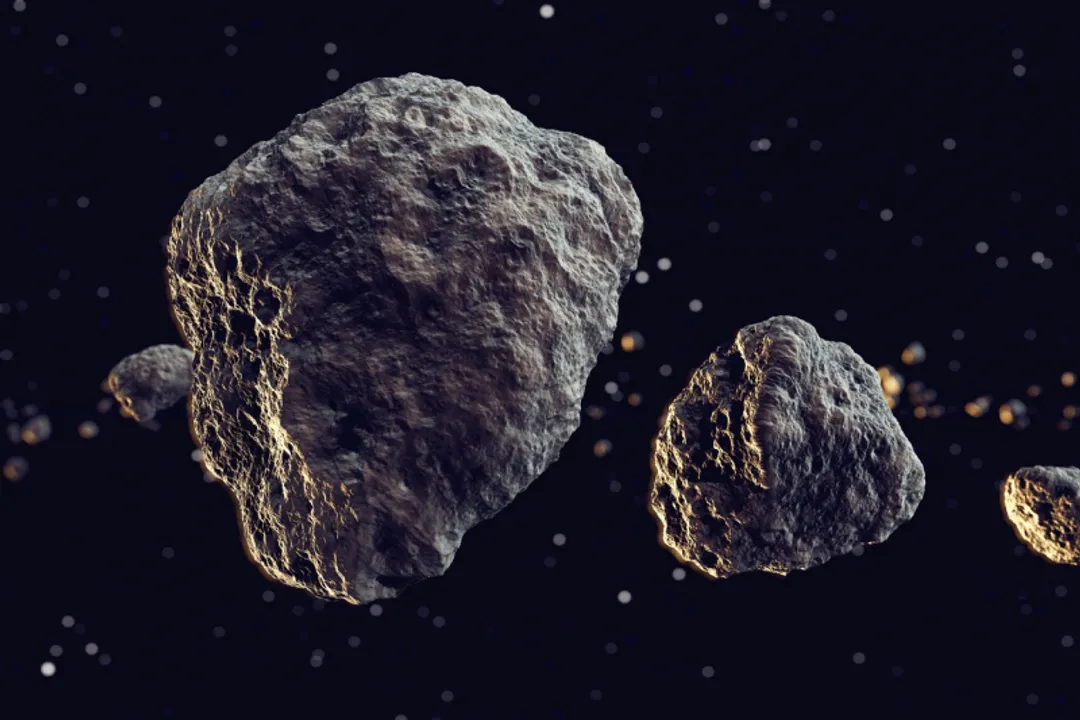
A more forward-looking, economically driven reason to study asteroids centers on their potential as future sources of materials for human expansion into space. [2] Asteroids are not uniformly composed; they are classified into types like C (carbonaceous), S (stony), and M (metallic). [2] These categories hint at the vast stores of valuable resources they may contain. [2]
Metallic asteroids, classified as M-types, are thought to be the exposed cores of larger, ancient protoplanets that underwent differentiation. [2] These objects are theoretically rich in materials that are scarce or difficult to mine on Earth, such as platinum-group metals, iron, and nickel. [2] While the logistics of asteroid mining remain far in the future, understanding the composition of these targets now is the first step toward evaluating the feasibility of in-situ resource utilization (ISRU) for deep-space missions or even for supplementing terrestrial supplies. [2]
Even more immediately valuable for space travel is water ice. Many asteroids, particularly those in the outer regions of the asteroid belt and some C-type near-Earth asteroids, retain significant amounts of water, often mixed within their rocky matrix. [6] Water is not just for drinking; it can be split through electrolysis into hydrogen and oxygen, the most powerful components for rocket propellant. [2] If space missions can "refuel" by harvesting water from asteroids instead of hauling massive tanks of fuel from Earth’s deep gravity well, the cost and complexity of exploring Mars and beyond drop dramatically. [2] Studying the distribution of these volatile-rich asteroids helps chart potential refueling stations across the Solar System. [2]
# Scientific Missions
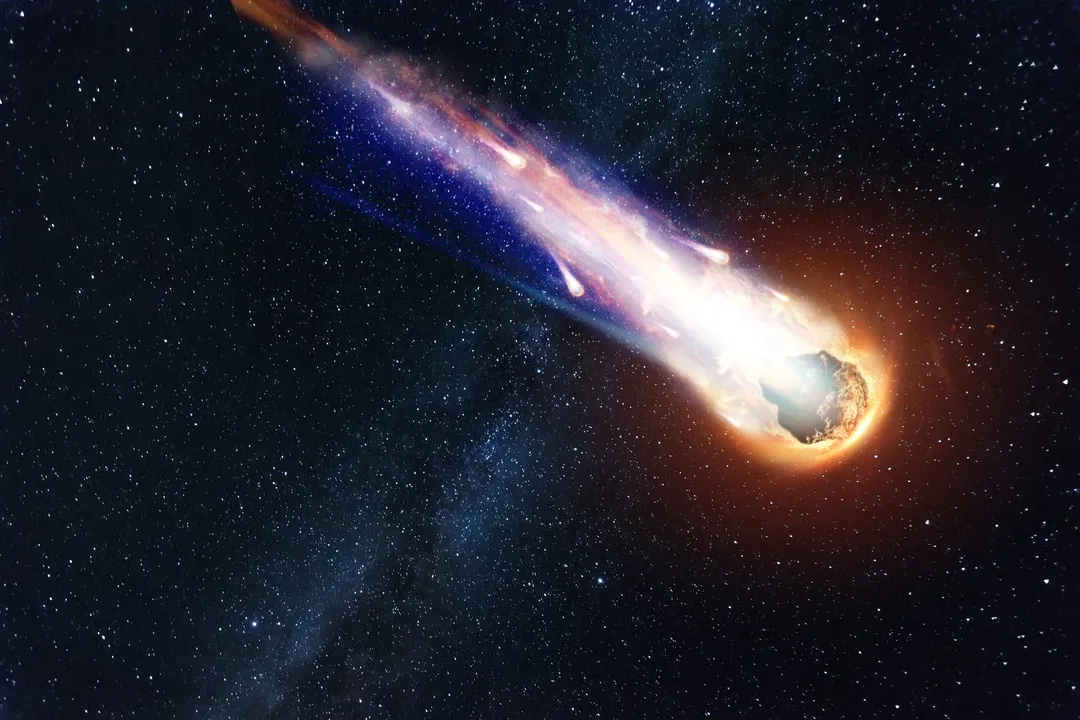
Asteroids serve as essential targets for dedicated space missions, allowing scientists to gather data that cannot be obtained through remote observation alone. [1][6] Missions like NASA's OSIRIS-REx, which successfully collected a sample from the asteroid Bennu, exemplify this direct investigation approach. [1] Bringing samples back to Earth for laboratory analysis provides data on elemental and isotopic composition with a precision impossible to achieve from millions of miles away. [1]
These missions are essentially geological field trips to the ancient past. By studying the chemical makeup of the returned material, scientists can test hypotheses about the delivery of organic molecules—the precursors to life—to the early Earth. [6] Asteroids may have acted as delivery vehicles for the complex carbon compounds necessary for abiogenesis. [6] Analyzing the samples helps establish the connection between the chemistry of the early Solar System and the origin of life on Earth. [6]
Furthermore, studying asteroids allows for calibration of remote sensing techniques. A spacecraft can land, drill, or collect a sample, providing ground truth data that validates the readings taken by telescopes observing distant asteroids. [1] This iterative process—remote observation followed by targeted in-situ measurement—improves the overall scientific capability to study every other small body in the Solar System. [1]
Here is a comparison of the primary scientific takeaways based on asteroid type:
| Asteroid Type | Primary Scientific Value | Key Component Studied | Example Insight |
|---|---|---|---|
| C-Type (Carbonaceous) | Pristine Solar Nebula Chemistry | Water Ice, Organic Molecules | Origin of Earth's water and life's precursors [6] |
| S-Type (Stony) | Processed Rocky Materials | Silicates, minerals | Early stages of planetary accretion [2] |
| M-Type (Metallic) | Planetary Core Analogues | Iron, Nickel, Platinum Group Metals | Understanding planetary differentiation [2] |
The investigation of these minor bodies also helps map the entire solar environment. Observations of asteroids, including those far out in the main belt, contribute to a broader understanding of the heliosphere and the environment in which the inner planets formed. [10] Studying their orbits and populations helps define the boundaries of different evolutionary zones within the Solar System. [10]
# Characterization Techniques
The why of studying asteroids is deeply intertwined with the how. Scientists employ several methods to build the comprehensive picture needed for defense, resource evaluation, and historical reconstruction. [3][9] Initial discovery and tracking rely on wide-field surveys designed to spot moving objects against the fixed background of stars. [3] Once an object is identified as an NEO, follow-up observations are scheduled to refine its orbit, often involving teams coordinating observations globally. [3]
Characterization moves beyond simple astrometry (position measurement) to spectroscopy and photometry. [3] Spectroscopy involves breaking down the light reflected off the asteroid into its component colors to infer its surface composition—whether it is rich in silicates, carbon compounds, or metals. [3] Photometry, the measurement of brightness variations, can reveal the asteroid’s rotation rate and even its shape, which is crucial for density calculations and hazard modeling. [3] A rapidly spinning asteroid has very different structural integrity than a slowly tumbling one. [3]
One highly specialized technique relevant to planetary defense involves using radar astronomy. While not a technique used for every body, powerful radar systems can bounce signals off closer, well-positioned NEOs to map their surface features and determine their precise distance and velocity with incredible accuracy. [3] This is far superior to optical tracking for immediate, precise orbital updates on specific threats. [3]
It is worth noting that while the largest, most visible threats get the most press, the sheer volume of smaller objects requires continuous computational modeling. Analyzing the population statistics of asteroids—how many of each size exist—is critical. A statistically derived population model suggests that while 10-meter-sized objects hit Earth yearly, most burn up harmlessly in the atmosphere. [9] However, objects in the 50-meter range can cause significant regional damage, and the cataloging effort must prioritize finding those that fall into the "city-killer" or larger categories. [9] This statistical foundation, built upon observed asteroid data, is an inherent part of the scientific justification for the study: quantifying the background risk.
# Refining Models
The data gathered from studying the physical characteristics of asteroids allows for the refinement of models describing the early solar system’s physical processes, such as accretion dynamics and the thermal history of the inner disk. [4] For example, detailed studies of chondrules—the millimeter-sized spherical grains found in most primitive meteorites, which originated as molten droplets in the early solar nebula—are mirrored by observations of similar textures found on asteroids themselves. [4] By linking laboratory analysis of meteorites to in-situ data from asteroid flybys, scientists can test theories about the temperatures and timescales involved in the first few million years of solar system evolution. [4]
For instance, understanding the thermal history—how quickly material cooled after being heated by the early Sun—is paramount. Slow cooling favors the formation of certain minerals over others. Asteroids provide physical evidence of these cooling histories preserved in their structure. [4] If a specific class of asteroid shows evidence of having cooled very slowly, it implies that those materials formed much farther away from the hot early Sun before migrating inward, or that the early solar nebula was structured in a complex, non-uniform manner. [4] This kind of detailed physical archaeology builds a more accurate computational simulation of planetary birth, moving the field from broad assumptions to evidence-based reconstructions.
To add some practical context to this, imagine a hypothetical mission to a small, dark C-type asteroid that is purely a rubble pile, perhaps only 100 meters across, orbiting near the outer edge of the main belt. If remote observations suggest it contains significant subsurface water ice, a well-funded mission would likely favor a low-velocity rendezvous to maximize sample return and minimize deflection risk. [8] Conversely, if a larger, denser S-type asteroid is found on a highly eccentric orbit that brings it close to Earth in 50 years, the priority shifts entirely to kinetic impact modeling, requiring immediate characterization of its bulk density and structural integrity rather than deep chemical analysis. [5][8] The scientific approach is therefore constantly modulated by the immediate practical requirement posed by the object’s trajectory, blending pure astrophysics with applied engineering necessity. [3]
The study of asteroids also forces scientists to grapple with the concept of mechanical strength in a low-gravity environment. The sheer variety in asteroid structure—from solid, monolithic bodies to loosely bound aggregates held by gravity measured in millinewtons—highlights the fact that the accumulation of matter into planets was not a uniform process. [8] The forces that governed the consolidation of material changed drastically as objects grew. By studying the fragile boundaries between these end-members, researchers gain insight into the critical mass threshold required for a body to transition from a collection of rubble to a geologically coherent world. [10] This boundary condition, where gravity overcomes the material strength of the aggregate, is a fundamental parameter in planet-forming theories, and asteroids provide the best low-gravity laboratories to study it in action. [8]
Finally, a key differentiator in why scientists study asteroids rather than just focusing on Mars or the Moon is their sheer accessibility and diversity. The Moon and Mars are heavily processed worlds, having undergone volcanic activity, erosion, and tectonic shifting, which has erased much of the record from 4 billion years ago. [2] Asteroids, particularly the smaller, dark ones, have sat largely unchanged for billions of years, shielded from such geologic erasure. [2] They represent the baseline ingredients. Therefore, while studying a planet tells you what happened to one specific protoplanet, studying an array of asteroids tells you what the initial building materials for all planets were, providing the context necessary to understand why Earth became wet and Mars became dry. [1][6] The ability to examine material that has remained chemically unchanged since the formation of the solar system is a scientific opportunity that simply does not exist elsewhere in our immediate neighborhood. [1][2]
Related Questions
#Citations
Why Study Asteroids? - JPL Solar System Dynamics - NASA
Why study asteroids? - Catalina Sky Survey - The University of Arizona
How NASA Studies and Tracks Asteroids Near and Far
On the importance of studying asteroids: A comprehensive review
Clemson astrophysicists tell us about asteroids and whether we ...
Here are 6 reasons to study asteroids and comets | Space - EarthSky
Why Scientists Study Asteroids - ITMO.news
ELI5: Why does NASA wants to catch an asteroid and have ... - Reddit
Demystifying near-Earth asteroids | The Planetary Society
Asteroids - The Sun Today with Dr. C. Alex Young