What is the superfood for astronauts?
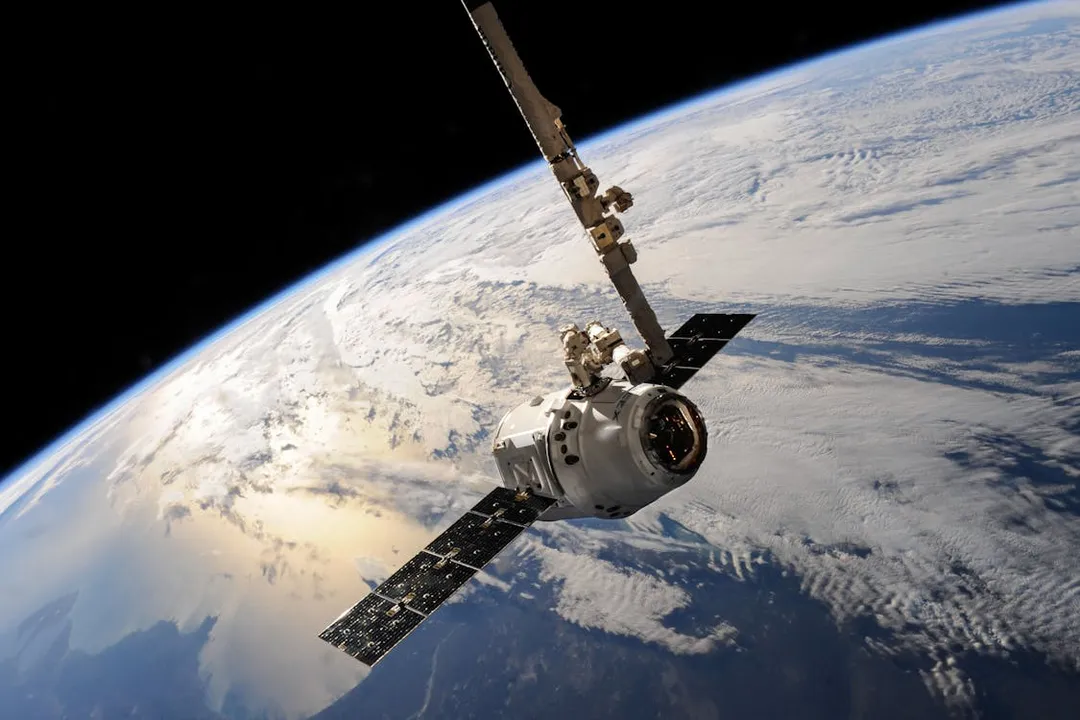
The question of what fuels astronauts during long voyages into the cosmos moves far beyond simply packing enough calories. Weight, volume, shelf life, and complete nutrition are fiercely competing factors when every ounce launched into orbit carries an enormous price tag. While the current menu in space relies on a variety of thermostabilized, irradiated, and rehydratable items, scientific investigation frequently zeroes in on exceptionally nutrient-dense biological sources that could sustain crews on future deep-space expeditions. [8] Among these candidates, one organism stands out consistently in studies related to space nutrition: Spirulina.
# Algae Power
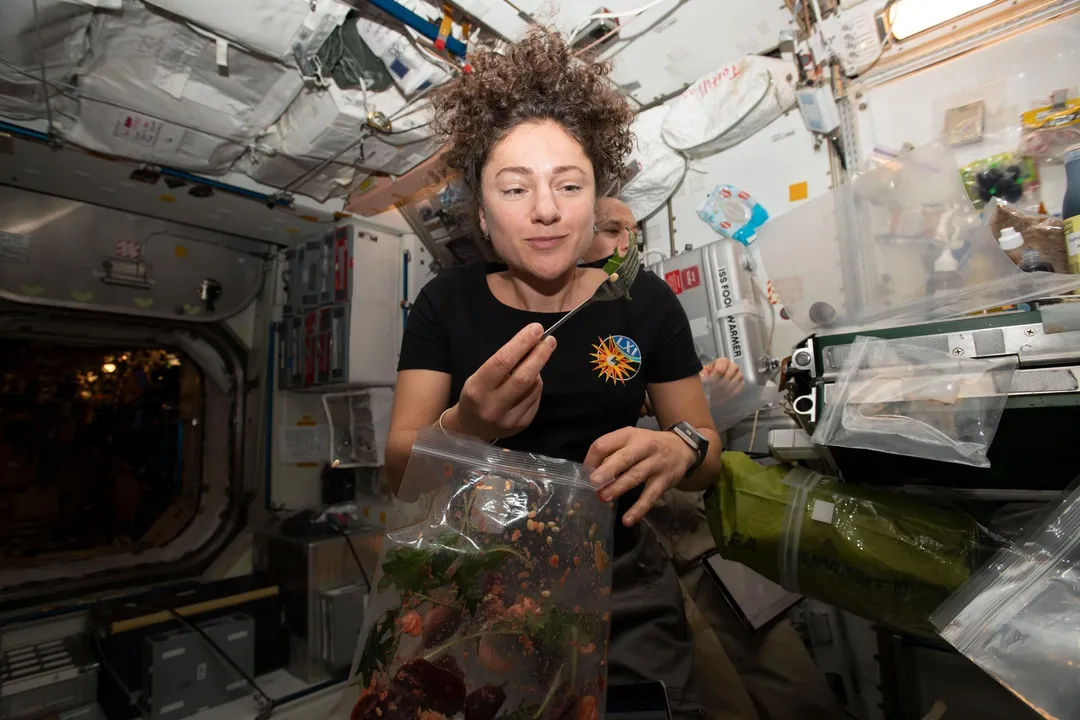
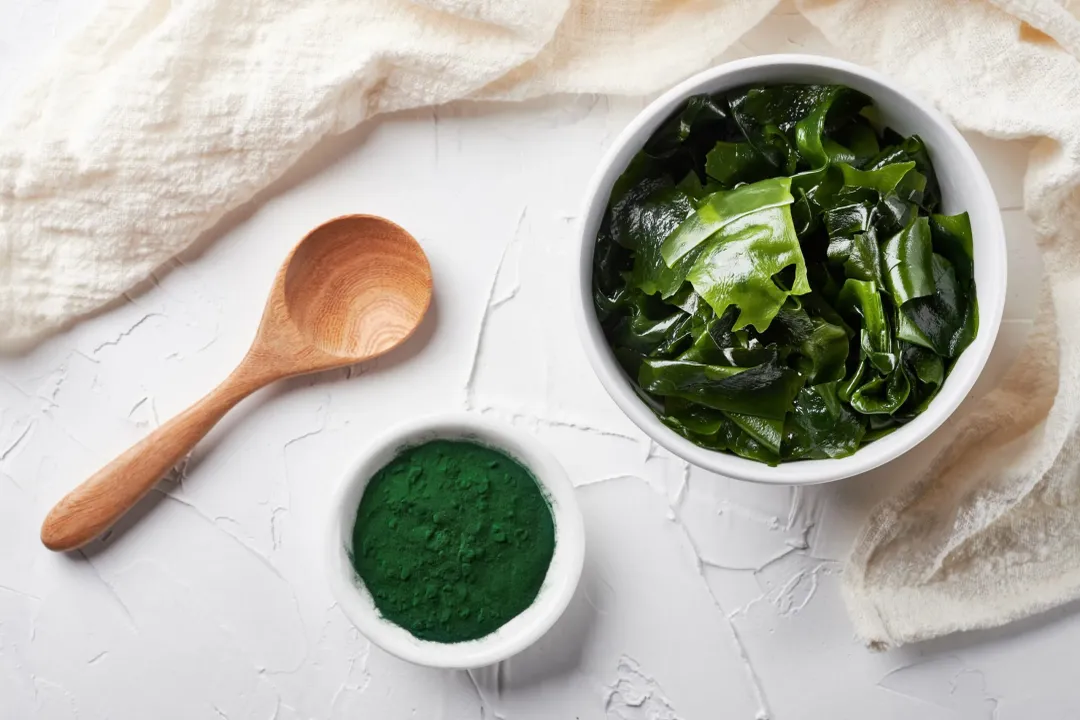
Spirulina, a type of blue-green microalgae, has garnered significant attention from space agencies, including NASA, for its remarkable nutritional composition. [1][2][7] This organism packs an astonishing amount of protein, often cited as comprising between 50% and 70% of its dry weight, significantly higher than most conventional protein sources like beef. [1][9] When considering the mass restrictions of space travel, this extreme concentration is invaluable. [1]
Beyond protein, Spirulina is a powerhouse of essential micronutrients. It provides an array of B vitamins, including B12, although the form present is sometimes debated for its bioavailability compared to animal sources, it still contributes significantly to the diet. [1] It also contains healthy fats, including gamma-linolenic acid (GLA), and minerals like iron and calcium. [1][9] Its high concentration of antioxidants is another key benefit, offering support against cellular stress, a constant concern in the unique radiation environment of space. [9] NASA has specifically looked into Spirulina's potential as a food supplement or source for long-duration missions due to these properties. [1][7]
# Nutrient Density
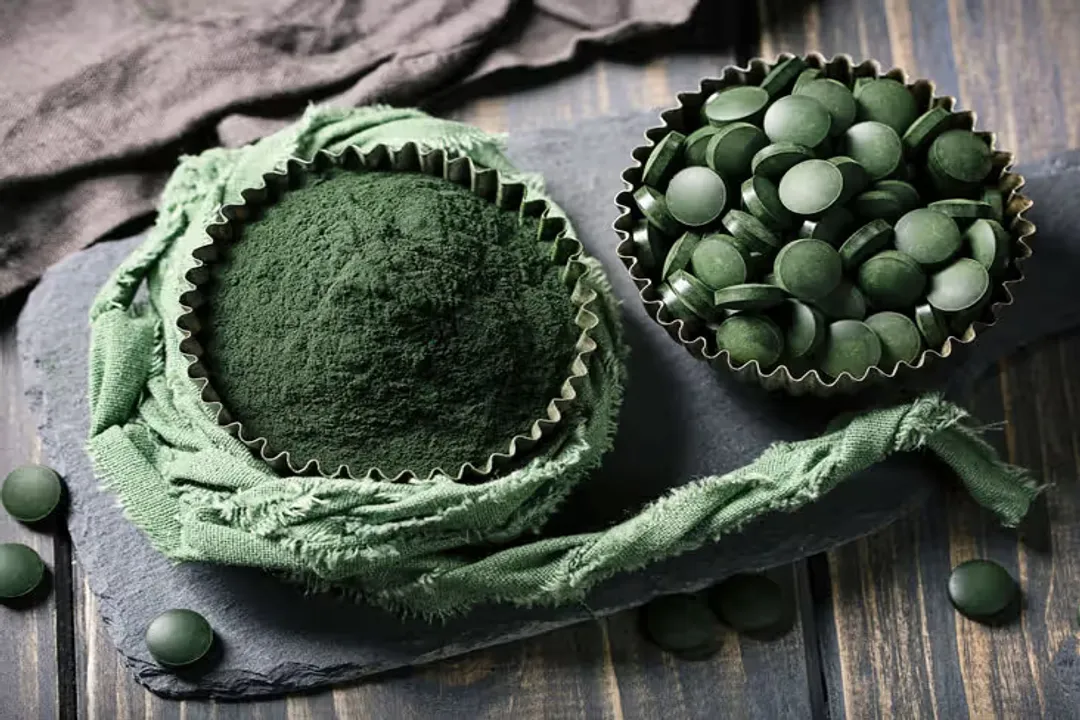
The efficiency of a space food source is measured not just by its contents, but by what it doesn't contain—namely, water and unnecessary bulk. Spirulina requires minimal resources to produce biomass compared to traditional agriculture. [1] When growing food in space, an in-situ life support system, these algae can be cultivated in controlled photobioreactors, using light and recycled water to generate edible material rapidly. [1][7] This contrasts sharply with growing crops that require extensive soil, large volumes, and long growing cycles. [1]
For example, when comparing a gram of dried Spirulina powder to a traditional vegetable source, the sheer volume of nutrients packed into that small, lightweight powder is substantially greater. If a typical astronaut diet requires approximately 1.5 to 2 pounds of food daily, incorporating a highly dense supplement like Spirulina powder, perhaps 10 to 20 grams daily, drastically cuts the necessary resupply mass over a multi-year mission compared to relying on bulkier fresh produce or less efficient protein supplements. This small addition yields a measurable reduction in the launch weight required for sustenance over time.
# Alternative Berries
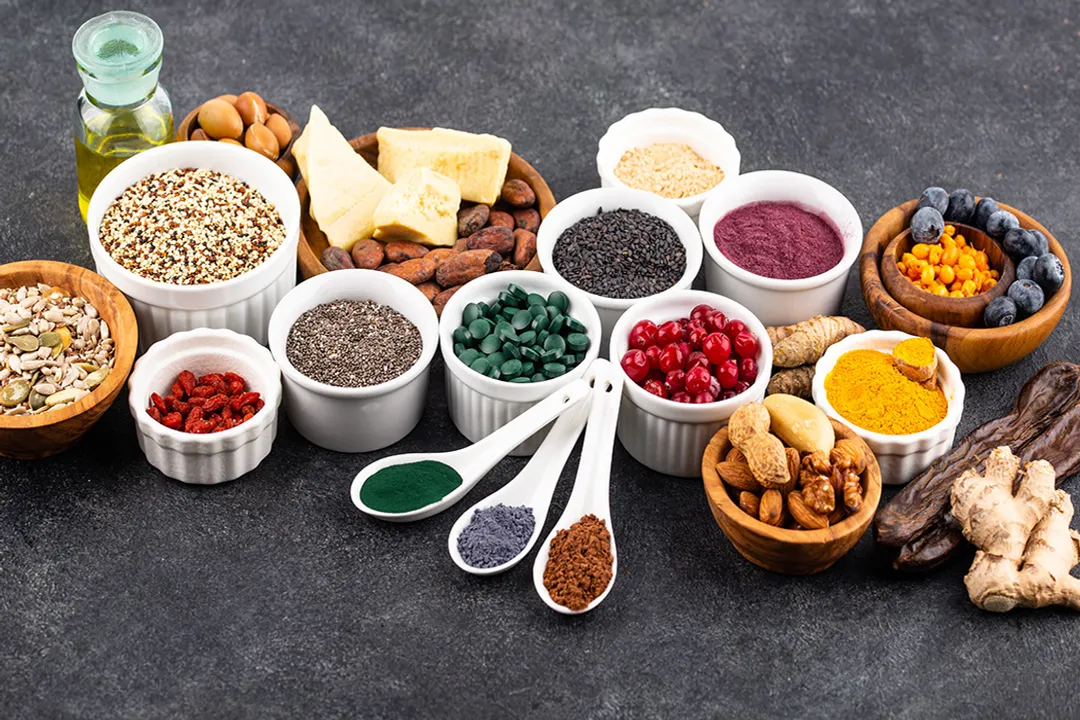
While Spirulina often takes the spotlight, other superfoods are also part of the rigorous testing protocols for astronaut nutrition. Sea Buckthorn, for instance, has been specifically included in NASA's Space Nutrition Program research. [5] This berry is celebrated for its extraordinary concentration of Vitamin C, often exceeding that of oranges. [5] In the confined, often sterile environment of a spacecraft, maintaining immune function is paramount, and Vitamin C plays a recognized role in supporting that defense system. [5]
Comparing the two, Spirulina leans heavily into providing complete macronutrients (protein) and baseline vitamins/minerals, acting as a foundational supplement. Sea Buckthorn, on the other hand, offers a targeted punch of specific, high-demand micronutrients, particularly Vitamin C and unique fatty acids, which addresses known deficiencies or increased needs in confined living spaces. [5] In a successful space diet model, these high-impact plants likely function as complementary additions rather than single-source replacements.
# Space Logistical Constraints
The general requirements for space food provide the necessary context for why these specific superfoods are interesting. Food consumed in orbit must generally be lightweight, highly shelf-stable, and ready for consumption with minimal preparation, usually involving adding water. [8] The current staple foods—thermostabilized meats, irradiated fruits, and rehydratable meals—meet these baseline needs but often lack the nutritional complexity and freshness that long-duration missions require to maintain crew health and morale. [8]
These microalgae and berries are not meant to replace the entire meal; rather, they are being investigated as concentrated additives that can bridge nutritional gaps that conventional space fare might miss over years away from Earth. Their value lies in their ability to deliver a high percentage of the Recommended Daily Allowance (RDA) of several key elements in a tiny, inert package until reliable in-situ cultivation is scalable enough to provide fresh alternatives. [1]
# Cultivation Potential
The true long-term vision for space nutrition moves beyond simply packing food from Earth. It centers on growing it onboard, which is where the controlled cultivation of Spirulina becomes exciting. [7] Because Spirulina grows rapidly in bioreactors using controlled light, it fits the model of a sustainable, closed-loop system necessary for missions to Mars or beyond. [1]
For terrestrial users interested in maximizing nutrient uptake from algae like Spirulina, understanding processing is key. Unlike some whole foods where bulk might aid digestion, consuming dried Spirulina powder mixed into a liquid medium maximizes the surface area exposed to stomach acids. This preparation method can potentially improve the bioavailability of its dense iron and B vitamins compared to eating it in a highly compressed pellet form, mirroring the need for quick nutrient absorption that astronauts would require from their rations.
Related Questions
#Citations
Spirulina: the food supplement already used by NASA astronauts
Why Is Spirulina An Astronaut Food? Facts And Benefits
The Superfood that Makes Popeye Jealous #nasa - YouTube
Superfood goes to space - News - Blogs - University of Florida
Sea Buckthorn for Astronauts: A Superfruit for NASA Space Missions
Spirulina: NASA Uses It for Astronauts — Here's Why You Should Too
Why Spirulina Is Chosen As A Space Food - TA Vital
Space food - Wikipedia
10 Health Benefits of Spirulina - Healthline