What do astronauts do with urine?
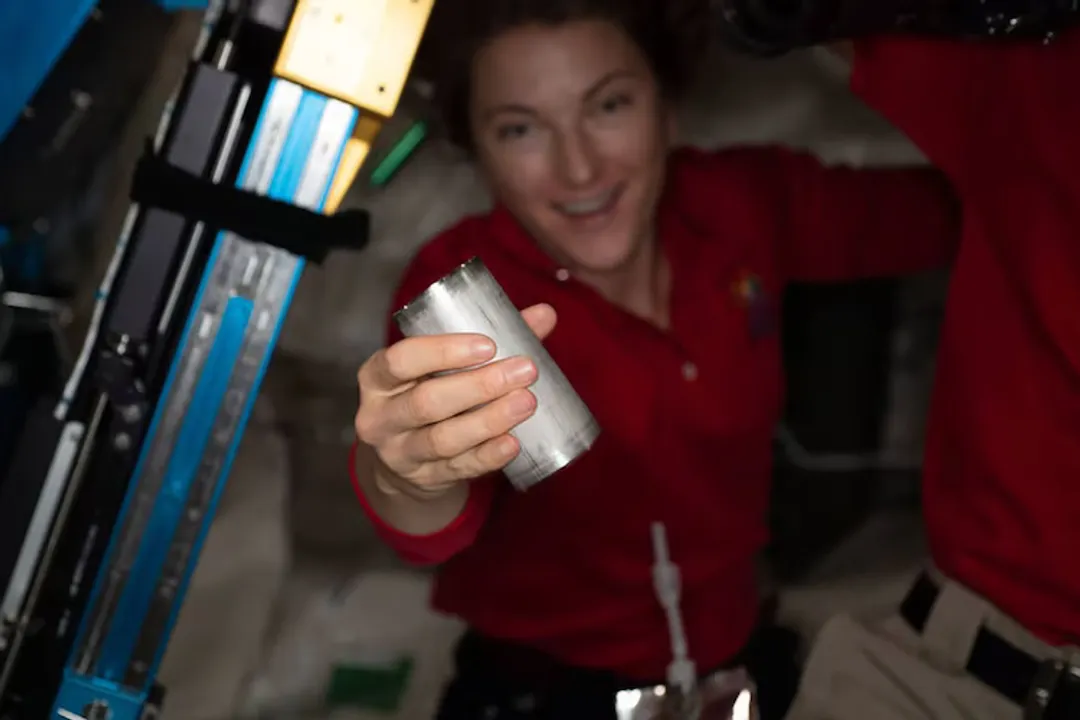
The question of where bodily waste goes when astronauts are living hundreds of miles above Earth is a common point of curiosity, and the answer involves some truly remarkable engineering. Far from simply dumping the contents overboard, space agencies have perfected a system of near-total recycling, meaning that what goes out often comes back as potable water. In fact, on the International Space Station (ISS), the goal for water recovery from sources like urine and sweat is incredibly high, often targeted at 98%. [3] Astronauts confirm that their urine and sweat are almost entirely recycled while they are up there. [2] This closed-loop approach is not a luxury; it is a fundamental requirement for any long-duration mission away from Earth's supply chain.
# Water Logistics
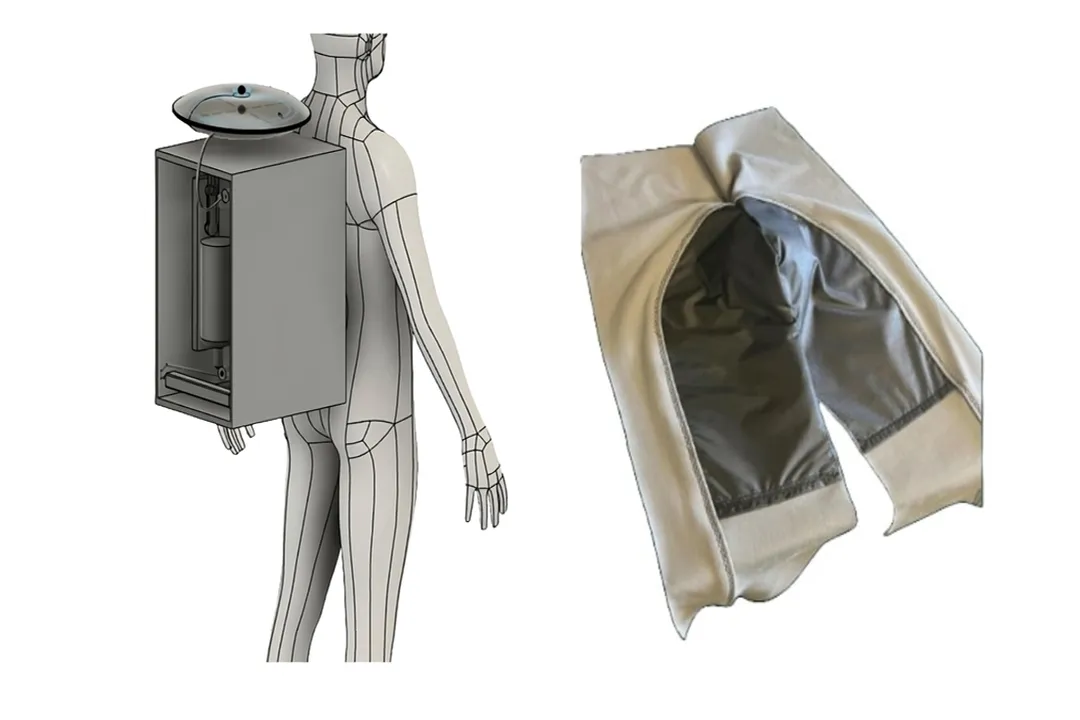
Water is incredibly heavy, and launching mass from Earth into orbit is tremendously expensive. Every kilogram launched represents a significant cost and a logistical constraint for missions. To sustain a crew for months or years, bringing all necessary water from the ground is simply not feasible, even for missions to the Moon, and certainly not for a potential trip to Mars. [3]
Consider this: an average person on Earth consumes and produces roughly 3 to 4 liters of water daily through drinking, cooking, and respiration, with a significant portion exiting as urine. If a single astronaut produces about 1.5 liters of urine per day, over a six-month expedition, that adds up to over 270 liters of potential drinking water that would need to be launched if it were discarded. [2] By successfully reclaiming 98% of that fluid, NASA essentially eliminates the need to launch over 260 kilograms of water just to replace the output from a single crew member's bodily functions over half a year. This efficiency drastically reduces resupply needs and significantly lowers the overall cost and complexity of staying in space for extended periods.
# Urine Processing
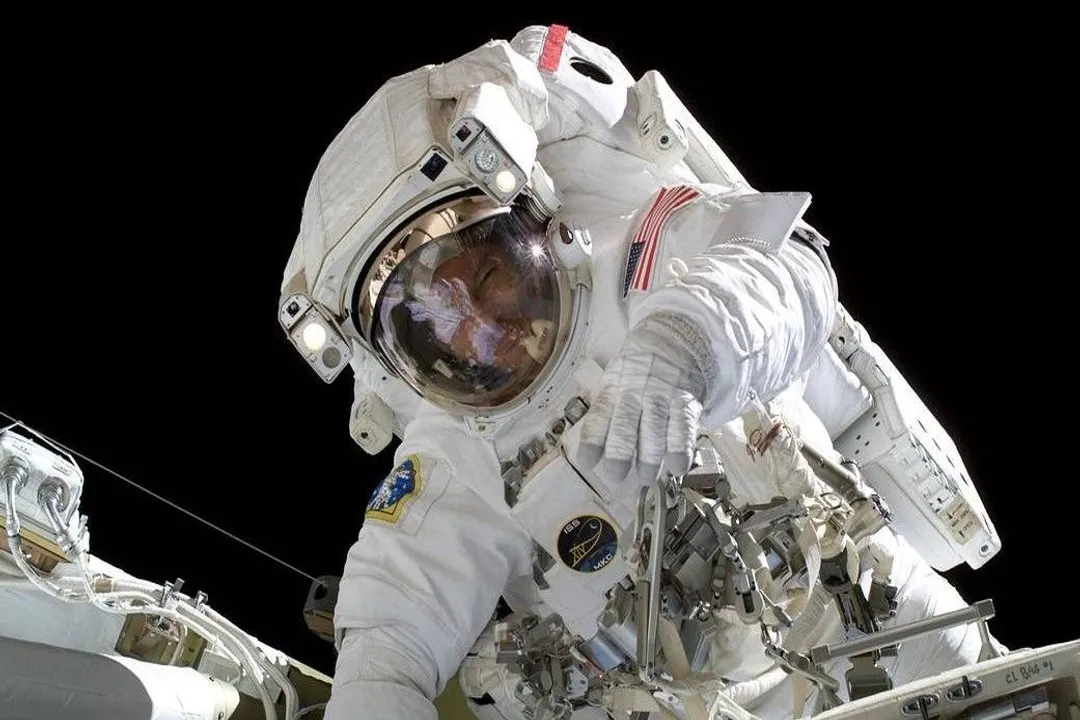
The heart of this system is the Water Recovery System (WRS), which contains specialized hardware to handle liquid waste. Specifically, the urine goes through the Urine Processor Assembly (UPA). [4] This machinery is designed to take the collected liquid and begin the process of separating the pure water vapor from the contaminants.
The process involves using a vacuum distillation technique. The urine is heated under a vacuum, which causes the water to boil and turn into steam at a much lower temperature than it would on Earth. [1] This lower boiling point saves energy, a critical consideration in spaceflight where power is limited. As the steam rises, it leaves behind the salts, urea, and other non-volatile waste products, which are collected separately. This concentrated waste slurry is then often stored for eventual disposal or analysis, while the water vapor moves on to the next stage. [4]
For those observing the equipment, it can look surprisingly complex for something handling something as simple as urine. The hardware manages flow rates, temperatures, and vacuum levels with extreme precision to ensure maximum recovery and minimal energy use. [1][5]
# Water Purity
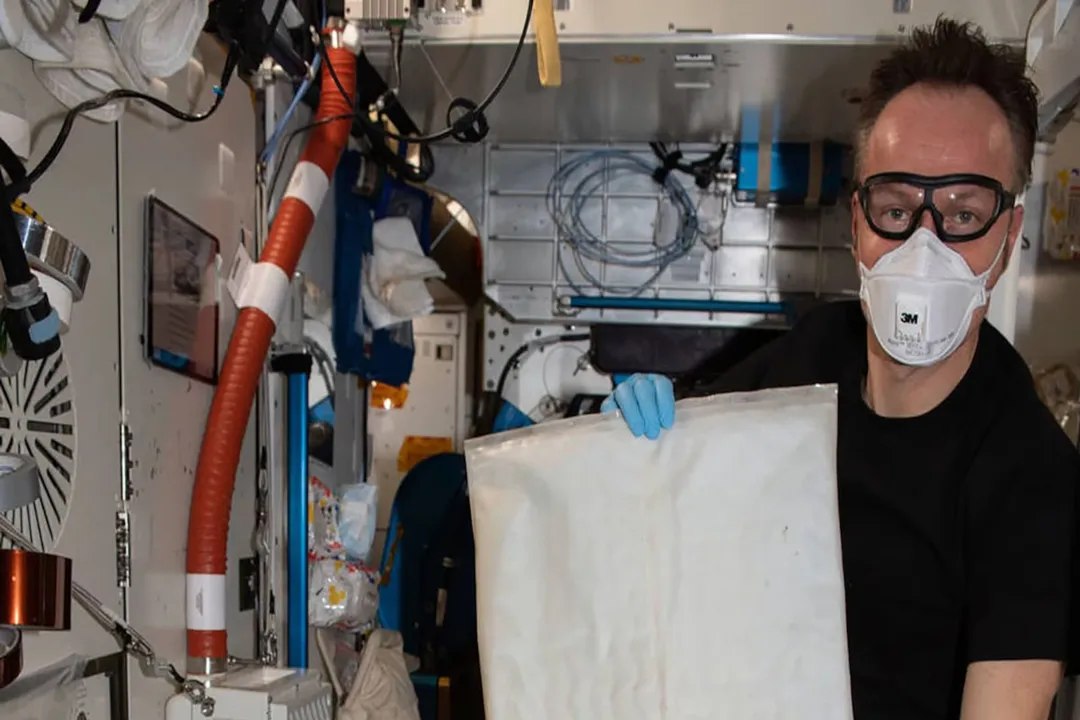
The second stage after distillation is crucial for making the recovered water safe and palatable. The water vapor collected from the UPA isn't ready to drink immediately; it needs further cleaning. It passes through filters and catalytic oxidation processes designed to remove any remaining volatile organic contaminants that might have carried over with the steam. [7]
The resulting product is then mixed with recovered wastewater from other sources—like humidity condensate—and run through a final filtration and polishing stage before it is declared potable. [3] What arrives in the astronauts' drinking containers is often startlingly pure. Reports indicate that the recycled water can be cleaner than the tap water available in many homes on Earth. [3][7]
This level of purity is achieved because the system is designed to strip out everything else. In an environment where there is no natural replenishment cycle for drinking water, the system must operate under extremely stringent standards. The reality is that the water they drink is not just "recycled"; it has been meticulously purified to medical-grade standards to ensure crew health over many months. [7]
# Humidity Capture
Astronauts don't just produce liquid waste; they also contribute water vapor to the cabin environment through breathing and perspiration. This humidity is essentially evaporated drinking water floating in the air, and discarding it would be a monumental waste.
The Environmental Control and Life Support System (ECLSS) on the ISS captures this moisture using a dehumidifier system. [3] Air from the cabin is passed over cold plates, causing the water vapor to condense back into liquid form. This condensate, which is essentially distilled water that has never been contaminated by the urine processor, is collected. [2]
When we look at the total water budget, it's the combination of the UPA output and the humidity condensate that allows the station to achieve that impressive 98% recovery rate. [3] A failure in either system would immediately threaten mission success by necessitating emergency resupply deliveries.
# Drinking Reality
For newcomers, the concept of drinking processed urine and sweat is often the most difficult psychological hurdle to clear. Astronauts, however, quickly normalize the process because they understand the physics and the necessity behind it. [6] People who have seen demonstrations, such as Samantha Cristoforetti explaining the system, report that the technical explanation reduces the "ick factor" significantly. [6]
Astronauts consume the recycled water mixed with some of the original potable water reserves brought from Earth, ensuring a constant supply of known quality. [4] When they drink it, they are typically consuming a blend that might be 60% recycled condensate and 40% processed urine water, depending on the system's operational status and mission phase. [3] They are not just drinking yesterday's output; they are drinking water that has been cycled through a purification process designed to exceed terrestrial standards.
The process requires a high degree of trust. Every crew member must have absolute confidence in the engineering that keeps them alive, which includes trusting that the purification process works flawlessly every single cycle. [7] This faith in closed-loop life support is arguably one of the most critical, non-technical skills required for deep space travel. If a crew cannot trust their water supply, mission performance and morale will plummet.
# Future Requirements
While the ISS system is excellent for Low Earth Orbit operations, future long-duration missions, such as those planned for Mars, will demand even higher reliability and efficiency. The systems used now must be perfected because there is no quick resupply option when you are millions of miles from home. [3]
For missions beyond Earth orbit, the reliance on in-situ resource utilization—which includes fully recycling all available consumables—becomes absolute. Engineers continue to refine these systems, focusing on reducing maintenance downtime and increasing the longevity of the filtration components. [7] The urine processing hardware itself is essentially a highly complex, miniature chemical plant operating under unique gravitational conditions, a testament to aerospace ingenuity in sustaining human life off-world. [1][4] Every drop recovered represents fuel saved, mass conserved, and a step closer to independent, sustained human presence elsewhere in the solar system.
#Videos
Astronauts Drink Urine and Other Waste Water | Video - YouTube
Related Questions
#Citations
Astronauts Drink Urine and Other Waste Water | Video - YouTube
Astronauts' urine and sweat are almost entirely recycled into ... - Reddit
NASA says 98% of astronauts' urine, sweat can be recycled into ...
Is it true that astronauts drink their own refined urine while ... - Quora
How to use the Bathroom in Space | NASA+
Astronauts could ditch diapers on spacewalks thanks to new device ...
Astronauts drink their urine: How is it possible | Aquaporin
Space Toilet System on the ISS Explained - TikTok
What Do Astronauts Do With Pee in Space? | Season 4 | Episode 24