What is an Earth impact?
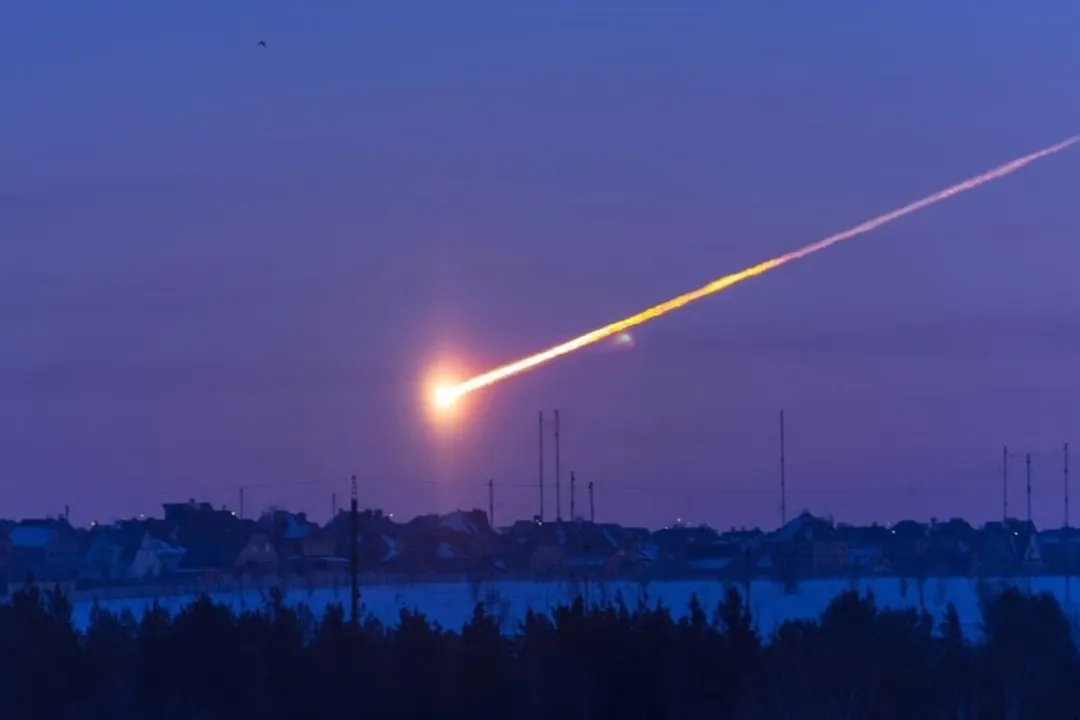
Every day, Earth is bombarded by millions of tons of space debris ranging from microscopic dust particles to massive asteroids. [2] Most of this material burns up in the atmosphere as meteors, but a small fraction survives to strike the surface as meteorites. [2] An Earth impact refers to the collision of a solid extraterrestrial object—such as an asteroid, comet, or meteoroid—with our planet. These events are a natural, geological process that has shaped the appearance, climate, and biological history of Earth since its formation. [2][4]
# Impact Physics
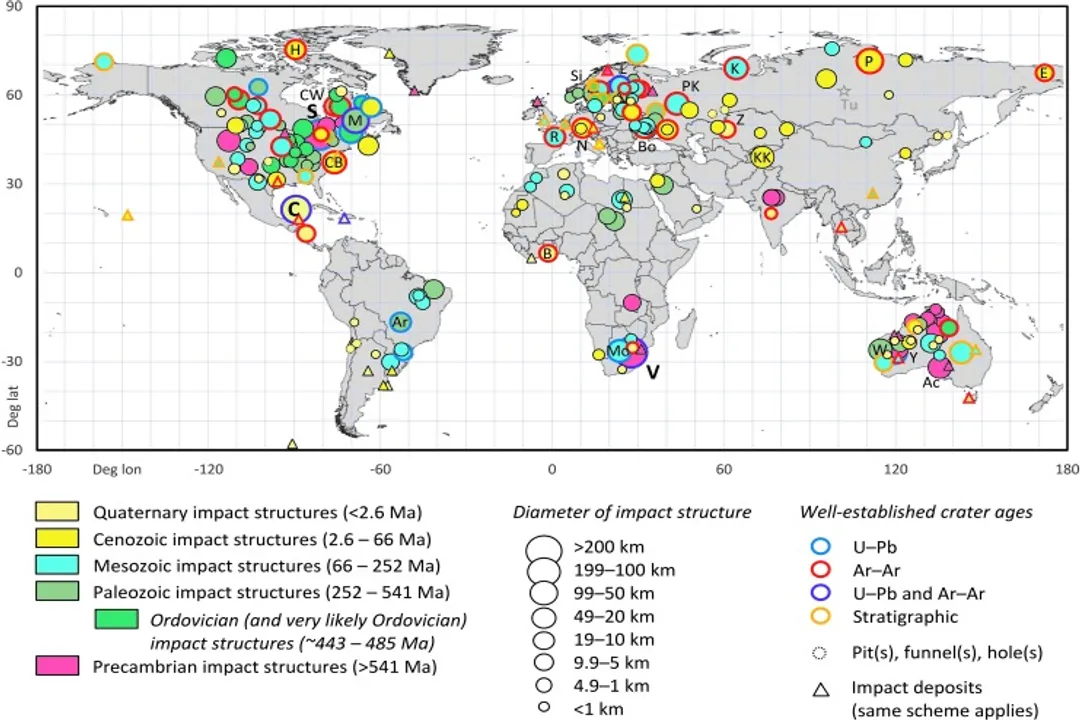
The severity of an impact depends on several variables, primarily the mass of the object and its velocity. [4] Because asteroids and comets travel through space at high speeds—typically between 11 and 72 kilometers per second—they possess immense kinetic energy. [2] Even a relatively small object can release energy equivalent to a nuclear weapon upon striking the ground.
Kinetic energy is defined by the formula , where is the mass and is the velocity. Because velocity is squared, it is the most critical factor in determining the energy released during a collision. When an object hits Earth, this energy is instantly transferred to the crust, generating shock waves that vaporize rock, melt material, and displace vast amounts of debris. [4]
The following table categorizes the typical energy release and the anticipated effects of impacts based on the size of the bolide.
| Bolide Diameter | Energy Release (Approx.) | Frequency | Potential Impact |
|---|---|---|---|
| < 10 meters | < 1 kiloton TNT | Weekly | Airburst; usually harmless |
| 50 meters | 10–20 megatons | ~100–1,000 years | Regional devastation; Tunguska-like |
| 1 kilometer | 10,000+ megatons | ~1,000,000 years | Global climate disruption |
| 10 kilometers | 100 million+ megatons | ~100,000,000 years | Mass extinction event |
# Cratering Process
When a large object strikes the surface, the process occurs in three distinct stages: compression, excavation, and modification. [4] During the compression stage, the shock wave travels into the ground, accelerating the target rock downward and outward while the bolide itself is subjected to immense pressure, causing it to shatter or vaporize. [4]
Following compression, the excavation stage begins. The shock wave expands, pushing material out of the target area to form a bowl-shaped cavity. In the final modification stage, the crater walls often collapse inward due to gravity, leading to the creation of features like central peaks or multi-ring structures, depending on the size of the impactor. [4]
Small impacts typically result in simple, bowl-shaped craters, while larger, more energetic impacts create complex craters with uplifted centers. [4] Over time, geological processes such as erosion, sedimentation, and plate tectonics act to obscure these craters. Earth is geologically active, which explains why the planet appears to have fewer craters than the Moon or Mars, despite having faced a similar frequency of bombardment throughout history. [4]
# Historical Record
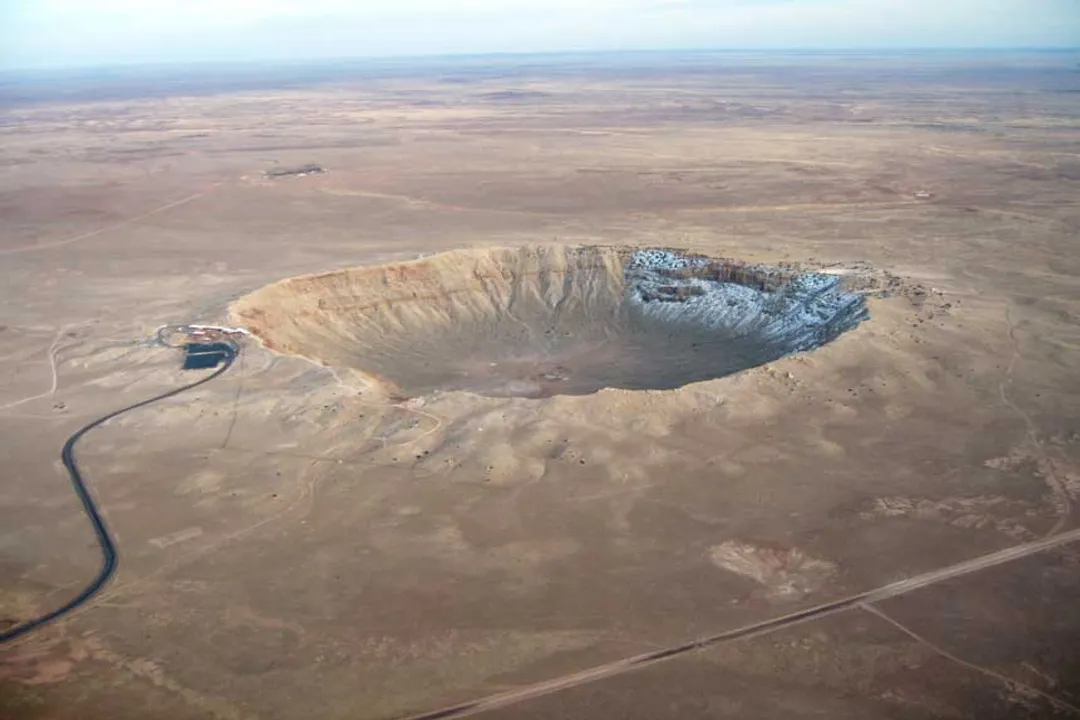
The history of our planet is punctuated by major impact events. While these collisions are often associated with destruction, they have also played a role in the evolution of the biosphere. [3] The geologic record preserves evidence of ancient strikes that altered the environment significantly.
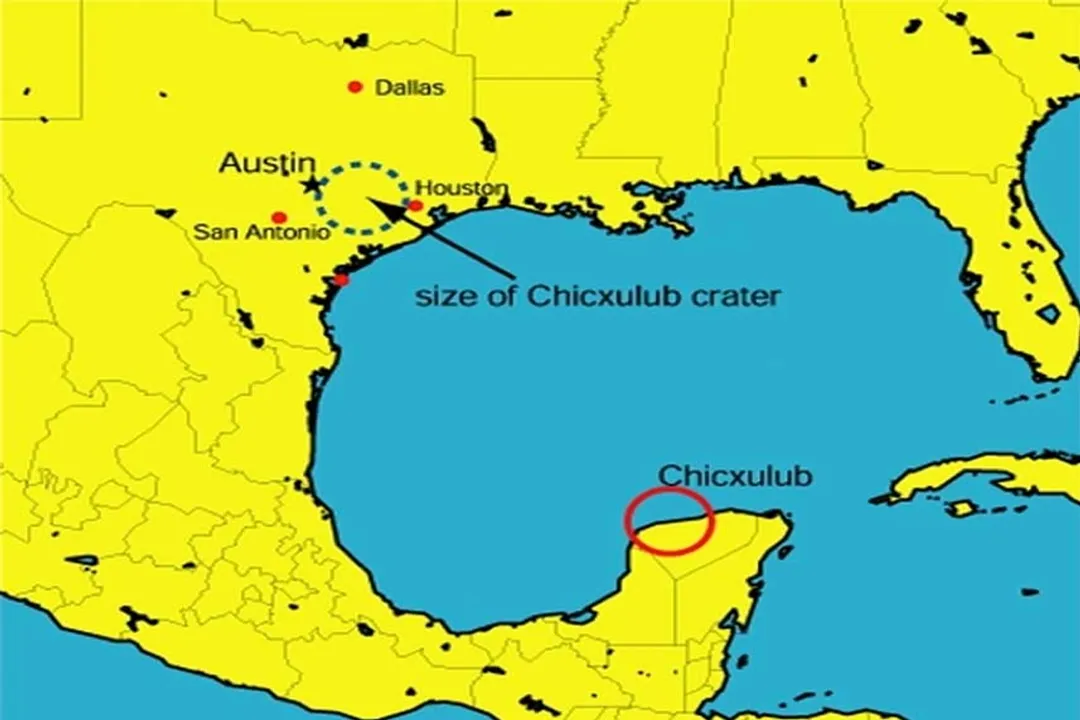
One of the most notable events is the Chicxulub impact, which occurred approximately 66 million years ago. [3] A massive asteroid, roughly 10 kilometers in diameter, struck the Yucatan Peninsula in Mexico. This event released energy equivalent to billions of tons of TNT, ejecting dust and aerosols into the atmosphere that blocked sunlight for years. [3] The resulting collapse of photosynthesis and global food chains led to the extinction of the non-avian dinosaurs and nearly three-quarters of all plant and animal species on Earth. [3]
However, not all impacts are catastrophic on a global scale. The 1908 Tunguska event in Siberia flattened over 2,000 square kilometers of forest. [3] This was likely caused by an object no larger than a few dozen meters that exploded in the atmosphere before reaching the ground. The shock wave was sufficient to knock down trees and generate seismic waves, yet it did not produce a crater because the object fragmented in mid-air. [3]
# Impact Geography
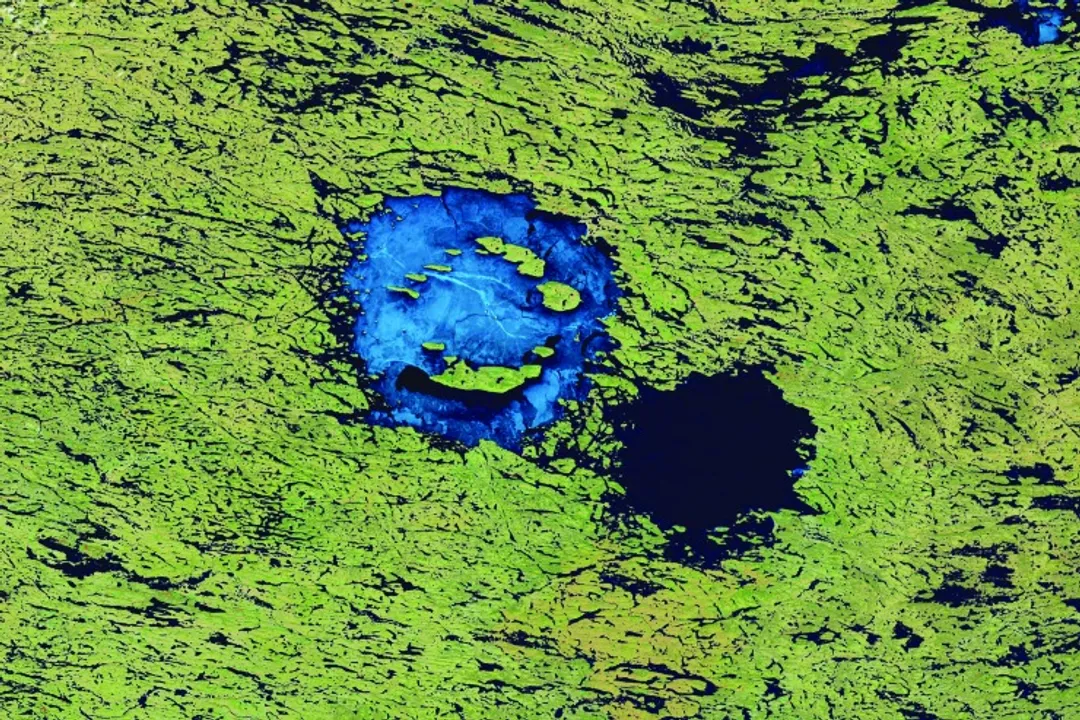
The consequences of an impact are heavily influenced by the geography of the target site. A crucial distinction often overlooked is the difference between a land-based impact and an ocean impact.
If a medium-sized asteroid strikes an arid or unpopulated landmass, the primary danger is the shock wave and the localized thermal radiation. The damage is restricted to the immediate vicinity of the crater. However, if the same asteroid strikes an ocean, the results are fundamentally different. The kinetic energy creates a massive displacement of water, which could generate tsunamis capable of traveling thousands of kilometers. This leads to a scenario where the coastal regions of entire continents face damage, even if the impact occurred far from land.
Similarly, an impact in a geologically unstable area—such as a region with heavy sedimentary deposits or near a fault line—could theoretically trigger secondary geological hazards like earthquakes or landslides. These secondary effects amplify the impact's reach far beyond the actual crater location.
# Hazard Assessment
Scientists monitor the skies for Near-Earth Objects (NEOs), which are asteroids and comets whose orbits bring them into proximity with Earth. [1] The objective is to identify potential threats decades in advance, allowing for the possibility of deflection or mitigation. [9]
The Torino Scale is one method used to communicate the risk of an impact to the public. [1] It ranges from 0 to 10. A rating of 0 indicates that the likelihood of an impact is zero or that the object is too small to penetrate the atmosphere. A rating of 10 represents a certain collision capable of causing global climatic catastrophe. [1]
The current scientific approach to the impact hazard involves several steps:
- Detection: Telescopic surveys (both ground-based and space-based) map the orbits of asteroids.
- Tracking: Astronomers calculate the orbit of discovered objects to determine if a future intersection with Earth is probable.
- Characterization: Researchers estimate the size, composition, and rotation of the object to gauge its potential impact energy.
- Preparedness: International agencies develop planetary defense strategies, such as the DART mission, which successfully demonstrated that human technology could alter the trajectory of an asteroid. [9]
# Monitoring Efforts
While the probability of a civilization-ending asteroid impact in the near future is statistically low, the potential consequences necessitate constant vigilance. [1] Most small objects that threaten Earth are identified only days before they arrive, which is insufficient for deflection missions. However, these small airbursts provide data that help scientists calibrate impact models. [5]
Large-scale surveys now catalog the vast majority of asteroids larger than 1 kilometer in diameter, as these are the objects capable of causing global devastation. [1] The focus has shifted toward finding smaller, 50-to-100-meter asteroids that could cause significant regional destruction. [9]
Preparedness also involves civil defense. Unlike hurricane or earthquake warnings, asteroid warnings can potentially be issued years in advance if the object is spotted early enough. [9] This allows for the calculation of the "risk corridor"—the specific path across Earth's surface where the impact would occur—enabling local authorities to plan evacuations or initiate deflection attempts. [9]
By studying craters, analyzing the history of bombardment, and tracking near-Earth objects, scientists are transforming our understanding of these events from a source of mystery into a manageable field of planetary science. Each asteroid tracked and each crater mapped adds to a broader map of the solar system's history, helping protect the future of the planet. [8]
#Videos
The Science Behind Asteroid Impacts | How The Universe Works
Related Questions
#Citations
Earth impact hazard | Definition & Facts - Britannica
Earth Impacts | American Museum of Natural History
Notable Asteroid Impacts in Earth's History | The Planetary Society
Shaping the Planets: Impact Cratering - Lunar and Planetary Institute
Meteorite impact - Understanding Global Change
The Science Behind Asteroid Impacts | How The Universe Works
Earth's Impact Events Through Geologic Time: A List of ... - PMC - NIH
Impact Earth: A review of the terrestrial impact record - ScienceDirect
Asteroid Day: How do you prepare for an asteroid impact? - USGS.gov