What do you call the environment in space?
The space environment is defined as the physical conditions that exist outside of Earth's atmosphere. [1] While it is common to refer to this region as simply "space," engineers and scientists use specific terminology to describe the harsh, dynamic, and often hazardous nature of the area surrounding our planet and extending into the solar system. [2] It is not merely empty blackness; rather, it is a complex medium filled with radiation, plasma, dust, and significant thermal gradients that directly affect both human physiology and the structural integrity of satellites or spacecraft. [3]
Understanding this environment is mandatory for any mission, whether it involves sending a satellite into low Earth orbit (LEO) or planning human travel to deep space. [8] When planners discuss the space environment, they are typically referring to the combination of vacuum conditions, ionizing radiation, plasma environments, orbital debris, and neutral particles. [2][4]
# Vacuum Conditions
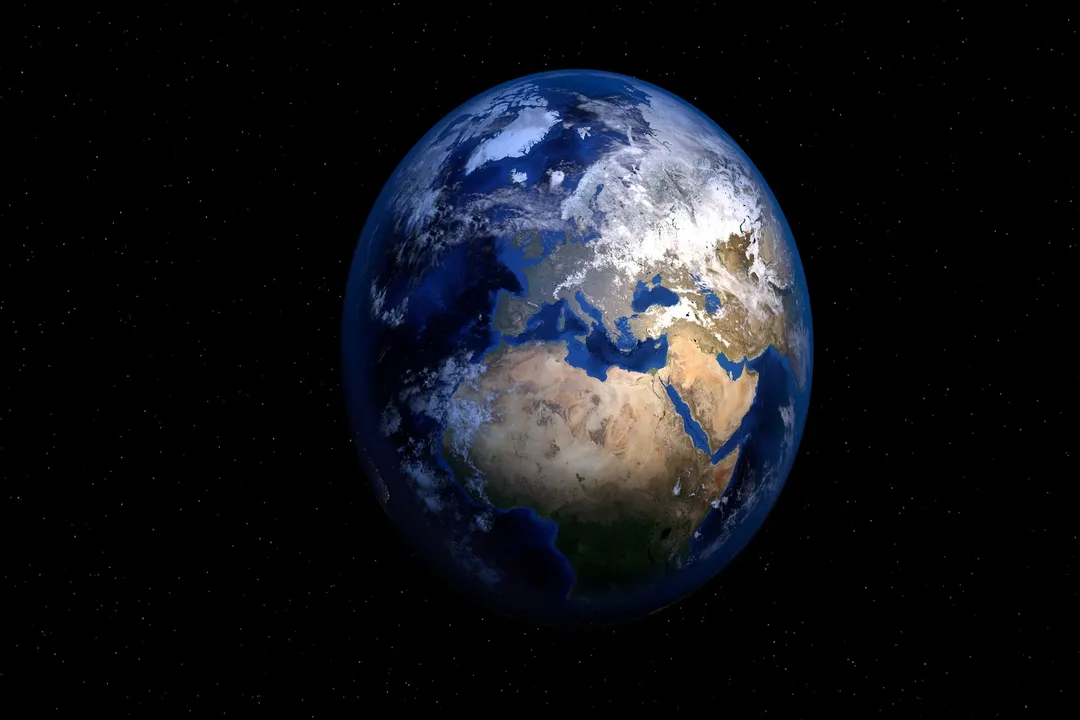
The most widely recognized characteristic of space is its near-vacuum state. Contrary to the common perception of space as an absolute void, it is more accurately described as a region of extremely low density. [1] Even in these low-density regions, the presence of residual particles poses significant challenges to hardware. [3]
In a vacuum, materials behave differently than they do on Earth. One critical issue is outgassing, where materials—such as plastics, adhesives, or lubricants—release trapped gases when exposed to low pressure. [4] This process can lead to the contamination of sensitive optical instruments or solar arrays. Furthermore, the lack of air means that heat transfer through convection is impossible. In space, heat can only be moved through radiation or conduction, which necessitates complex thermal control systems for all spacecraft. [5]
A particularly interesting phenomenon in the near-Earth environment is the presence of atomic oxygen. At low altitudes, high-energy solar radiation breaks down diatomic oxygen (O₂) into single, highly reactive oxygen atoms. [4] These atoms collide with spacecraft surfaces at orbital velocities, causing a sandblasting effect that erodes paints, polymers, and other exterior materials over time. This atomic oxygen erosion is a specific, well-documented engineering challenge that requires the use of protective coatings like silicon dioxide to prevent structural degradation. [7]
# Radiation Fields
Radiation represents perhaps the most severe threat in the space environment for both electronics and biological organisms. [8] This radiation is generally categorized into three sources: trapped radiation, solar particle events, and galactic cosmic rays. [2]
Trapped radiation consists of charged particles, primarily protons and electrons, that are caught by Earth’s magnetic field. These particles form the Van Allen radiation belts, which surround the planet. [1] Spacecraft passing through these belts, or those stationed in orbits that intersect them, face a constant bombardment of ionizing radiation. Over time, this leads to total ionizing dose (TID) degradation, where electronics slowly lose function as charges accumulate within sensitive components like semiconductors. [9]
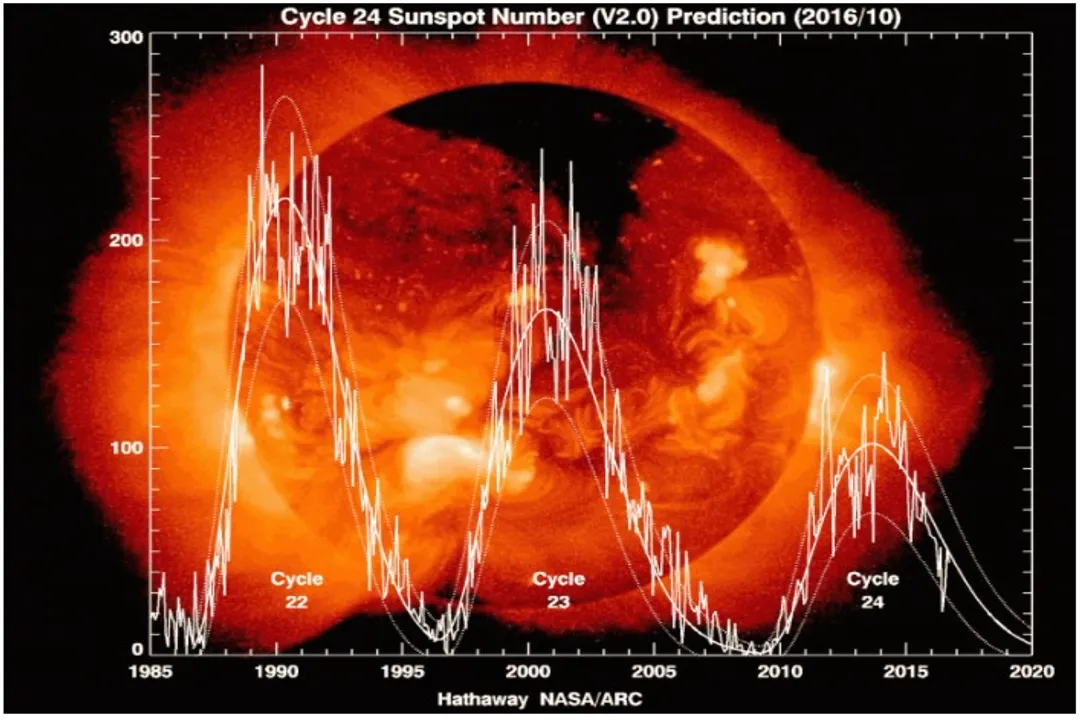
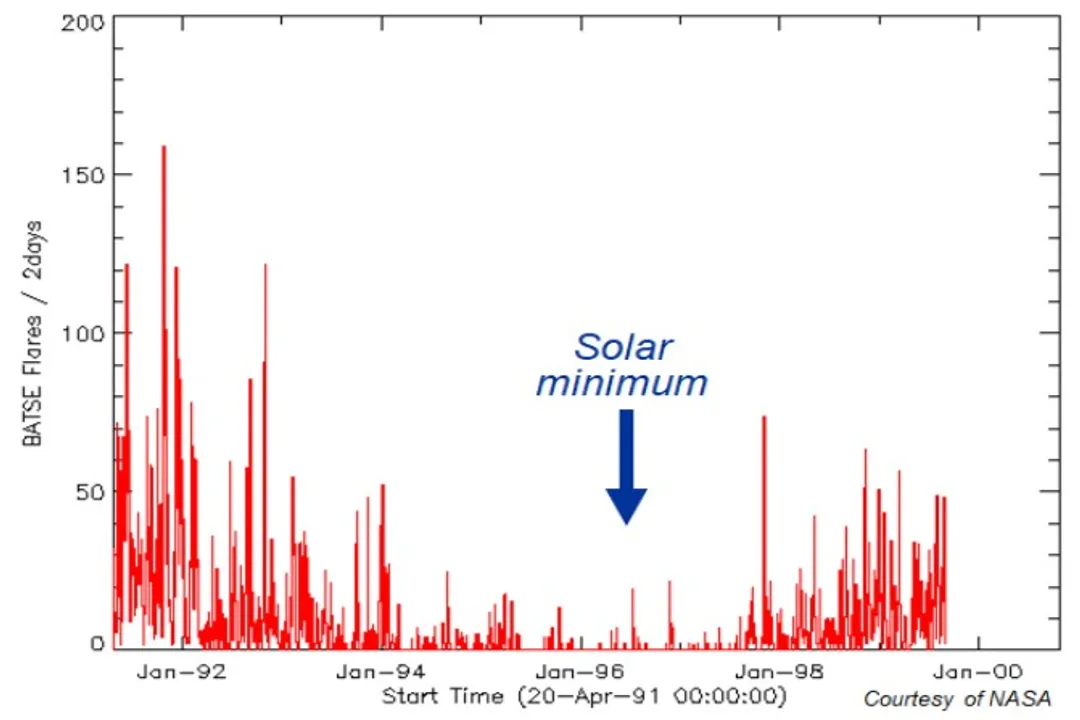
Solar particle events and galactic cosmic rays originate from outside the near-Earth magnetic influence. Solar activity, such as flares and coronal mass ejections, can dramatically increase the number of energetic particles in the vicinity. [6] These events create sporadic spikes in radiation, often referred to as space weather. Unlike the relatively predictable trapped radiation, solar particle events can occur suddenly, requiring spacecraft to have robust shielding or "safe mode" capabilities to survive the surge. [5]
# Thermal Extremes
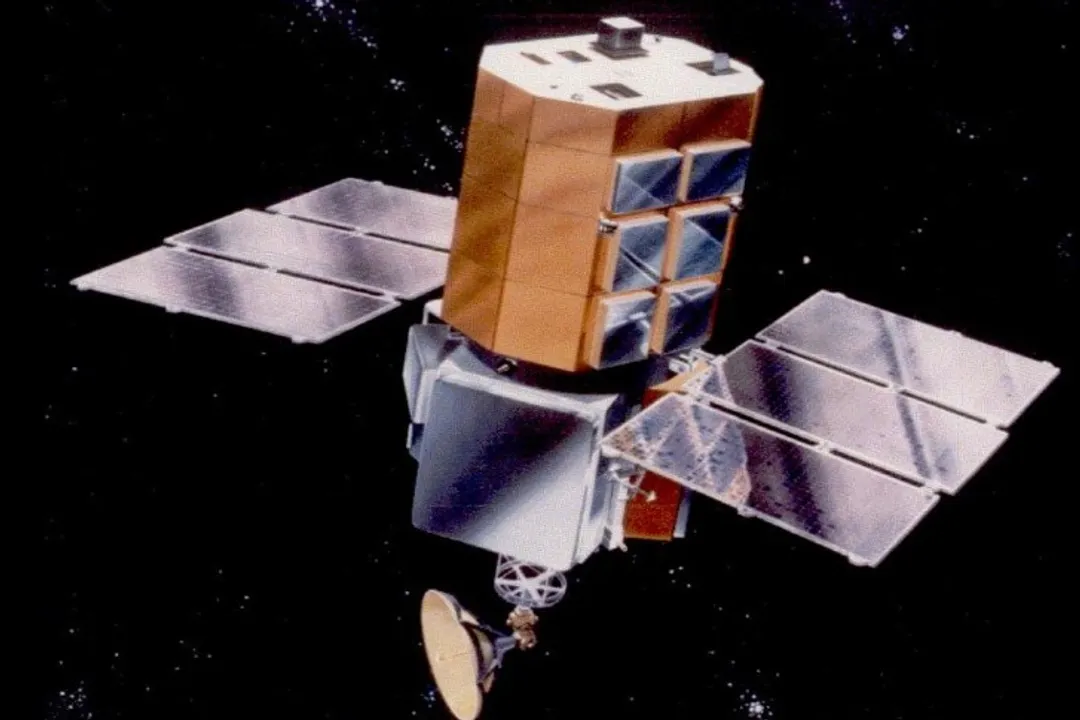
Thermal control is one of the most demanding aspects of spacecraft engineering because the space environment offers no atmosphere to buffer temperature changes. [3] A satellite orbiting Earth constantly transitions between the intense heat of direct sunlight and the extreme cold of the shadow cast by the Earth. [5]
The delta between these temperatures can be hundreds of degrees Celsius within a single orbit. Without an effective thermal management system, the expansion and contraction of materials due to these rapid cycles would lead to mechanical fatigue and failure. Engineers use a combination of multi-layer insulation (MLI), heaters, and radiators to maintain the internal environment of a spacecraft within a functional range. [4]
To visualize how different environmental factors interact with hardware, consider the following breakdown of stressors encountered during a typical mission:
| Environmental Factor | Primary Impact on Spacecraft | Mitigation Strategy |
|---|---|---|
| Vacuum | Outgassing / Cold Welding | Selection of low-volatility materials |
| Atomic Oxygen | Surface erosion / Degradation | Protective coatings (e.g., Silicon Dioxide) |
| Trapped Radiation | Electronics failure / Noise | Heavy shielding / Hardened components |
| Thermal Cycling | Mechanical fatigue / Stress | MLI blankets / Thermal radiators |
| Microgravity | Fluid management issues | Specialized tank design / Propellant management |
# Microgravity Effects
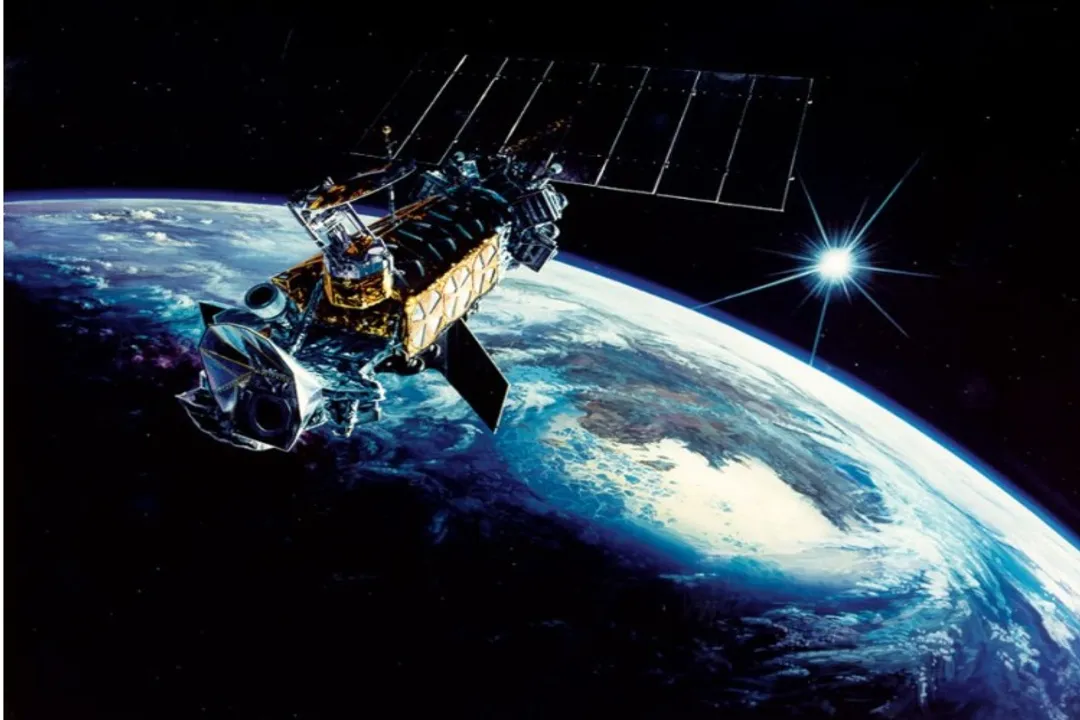
While technically a state of constant freefall rather than a physical substance, microgravity is a fundamental component of the space environment for any orbital mission. [1] For human spaceflight, the absence of weight radically alters the physiology of the crew, affecting bone density, muscle mass, and even fluid distribution within the body. [8]
From an engineering perspective, the lack of gravity changes how fluids behave inside a spacecraft. On Earth, gravity drives convection and keeps fluids at the bottom of a container. In space, liquids cling to surfaces due to surface tension, which makes fuel delivery to engines difficult. Spacecraft tanks must use specific "propellant management devices"—such as vanes or bladders—to ensure that fuel reaches the engines, as simple gravity-fed systems are useless. [7]
# Orbital Debris
The space environment is becoming increasingly crowded, leading to the classification of orbital debris as a major environmental hazard. [2] This debris consists of spent rocket stages, defunct satellites, and fragments from collisions or explosions. Because objects in orbit travel at velocities measured in kilometers per second, even a tiny paint fleck can deliver the kinetic energy of a bullet upon impact. [4]
Unlike radiation or thermal extremes, which are environmental conditions inherent to space, orbital debris is a human-made condition. It necessitates active tracking and maneuverability for operational satellites. The density of this debris varies significantly with altitude, with low Earth orbit being the most congested region. [5]
# Space Weather
Distinguishing between the static space environment and space weather is essential. While the "space environment" generally refers to the persistent conditions (vacuum, average radiation levels), "space weather" describes the dynamic, transient changes caused by solar activity. [6]
Space weather is driven by the Sun's magnetic field and plasma emissions. When a coronal mass ejection hits the Earth's magnetosphere, it can cause geomagnetic storms. These storms induce electrical currents in long conductors on Earth—like power grids—and cause the upper atmosphere to heat up and expand. This expansion increases the drag on satellites in low Earth orbit, which can alter their trajectories and, if not corrected, lead to premature atmospheric reentry. [2]
# Design Considerations
One observation worth noting is the trade-off inherent in mission design. Many designers attempt to minimize the weight of a spacecraft by using lighter, thinner materials. However, the space environment often demands the opposite: heavy shielding to protect against radiation or robust, thicker hulls to withstand potential micrometeoroid impacts.
This creates a constant negotiation between "mass efficiency" and "survivability." A mission to a high-radiation orbit, such as a prolonged stay near Jupiter, requires entirely different materials and architecture than a mission to a low-inclination Earth orbit. The "environment" dictates the spacecraft's lifespan, and successful mission architecture requires that engineers treat the space environment as a hostile, active participant in the flight rather than just a background setting. [9]
Another subtle factor in mission planning is the lifecycle of materials. Over long durations, the synergistic effect of multiple environmental stressors—such as ultraviolet radiation breaking down a material, followed immediately by atomic oxygen eroding it—can accelerate degradation far faster than laboratory tests on Earth might suggest. [7] Because of this, space agencies often rely on long-duration exposure facilities, which are platforms left in space for years, to test how materials truly hold up over time.
Ultimately, the space environment is a challenging, unforgiving frontier. It is defined by the absence of familiar terrestrial protections: there is no air to regulate temperature, no magnetic protection against solar wind, and no gravity to organize fluids. Every successful mission into this environment is a testament to the engineering required to compensate for these missing variables, transforming an otherwise impossible setting into one where technology and humans can operate safely. [3]
#Videos
LSN 4 - Space Environment - YouTube
Related Questions
#Citations
Space environment - Wikipedia
[PDF] The Space Environment
The Space Environment - ESA BSGN
[PDF] Space and Atmospheric Environments: from Low Earth Orbits to ...
3.4 The Space Environment – A Guide to CubeSat Mission and Bus ...
LSN 4 - Space Environment - YouTube
Space Environment | Springer Nature Link
Space Environments for Humans | Science | Research Starters
The Space Environment: An Overview - NASA ADS