What are the potential signs of life on Mars?
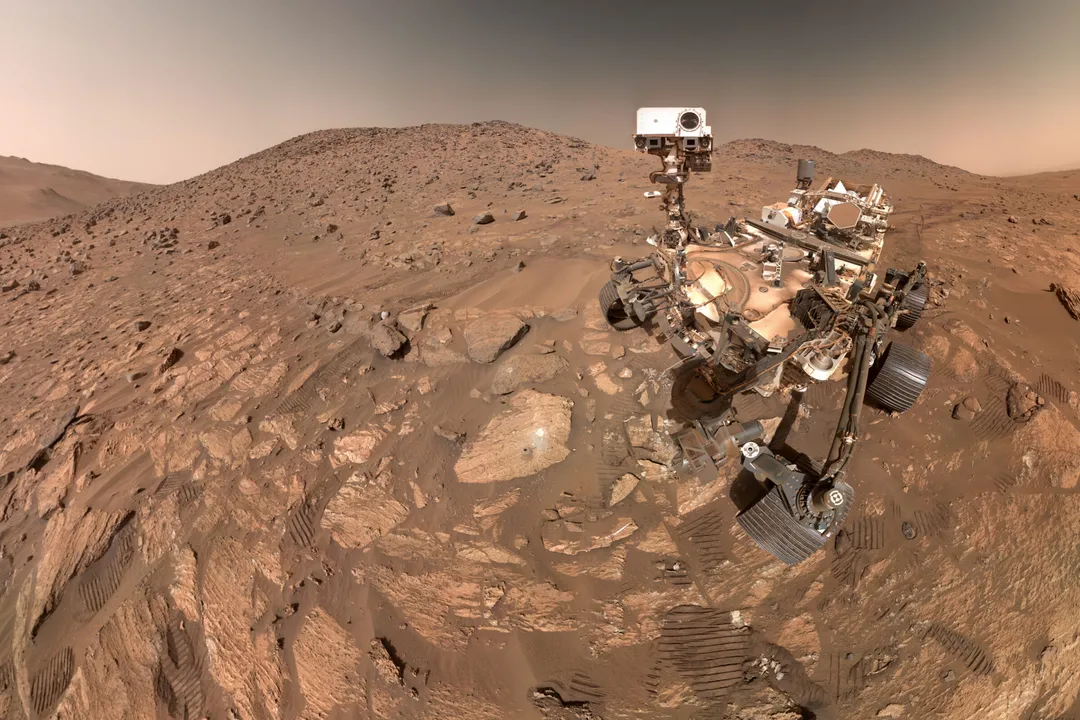
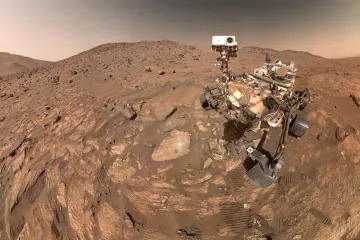
The search for ancient life on Mars has shifted from abstract speculation to tangible, physical analysis thanks to the Perseverance rover. Operating within the Jezero Crater—an area once flooded by water—this robotic geologist has identified a rock sample that stands out from anything previously analyzed on the surface of the Red Planet. [1][3] The sample, colloquially named Cheyava Falls, displays features that strike a delicate balance between intriguing geological mystery and the tantalizing possibility of past biological activity. [7][9] While the scientific community remains measured in its assessment, the presence of specific chemical and structural indicators has ignited a new chapter in astrobiology. [4][7]
# The Discovery
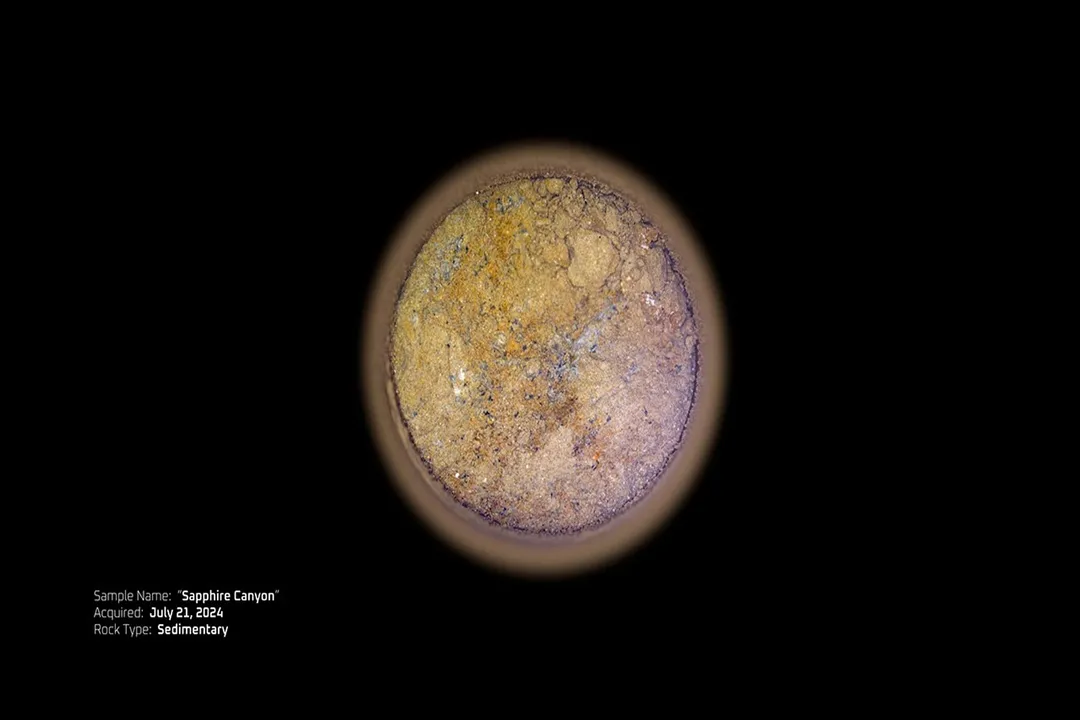
In the summer of 2024, the Perseverance rover rolled over a rock that immediately caught the attention of mission scientists. The sample was located in an ancient river delta, a region geologists specifically targeted because delta environments on Earth are exceptional at preserving organic materials and fossilized remnants. [7] Measuring approximately 3 feet by 2 feet, the rock exhibits a distinct, arrowhead shape and is crisscrossed with light-colored veins. [3][6]
The rover utilized its onboard instruments, specifically the SHERLOC (Scanning Habitable Environments with Raman & Luminescence for Organics & Chemicals) instrument, to analyze the surface composition. [1][4] The results revealed a combination of features that, if found on Earth, would be considered strong indicators of microbial life. [7] However, the leap from a "potential biosignature" to "confirmed life" is a gap that current rover-based technology cannot bridge alone. [3][9] This discovery is less of a smoking gun and more of a deeply compelling clue that necessitates further investigation back on Earth. [4]
# The Evidence
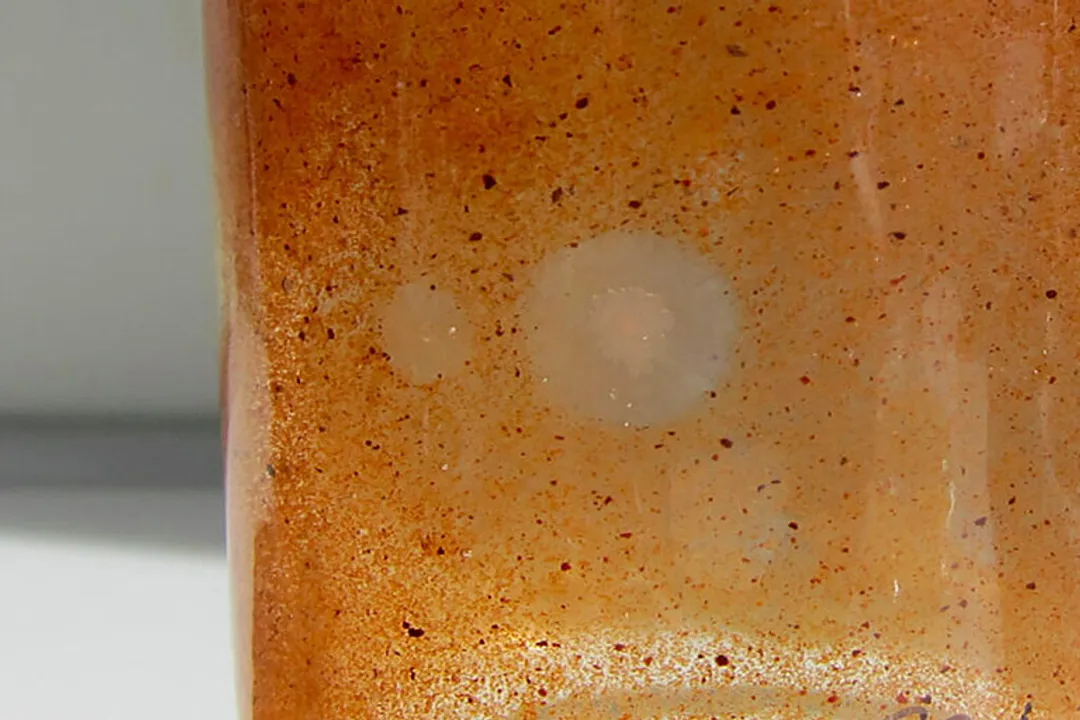
The Cheyava Falls rock contains three primary characteristics that have excited researchers. First, the rock is marked with "leopard spots," characterized by white halos with black centers. [7] On Earth, these patterns are frequently created by chemical reactions involving iron and sulfur, which provide an energy source for specific types of microbes. [1][4] The microbial processes create these spots by altering the surrounding minerals, leaving behind a localized chemical fingerprint.
Second, the rock contains organic molecules. Carbon-based compounds are the building blocks of all known life, though their presence alone does not guarantee a biological origin. [3][7] These compounds can also be created by abiotic, or non-living, chemical processes—for instance, reactions involving ultraviolet light or volcanic activity. [4][9] Perseverance detected these molecules in the rock, suggesting the region was chemically active in the distant past. [3]
Third, the rock is laced with veins of calcium sulfate. [7] These veins indicate that liquid water once moved through cracks in the rock, depositing minerals along the way. [1][9] The presence of these mineral-filled veins implies a history of fluid movement that could have supported chemical or biological activity. [7] The intersection of organic material, water-deposited minerals, and energy-providing chemical gradients forms the trifecta of what scientists look for when seeking signs of life. [4]
# Analytical Framework
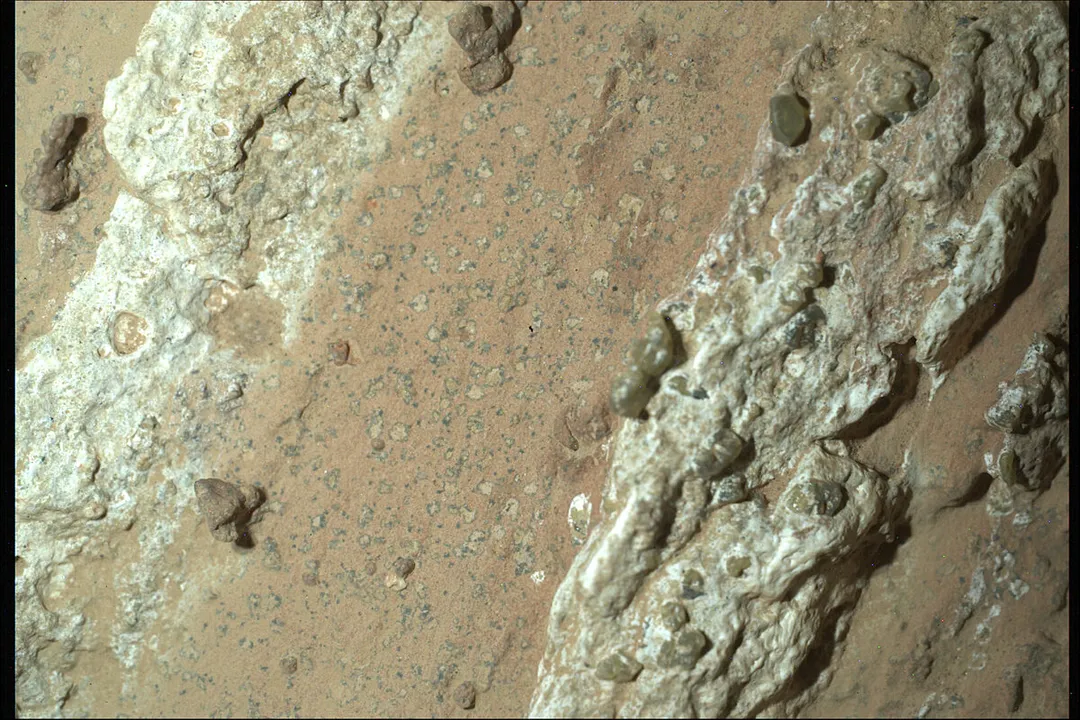
To help understand how scientists classify these findings, it is useful to look at how specific features compare between biological and non-biological origins. This table breaks down what we see on Mars versus what we know about geologic processes.
| Feature | Observed on Mars | Potential Biological Cause | Potential Non-Biological Cause |
|---|---|---|---|
| Leopard Spots | Red rock with white halos/black cores | Microbes creating energy gradients | Mineral precipitation / Redox reactions |
| Organic Molecules | Carbon-based compounds detected | Waste products / Decaying life | Volcanic gases / UV-driven synthesis |
| Calcium Veins | Mineral filled cracks | Habitats for subsurface life | Hydrothermal fluid flow |
| Olivine Crystals | Igneous minerals | Associated with wet environments | Volcanic cooling |
This comparison highlights why caution is necessary. Almost every signature of life has a "geologic lookalike." For example, the same chemical energy that microbes use to create leopard spots can occur naturally in the ground without any biological input. [4][9] The challenge for scientists is proving that the specific structural arrangements found in the rock are too complex or too orderly to have been created by geological processes alone. [7]
# Scientific Caution
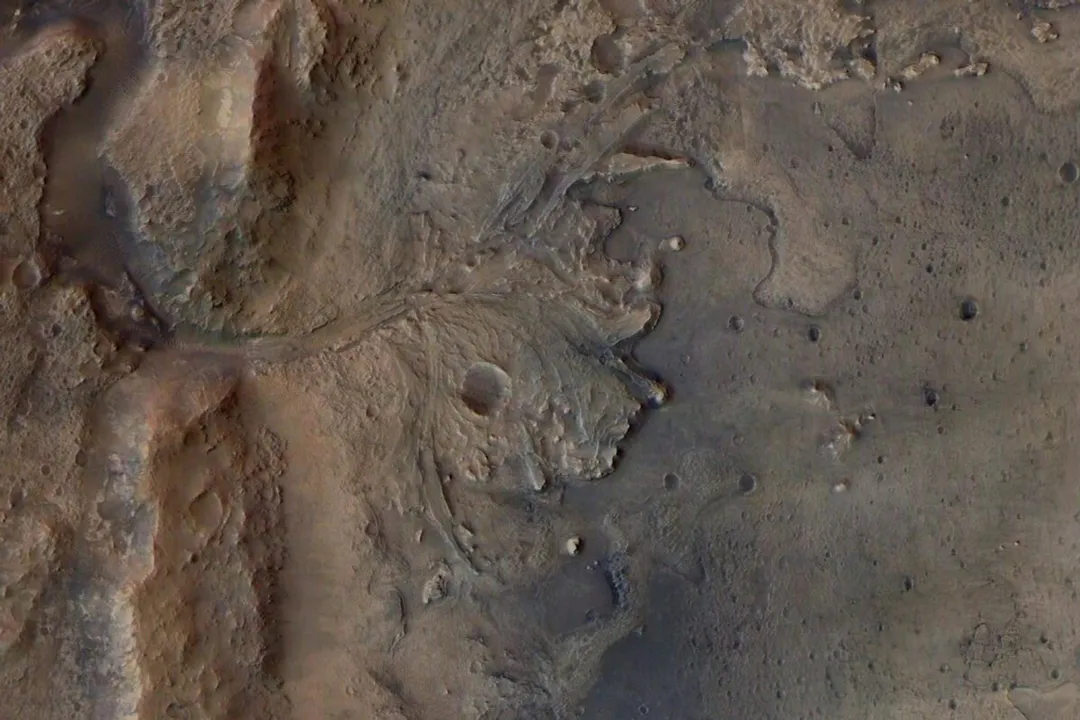
Despite the excitement, researchers are careful to avoid declaring this a confirmed discovery of life. The history of Mars exploration is littered with findings that initially appeared biological but were later explained by atmospheric or geological chemistry. [7] This skepticism is not a lack of imagination, but rather the rigorous standard of the scientific method.
The current limitation is simple: the instruments on the Perseverance rover, while highly advanced, weigh only a few kilograms and must operate in a harsh, remote environment. [3] They cannot perform the exhaustive, multi-step chemical and isotopic analyses required to differentiate between biological decay and abiotic synthesis. [7] To confirm life, scientists need to move beyond what a camera and a laser spectrometer can see from a distance of 140 million miles. [4]
This is where the distinction between a "biosignature" and a "fossil" becomes critical. A biosignature is a measurable substance or structure that provides evidence of past or present life, but it requires verification. [1][9] The team working with Perseverance is effectively acting as the first stage of a crime scene investigation, securing the area and gathering evidence, while the final forensic analysis awaits a future mission. [3][6]
# The Verification Process
If you were to design a protocol to prove life existed on another planet, you would need to meet several stringent criteria. Understanding these requirements helps clarify why scientists aren't celebrating just yet.
- Isolation: The sample must be isolated from contamination. The rock must be drilled, sealed, and stored in a sterile container, which Perseverance has successfully begun doing. [3]
- Comparative Analysis: The sample must be compared against terrestrial rock samples that have similar mineral compositions but are known to be lifeless (abiotic control).
- Isotopic Ratios: Scientists must examine the ratio of carbon isotopes. Life on Earth shows a preference for lighter carbon isotopes, a "biological signature" that is very difficult for geological processes to mimic. [7]
- Structural Analysis: High-resolution electron microscopy is needed to look for cell walls or membranes, which would be visible only at the microscopic level. [4]
The current phase involves carefully documenting the geological context of the Cheyava Falls rock. [7] By understanding the volcanic, sedimentary, and hydrological history of the Jezero Crater, scientists can build a case for why life might have been possible in that specific spot billions of years ago. [1][9] This environmental reconstruction is just as important as the rock itself; life does not exist in a vacuum, and knowing the "address" of the rock helps determine if the environment was truly hospitable. [4]
# Mars Sample Return
The path forward relies on the Mars Sample Return (MSR) mission, a collaboration between space agencies intended to fetch these sealed tubes and bring them back to Earth. [3][9] The rover has collected a suite of samples from various locations within the crater, and the Cheyava Falls rock is now the most prized among them. [7]
Bringing these samples to Earth changes the game entirely. Once the rocks are in terrestrial laboratories, scientists can use instruments the size of a room, which are impossible to pack onto a rover. They can bombard samples with beams of high-energy light, extract the smallest traces of gas, and use mass spectrometers to determine the age and composition of the material with near-perfect accuracy. [3][4]
This capability is the only way to move the needle from "potential" to "confirmed." It is a massive technological and logistical undertaking, but it is considered the next necessary step in planetary science. [7] Until that time, the Cheyava Falls rock remains a silent witness to a history we are only beginning to decode.
# Public Perspective
The reaction to these findings in the public sphere—across social media platforms and news outlets—has been one of immense curiosity. [5][6] People often search for definitive answers, wanting to know if we are alone in the universe. This search for life is inherently tied to our understanding of our own place in the cosmos. [2][8]
When considering this discovery, it is helpful to shift the mindset from "Has life been found?" to "Are we learning the right questions to ask?" Every time a rover explores a new geological feature, the criteria for what constitutes a "sign of life" become more nuanced. The leopard spots on the Cheyava Falls rock, for example, have forced the team to refine their search parameters for future exploration, ensuring they look for specific combinations of minerals rather than just searching for single indicators. [4][7]
This iterative process of learning is the real value of the mission. Even if the Cheyava Falls rock ultimately proves to be geological in nature, the discovery will have taught us more about the history of Mars—its ancient water flow, its volcanic activity, and its chemical complexity—than we could have learned through any other method. [1][9] Every rock turned, every chemical signature recorded, and every potential biosignature analyzed represents a data point in the larger mapping of the Red Planet.
# Future Outlook
The search for life on Mars is an exercise in patience. It requires decades of planning, engineering, and data collection. The discovery of potential biosignatures in the Jezero Crater provides a tangible target for future missions to pursue. [3][7] While the scientific community will not rush to conclusions, the presence of these indicators ensures that the interest in the Red Planet will remain high for years to come. [4]
As the Perseverance rover continues its trek across the crater floor, it will likely encounter more samples that fit this profile. Each one adds a piece to the puzzle, refining our understanding of Martian geology and the conditions that may have once allowed for simple life. [1][3] The wait for the sample return mission is long, but the prospect of holding a piece of Mars in a laboratory on Earth keeps the scientific community focused on the end goal. Whether or not the Cheyava Falls rock contains the fossilized remains of ancient microbes, it has already succeeded in doing one thing: it has given us a clear, scientifically supported reason to keep looking. [4][7]
#Videos
Signs of Life on Mars? NASA's Discovery, Explained | NOVA | PBS
NASA's perseverance rover finds possible signs of life on Mars
Related Questions
#Citations
NASA Says Mars Rover Discovered Potential Biosignature Last Year
Signs of Life on Mars? NASA's Discovery, Explained | NOVA | PBS
NASA says Mars rock sample shows 'potential biosignatures' - NPR
Scientists just found the strongest signs of life on Mars yet
NASA found intriguing rocks with signs of life on Mars, so where ...
Signs of Life On Mars? NASA's Discovery, Explained - Facebook
Our best proof of life on Mars yet? A deep dive into Cheyava Falls
Nasa rover finds rocks on Mars with potential signs of past life - BBC