Is Russia developing reusable rockets?
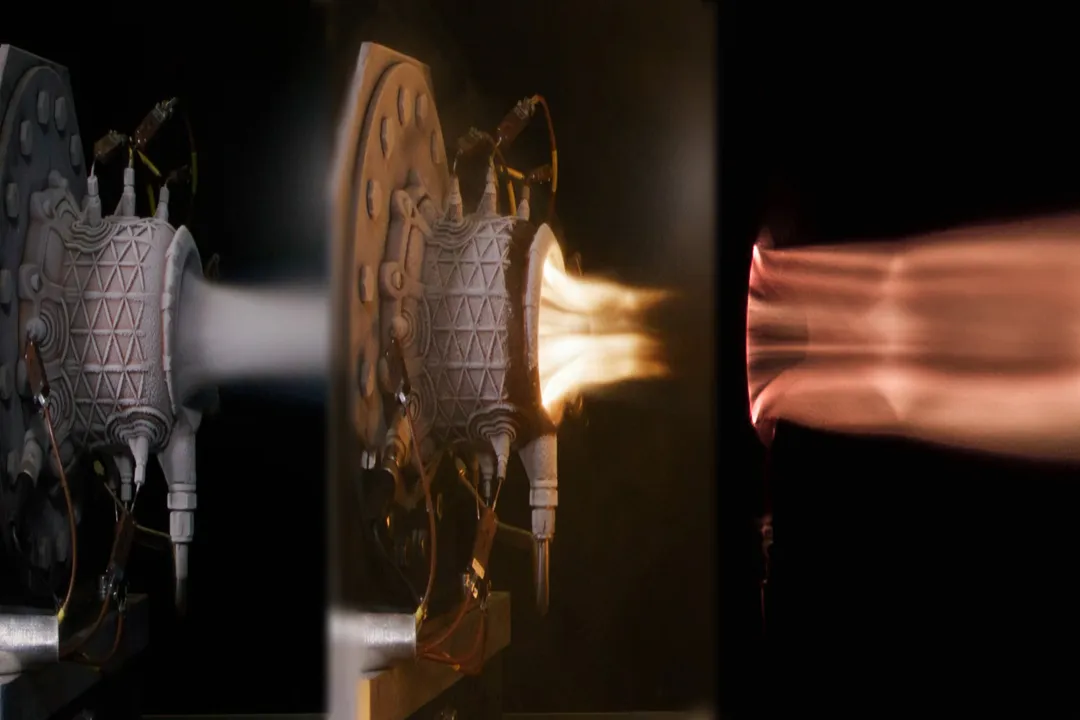
The conversation in the global space industry has fundamentally shifted toward the economic advantages of reusable rocketry, a trend largely established by private American aerospace firms. For Russia, a nation with a storied, decades-long history in orbital flight, this means navigating a complex path: modernizing its established, reliable, yet expendable launch vehicles while simultaneously developing the next generation of flight hardware that can compete in this new paradigm.
The question is not merely if Russia is pursuing this technology, but rather how quickly it can transition from its trusted legacy systems to the cutting edge of reusable flight hardware.
# Soyuz Legacy
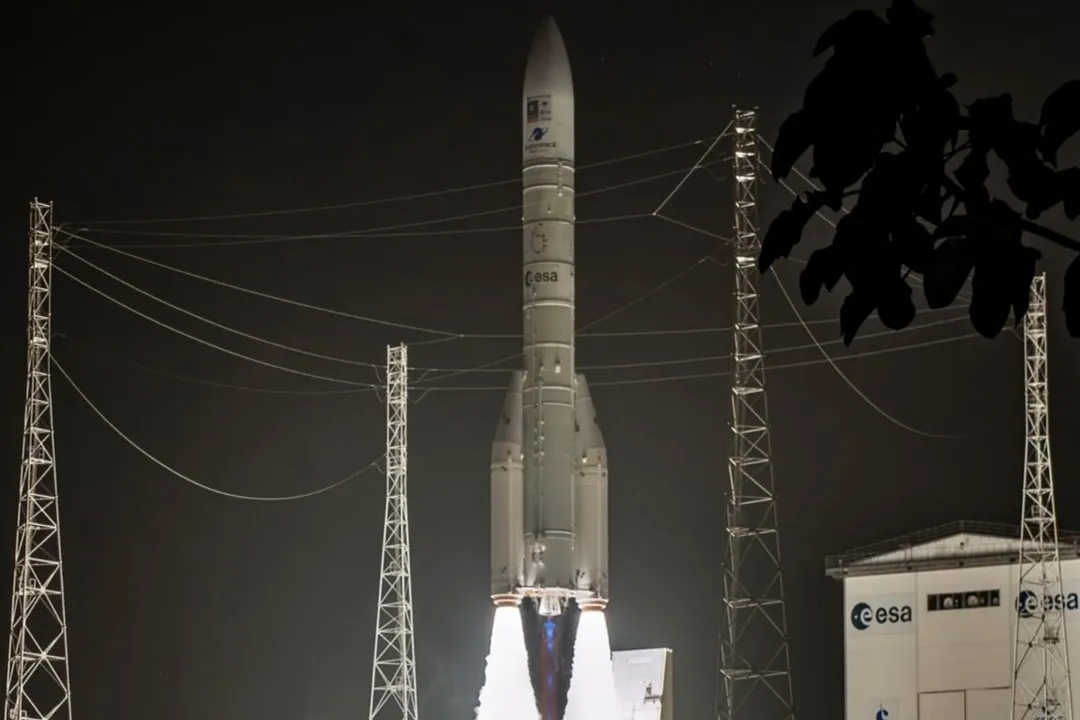
For generations, the backbone of Russian space access—from crewed missions to the International Space Station (ISS) to deploying numerous satellites—has relied on the venerable Soyuz rocket family. This system is renowned for its operational simplicity and high success rate, having evolved from its initial Soviet-era designs. However, the Soyuz, much like early American rockets, is entirely expendable; every stage and component is lost after a single flight. This contrasts sharply with the cost-saving model being aggressively pursued elsewhere in the industry.
The historical lineage even includes concepts like the Soyuz-7, a name associated with older, single-use Soviet projects, which serves as a marker for the preceding era of rocketry, one where recovery was not a design requirement. The commitment to the established, dependable expendable architecture has traditionally prioritized operational certainty over cost reduction per launch, a philosophy that worked well for decades but now faces economic headwinds in a rapidly evolving market.
# New Propellant
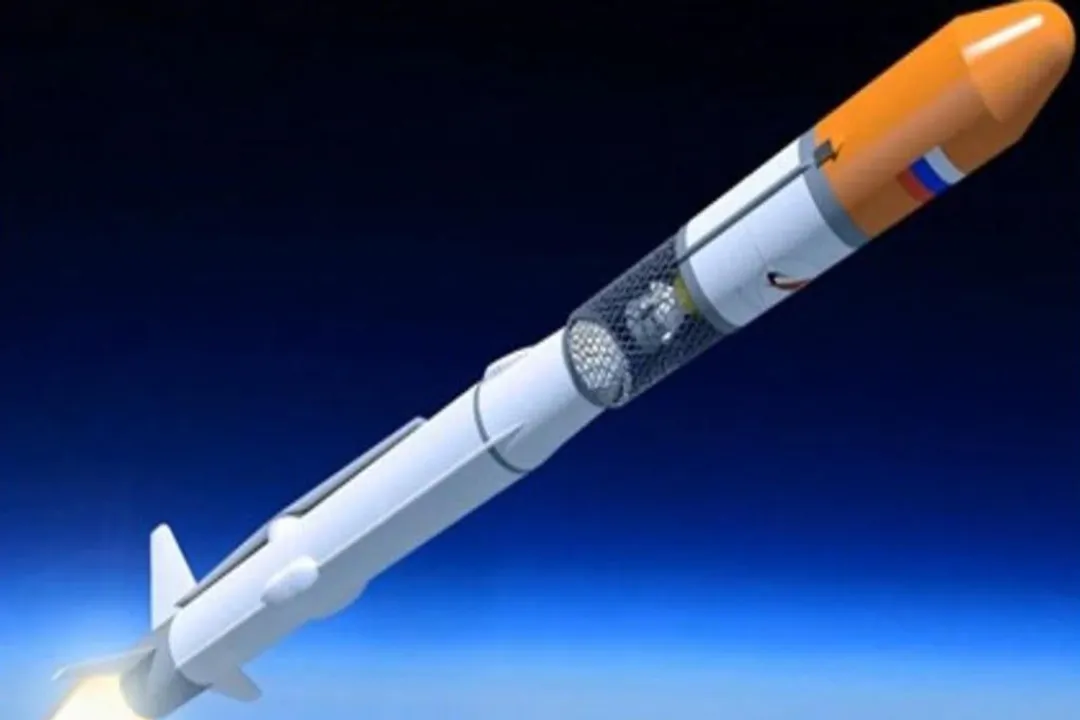
The observable effort by Roscosmos points toward a distinct technological direction for its next-generation hardware. Reports indicate that Russia is specifically working on a reusable rocket that will be powered by methane. This choice of fuel—methane combined with liquid oxygen (methalox)—is significant because it mirrors the propellant choice made by other leading commercial space ventures seeking full reusability.
Methane offers several advantages over the traditional kerosene (RP-1) used in many previous designs: it burns cleaner, which reduces soot buildup on engines, making engine refurbishment and reuse less complex and more economical. This cleaner burn directly supports the primary goal of rapid turnaround, a crucial element for justifying the immense cost of developing recovery systems. While the specifics of the engine technology and recovery mechanisms remain closely guarded details, the commitment to methane signals an intent to build hardware designed from the ground up with reusability in mind, rather than attempting complex retrofits to existing kerosene designs.
# Timeline Gap
Despite the stated development goals, there is a strong external perception that the Russian effort lags behind its international competitors, particularly in the realm of booster recovery and refurbishment. Roscosmos has announced specific timelines for finalizing its reusable technology development, signaling an internal acknowledgment that they must close the gap with companies like SpaceX.
However, commentary suggests that these next-generation Russian launch vehicles might arrive on the scene a full decade after the initial success of fully reusable systems from other nations. This places immense pressure on Roscosmos. The development cycle for new, complex rocket stages capable of surviving atmospheric re-entry, executing precise landing burns, and being rapidly turned around for relaunch is notoriously long and filled with unforeseen engineering hurdles. The stated timeline must account not just for the first successful landing, but for the operational capability required to make that launch economically viable against established competitors.
This situation presents an interesting dichotomy in approach. The historical Russian method often involved long periods of ground testing and maturation before flight—a methodical approach that produced reliable vehicles like the Soyuz. Conversely, the current leader in reusability has relied on a more iterative, rapid-failure-and-fix cycle. For Russia to catch up, it must somehow integrate the high-risk, high-speed iterative testing necessary for reusability while maintaining the institutional rigor associated with its existing flight heritage.
| Feature | Legacy System (e.g., Soyuz Context) | Next-Generation Goal |
|---|---|---|
| Propellant | Kerosene/LOX or Hypergolic | Methane/LOX (Methalox) |
| Stage Recovery | None (Expendable) | Vertical Landing (Targeted Reusability) |
| Development Cadence | Long, methodical cycles | Potentially faster, comparative catch-up |
One can observe that the move to a methane-based system is more than just a propellant swap; it is an admission that the entire operational philosophy regarding hardware must change if Russia intends to remain a primary global launch provider.
# Global Engineering Reach
While the focus remains on domestic development led by Roscosmos, it is worth noting that Russian engineering expertise remains highly valued internationally. Reports concerning the assembly of advanced launch vehicles in places like Dubai have noted the involvement of Russian engineers and computing specialists. This suggests that the foundational knowledge pool—the talent capable of designing complex flight control systems, advanced turbopumps, and cryogenic tankage—is still present and engaged in the global pursuit of reusable spaceflight.
This external engagement, even if not directly tied to a domestic reusable booster project, serves as a pressure release valve for talent and a source of continued exposure to cutting-edge design methodologies developed elsewhere. For the domestic reusable program, having this level of expertise available, whether directly employed or indirectly influenced, is essential for tackling the immense software and hardware challenges associated with precision landing systems.
The development of reusable rockets is fundamentally a systems integration problem: it requires excellence in aerodynamics, propulsion, guidance, navigation, and control (GNC) systems capable of performing an autonomous landing maneuver. For Russia, this transition from a heritage based on proven, single-use orbital insertion to routine, controlled landings represents perhaps the largest technological leap since the early days of the Soyuz program itself. Success hinges on how effectively the timeline set by Roscosmos aligns with engineering reality, especially when compared to the benchmarks already established by others in the field.
#Videos
Russia's “Korona” Rocket: The SpaceX Challenger You Haven't ...
Related Questions
#Citations
Soyuz-7 - Wikipedia
Roscosmos Sets Timeline for Developing Reusable Rocket ...
Russia Is Building a Reusable Methane-Powered Rocket for Space ...
Russia's Roscosmos Catching Up With SpaceX's Reusable Rocket ...
Russia's next-generation rocket is a decade old and still flying ...
Rocket Report: Russia pledges quick fix for Soyuz launch pad
Russia's “Korona” Rocket: The SpaceX Challenger You Haven't ...
Is Russia currently developing any reusable rocket technology ...
Can Computers and Russian Engineers Build A Reusable Rocket in ...