How does SpaceX plan to get to Mars?
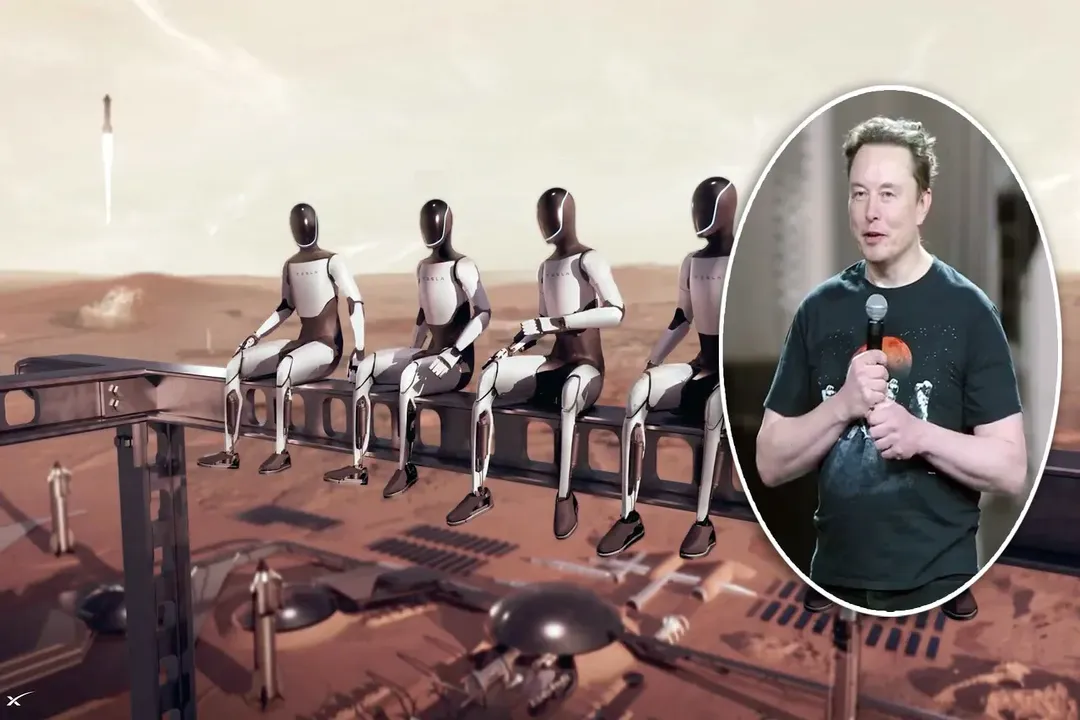
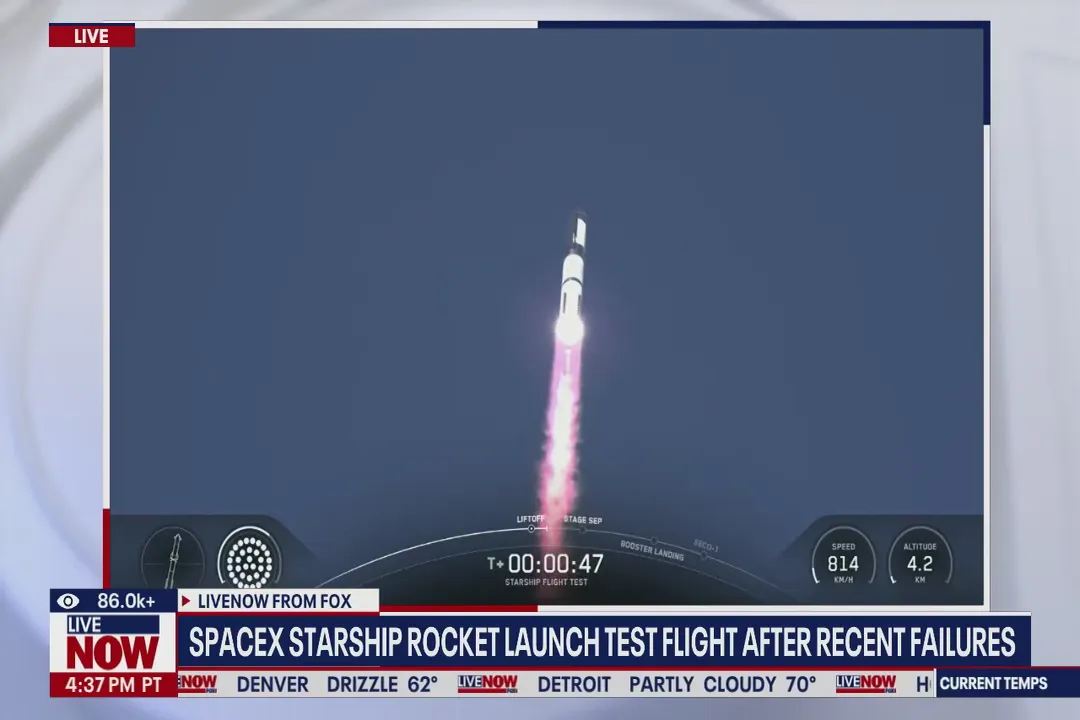
The approach SpaceX is taking to reach Mars is not a simple incremental step; it is a complete transportation architecture built around massive, full reusability. The vision, as described by Elon Musk, centers on making humanity a multiplanetary species by establishing a self-sustaining city on the Red Planet. [4][6] This ambitious goal rests entirely on the success of the Starship vehicle system, which pairs the Super Heavy first stage booster with the Starship upper stage spacecraft. [4]
# Starship Hardware
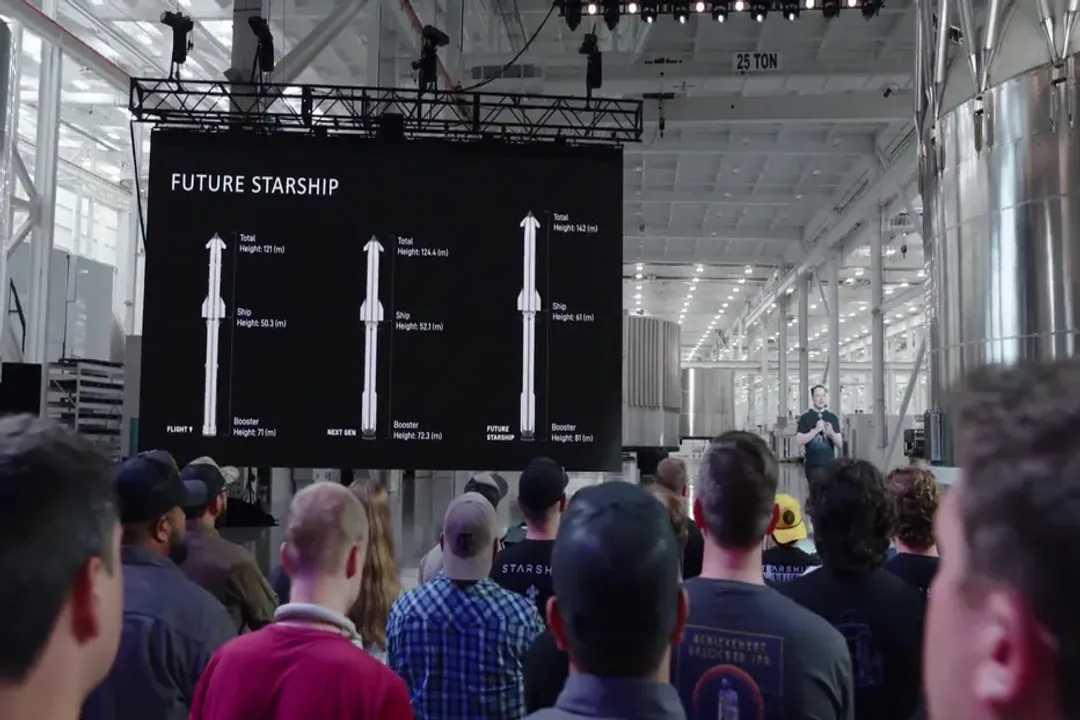
The Starship system is designed to be the most powerful launch vehicle ever developed, fundamentally reliant on being fully reusable to drive down the cost per flight to Mars to an acceptable level. [4][6] While the Super Heavy booster is designed to return and be caught by the launch tower "chopsticks" back on Earth, [5] the Starship upper stage must handle the entire interplanetary journey, Moon landings, and Mars operations. [4][5] A fully reusable Starship is rated to carry up to 150 metric tonnes to orbit. [4] The long-term plan requires thousands of these vehicles to ferry crew and equipment across the approximately 26-month transfer windows to eventually support a city of a million people. [4]
# Orbital Refueling
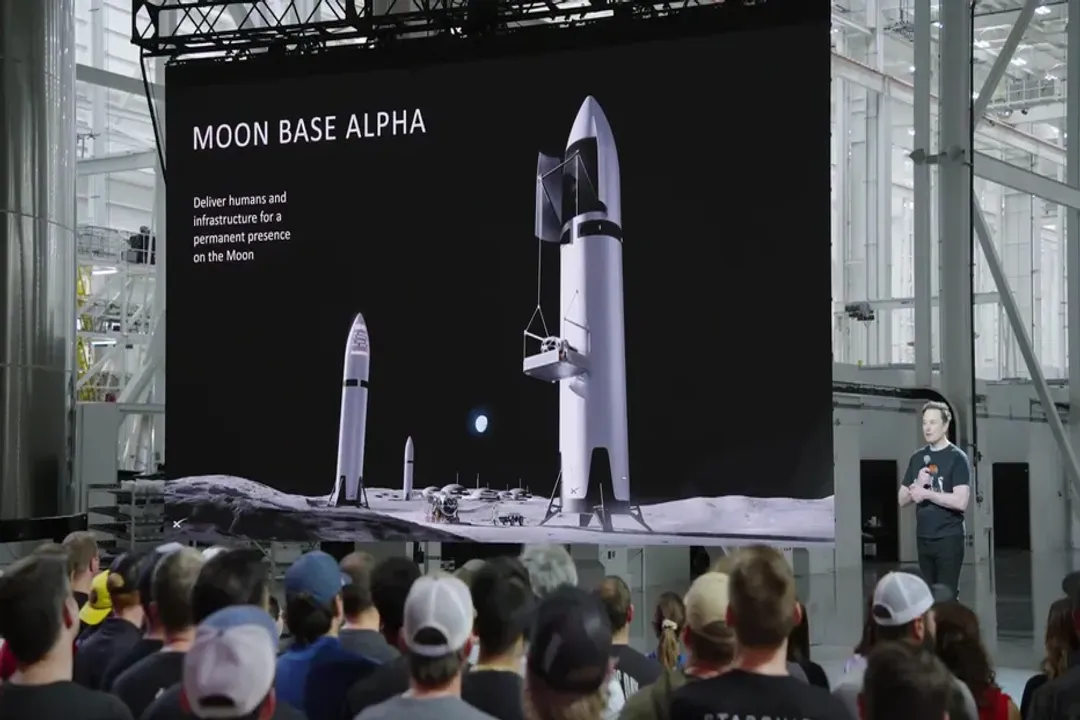
One of the most immediate, critical capabilities required before any long-duration deep space transit—including the initial 2026 uncrewed tests—is routine refueling in Earth orbit. [2][6] Starship cannot carry enough propellant from the ground to reach Mars with a significant payload, primarily because of the energy needed to escape Earth's gravity well. [2] A Mars-bound Starship requires roughly 1,200 tons of cryogenic propellant (liquid methane and liquid oxygen). [2] This means that for every single Mars-bound Starship, approximately 12 tanker flights must launch to rendezvous and transfer fuel to it in orbit. [2]
The complexity here goes well beyond simply launching more rockets. The required precision involves docking multiple tanker spacecraft and executing large-scale cryogenic fluid transfers in zero gravity. [2] While SpaceX has demonstrated moving propellant between internal tanks on a single vehicle, transferring hundreds of tons between two separate spacecraft has never been practiced successfully at this scale. [2] Furthermore, engineers must precisely account for "parasitic" losses—the inevitable boil-off of cryogenics upon contact with warmer lines or tanks. [2] If these losses are significant, more tanker launches are needed for every Mars ship, compounding the logistical challenge. [2] The success of these orbital refueling demonstrations, targeted for around 2026, is seen as a make-or-break step for the subsequent human landing objectives. [2][6] The necessity of achieving this unprecedented orbital logistics capability under the tight timelines effectively forces the program into a compressed waterfall development process for Mars-specific functions, as there are few opportunities to iterate between Earth-Mars launch windows. [2]
# Mars Transit
Once fueled in orbit, the Starship is aimed toward the Red Planet. The transit time is governed by orbital mechanics, but reducing the exposure of the crew to hazardous galactic cosmic radiation is paramount, making a quicker trip desirable. [2] A shorter transit time, potentially as low as three to four months, is achieved by carrying a full propellant load, which, as noted, is only possible after orbital refueling. [2]
# Landing Sequence
Arriving at Mars presents a radically different set of entry, descent, and landing () challenges compared to Earth or the Moon. [2] The Starship, weighing 200 tons or more upon arrival, is orders of magnitude heavier than any previous Martian lander. [4]
The deceleration process begins with aerobraking, where the vehicle uses its reusable heat shield to bleed off most of its velocity as it plunges through the thin Martian atmosphere at around . [4] This heat shield, made of metallic-ceramic tiles, must withstand intense heating, compounded by higher levels of atomic oxygen in the Martian atmosphere that will erode the tiles more harshly than on Earth. [4]
Following atmospheric braking, the vehicle must execute a controlled, vertical propulsive landing, relying on its Raptor engines. [2] While Mars' lower gravity requires less final thrust than an Earth landing, the vehicle's structure poses a stability concern. [5] The Starship is a tall, slender vehicle (52 meters high), which, unlike squat rovers that benefit from low centers of gravity and parachutes, is inherently less stable when slowing down vertically, as evidenced by issues seen with other tall landers. [2] Though the Martian environment demands less engine power for descent, the precision required to settle the vehicle without tipping over on unprepared terrain remains a significant hurdle, even in lower gravity. [2][5] For missions not returning to Earth, the final landing configuration is expected to feature landing legs rather than the Earth-return booster's catching mechanism. [5]

# Propellant Production
For the settlement to become self-sustaining and for the crew to return, the concept hinges on In-Situ Resource Utilization (). [2][4] This means manufacturing the necessary propellant—liquid methane () and liquid oxygen ()—on the Martian surface. [4]
The process requires taking atmospheric carbon dioxide () and combining it with hydrogen derived from Martian water ice () through the Sabatier reaction. [2] This reaction yields methane and water, which is then fed back into the loop to create more hydrogen via electrolysis. [2] A major unknown is the availability and accessibility of subsurface water ice needed to fuel this process. [2]
Furthermore, this chemical production requires immense amounts of power. NASA’s MOXIE experiment proved the splitting concept but required relatively low power. [2] Scaling this up to create the hundreds of tons of propellant needed for a single Starship return journey demands significant energy—estimated in the hundreds of kilowatts. [2] While NASA's reference plans suggest a nuclear fission reactor for this power, SpaceX plans to rely on large-scale solar arrays, which experts note would be massive—potentially covering an area equivalent to several American football fields—for a fully fueled return vehicle. [2] Establishing this power generation and resource mining infrastructure is the first task assigned to the robotic precursors sent ahead of the human crews. [2][4]
# Mission Phasing
The overall plan proceeds in carefully phased steps, constrained by the periodic Earth-Mars launch windows. [2] SpaceX plans to launch initial uncrewed Starships in 2026, with the primary goal being to gather critical data on atmospheric entry and landing capability. [4][6] If these initial flights, which may also test concepts like aerial capture on Mars, prove successful, the first human flights could follow in the next window, perhaps as early as 2028. [2][6]
The very first human missions will focus on setting up vital infrastructure: surveying local resources, establishing power generation (solar fields), and building habitats. [4] The initial cargo ships are expected to carry robotic workers, like the Optimus humanoid robots, to perform some of this preliminary setup and resource scouting. [2] The path to a permanent presence requires a steady increase in delivery cadence, pushing toward sending hundreds or thousands of ships every 26 months. [4] Success hinges on the fact that the capability to successfully land, refuel, and launch from Mars—likely utilizing ISRU—must be proven on the uncrewed missions before humans commit to the voyage. [1][2] The sheer number of complex, non-testable-on-Earth systems that must work flawlessly on the first uncrewed mission fundamentally dictates the earliest possible date for the subsequent crewed flight, making any slippage in the 2026 tests directly translate to a two-year delay for human exploration. [2]
#Videos
How SpaceX Will Land On Mars - YouTube
How The SpaceX Starship Will Bring People To Mars! - YouTube
Related Questions
#Citations
Mission: Mars - SpaceX
How SpaceX Will Land On Mars - YouTube
How is spacex planning to land starship on Mars or the Moon with ...
SpaceX - A Closer Look at SpaceX's Mars Plan - Aerospace America
Elon Musk unveils SpaceX's latest plans for colonizing Mars
What capabilities must SpaceX develop prior to the uncrewed ...