Can you survive a comet?
The chance of Earth being struck by a celestial object large enough to cause global catastrophe is a topic that naturally captures the imagination, often fueled by Hollywood scenarios involving last-minute heroics. Yet, understanding what actually awaits us in the event of a significant impact—whether from a comet or an asteroid—requires stepping away from the blockbuster drama and looking at the cold physics of cosmic collisions. [3][6] While the probability of an extinction-level event in any given year is statistically low, the geological record shows that such impacts are a definitive, if infrequent, part of our planet's history. [3] The immediate concern isn't usually the object itself, but the colossal amount of energy it releases upon contact with the atmosphere or the ground. [1][4]
# Cosmic Types
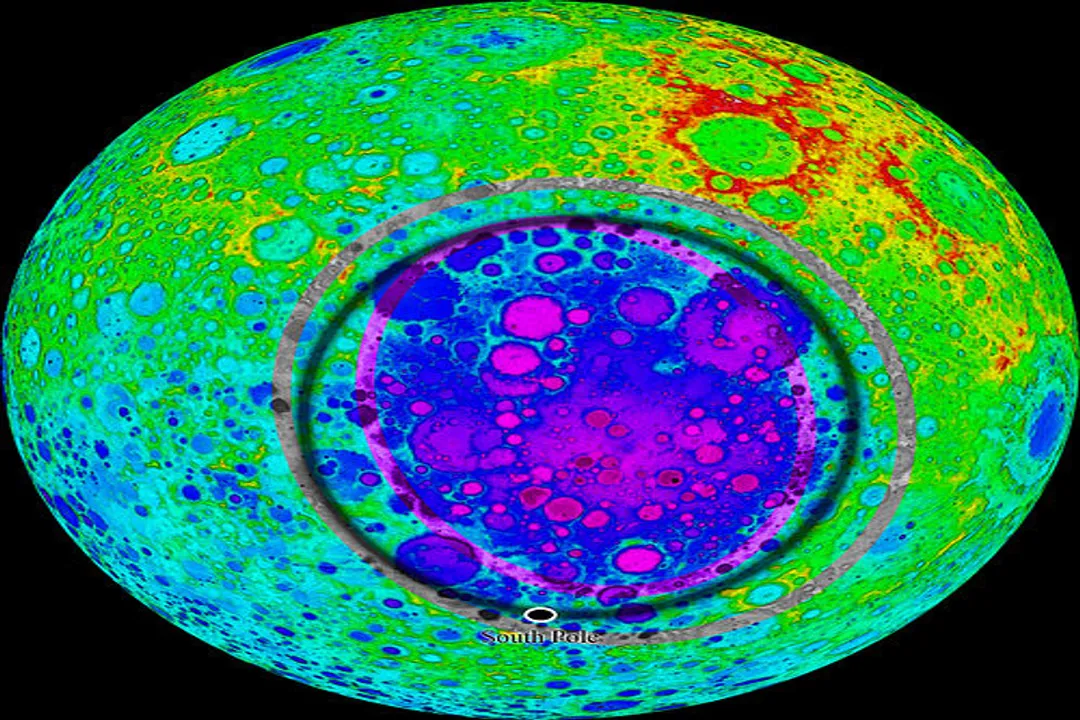
When discussing threats from space, it is important to distinguish between the two main players: asteroids and comets. Both are remnants from the formation of the solar system, but their composition and typical trajectories differ significantly, which influences how we perceive their threat. [3] Asteroids are generally rocky or metallic bodies orbiting the Sun, predominantly found within the main asteroid belt between Mars and Jupiter. [3] Comets, on the other hand, are often described as "dirty snowballs," composed of ice, dust, and rock, originating from the frigid outer reaches of the solar system, like the Oort Cloud or the Kuiper Belt. [3]
This difference in material matters when an object approaches Earth. An asteroid might maintain its structural integrity longer as it plunges through the atmosphere. A comet, being icier, might start to vaporize or break apart much earlier due to solar heating and atmospheric friction. [3] However, a large, dense comet that manages to survive atmospheric entry can deliver a massive, concentrated blow. The energy released by an impact is proportional to the object's mass and the square of its velocity—and comets, often traveling much faster than asteroids from the inner solar system, can pack a disproportionately larger punch for a similar size. [4]
# Impact Severity
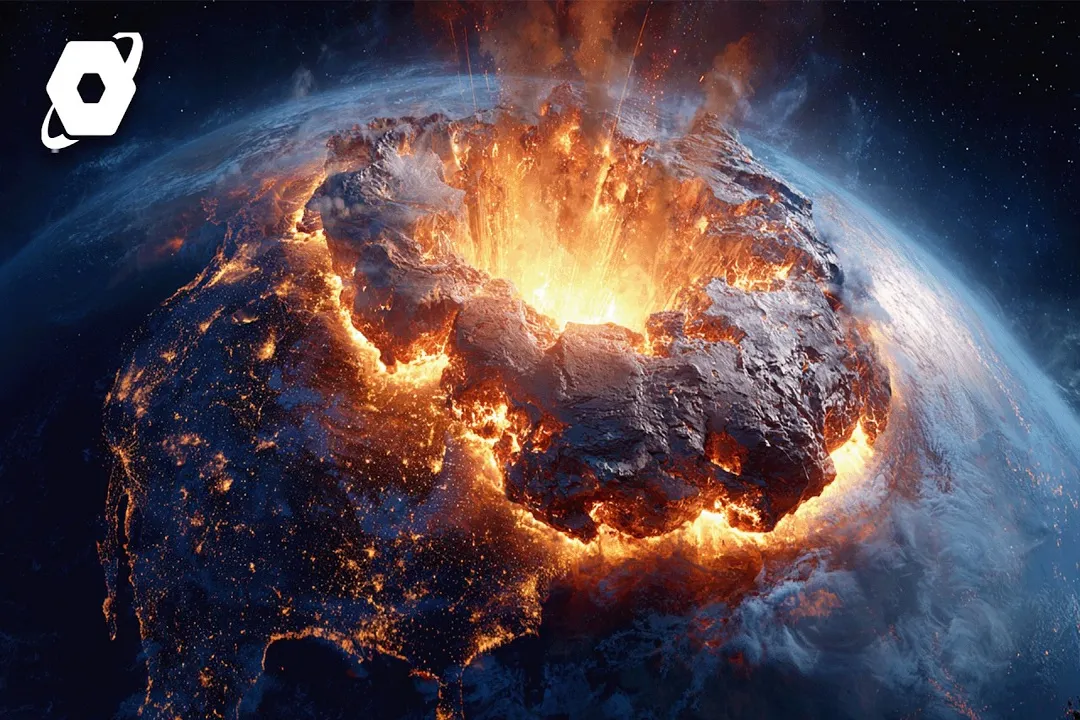
The survival question hinges entirely on the size of the incoming object. Earth is constantly bombarded, but most visitors are tiny, burning up harmlessly in the atmosphere, resulting in the familiar streak of a shooting star. [7] The effect scales rapidly from there. [1]
# Minor Events
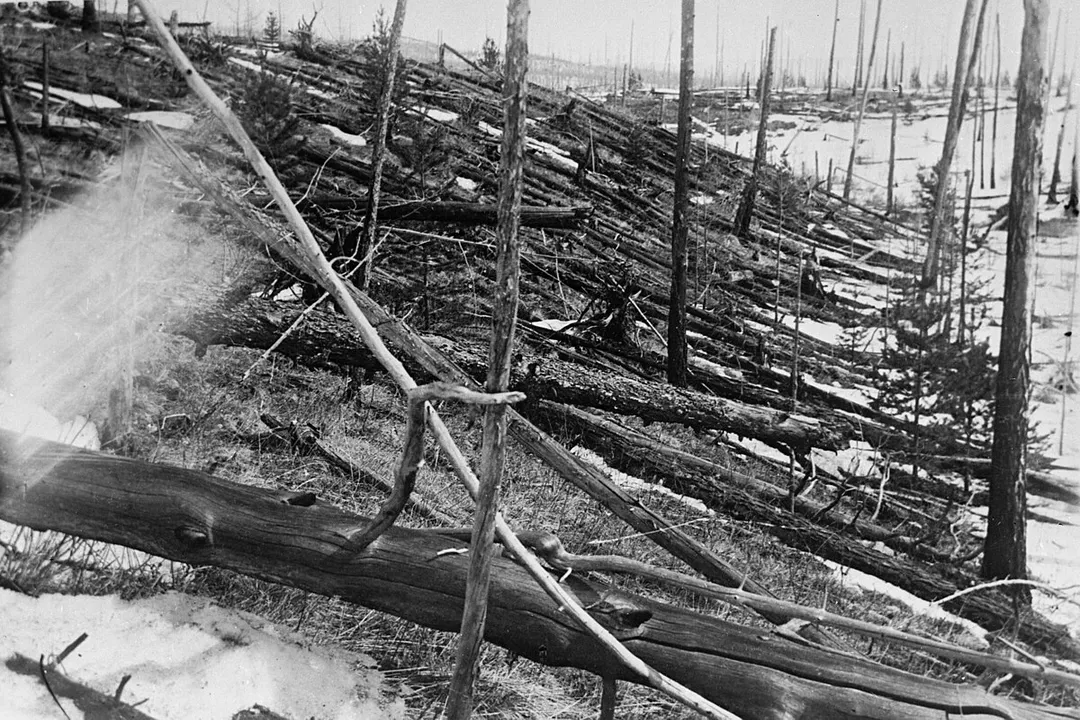
Objects measured in meters—say, 10 to 20 meters across—will typically fragment high in the atmosphere. [7] The resulting airburst, like the Tunguska event in 1908, releases immense energy, equivalent to a large nuclear weapon, flattening forests over a wide area but causing no direct impact crater or long-term global disruption. [1][7] For an object of this size, survival depends on avoiding the immediate blast zone, which is highly localized. [1]
# Regional Threats
Objects in the range of 50 to 100 meters begin to present a more serious, regional threat. [1] If one of these struck the ocean, it could generate massive tsunamis capable of devastating coastlines across an entire ocean basin. [1] If it struck land, the impact crater would be significant, and the immediate blast wave, coupled with widespread thermal radiation causing firestorms, would wipe out life for hundreds of miles around the point of contact. [1][6] In such a scenario, survival for those outside the immediate blast radius—perhaps a few thousand miles away—would hinge on immediate evacuation from low-lying coastal areas and taking shelter from the ensuing fires. [1]
# Global Disasters
The event that killed the dinosaurs, the Chicxulub impactor, is estimated to have been about 10 kilometers (6 miles) across. [5] An impact of this magnitude is an extinction-level event for which there are no easy "survival" blueprints, only mitigation strategies for the tiny fraction of humanity that might endure the initial phase. [5][6] An object this large impacts with an energy equivalent to billions of atomic bombs. [4] The immediate effects include:
- The Blast Wave: Vaporizing or incinerating everything in the impact zone.
- Massive Ejecta: Tons of superheated rock thrown into suborbital trajectories, raining down globally as molten debris, creating simultaneous firestorms across continents. [1][5]
- Seismic Shock: Earthquakes registering far higher than anything recorded in human history. [1]
- Mega-Tsunamis: Waves potentially hundreds of meters high sweeping inland across continents connected to the impact site. [1]

# Planetary Trauma
If a dinosaur-killing sized object hits, the immediate destruction is only the overture to a protracted global environmental crisis. [5] The sheer kinetic energy turns vast amounts of rock and vaporized comet material into the atmosphere, leading to what scientists often term an "impact winter". [1][5]
The vaporized material and dust lofted high into the stratosphere would create a global shroud, blocking out sunlight for months, potentially years. [1][5] This blockage halts photosynthesis, causing a swift collapse of the food chain from the bottom up. [1][5] Global temperatures would plummet dramatically, creating freezing conditions even in equatorial regions. [5] Survival during this phase becomes a matter of resource management in an artificially darkened, frozen world.
Another severe, though secondary, effect relates to chemistry. If the impactor hits ground rich in sulfates, or if it strikes certain sedimentary rocks, massive quantities of sulfur dioxide and nitric oxides are injected into the atmosphere. [5] This leads to prolonged acid rain that poisons water sources and soils long after the dust begins to settle. [5] Furthermore, the intense heat of re-entering ejecta can temporarily raise global surface temperatures before the impact winter sets in, though the duration of this heat pulse is likely short compared to the subsequent cold. [4]
# Defense and Mitigation
When contemplating an Armageddon-style scenario where a civilization has advance warning of a massive comet heading for Earth, the options become less about personal survival and more about planetary defense. [8] The primary goal is deflection, not destruction. Breaking up a large body into smaller pieces might seem appealing but could simply turn one catastrophe into several, potentially spreading the impact zones and ensuring widespread devastation rather than concentrating it. [8]
Instead, the focus is on methods to nudge the object off course well in advance of impact. [8] Theoretical methods include kinetic impactors—crashing a heavy spacecraft into the comet to alter its momentum slightly—or gravity tractors, where a massive spacecraft orbits the comet for years, using its own minute gravitational pull to slowly change the comet's path. [8] These methods rely heavily on long lead times. [8] If warning time is only a few years, or even decades, the physics of orbital mechanics dictate that a much larger force would be required to achieve the necessary course correction, making mitigation exponentially harder. [8]
Here is a comparison of idealized deflection methods, highlighting the critical dependence on warning time:
| Method | Mechanism | Required Warning Time (Idealized) | Best Suited For |
|---|---|---|---|
| Kinetic Impactor | Direct collision to transfer momentum | Years to Decades | Asteroids/Comets of Moderate Size |
| Gravity Tractor | Continuous, gentle gravitational tug | Decades to Centuries | Smaller, loosely aggregated bodies |
| Nuclear Standoff Detonation | Using blast energy to vaporize surface material (ablation) | Months to Years | Large, near-term threats where deflection is insufficient |
For the average person facing a shorter warning window, say, a few years before a known regional impactor, the option shifts from global defense to local risk assessment and rapid relocation. In this context, if the impact zone is determined to be a few thousand miles away, a key piece of non-source-supported insight involves immediate geographic analysis: one must consider not just the initial blast zone, but the direction of prevailing winds and the path of potential tsunamis if the impact is oceanic. A location several hundred miles upwind of a predicted coastal impact might offer better short-term air quality and protection from initial firestorms than a location directly downwind, which would receive the bulk of the fallout. [1]
# Human Endurance
If a global impact occurs despite any defense efforts, survival shifts from avoiding the event to enduring the aftermath. [5] This is where the difference between surviving a localized event and a global one becomes stark. In the case of a regional impact, securing supplies, avoiding contamination, and having a pre-planned, defensible shelter ready for the ensuing chaos would be paramount. [7]
For a civilization-threatening impact, the challenge transcends individual preparation and becomes a societal one. The long-term darkness and cold, coupled with ecosystem collapse, mean that sustained energy generation for heating and light, independent of solar energy or a globalized supply chain, becomes the single most important factor for any sustained community survival. [5] This is an area where established infrastructure fails completely, placing a premium on small-scale, self-sufficient, and redundant systems that can operate without external input for years. Thinking about stored, non-perishable food is one thing; ensuring a reliable, low-tech source of heat and light during a multi-year impact winter is another entirely. This requires pre-existing expertise in geology, hydroponics, and closed-loop resource management, not just stockpiling canned goods. [5]
The key takeaway from the scientific discourse around these events is that the threshold for existential threat is surprisingly low in cosmic terms—the difference between a 100-meter object causing regional disaster and a 10-kilometer object causing global catastrophe is just an order of magnitude in size, but an infinite difference in outcome. [1] While we cannot control the cosmos, our preparedness is measured by the warning time we have and the resilience built into our immediate communities before the sky turns dark. [3][8]
#Videos
What If A Giant Asteroid Hit Earth Tomorrow? | FULL DOCUMENTARY
How to Survive an Asteroid Impact - YouTube
Related Questions
#Citations
What would happen if a significant asteroid or comet (4-6 miles ...
Can humanity survive to a giant comet impact? - ScienceDirect.com
What is the chance of Earth being hit by a comet or asteroid?
What If A Giant Asteroid Hit Earth Tomorrow? | FULL DOCUMENTARY
Impact event - Wikipedia
If a big comet hit the Earth - UCSB Science Line
If a comet is heading to earth, like the Armageddon scenario ... - Quora