How do rockets survive reentry?
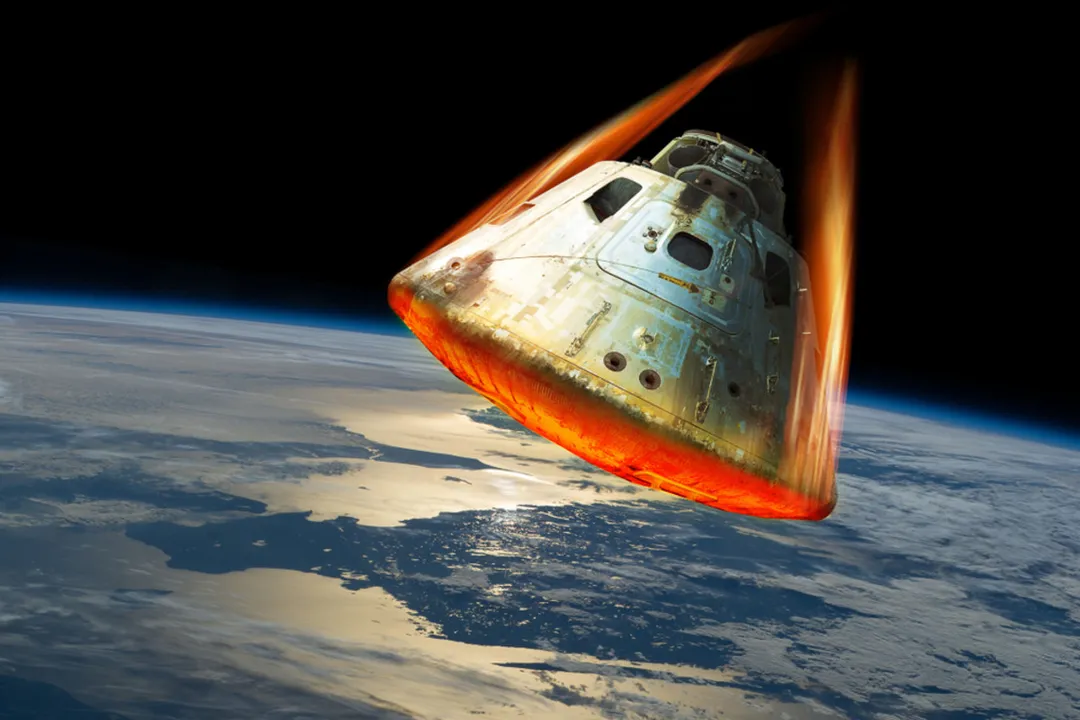
The return trip from space presents one of the most severe engineering hurdles in rocketry and aerospace, transforming what was once a controlled ascent into a frantic, high-speed deceleration through the thick lower atmosphere. Surviving reentry isn't about simply slowing down; it's about managing energy—kinetic energy so vast it must be shed without destroying the vehicle in the process.
The key challenge stems from the vehicle’s velocity. When returning from a low Earth orbit, a craft is moving at roughly (). A craft returning from the Moon travels even faster, potentially exceeding . Hitting the atmosphere at these speeds requires a specific trajectory to convert that horizontal speed into vertical loss of energy over a controlled period.
# Speed Physics
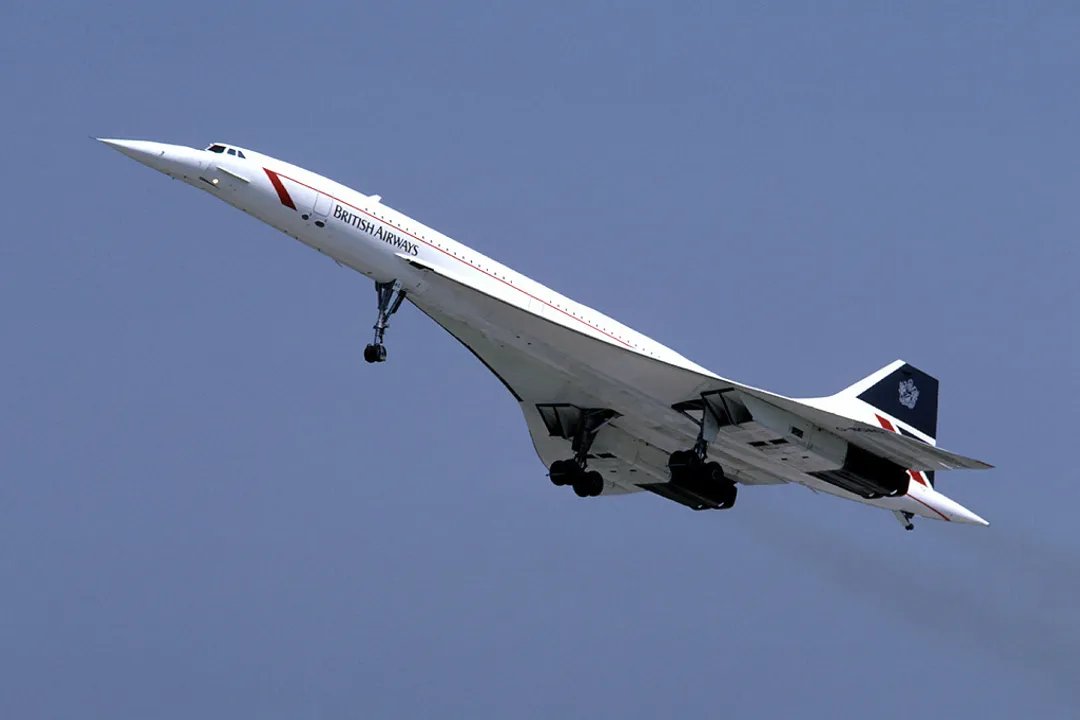
The initial encounter with the atmosphere is deceptively simple in cause but devastating in effect. While intuition suggests that intense friction is the primary cause of the intense heat experienced during reentry, the reality is slightly different and far more dramatic.
The actual source of the extreme temperature is the rapid compression of the air in front of the incoming vehicle. As the spacecraft slams into the air molecules at hypersonic speeds—many times the speed of sound—the air immediately ahead of it cannot move out of the way fast enough. This creates a powerful shock wave that stands off the vehicle's surface.
The air within this shock wave is compressed violently, causing its temperature to skyrocket. This superheated layer of gas, called plasma, can reach temperatures far exceeding or more, depending on the speed and entry angle. The craft isn't necessarily burning up from scraping against the air; it is being bathed in this superheated gas layer created by its own velocity.
# Shield Materials
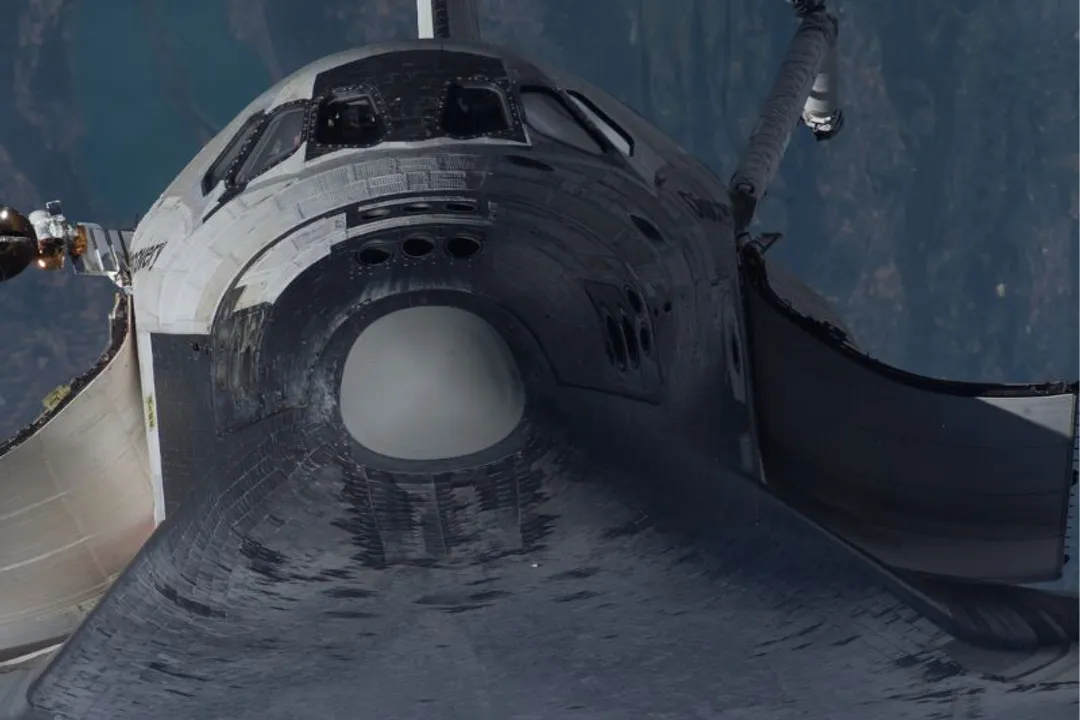
To counter this thermal assault, spacecraft rely on carefully engineered thermal protection systems (TPS). The methodology chosen often depends heavily on the mission profile and whether the vehicle is designed to be expendable or reusable.
# Ablative Systems
For capsules designed for a single entry, like the Apollo missions or many uncrewed probes, the most common solution is ablation. An ablative heat shield is constructed from specialized materials that are designed to slowly burn, char, and vaporize as they absorb the immense heat energy. As the outer layer of the material sacrifices itself, it carries that heat away from the underlying structure in the form of gas and smoke. This steady removal of mass keeps the inner layer relatively cool, allowing the crew or sensitive equipment to survive. The material acts as a sacrificial barrier, effectively shedding the thermal load.
# Reentry Management
For vehicles designed to return and land, such as the SpaceX Falcon 9 first stage, the approach shifts from sacrificial destruction to controlled management and structural preservation. These stages cannot simply rely on a thick ablative shield because the vehicle must maintain structural integrity for reuse.
Instead, these vehicles employ several complementary techniques:
- Aerodynamic Braking: The vehicle hits the atmosphere at a specific angle—steeper than a shallow atmospheric skip, but shallower than a direct ballistic trajectory. This initial phase uses the vehicle's body shape (often blunt-ended but with necessary surfaces) to generate massive drag, shedding much of the velocity through aerodynamic resistance rather than purely through heat dissipation from one small spot.
- Propulsive Control: Once the atmospheric drag has slowed the vehicle significantly, the vehicle uses its own engines for precise control. The Falcon 9 uses three engine relights: the boost-back burn (to change direction), the reentry burn (to slow down further and manage the heat pulse), and the landing burn. The reentry burn, performed while still traveling at hypersonic speeds, is crucial for reducing the peak heat flux that the structure must endure.
- Aerodynamic Surfaces: For high-altitude steering control before the landing burn, devices like the grid fins on the Falcon 9 play a key role. These fins deploy to provide aerodynamic control in the thin upper atmosphere, allowing mission control to adjust the trajectory and ensure the vehicle hits the intended landing zone, which is paramount for managing the overall energy dissipation schedule.
When considering the engineering difference, an expendable capsule optimizes for maximum heat absorption via material loss over a short, high-energy period. In contrast, a reusable booster optimizes for structural survival over a longer, carefully modulated energy loss profile, requiring active propulsion and control surfaces to shape the thermal environment around its structure. This structural imperative means the materials on a reusable stage must withstand high temperatures without failing catastrophically, even if they don't vaporize completely [Inferred analysis of reusability stresses].
# Trajectory Control
The path the vehicle takes through the atmosphere is just as important as the material protecting it. A reentry trajectory is a complex trade-off between thermal stress and g-forces.
If a craft enters the atmosphere too steeply—a high angle of attack—it encounters extreme deceleration forces and peak heating rates almost instantly. This can cause rapid structural failure or burn through the shield too quickly. Conversely, entering too shallowly can cause the vehicle to "skip" off the atmosphere, like a stone skipping on water, and fly back out into space without ever successfully slowing down to orbital speeds for a soft landing.
NASA's expertise in Entry, Descent, and Landing (EDL) systems revolves around precisely calculating this entry corridor. The physics governing this flight regime are captured in complex computational fluid dynamics models, which help predict how the plasma layer will behave around the spacecraft for any given entry angle and speed.
For reusable first stages, mission planners must account for the mass of the stage being different from its initial launch mass because it has already expended propellant. This mass difference subtly changes the required trajectory inputs for a successful, survivable return.
# Managing Deceleration
Whether using a parachute system or propulsive landing, the final phase involves shedding the remaining velocity safely.
Capsules often rely on parachutes after the initial high-heat phase is over and the atmosphere is thick enough to provide significant drag. Once the speed is reduced to a few hundred miles per hour, the parachutes deploy to cushion the final impact.
Reusable boosters, however, face a far more difficult task in the lower atmosphere because they cannot simply deploy a drogue chute to kill the final speed; they need to maintain steering authority down to the landing pad. The grid fins provide steering authority at high speeds, but the final slowdown—reducing velocity from hundreds of miles per hour to zero over a few hundred feet—is achieved using the engines. This requires throttling down the engines to hover just above the landing site.
When looking at the energy involved, it’s helpful to appreciate the scale: if a 130,000-pound Falcon 9 first stage needs to shed most of its velocity before the final landing burn, the heat and kinetic energy management in the initial 100 miles of descent are where the most critical survival decisions are made. It is a calculated dance between letting the atmosphere do the heavy lifting through drag and using the rocket's own power to ensure the vehicle remains within the atmospheric "safe zone" for its particular shape. The success of landing a first stage is a testament to controlling the chaotic environment of atmospheric reentry through active, moment-by-moment adjustments, a capability far removed from the passive shielding of early capsules.
#Videos
How Do Spacecraft Survive Re-Entry? - YouTube
Related Questions
#Citations
Why do rockets have to hit the atmosphere at an angle on reentry to ...
Core Area of Expertise: Entry Systems - NASA
How Do Spacecraft Survive Re-Entry? - YouTube
Rocket Physics, the Hard Way: Re-entry and Hypersonic Flight
How does Falcon 9 survive reentry? - Quora
How does the Falcon 9 first stage avoid burning up on re-entry?
How Do Spacecraft Withstand Re-Entering Earth's Atmosphere?
How the Heat of Reentry Helps Spacecrafts Return to Earth
Why does Starship need flaps for reentry? - Facebook