Does seeing a comet mean anything?
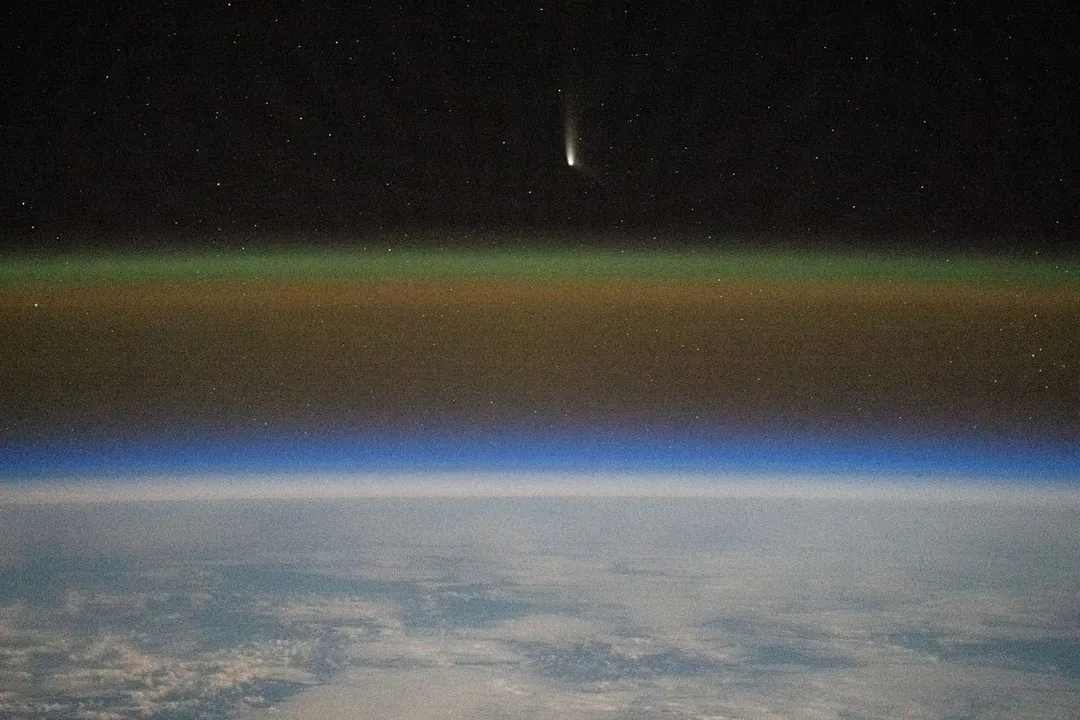
The appearance of a comet has captivated and unsettled humankind for millennia, representing a rare, ephemeral punctuation mark in the otherwise predictable cycle of the heavens. When a bright visitor streaks across the night sky, its meaning seems to hover somewhere between scientific curiosity and deep, historical superstition. For many people throughout history, seeing one was far more than a mere astronomical event; it was a powerful signifier, often associated with monumental changes or impending doom.
# Ancient Fears
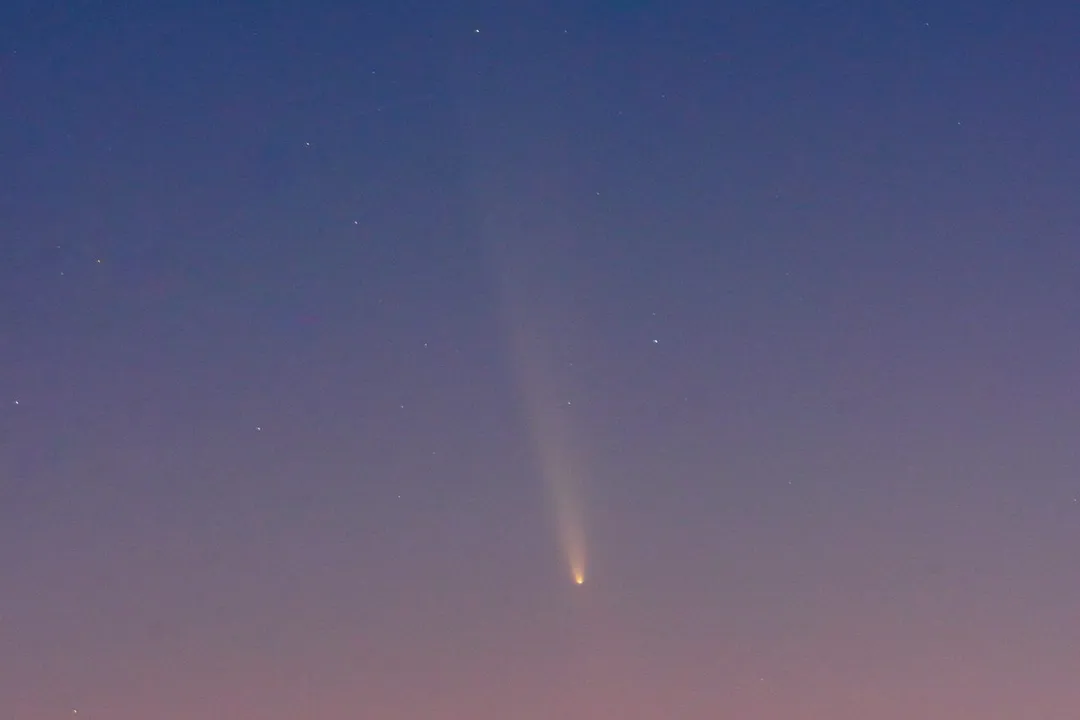
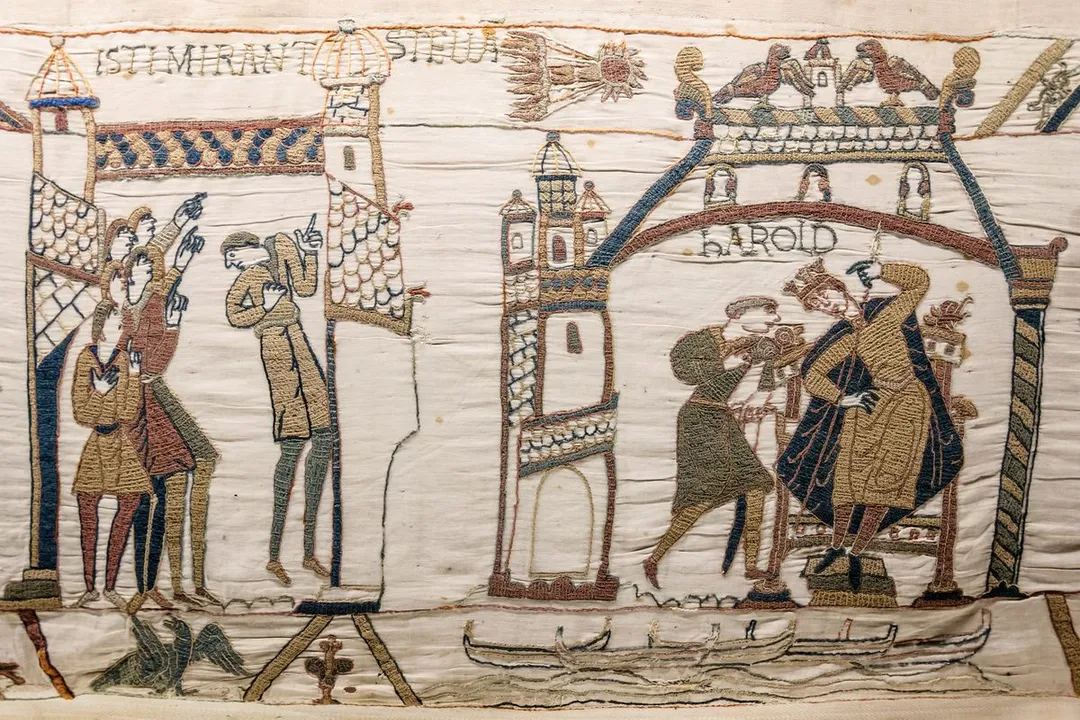
Historically, comets were intrinsically tied to omens, frequently portending misfortune, death, or the downfall of rulers. Because their appearance was unpredictable and their passage swift, they seemed to arrive uninvited and leave without explanation, giving them an air of ill omen. In many ancient societies, the cosmos was seen as a direct reflection of earthly affairs, so a disturbance in the celestial order—like a blazing star with a tail—was naturally interpreted as a warning of earthly disorder. If a king was known to have seen a comet, it was often seen as a forewarning of his own demise or the collapse of his reign. This historical precedent set a deep cultural expectation that whenever we see a comet, something significant, likely disruptive, is about to occur.
# Mythic Roles
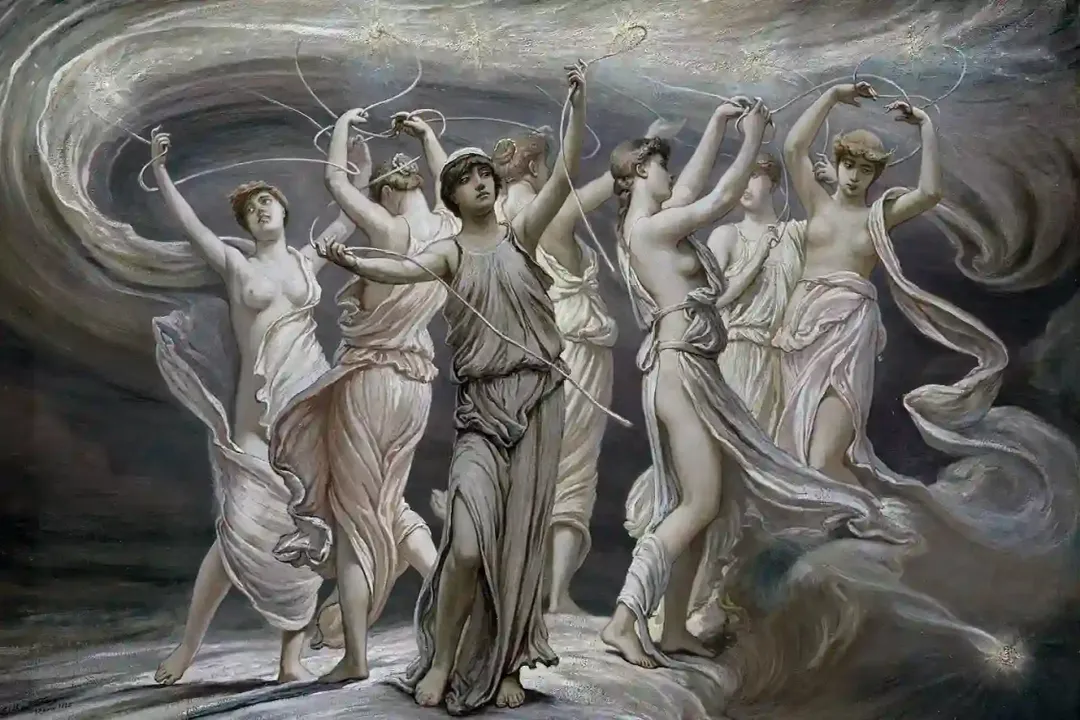
Different cultures assigned specific, powerful roles to these celestial wanderers. In Chinese tradition, for instance, a noted comet was connected to the dramatic political shifts surrounding the rise of Empress Wu Zetian, serving as a key portent in that historical narrative. Similarly, within Hindu symbolic language, comets often carry associations with misfortune or are interpreted as signals of divine intervention, signaling powerful, often destructive, forces at work in the world. Even in more modern, speculative contexts, like worldbuilding fiction, comets are frequently cast as agents of disruptive change—a divine calling card signaling the end of an era or the arrival of a transformative figure. The persistent theme across these varied traditions is one of disruption; comets rarely herald quiet times.
# Celestial Shifts
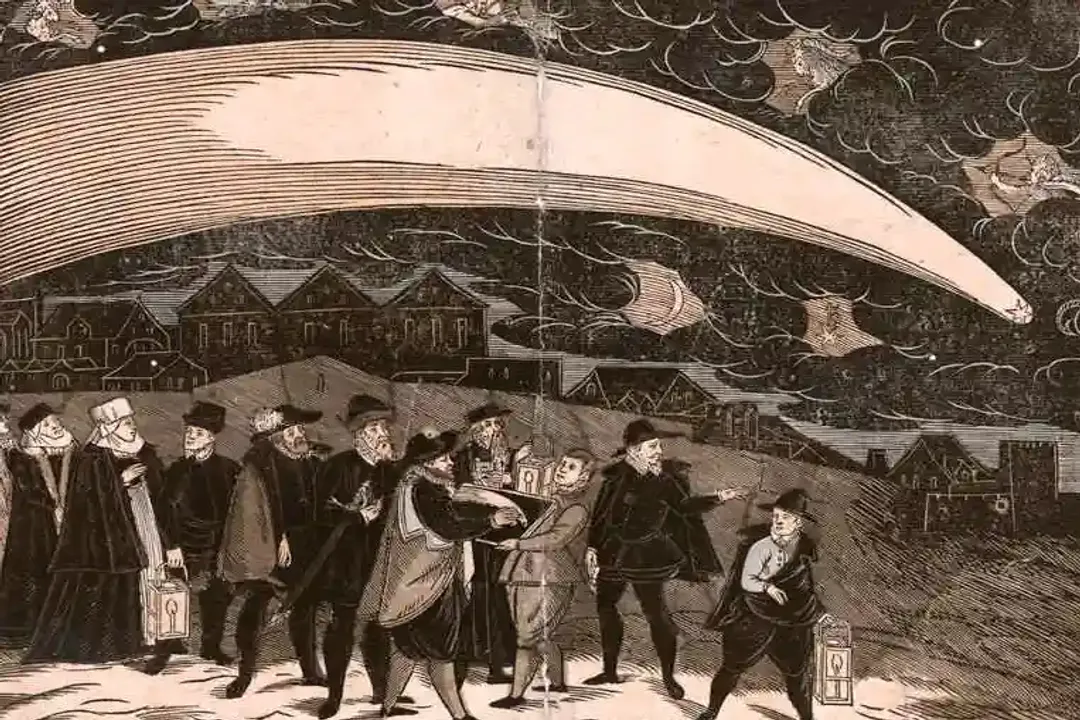
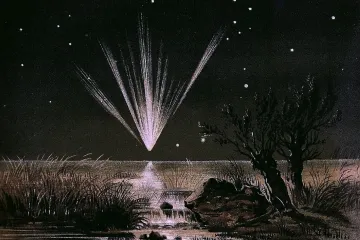
Moving away from ancient prophecy and into modern esoteric interpretation, astrology also assigns significant weight to comets. They are not merely background noise; they are seen as powerful catalysts for major life changes. When a comet interacts with a natal chart, astrologers often view it as a signal for radical transformation, upheaval, or a sudden redirection of life’s path. They suggest a break from the established order, much like their historical counterparts, though the focus shifts from the fate of nations to the personal evolution of the individual. If a comet transit occurs during a sensitive period, it can indicate that established emotional or psychological structures are about to be shaken loose, compelling a person toward necessary, albeit sometimes uncomfortable, growth.
# Scientific Basis
To appreciate the weight of these historical and symbolic meanings, it is helpful to set them against the purely physical reality of what a comet actually is. Scientifically speaking, comets are remnants from the formation of the solar system, often described colloquially as "dirty snowballs". They consist primarily of ice, dust, and rocky material orbiting the Sun. Their spectacular visibility only occurs when their eccentric orbits bring them close enough to the Sun that the heat vaporizes the frozen materials, creating the glowing coma (head) and the trailing tail that we observe from Earth. Missions like the European Space Agency’s Rosetta, which studied Comet 67P/Churyumov–Gerasimenko, have given us intimate knowledge of their composition, confirming they are primitive bodies carrying the chemical makeup of the early solar nebula.
A fascinating contrast emerges when comparing the speed of a comet’s visibility with the nature of the change it supposedly signifies. Historically, the sudden, bright appearance of a comet signaled immediate danger or a rapid succession of events. Yet, the object itself is an artifact of deep time, following an orbit calculated over years or even centuries. This dichotomy—a near-instantaneous visual spectacle representing something ancient and slow-moving—might be the true source of their power. Our ancestors reacted to the sudden appearance in their sky, interpreting that speed as the harbinger of imminent consequence, even though the object’s actual trajectory was dictated by gravity over vast timescales.
# Modern Meaning
So, what does seeing a comet mean now, when we understand its physics and still feel that instinctive pull toward awe? The meaning becomes a personal synthesis of science and sentiment. While very few people today genuinely believe a comet will cause a famine or signal the death of a monarch, the psychological impact remains potent. A comet sighting serves as a potent reminder of the vastness of the universe and our small place within it. It forces a break from routine observation, compelling us to look up and acknowledge something outside the immediate, mundane concerns of daily life.
If we wish to capture the significance of a modern comet sighting, we can frame it as an opportunity for intentional reflection rather than passive prophecy. Consider treating the event like a celestial anchor point for personal commitments:
- Record the Date: Note the exact date you observed the comet, perhaps even taking a photograph or sketching its location against familiar constellations.
- Identify the Science: Look up the comet's designation (e.g., C/2020 F3 NEOWISE) and review its orbital period. Understanding its origin grounds the experience in reality.
- Define Your Intent: Because comets traditionally signify beginnings or endings, use the viewing moment to consciously decide on one significant personal habit or belief you wish to shed and one new perspective you wish to adopt. The ephemeral nature of the comet then becomes a timeline for your own transformation, offering a tangible reference point for measuring your progress over the following months.
Ultimately, seeing a comet means experiencing a grand convergence: the meeting of ancient human wonder, powerful cultural mythologies, sophisticated modern science, and personal introspection. It means that for a brief window, the entire planet momentarily shared the same, spectacular view, connecting us not through fear of prophecy, but through shared, unadulterated cosmic awe.
Related Questions
#Citations
The Meaning of Comets in Astrology
What does seeing a comet mean? - Quora
Comet Archetype Meaning & Symbolism - MyMythos
Comets in Astrology; meanings from Celestial Events by Rod Chang
Fascinating comets
Long Seen as Omens, Comets Do Tell Us Something About Ourselves
All About Comets - Everything Everywhere Daily
What roles do comets and similar extraterrestrial phenomena play in ...
Symbolism of Comet in Hinduism - Hindu Website
ASTROLOGY: For love of a comet - Tillamook County Pioneer