Can we make a nuclear-powered spaceship?
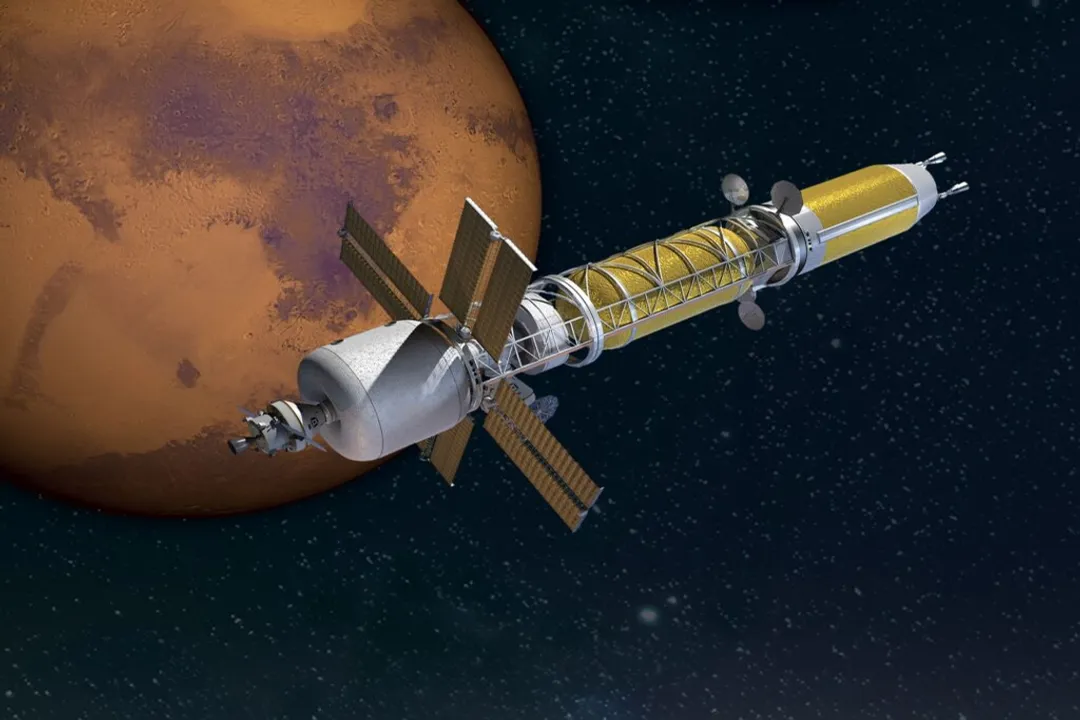
The idea of propelling a spacecraft using nuclear energy is not science fiction. It is a mature engineering concept that has been studied, prototyped, and in some cases, tested since the mid-20th century. [3][7] The question is not whether the physics allows for it, but rather whether the logistical, political, and safety hurdles can be managed to make it a reality for missions beyond our immediate neighborhood. [2] At its most basic level, nuclear propulsion works by swapping the chemical combustion of traditional rockets for the immense heat generated by a nuclear reactor. [7]
# The Concepts
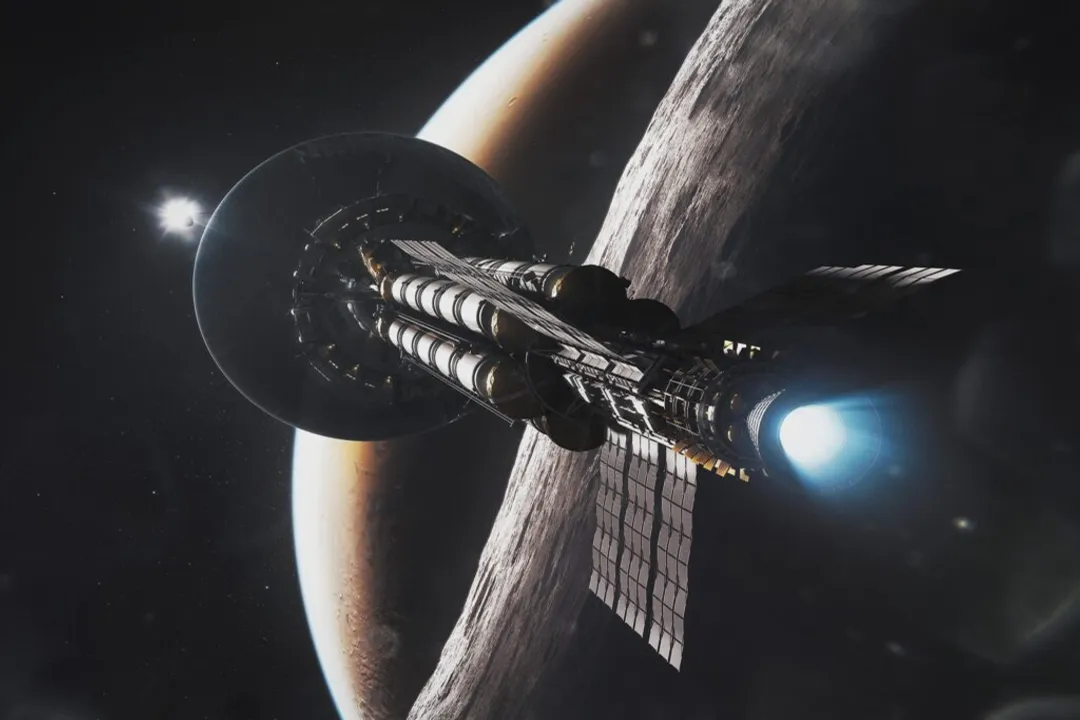
To understand nuclear space travel, one must distinguish between the two primary ways we apply nuclear technology in space. The first is nuclear power, which has been used for decades to keep satellites and probes running. [7] Radioisotope Thermoelectric Generators (RTGs) convert the heat from decaying radioactive material into electricity. These devices are essentially space batteries that last for years, providing power for instruments, heaters, and communication systems. [7] They do not, however, provide the thrust necessary to move a ship.
The second, and more ambitious, approach is nuclear propulsion. This is where the reactor acts as the engine itself. The most prominent concept is Nuclear Thermal Propulsion (NTP). [5] In an NTP system, a nuclear reactor heats a propellant—usually liquid hydrogen—to extreme temperatures. The hydrogen expands rapidly and shoots out of a nozzle, creating thrust. [5][7] Because nuclear reactors can heat propellant much more efficiently than chemical reactions, NTP systems can achieve a specific impulse—a measure of rocket efficiency—roughly double that of the best chemical rockets. [7][9] This efficiency is the holy grail for deep-space missions, as it significantly reduces the amount of fuel a ship must carry.
Another concept is Nuclear Electric Propulsion (NEP). Instead of using heat to expand gas, the reactor generates electricity, which then powers an ion thruster. [7] Ion engines are incredibly efficient but produce very low thrust. They are the marathon runners of space travel, capable of accelerating spacecraft to high speeds over long durations, whereas NTP is more like a sprinter, providing the high thrust needed to move heavy payloads quickly. [7]
# Project Orion
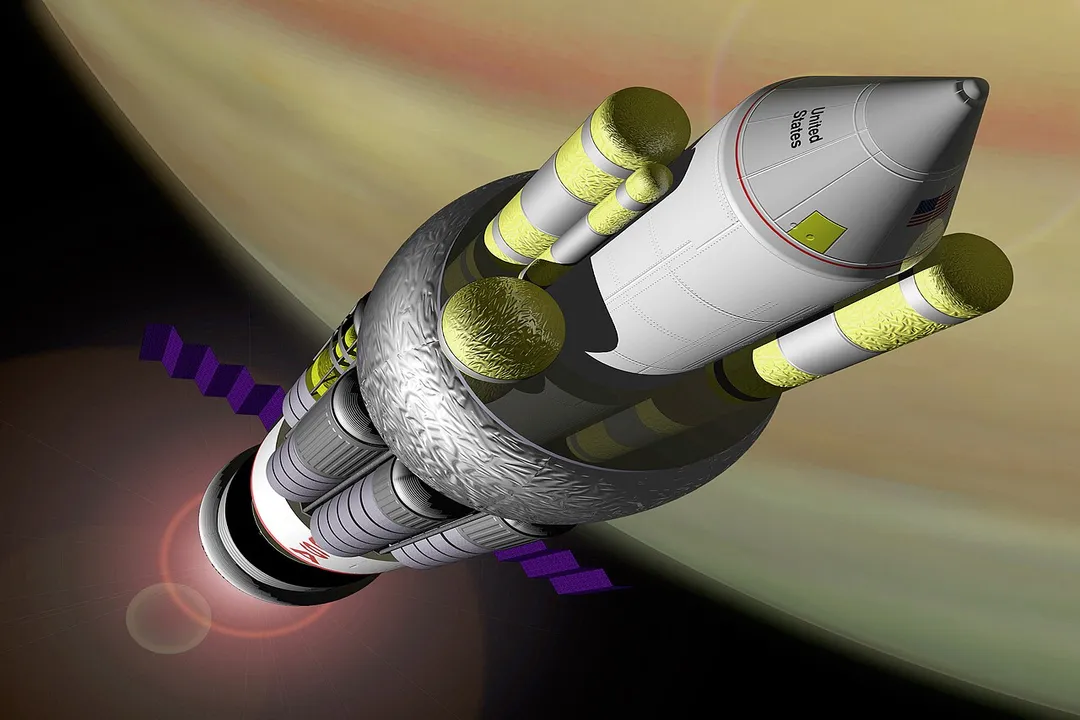
In the late 1950s and early 1960s, engineers went in a completely different direction. They proposed a system that sounds like it belongs in a blockbuster film: Project Orion. [3] Instead of a controlled, continuous burn like in an NTP engine, the Orion concept involved detonating small nuclear bombs behind a massive pusher plate attached to the spacecraft. [3] The ship would essentially "surf" the shockwaves of these explosions.
The sheer scale of the Orion concept was staggering. It promised a vehicle capable of carrying massive payloads—thousands of tons—across the solar system. [3] It was technically feasible within the materials science of the time. However, the project faced insurmountable political opposition. The Partial Test Ban Treaty of 1963, which prohibited nuclear explosions in space and the atmosphere, effectively ended the concept. [3][4] The fear of radioactive fallout from launches and the geopolitical tension of the Cold War ensured that such a brute-force approach remained on the drawing board. [3][4]
# Modern Missions
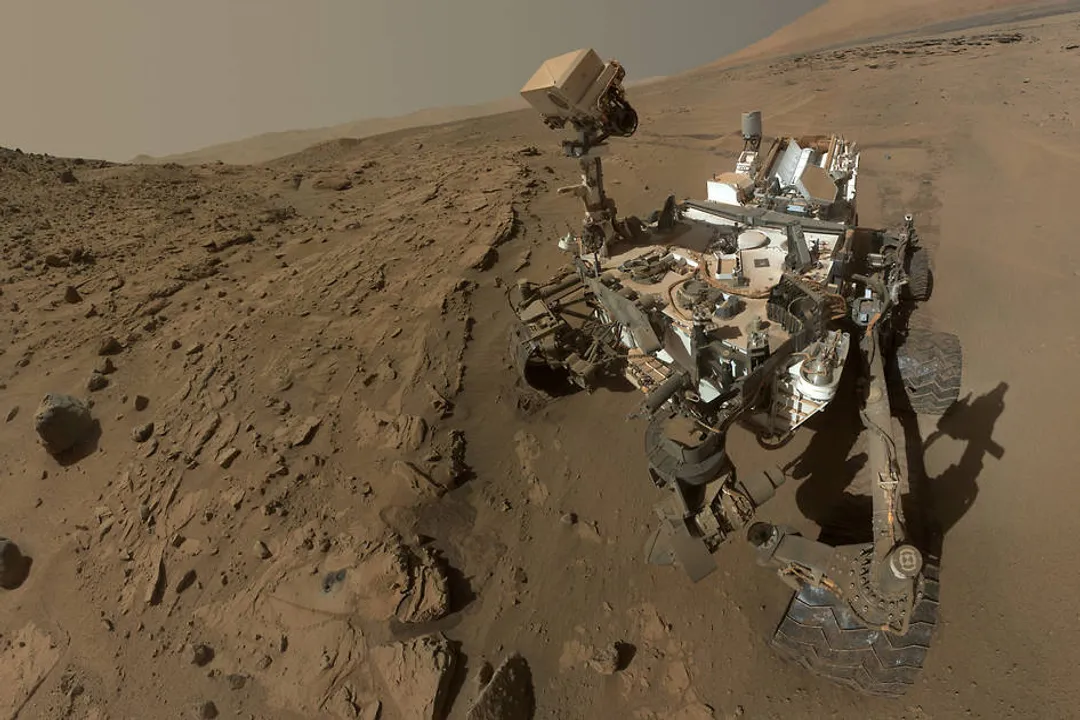
While the Orion project is relegated to history, the drive to master nuclear propulsion has seen a resurgence. NASA, along with the Defense Advanced Research Projects Agency (DARPA), has initiated the DRACO program—Demonstration Rocket for Agile Cislunar Operations. [5][8] The goal is to demonstrate a nuclear thermal rocket engine in orbit, likely around 2027 or 2028. [5][8]
This program represents a shift in focus. It is no longer about launching massive, bomb-powered ships; it is about refining reactor technology to be safe, reliable, and efficient. [8] The DRACO mission will test a flight-ready NTP system, proving that we can operate a nuclear reactor in the vacuum of space, handle the thermal management, and restart the engine multiple times. [5] This is a necessary stepping stone for future crewed missions to Mars, where reducing transit time is vital for crew health and mission success. [5]
# The Hurdles
The obstacles to nuclear-powered space travel are rarely about the inability to build the hardware. The reactor designs themselves are well-understood by physicists and nuclear engineers. [1][9] The real challenges are operational and political.
First, there is the risk of launch failure. If a rocket carrying a nuclear reactor explodes during liftoff, there is a risk of spreading radioactive material into the atmosphere or the ocean. [2] Modern designs mitigate this by keeping the reactor "cold"—meaning it is not turned on until the spacecraft reaches a safe orbit. [2][7] Once in space, the reactor is activated. This ensures that if a launch aborts, the radioactive material remains sealed within its robust containment housing. [2][7]
Second, there is the issue of heat management. Space is a vacuum, which makes cooling extremely difficult. On Earth, we use air or water to cool reactors. In space, you can only dump heat through radiation, which is much slower. [9] This forces engineers to design massive radiator panels, which adds weight and complexity to the ship.
Third, the legal landscape is complicated. The Outer Space Treaty and various non-proliferation agreements create a gray area for nuclear materials in orbit. [4] While these treaties are not necessarily permanent bans, they require rigorous international cooperation and transparency, which can slow down progress significantly. [4]

# Efficiency Comparison
To understand why the industry is pushing for this technology, it helps to look at the performance metrics. Chemical rockets, while reliable, are strictly limited by the energy density of their fuel.
| Propulsion Type | Typical Specific Impulse (s) | Best Application |
|---|---|---|
| Solid Chemical | 250 - 300 | Launching from Earth |
| Liquid Chemical | 300 - 450 | Launching from Earth / Upper stages |
| Nuclear Thermal (NTP) | 850 - 1000 | Deep space transit / Mars missions |
| Nuclear Electric (NEP) | 2000 - 5000+ | Long-duration deep space cargo |
The data table above illustrates a clear trade-off. Chemical rockets provide the high thrust needed to escape Earth's gravity well—a task that is currently too difficult for nuclear engines. [7] However, once in orbit, the efficiency of nuclear systems becomes superior. An NTP engine cuts the transit time to Mars significantly, which is critical for minimizing the astronauts' exposure to cosmic radiation during the trip. [5]
# Analyzing Cost
A common misconception is that nuclear propulsion is prohibitively expensive compared to chemical rockets. While the development cost of a nuclear engine is undoubtedly higher than a chemical one, the operational cost tells a different story. If a mission requires transporting 50 tons of cargo to Mars, a chemical rocket requires massive amounts of propellant, which increases the launch weight and requires more, or larger, rockets to put everything into orbit.
By switching to nuclear propulsion, the mass required for propellant drops dramatically. This reduces the number of heavy-lift launches required to assemble the mission in orbit. If the cost of a single heavy-lift launch is hundreds of millions of dollars, the ability to halve the number of launches required by using a more efficient engine creates significant economic value. The initial investment in R&D is high, but the long-term utility for heavy, deep-space logistics becomes financially attractive.
# Operational Risks
Another factor to consider is the psychological and technical barrier of handling nuclear materials. Every aerospace engineer is trained to ensure systems do not fail, but nuclear safety adds a layer of scrutiny that most other technologies do not face. This "safety culture" is mandatory. Any nuclear spacecraft must have multiple, redundant safety systems that ensure the reactor remains sub-critical during transport, launch, and potential docking maneuvers. [2][7]
Engineers analyze failure scenarios where a collision might occur in space. Unlike chemical fuel, which might burn off in a collision, nuclear fuel is essentially a ceramic or metallic material designed to withstand extreme environments. [7] The risk of a "Chernobyl in orbit" is virtually zero because these reactors do not behave like power plant reactors on Earth. They are designed to operate differently, with far less radioactive material and different operational dynamics. [2][7]
# Future Direction
We are currently in a transition period. For the last 50 years, we have relied on chemical rockets for everything. This served us well for getting to the Moon and into low Earth orbit. But we have reached the ceiling of what chemical propulsion can achieve. To become a species that operates routinely beyond Earth's orbit, we need more energy density.
The upcoming DRACO mission is not just a test of a new engine; it is a test of whether we have the collective will to adopt nuclear space power. [8] If successful, it will change the math for mission planners. It will turn Mars from a distant, years-long endeavor into a much more manageable trip. It will make the outer planets reachable in months rather than decades. The technology is sitting in labs and test stands, waiting for the political and financial green light to move into the vacuum of space. [5][8]
Nuclear-powered spaceflight is not about creating flying reactors that endanger the planet. It is about using the most potent energy source we possess to overcome the limitations of distance. We have the physics, we have the engineering, and we are now developing the flight hardware. The next decade will define whether this becomes the standard mode of transit for our solar system.
#Videos
The Atomic Engine: US Unveils Nuclear Rocket to Dominate Space!
Related Questions
#Citations
How possible is it to use nuclear reactor powered engines for space ...
Why can't we build a giant spaceship powered by nuclear and start ...
Project Orion (nuclear propulsion) - Wikipedia
Why is it so difficult to build a nuclear-powered spacecraft?
Space Nuclear Propulsion - NASA
The Atomic Engine: US Unveils Nuclear Rocket to Dominate Space!
Nuclear Reactors and Radioisotopes for Space
NASA announces plan for space nuclear propulsion by 2028
Nuclear propulsion systems | ANSTO