What was the problem with the Hubble lens?
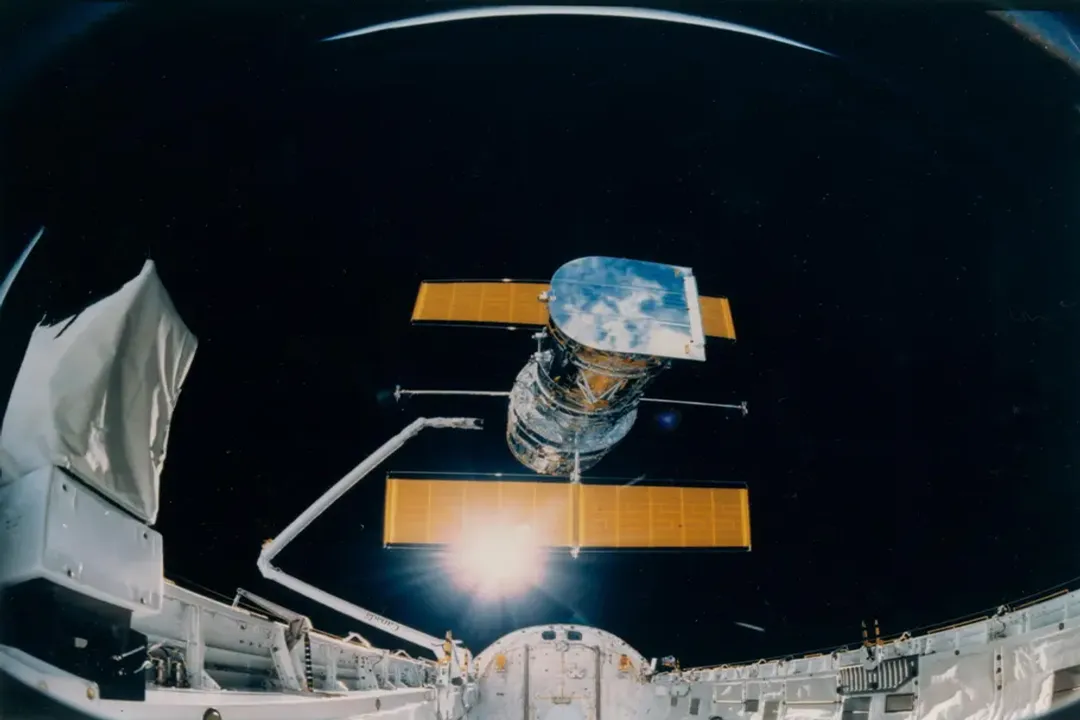
The first images captured by the Hubble Space Telescope after its deployment in 1990 were, frankly, a disappointment. [9] For an instrument costing billions, designed to be the sharpest eye ever placed above Earth’s atmosphere, the resulting pictures were unacceptably fuzzy. [3][9] While the telescope still functioned, the clarity simply wasn't there; astronomers realized almost immediately that something fundamental was wrong with the optics. [3] The initial data showed that the light from stars was not being focused into the sharp points expected, but instead was spread out into wider, blurry circles, a telltale sign of a specific optical flaw. [7]
# Blurry Images
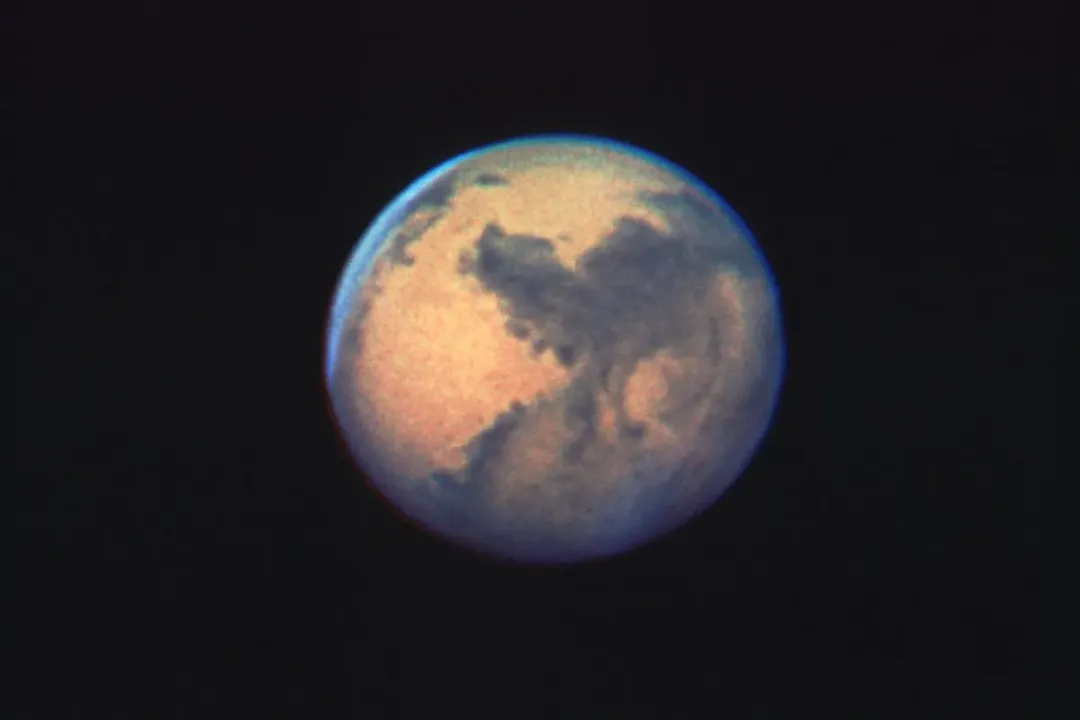
The failure wasn't catastrophic in the sense that the telescope was completely useless; it still delivered data far superior to ground-based observatories. [3] However, the critical design goal—achieving near-perfect resolution—was missed by a significant margin. [1] The images lacked the pinpoint sharpness necessary for detailed cosmological studies, leading the press to quickly label the multi-billion-dollar instrument a "techno-turkey". [9] This initial disappointment marked the beginning of one of the most famous engineering recovery stories in space exploration history. [3]
# Aberration Detail
The specific defect plaguing Hubble was spherical aberration. [2] In simple terms, the primary mirror—the massive, light-gathering component at the heart of the telescope—was not shaped exactly as it should have been. [1] Hubble’s mirror needed to be a mathematically perfect paraboloid to bring all incoming light rays to a single focal point. [1] Instead, the mirror's edge was ground too flat. [1] The difference between the intended parabolic curve and the actual shape was incredibly small, yet it had enormous consequences for image quality. [2]
The required shape was parabolic, but the actual shape was slightly too spherical at the outer edge. [1] To put the magnitude of this error into perspective, the deviation amounted to a difference of only about $2.2$ micrometers at the edge of the $2.4$-meter primary mirror. [1] That distance, just over two micrometers, is roughly equivalent to th the thickness of a human hair. [2] It is astounding that an error this minuscule—far smaller than the thickness of a sheet of paper or even a red blood cell—could render the world’s premier astronomical instrument functionally impaired for its most demanding tasks. [2] This error meant that light hitting the outer zone of the mirror focused slightly inside the focus point intended for light hitting the center, causing the spreading of the image. [4]
# Error Origin
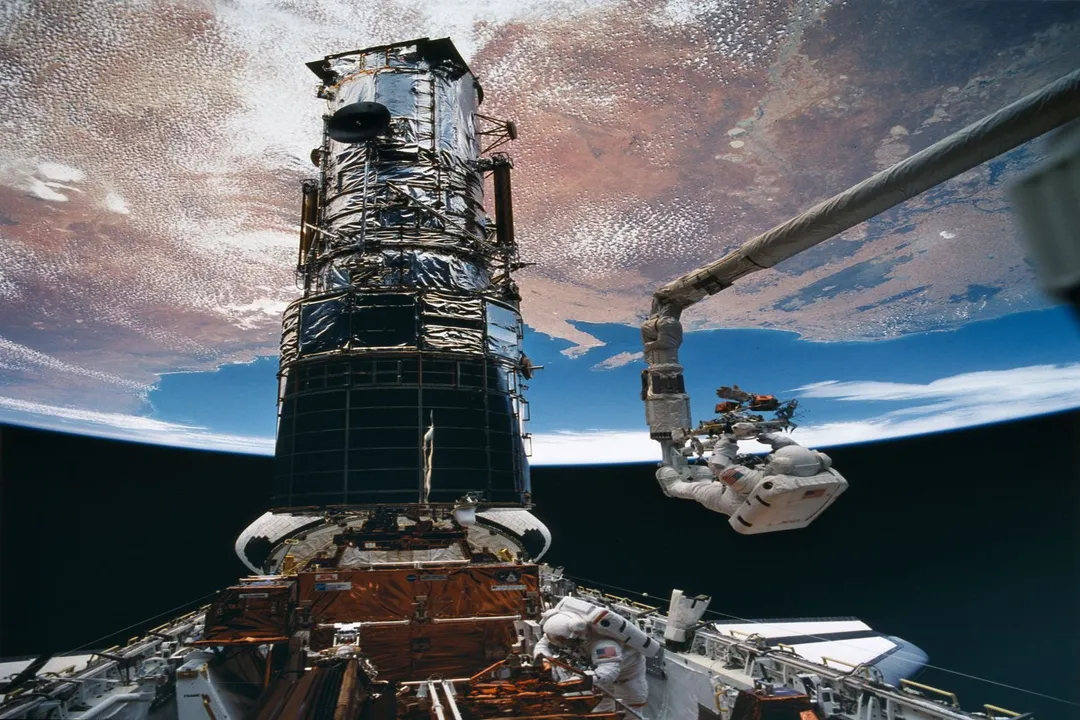
Determining why the error occurred became a major investigative focus. [5] The investigation quickly centered on the ground-based testing procedures used to verify the mirror's shape before launch. [3] The primary contractor, Perkin-Elmer, was responsible for grinding and polishing the mirror. [6] The mirror was tested repeatedly using sophisticated measuring instruments called null correctors to ensure its curvature matched the precise specifications. [4]
One major line of inquiry pointed toward confusion between the Imperial and Metric measurement systems. [6] The final specification for the mirror’s shape was given in metric units. [6] However, reports suggested that the testing apparatus, specifically the measuring device used to check the shape (the null corrector), was set up based on an older, incorrect interpretation of the required specifications, potentially related to Imperial units, or a miscalibration based on where the reference point was set. [6] If the specification was, for instance, $1.0$ inch, but the testing apparatus was set to read $1.0$ millimeter where it should have been accounting for a different baseline, the final product would be systematically flawed. [6] The error was traced back to a flawed measuring device used during the ground testing phase, which provided false confidence in the mirror’s geometry. [3] While the exact sequence of miscommunication and mismeasurement is complex, the consensus landed on a failure in the metrology (the science of measurement) process during the crucial verification stages. [4]
It is worth noting the irony here: a failure rooted in a seemingly simple measurement discrepancy crippled an instrument meant to probe the farthest reaches of the universe. This incident serves as a stark case study in precision engineering, highlighting that for optics systems required to operate at the diffraction limit, the standard for ground testing must often be more rigorous than the standard for the final flight hardware itself. [8] If we look at the required shape change () versus the size of the mirror ($2.4$ meters), the necessary precision is about one part in a million. The fact that the system of checks failed to catch this one-in-a-million error indicates a systemic weakness in accepting verification data without secondary, independent confirmation using a different measurement standard or baseline reference. [8]
# Post Launch Proof
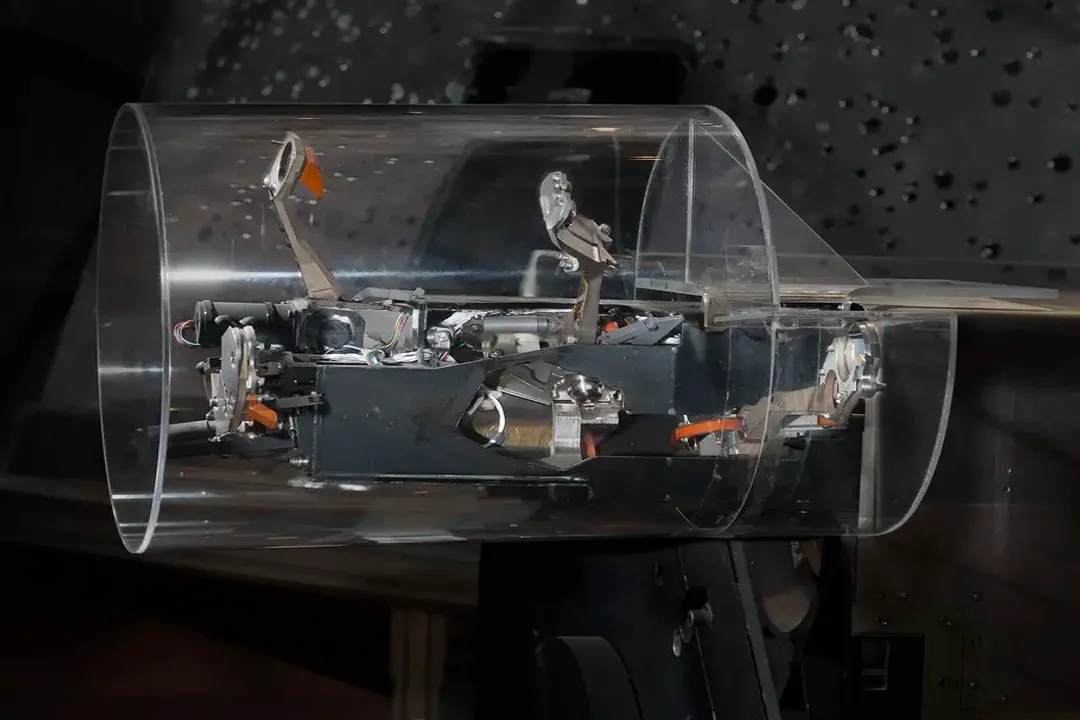
The problem was not immediately evident because the error affects high-frequency detail—the fine structure—more than low-frequency, broad features. [1] Initial, low-resolution images might have looked acceptable, but when pointed at star clusters or point sources of light, the defect became undeniable. [9] Scientists recognized the problem by analyzing the Point Spread Function (PSF), which describes how the telescope spreads out the image of a perfect point source like a distant star. [4]
Once the ground data was reviewed against the first images from orbit, the diagnosis was swift: spherical aberration. [1] The instruments aboard Hubble, such as the Wide Field/Planetary Camera (WF/PC), were designed to operate optimally only if the light entering them was perfectly focused by the primary mirror. [3] Because the light was blurred before it even reached the instruments, the cameras could not deliver the revolutionary images scientists had promised the world. [3] The challenge then shifted from launching the telescope to saving its reputation and fulfilling its scientific mandate. [3]
# The Fix
The solution required an in-orbit repair, a concept that was ambitious but had been planned for to some extent, although usually for servicing, not for correcting a fundamental primary optic flaw. [3] The solution was ingeniously crafted by a team that included the scientists who had discovered the problem. [3] They did not attempt to fix the mirror itself, which would have required bringing the massive telescope back to Earth or performing an extremely risky on-orbit grinding procedure.
Instead, they designed optical instruments that acted as "eyeglasses" for the telescope. [2] The primary fix was packaged into a new instrument called the Corrective Optics Space Telescope Axial Replacement (COSTAR). [1]
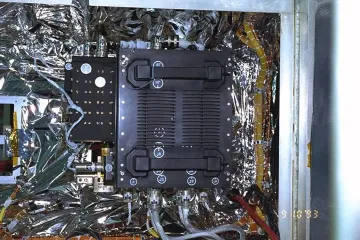
COSTAR was an instrument designed to be installed in one of the telescope's key science bays. [3] It contained several small, precisely shaped corrective mirrors. [1] When light entered the telescope tube and hit the flawed primary mirror, the light beam would be slightly unfocused due to spherical aberration. [4] COSTAR intercepted this imperfect beam and used its own set of carefully figured mirrors to introduce the exact opposite optical defect, effectively canceling out the error caused by the primary mirror and re-focusing the light perfectly onto the remaining science instruments. [1][2]
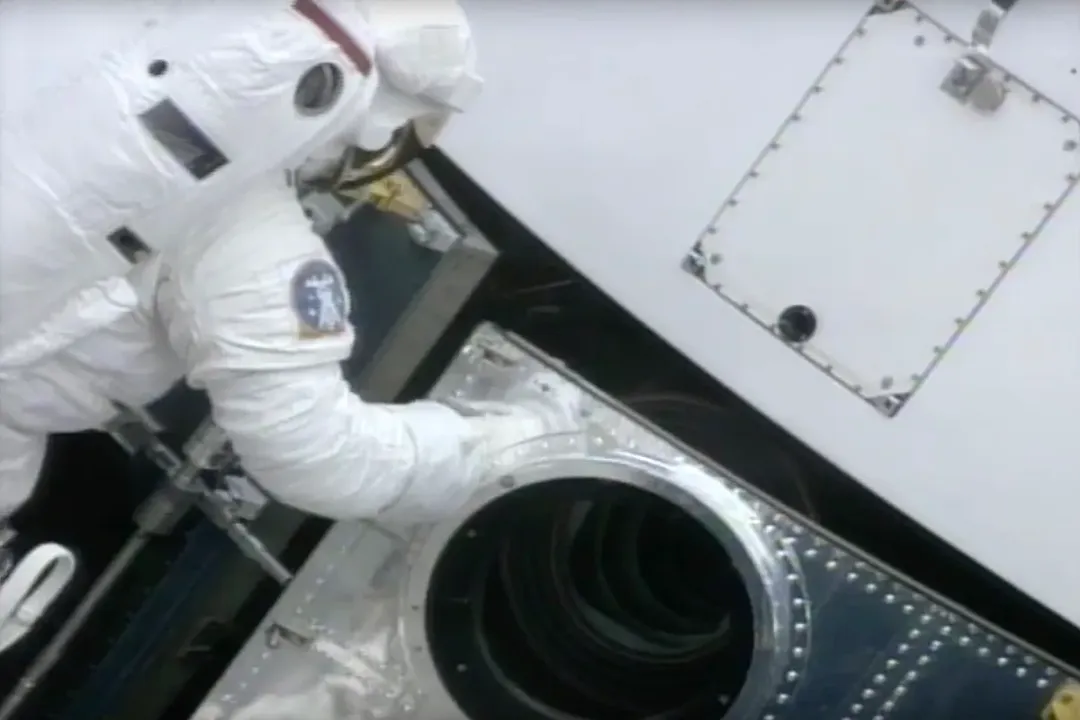
The COSTAR installation was part of the STS-61 Servicing Mission, flown by Space Shuttle Endeavour in December 1993. [3] This mission involved five demanding spacewalks (Extravehicular Activities or EVAs) where astronauts physically replaced the older Wide Field/Planetary Camera with the new Wide Field and Planetary Camera 2 (WFPC2), which had its own built-in corrective optics. [3] They also installed COSTAR. [3]
This combination of targeted corrections is a crucial detail:
| Instrument Corrected | Correction Method | Notes |
|---|---|---|
| Wide Field/Planetary Camera 2 (WFPC2) | Internal Optics | Had corrective mirrors built directly into the camera. [3] |
| Faint Object Camera (FOC) | COSTAR System | Required the external COSTAR unit to place corrective mirrors in its light path. [1] |
| Goddard High Resolution Spectrograph (GHRS) | COSTAR System | Also corrected externally via COSTAR. [1] |
The installation of COSTAR and the replacement of the camera were successful. [3] The first images taken after the servicing mission demonstrated a dramatic recovery, showing pin-point stars and the stunning clarity the world had originally expected from Hubble. [3][9]
# Testing Legacy
The successful repair mission itself, conducted by astronauts who were effectively operating as the world's most expensive optical technicians, cemented the Hubble's future. [3] The recovery demonstrated not only the genius of the corrective optics design but also the unique capability of the Space Shuttle program to service complex, flawed hardware far from Earth. [3]
The lesson learned reverberated throughout aerospace engineering. Future high-precision optics projects, whether for ground-based giant telescopes or subsequent space missions, adopted much stricter requirements for ground verification. [8] While the original contractors were held accountable for the error—leading to financial repercussions—the lasting effect was a profound institutional shift toward validating test equipment with independent, redundant standards, often involving external agencies specializing in metrology standards. [8] The $2.2$ micrometer error, while devastating initially, ended up forcing the entire field of optical manufacturing to implement stricter quality assurance checks, ensuring that future instruments would not suffer from a similar, seemingly undetectable, design flaw slipping through the cracks. [5]
#Videos
NASA's $50 Million Hubble Mistake - YouTube
Related Questions
#Citations
History: The Spherical Aberration Problem - ESA/Hubble
What was wrong with Hubble's mirror, and how was it fixed?
Repairing Hubble | National Air and Space Museum
[PDF] How Hubble Space Telescope failed
TIL that after almost 20 years of battling for a Hubble budget ... - Reddit
Did the Hubble telescope mirror curvature error caused by imperial ...
NASA's $50 Million Hubble Mistake - YouTube
Mega-Projects & -Problems; The Hubble in Trouble
Techno-turkey: Remembering Hubble's vision troubles, 30 Years On