What telescope can view the Eskimo Nebula?
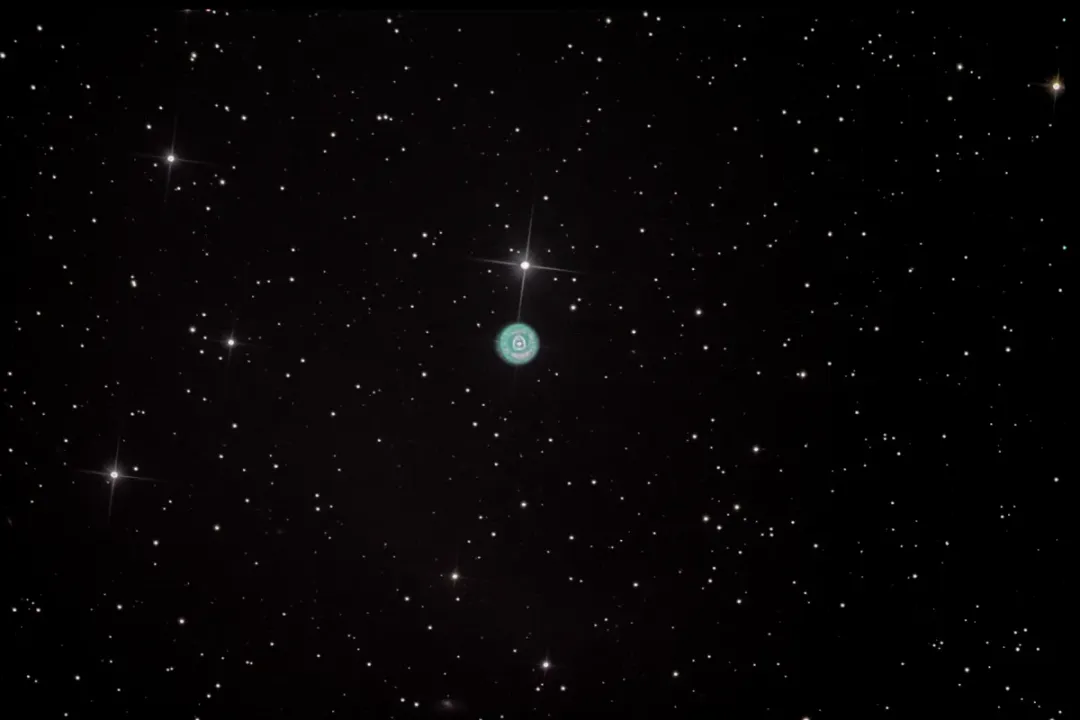
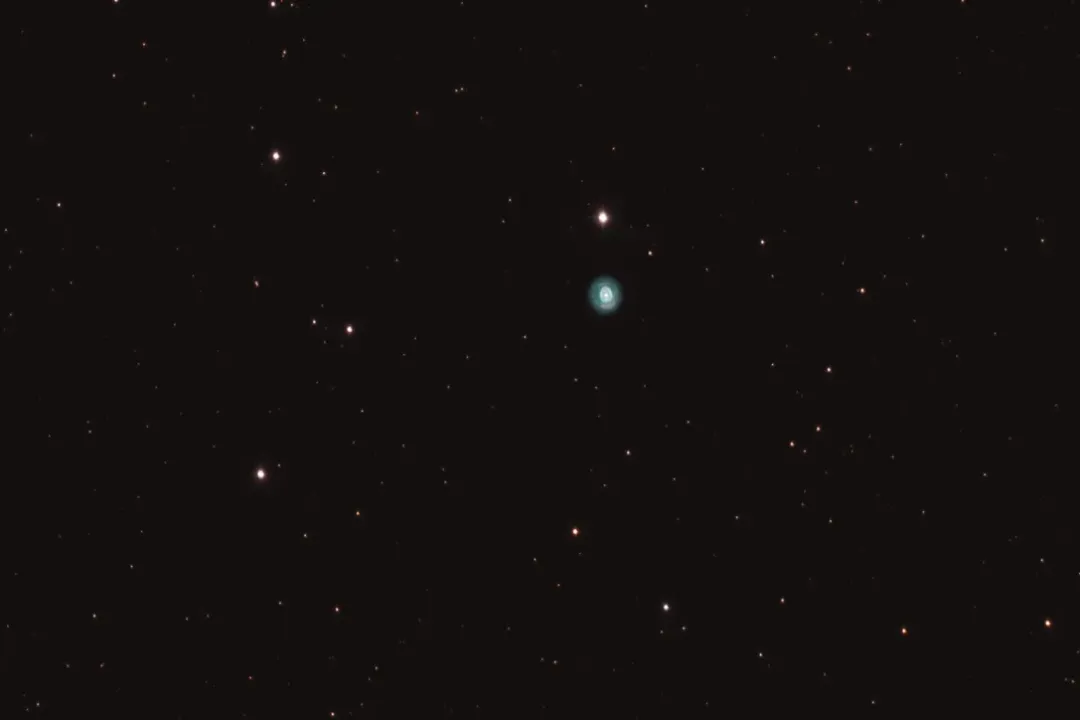
The Eskimo Nebula, cataloged as NGC 2392, is one of the more distinct planetary nebulae accessible to amateur astronomers. [3] Located in the constellation Gemini, this object has captured interest because of its relatively high surface brightness and the unique shell-like structure that, under high magnification, looks somewhat like a face surrounded by a parka hood. [3][7] Viewing it is achievable with a wide range of equipment, provided you understand how the object reacts to different types of telescopes and local observing conditions.
# The Target
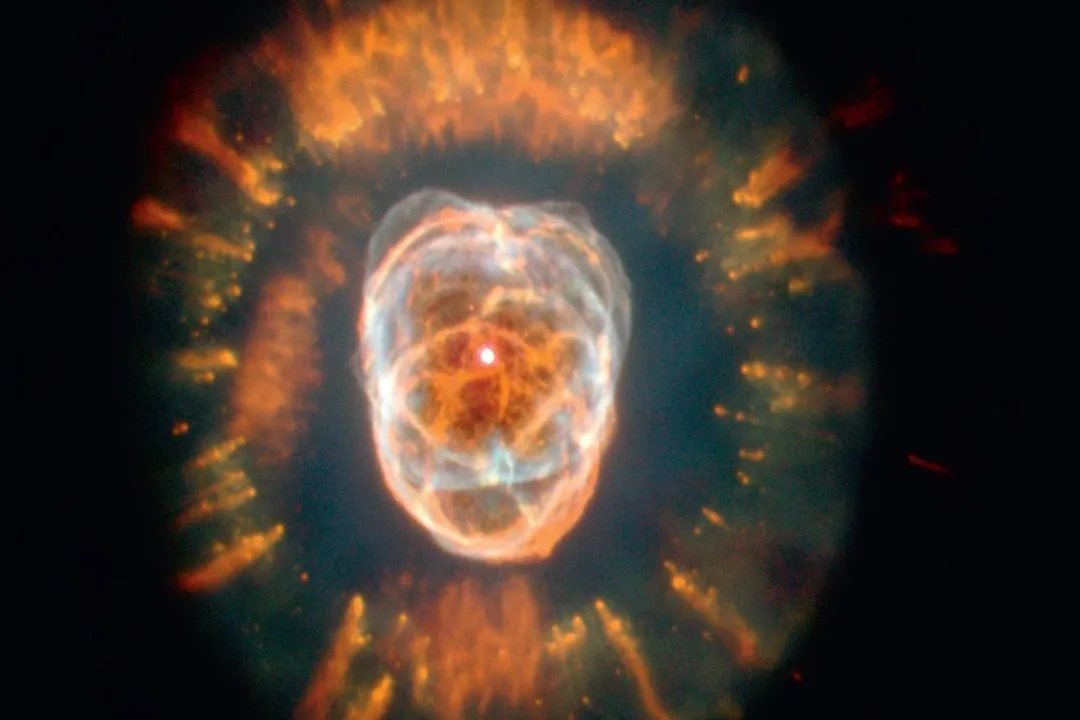
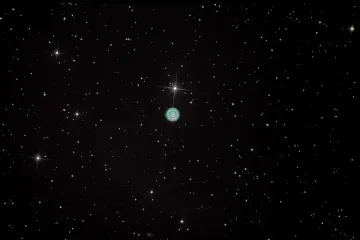
Planetary nebulae like the Eskimo are the remnants of sun-like stars that have shed their outer layers. [3] Unlike galaxies, which can be faint and diffuse, NGC 2392 is compact. This small angular size works to your advantage because it retains high surface brightness even when you increase the magnification. [5] While it appears as a small, fuzzy star-like object in low-power eyepieces, it reveals a distinct, bluish-green disc when you push the magnification higher. [4] The "face" feature, which made the nebula famous in professional-grade photography, is subtle and generally requires steady atmospheric conditions to observe visually, though it is quite prominent in long-exposure images. [7]
# Telescope Selection
You do not necessarily need a massive telescope to identify the Eskimo Nebula. In fact, many observers find it in smaller instruments or even high-end finder scopes, though identifying it as a nebula rather than a star requires the right amount of aperture and power. [5]
For those using modern, portable equipment, smart telescopes like the Seestar series have made capturing the Eskimo Nebula straightforward. [1] These devices use integrated stacking algorithms to pull out details that might otherwise require an hour of post-processing. Because the nebula is bright, these systems can resolve its structure quickly without the manual star-hopping typically required by traditional setups. [1]
If you prefer the visual experience of looking through an eyepiece, the aperture of your telescope dictates the level of detail. Here is a breakdown of how different telescope sizes perform with NGC 2392:
| Aperture Size | Experience Level | Visual Expectation |
|---|---|---|
| 3-4 inches | Beginner | Visible as a distinct, non-stellar fuzzy disc. |
| 6-8 inches | Intermediate | Clearly defined disc; internal structure becomes apparent. |
| 10+ inches | Advanced | High-contrast view; outer shell and central star details visible. |
For many amateur astronomers, an 8-inch Dobsonian reflector is the "sweet spot". [9] This aperture provides enough light-gathering capability to see the nebula clearly, while the focal length typical of these scopes allows for the high magnification needed to study the nebula's disc. [2][9] Users of 10-inch Dobsonians often report that the nebula responds exceptionally well to magnification, allowing them to push past 200x power on nights with steady air. [2]
# Observing Tips
The biggest challenge with the Eskimo Nebula is not its brightness, but its size. Because it is small, low magnification will make it look like a regular star. [4] You must use a short focal length eyepiece or a Barlow lens to increase the magnification until the object reveals its true nature as a disc. [4]
Atmospheric stability, often referred to by astronomers as "seeing," is critical here. [8] Since high magnification is required to resolve the nebula’s structure, any atmospheric turbulence will blur the image. If you are struggling to see detail, consider waiting for a night when the stars are not twinkling vigorously.
Using filters can also change your experience. A UHC (Ultra High Contrast) or OIII (Oxygen-III) filter is highly effective. [4] These filters darken the background sky and suppress the light from stars, while allowing the specific wavelengths of light emitted by the ionized gas of the nebula to pass through. [4] This increases the contrast, making the nebula pop against the black background, which is especially useful if you are observing from a light-polluted area. [4]
# Finding NGC 2392
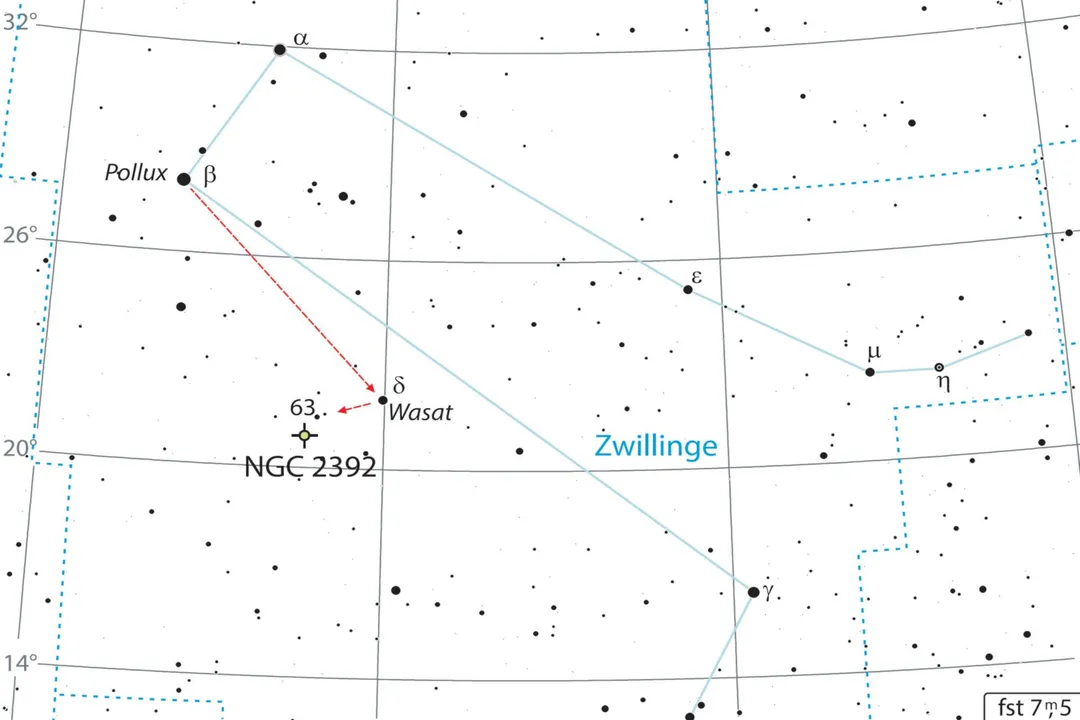
Locating the nebula is a rite of passage for many observers. It resides in the constellation Gemini, specifically near the star Wasat (Delta Geminorum). [5] If you are using a manual Dobsonian or a telescope on an alt-azimuth mount, the star-hopping method is standard. [9]
- Identify the bright stars Castor and Pollux in Gemini.
- Follow the line of the "body" of the twin figure down toward the feet.
- Locate Wasat. The Eskimo Nebula is positioned less than a degree from this star. [5]
- Once you reach the area, use a low-power eyepiece to scan for a small, slightly out-of-focus-looking object that does not snap into a sharp point like a nearby star. [9]
If you are using a GoTo mount or a smart telescope, simply input "NGC 2392" into your controller or app. [1] The system will center the object, but if you are doing visual work, you will still need to swap to a high-magnification eyepiece once it is centered. [2]
# Astrophotography Setup
Capturing the Eskimo Nebula involves different requirements than visual observation. While a visual observer cares about aperture and magnification, an imager cares about tracking accuracy and focal length. [6]
The nebula is a popular target for astrophotographers because its small size makes it a perfect subject for long-focal-length telescopes, such as Schmidt-Cassegrain telescopes (SCTs). [6] These setups, often running at 2000mm focal length or more, can capture the intricate details of the nebula’s double-shell structure. [6]
If you are just beginning with astrophotography, do not be discouraged by the complexity of large SCT rigs. Smaller apochromatic refractors can also capture the nebula, though it will appear much smaller in the frame. The key is in the exposure time and the quality of your mount. [6] Consistent tracking is vital because you will likely be cropping into your final image to emphasize the nebula, and any periodic error in your mount will manifest as trailed stars or a smeared nebula. [2][6]
# Managing Expectations
It is important to remember that the images you see on the internet from sources like NASA are the result of space-based observatories or massive terrestrial telescopes using lengthy exposure times. [7] When you look through an eyepiece, the nebula will not show the vibrant colors seen in processed photographs. Instead, you will see a subtle, gray-green disc. [5] This "ghostly" appearance is the reality of human vision, which struggles to detect color in faint objects.
If you find that your view is lackluster, check your collimation (the alignment of your telescope's mirrors). Planetary nebulae are unforgiving of poorly collimated optics. A small error in alignment can turn the sharp disc of the Eskimo Nebula into a blurry, indistinct smudge. Ensure your primary and secondary mirrors are aligned before every session to get the crispest possible view.
Finally, consider the light pollution in your area. While the Eskimo Nebula has high surface brightness compared to other deep-sky objects, it still benefits significantly from darker skies. If you must observe from a city, the aforementioned OIII filter becomes nearly mandatory for pulling the nebula out of the washed-out sky. [4] With patience, good seeing conditions, and the right magnification, the Eskimo Nebula is a rewarding target that highlights the capabilities of both modest and advanced telescope setups.
Related Questions
#Citations
Capturing the Eskimo Nebula with Seestar S50 telescope - Facebook
Eskimo Nebula (NGC 2392) with a 10" Sky-Watcher Flextube GoTo ...
Eskimo Nebula - Wikipedia
A visit to the Eskimo - Astroshop.eu
Eskimo Nebula, Clown Face Nebula (NGC 2392) - Deep⋆Sky Corner
Eskimo Nebula - NASA
Eskimo Nebula - Beginning Deep Sky Imaging - Cloudy Nights
Finding the Eskimo Nebula | Orion XT8 Blog: Every Night is a New Sky