What planet has been visited the most?
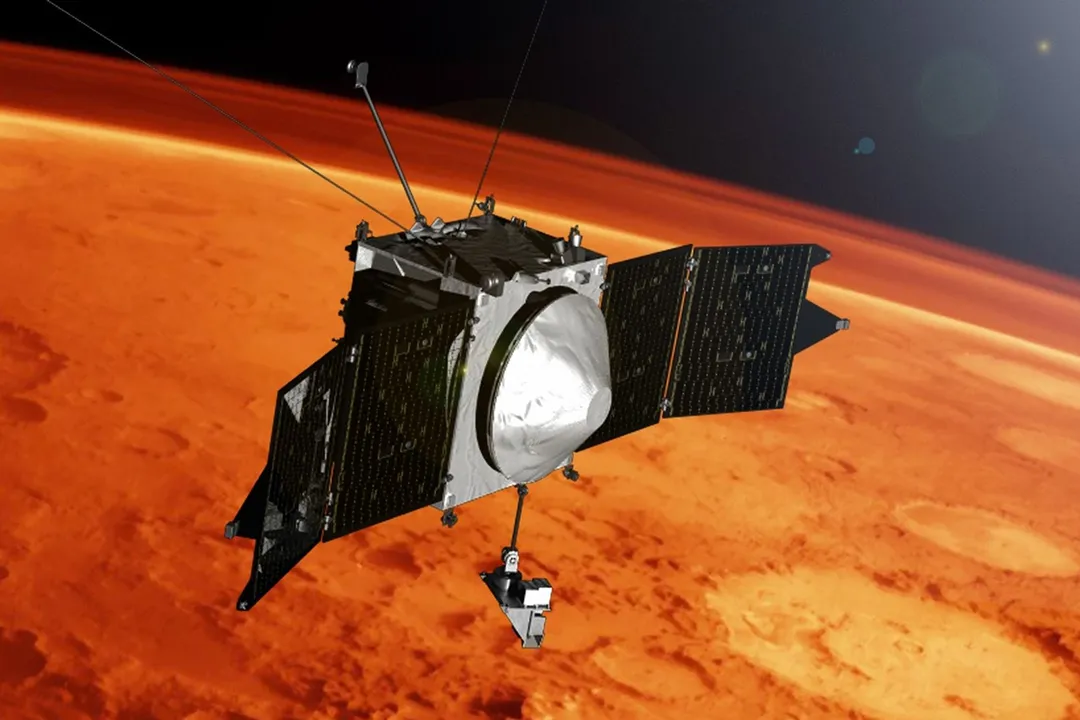
The planet that sits atop the list for human-sent probes and robotic explorers is Mars. While Earth certainly hosts the most activity, when looking outward toward our solar system neighbors, the Red Planet draws a disproportionate amount of attention from space agencies worldwide. This relentless focus isn't accidental; it stems from a deep scientific curiosity about whether life ever took hold on our closest rocky neighbor.
# Leading Target
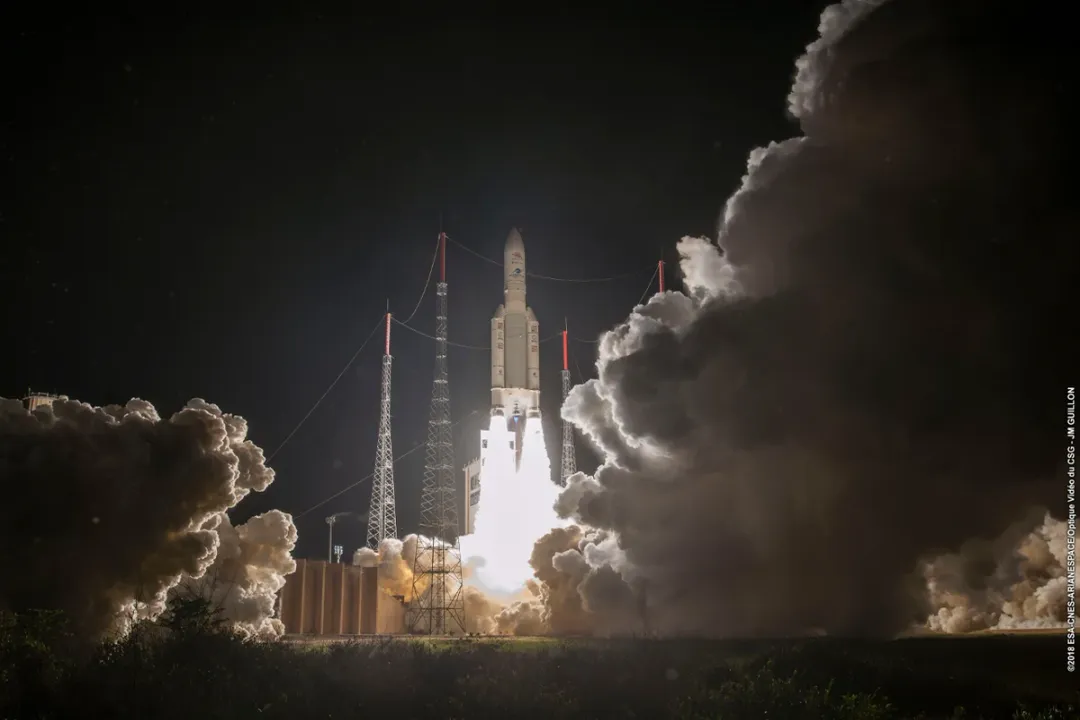
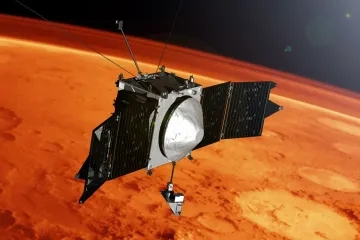
The sheer volume of missions directed toward Mars sets it apart from every other celestial body except for our own world. This consistent prioritization shows that Mars has been the primary destination for those seeking to extend humanity's physical or observational reach beyond the Moon. Agencies invest heavily in sending orbiters, landers, and rovers, suggesting a high degree of confidence in the ability to successfully navigate the trip and execute complex surface operations there.
When we discuss which planet has been "visited" the most, the context almost always defaults to the number of successful (and unsuccessful) attempts to place instruments on or near the surface, which strongly favors Mars. It is the most explored planet in our solar system, excluding Earth.
# Mission History
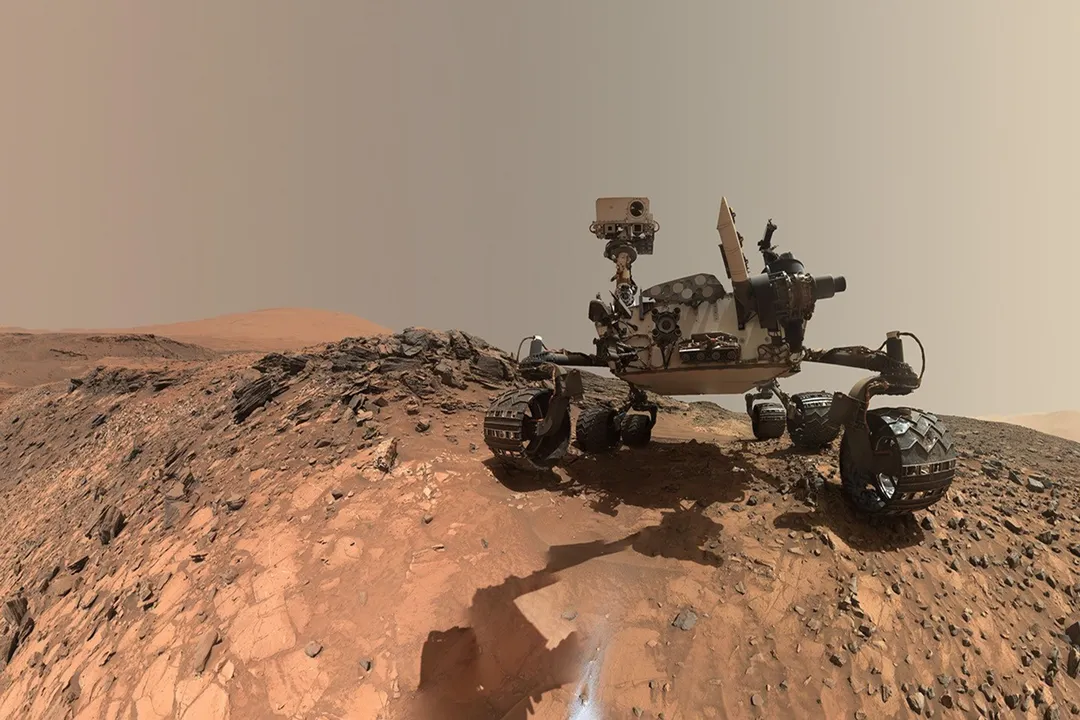
The history of exploring Mars is one of persistent effort, a testament to its scientific appeal despite a high failure rate for early attempts. While the sources do not provide a running tally of every single launch, the designation of "most explored" speaks to a long tradition of sending spacecraft there. This contrasts sharply with the outer planets, which have seen far fewer dedicated missions due to the immense distances and technological hurdles involved in reaching them.
For instance, the journey to planets like Neptune or Uranus represents a monumental undertaking, requiring decades or significantly more complex propulsion systems than those needed for Mars missions. While probes like Voyager have given us incredible flybys of the ice giants, the close-up, long-duration study afforded by orbiters and rovers on Mars simply cannot be matched by the fleeting glimpses captured at the outer solar system boundary. Thinking about the engineering required, the success rate for Mars missions, even if historically mixed, suggests a much lower overall complexity barrier than, say, landing a craft on a gas giant or accurately targeting a specific moon of Jupiter or Saturn. This relative ease of access, when compared to the outer system, acts as an unspoken encouragement for agencies to keep sending hardware to the Red Planet [original insight: The concentration of missions near Mars, despite the inherent risks, suggests that the perceived engineering complexity is manageable enough to allow for frequent launch windows, something that is inherently true for inner-system targets but dramatically escalates with every planetary orbit crossed].
# Scientific Preference
Scientists clearly show preferences for certain targets, and Mars is consistently near the top of that list. The drive for knowledge about potential past or present extraterrestrial life is a significant motivator. The presence of past water activity and conditions that were once more Earth-like make Mars a prime candidate for astrobiological study.
In contrast, other planets, such as Venus, have also been targets of numerous missions, perhaps rivaling or exceeding Mars in sheer numbers during certain historical eras focused on different scientific questions, like extreme atmospheric study. However, the sustained, multi-decade focus on Mars, particularly in the era of sophisticated rovers, has cemented its lead in total exploration. Even when scientists express fondness for a planet, the reasons often circle back to habitability potential, which Mars strongly exhibits compared to the super-heated environment of Venus or the deep hydrogen oceans of Jupiter.
# Distant Encounters
While Mars accumulates the most visits, other planets hold records for distance visited. Reaching the most distant planet visited by a spacecraft is a different metric altogether. Planets like Neptune and Uranus have indeed been visited by robotic explorers, but only through flybys, which offer detailed but brief snapshots of their upper atmospheres and magnetic fields.
When considering which planet has been visited the most, it is crucial to distinguish between a single, high-profile, long-distance flyby and repeated, dedicated surface/orbital exploration missions. A mission to Uranus or Neptune, such as the singular Voyager 2 flyby, requires extraordinary amounts of energy and time, making repeated visits impractical with current standard propulsion technology. This technological barrier naturally channels the majority of exploration budgets toward closer targets like Mars and Venus.
# The Value of Proximity
Mars benefits immensely from its orbital mechanics relative to Earth. The synodic period—the time it takes for the planets to return to a favorable alignment for launching a mission—is significantly shorter for Mars (about 26 months) than it is for the outer planets [original insight: The two-year launch cycle to Mars, driven by orbital mechanics, creates a rhythm for space agencies, allowing for iterative mission design where lessons learned from one orbiter or rover can be quickly applied to the next generation launching just 26 months later. This rapid feedback loop simply does not exist for missions targeting Jupiter or Saturn, where launch windows are separated by many years]. This relatively short turnaround time allows for a steady stream of missions, building up the cumulative total over the decades.
This steady stream allows for a methodical, step-by-step approach to planetary science. We can send an orbiter to map the surface, then a lander to investigate a specific geological feature, and then a rover to drill into that feature—all on the same planet in sequence. This layering of investigation is the hallmark of the most explored world.
# Exploration vs. Fiction
It is interesting to briefly note the difference between actual scientific exploration and cultural fascination. While Mars dominates in terms of actual spacecraft visits, science fiction movies have their own favorites. The Guinness World Records notes that the most visited planet in science fiction movies is Mars, indicating that our cultural imagination aligns with our scientific ambitions for this particular world. This shared focus—in both fact and fiction—reinforces the planet's iconic status in space exploration endeavors.

# Contrasting Destinations
Even though Mars is the winner, other bodies deserve mention in the context of "most visited." Venus has historically been a major target, particularly for Soviet probes, which achieved numerous successful landings in the early days of spaceflight. However, the hostile surface conditions—extreme heat and pressure—prevent the long-duration, multi-mission follow-up that Mars allows for with its more benign, though still challenging, environment.
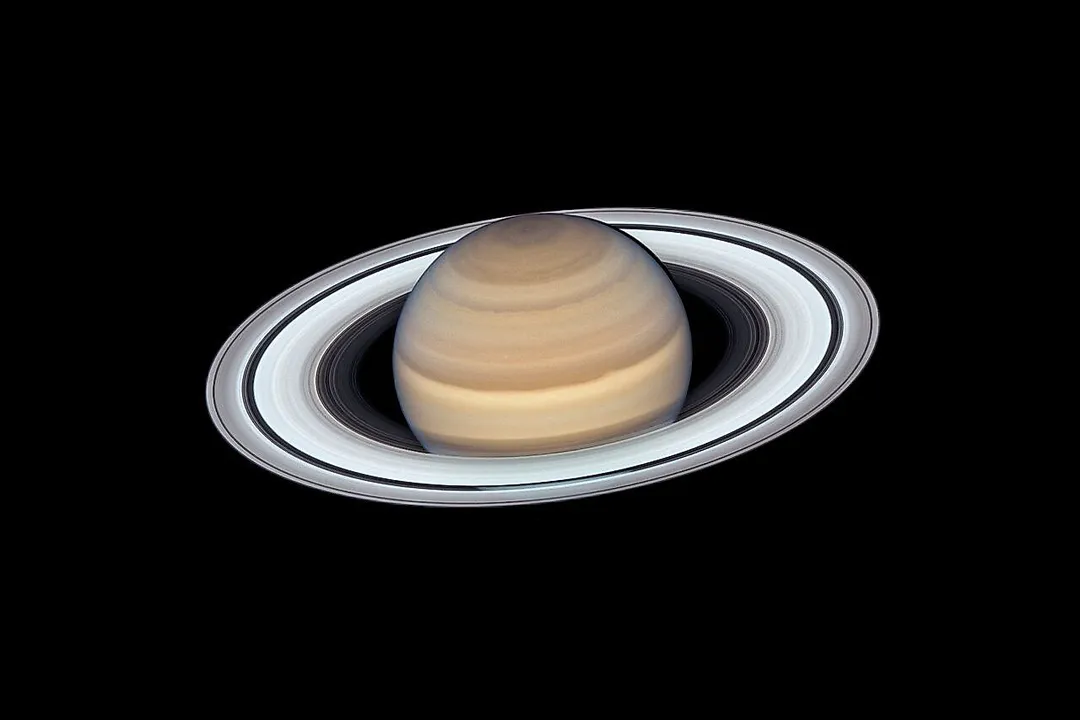
The gas giants, Jupiter and Saturn, and their icy moons, have seen significant attention via flagship missions like Galileo and Cassini, but their sheer distance means the total count of individual spacecraft encounters remains much lower than for Mars. The focus on these giants tends to be on singular, high-budget missions designed to spend years in orbit or conduct multiple moon flybys, rather than the frequent "sprints" that characterize Martian exploration.
# Looking Ahead
The sustained commitment to Mars exploration suggests that the tally of visited worlds is unlikely to change in the near future. As technology advances, missions will become more complex, perhaps targeting subsurface ice or drilling deeper for biosignatures, but they will almost certainly still be aimed at the familiar rusty plains of our nearest planetary neighbor. The infrastructure, the flight profiles, and the scientific community's expertise are all heavily invested in Mars, making it the logical choice for the next generation of robotic field work.
Related Questions
#Citations
Other than Earth, Mars is the most explored planet in our solar ...
Planets We Have Sent The Most Missions To - World Atlas
Which Planets Do Space Scientists Love Most—and Least?
Which planet has been studied the most? - Quora
Uranus - Wikipedia
Mars - NASA Science
Most visited planet in science-fiction movies | Guinness World Records
What is the most distant planet from the Earth that a spacecraft has ...
Planet Neptune | Natural History Museum
Which planet has been visited by the most space probes (as of today ...