What part of the Moon is always dark?
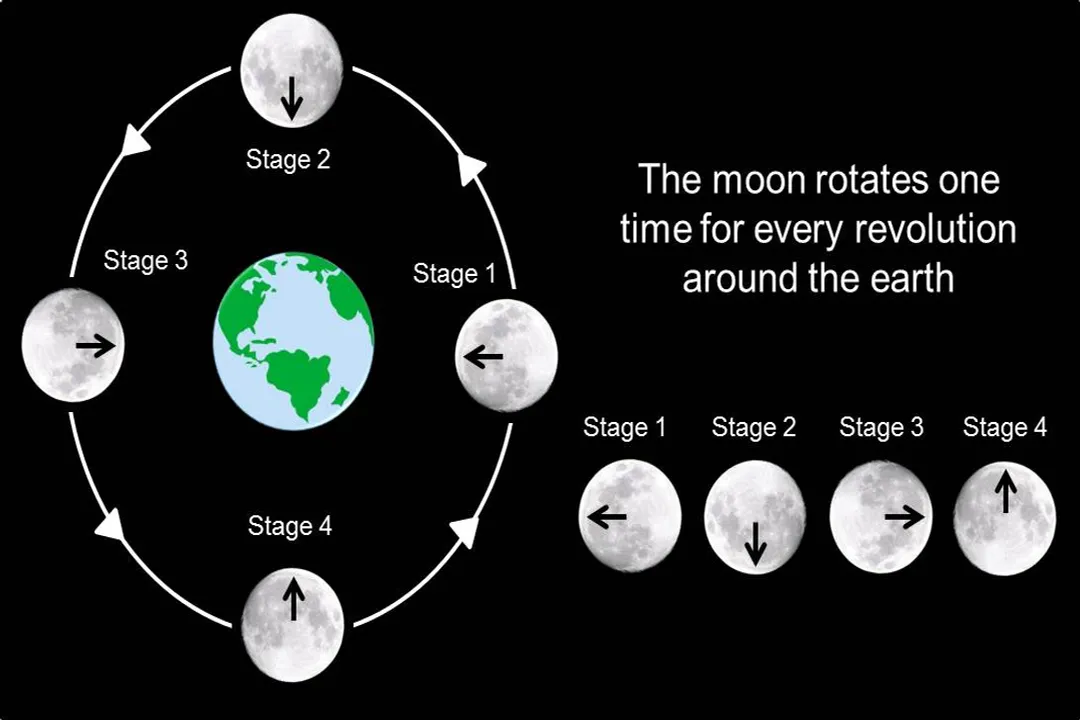
The idea that one side of our Moon remains perpetually cloaked in midnight is one of the most persistent astronomical misconceptions, often romanticized in art and song as the "dark side of the Moon". [2][6] While there is absolutely a hemisphere of the Moon we never see from Earth—the far side—the designation of "dark" is scientifically inaccurate. [2][6] Both hemispheres, the near side facing us and the far side facing away, receive equal amounts of sunlight over the course of a full lunar cycle. [2][6] The true darkness on the Moon is far more localized and extreme than this general myth suggests.
# Tidal Lock
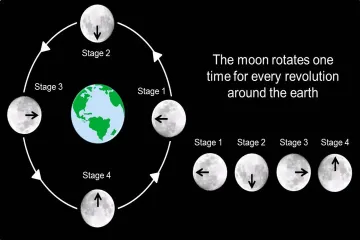
The reason we only ever see one face of the Moon is due to a gravitational phenomenon known as tidal locking. [1] The Moon is tidally locked to Earth, meaning its rotation period around its own axis is exactly synchronized with its orbital period around our planet. [1] It takes the Moon approximately 27.3 Earth days to complete one full orbit around Earth, and in that exact same amount of time, it completes one full rotation on its axis. [1]
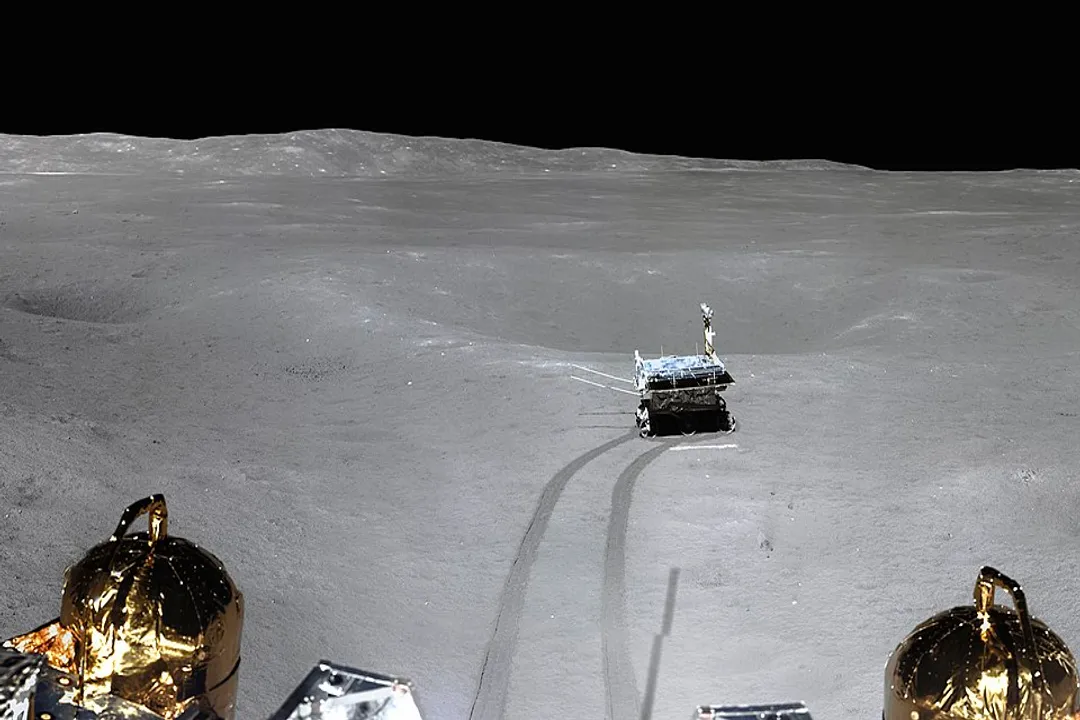
This orbital and rotational synchronization results in a stable configuration where the Moon's mass distribution causes one hemisphere to perpetually point toward Earth. [1] This hemisphere is what we call the near side—the face we are intimately familiar with, marked by the large, dark basaltic plains known as maria. [1] Conversely, the hemisphere that permanently faces away from Earth is the far side. [4] If you were standing on the far side, you would never see Earth in your sky, just as we on Earth never see the far side. [4]
# Two Hemispheres
The distinction between the near side and the far side is more than just a matter of orientation; the geological makeup of the two hemispheres is strikingly different. [1] The near side is dominated by the smooth, dark maria, which are ancient, solidified lava flows that filled in large impact basins. [1] These maria cover about 31% of the near side. [1]
In sharp contrast, the far side is heavily cratered and contains far fewer maria, covering only about 1% of its surface. [1] It is a terrain largely defined by rugged highlands. [1] While the near side might seem brighter to us because we see more of those dark, light-absorbing lava plains, the amount of sunlight hitting the surface material on either side over time is essentially equal. [2] The visual difference is topographical, not illumination-based. [1]
# Sunlight Cycle
The confusion surrounding the term "dark side" arises because people often equate the far side with total darkness. [6] This is incorrect because the Moon still rotates relative to the Sun. [2]
Imagine the Moon orbiting the Earth. When the Moon is between the Earth and the Sun, we see a New Moon, and the near side is dark from our perspective. [2] At that specific moment, the far side is fully illuminated by the Sun—it is experiencing its midday. [2][8] Conversely, when the Earth is between the Moon and the Sun, we see a Full Moon, where the entire near side is bathed in sunlight. [1][8] During that same period, the far side is experiencing its midnight, completely dark. [1][8]
Think of it this way: the Moon experiences day and night just like Earth does, but because it takes about $29.5$ Earth days for the Moon to complete one cycle of phases (from New Moon to Full Moon and back), a "day" on the Moon lasts for nearly two Earth weeks, followed by nearly two Earth weeks of night. [7] If you were stationed on the far side, you would experience about fourteen Earth days of continuous sunlight followed by fourteen Earth days of continuous darkness. [2][6] The near side experiences the exact same pattern, just timed differently relative to an observer on Earth. [2]
To put this cyclic experience into context for an observer standing on the lunar surface, the change in light is extreme. An observer on the Moon experiences a 14-day period where the Sun never sets, leading to intense heating, followed by a 14-day period where temperatures plummet in the absence of light. [7] This contrasts sharply with our familiar 24-hour terrestrial cycle where the Sun’s duration is relatively stable. [7]
# Permanent Shadows
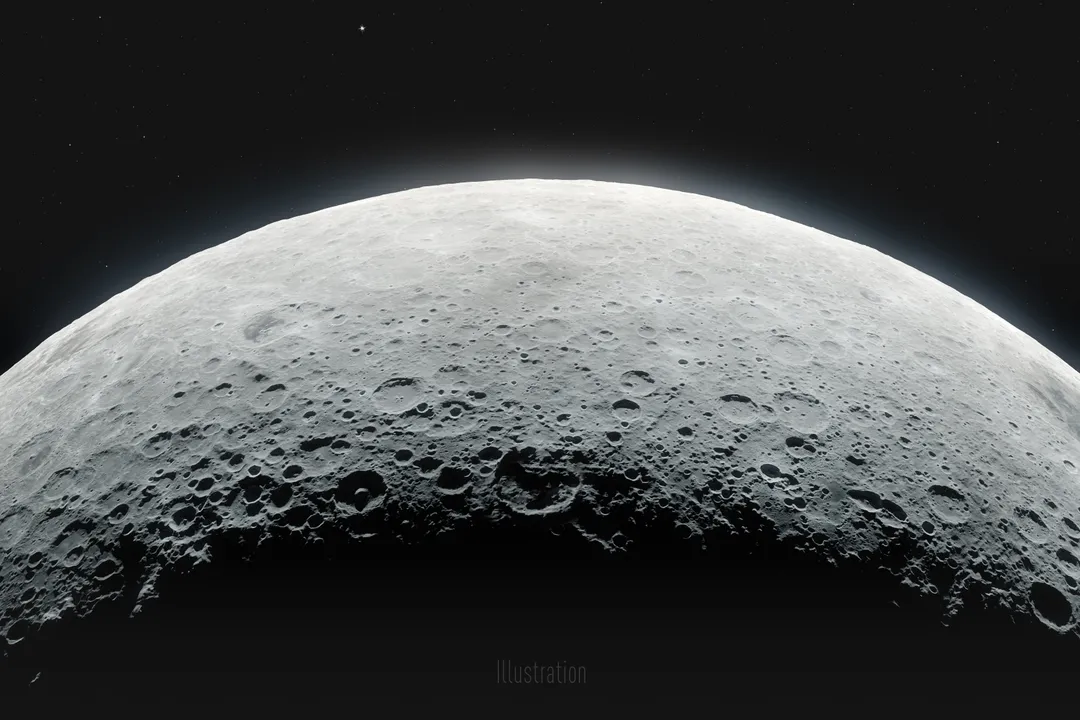
If the far side isn't the always-dark region, where is the actual perpetual darkness on the Moon? The answer lies near the lunar poles, in deep impact craters where sunlight never manages to reach the floor. [1] These specific areas are scientifically termed Permanently Shadowed Regions (PSRs). [1]
Because the Moon’s axial tilt is very small—only about $1.5$ degrees, compared to Earth’s $23.5$ degrees—the Sun always skims along the horizon at the poles. [1] This means the rims of certain deep craters are almost constantly illuminated, while the bottoms remain perpetually cold and shaded, protected from direct sunlight for billions of years. [1]
These PSRs are scientifically fascinating because they act as deep-freeze traps. Any volatile compounds that have impacted the Moon over eons—including water ice—could potentially collect and remain stable within these extremely cold environments. [1] Missions like NASA’s Lunar Reconnaissance Orbiter (LRO) have provided evidence suggesting significant quantities of water ice exist within these permanently dark pockets. [1]
If this water ice proves accessible and extractable, it represents an invaluable resource for future long-term human presence on the Moon. Water can be used for life support, but perhaps more crucially, it can be split into hydrogen and oxygen—the primary components of rocket propellant. [1] Therefore, the few areas that are truly always dark are ironically the most promising locations for establishing a sustainable outpost, turning absolute cold and shadow into a strategic asset.
# First Look
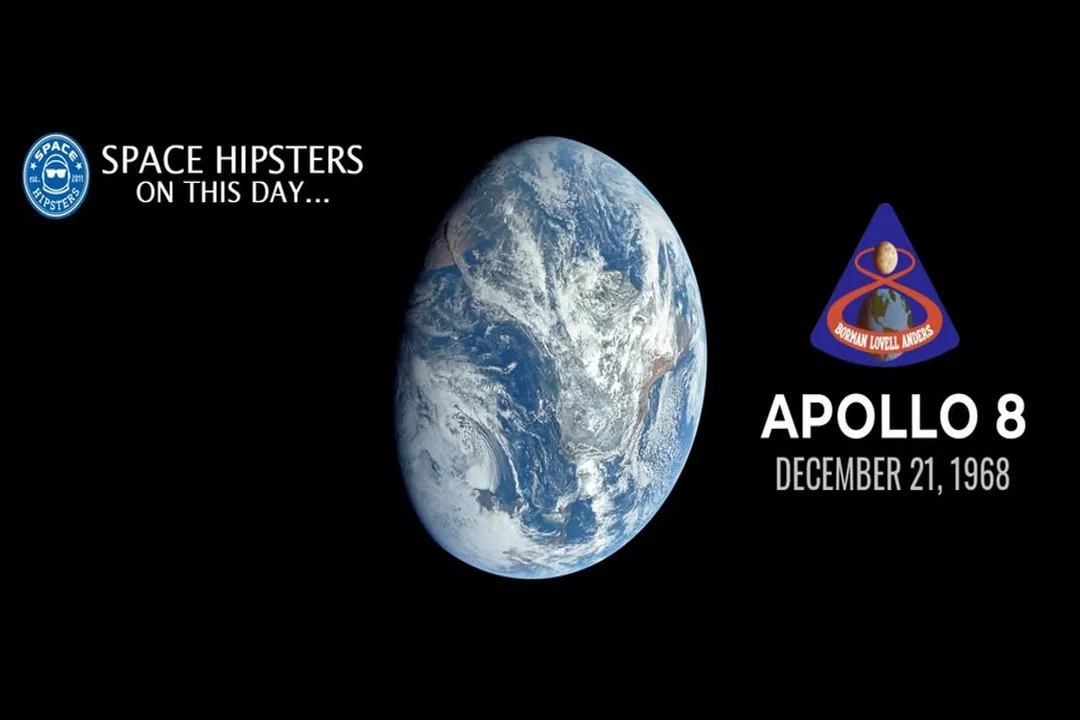
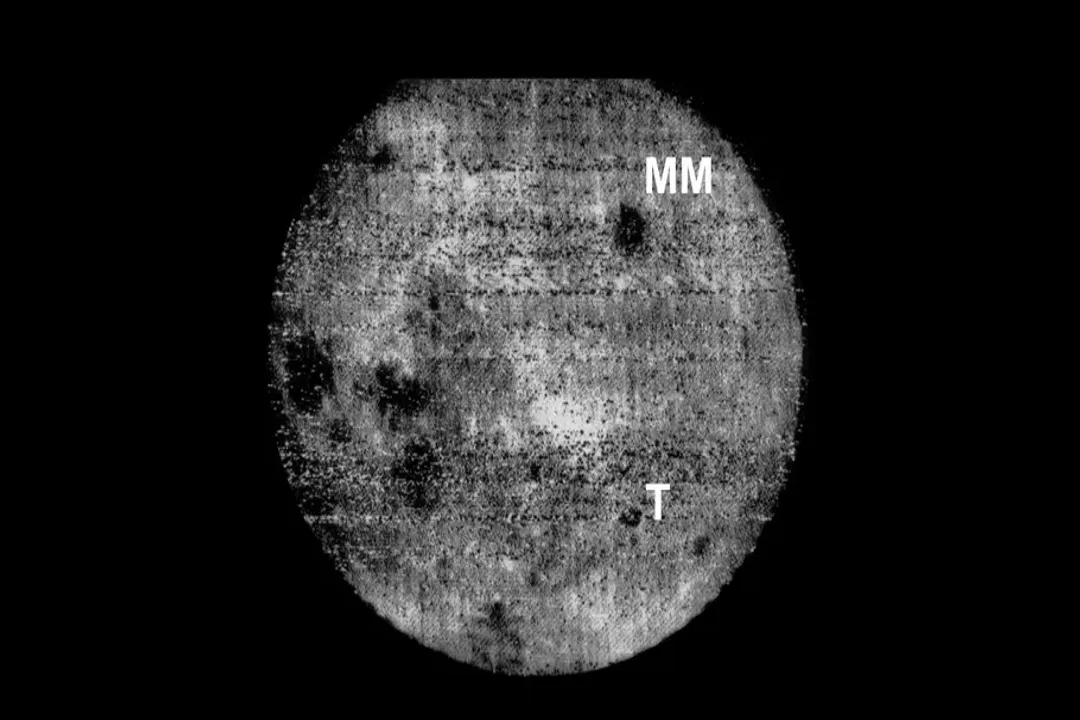
For millennia, the far side remained a complete mystery to humanity, hidden by the synchronous rotation. [4] While we could track the near side's features with ground-based telescopes, the far side remained truly unknown until the Space Age began. [4][5]
The historical moment came in October 1959 when the Soviet Union's uncrewed probe, Luna 3, successfully flew around the Moon and transmitted the first images of the hidden hemisphere back to Earth. [4] These grainy, early photos revealed a landscape dramatically different from the near side, confirming the heavily cratered, mare-scarce topography we now recognize. [4] This event fundamentally changed our view of our nearest celestial neighbor, confirming that the "dark side" was merely the unseen side, a place that nonetheless experiences its own full, bright lunar day. [6]
#Videos
Is There Actually A Dark Side of the Moon? - YouTube
Related Questions
#Citations
Far side of the Moon - Wikipedia
Is the “Dark Side of the Moon” Actually Dark?
Why is it always dark on the moon? : r/Astronomy - Reddit
Why don't we ever see the far side of the moon? | PBS News
Is the backside of the moon in total darkness when we see the lit ...
Ask Ethan: Is there really a “dark side” of the Moon? - Medium
Is There Actually A Dark Side of the Moon? - YouTube
albedo - Why would the side of the moon that faces earth be as dark ...
NASA on Instagram: "It's the side of the Moon we never see from home