What objects are launched into space?

The sheer volume and variety of material humans have lofted beyond Earth’s atmosphere is staggering, a testament to our relentless drive for exploration and communication. When people think of objects in space, the immediate images are powerful rockets or gleaming satellites, but the inventory of what orbits overhead—and what has crashed on distant worlds—is far more eclectic than many realize. From mission-critical machinery to personal mementos and even art, the celestial junkyard, or perhaps the cosmic museum, is quite full. [1][4]
# Core Hardware
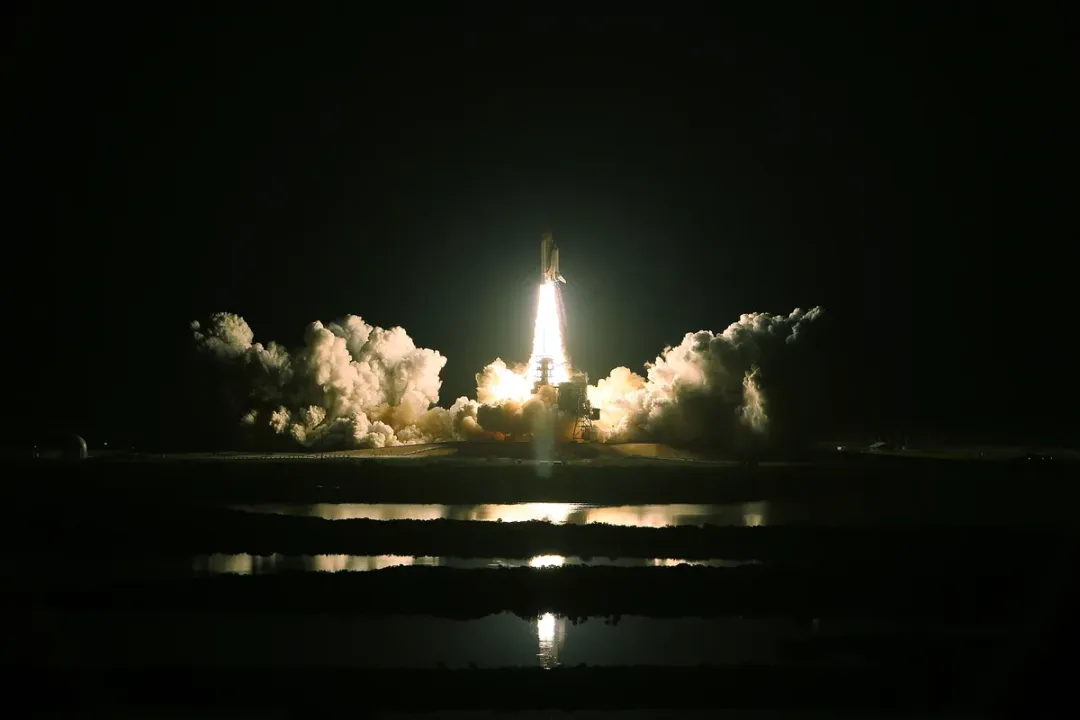
The foundational category of objects launched into space comprises the machinery necessary for escape velocity and operation in orbit. This starts, naturally, with the launch vehicles themselves—the multi-stage rockets designed for the single, violent purpose of achieving orbit or escape velocity. [5] Once their job is done, the spent boosters, upper stages, and fairings typically become part of the orbital debris population unless intentionally de-orbited. [1]
Following the launch vehicle is the payload: the actual functional component. The vast majority of cataloged objects are satellites, which can be grouped by their purpose. There are the workhorses of global connectivity, like communications satellites, maintaining everything from television broadcasts to internet access. [1] Then there are the Earth observation platforms, taking countless images for weather forecasting, climate monitoring, and military reconnaissance. [1] Scientific missions, often the most publicized, include space telescopes, planetary probes, and deep-space observatories dedicated to understanding the universe. [1]
Crewed missions, such as those involving the International Space Station (ISS) or past vehicles like the Space Shuttle, introduce other categories. The spacecraft themselves—capsules and modules—are complex, massive objects. [5] Moreover, every astronaut carries personal items, and routine maintenance leaves behind discarded equipment, tools, and even pieces of the station itself over decades of operation. [1][4]
# Orbital Debris
Not every object launched has a positive operational status. A significant portion of the cataloged material consists of space junk, which is a critical concern for ongoing operations. [9] This debris ranges from massive, defunct rocket bodies that can still hold propellant, to tiny flecks of paint traveling at hypervelocity speeds. [1]
The inventory of tracked objects is constantly fluctuating, but official registries attempt to maintain a comprehensive list of what is in orbit. [2][8] These registries primarily focus on objects large enough to pose a collision risk, often cataloging objects larger than 10 centimeters in low Earth orbit, though tracking smaller objects is becoming increasingly important. [1] The categories here include:
- Non-functional satellites: Satellites that have exhausted their fuel, suffered a catastrophic failure, or reached the end of their designed lifespan. [1]
- Mission-related debris (MRD): This is hardware jettisoned during a mission, such as lens caps left open on a probe, bolts that held components in place, or adapter rings used to attach a payload to a rocket stage. [1]
- Spent rocket stages: Large, hollow structures left in orbit after boosting a payload to its desired altitude. [1]
One interesting divergence in tracking data highlights the sheer operational complexity of spaceflight: while the UN Office for Outer Space Affairs (UNOOSA) maintains a Space Object Register, many nations are primarily responsible for tracking their own objects, leading to different official counts and classifications depending on the source. [2] The objects listed in these registers are almost exclusively those orbiting Earth, with objects sent on interplanetary trajectories being cataloged by their originating agencies but less frequently tracked once they leave the immediate vicinity of our planet. [8]

# Unconventional Cargo

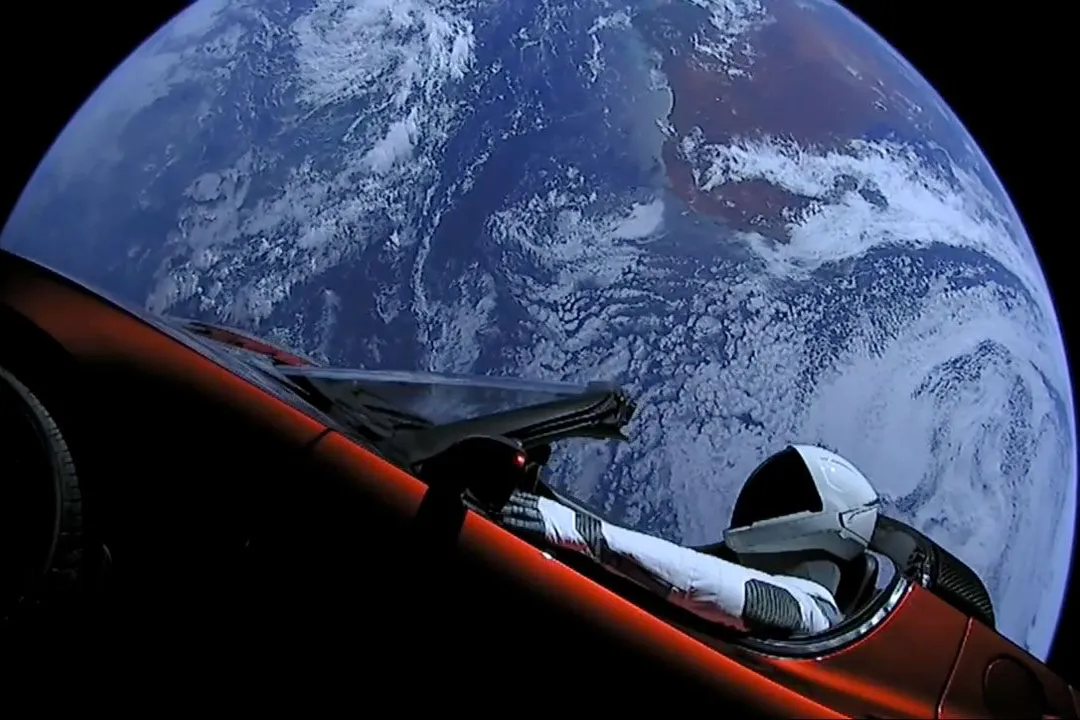
While the bulk of objects are utilitarian, history is littered with launches intended for novelty, sentiment, or pure scientific curiosity that falls outside the standard satellite classification. These offbeat items showcase a human desire to leave a mark, even in the most extreme environment imaginable. [3][7]
A fascinating subset involves items sent for cultural transmission or remembrance. For instance, the Pioneer Plaques and the Voyager Golden Records were purposefully launched as messages to any extraterrestrial intelligence that might intercept them. [4][7] These records contain images, sounds, and greetings from Earth, designed to survive for geological timescales. [4] In a more modern vein, personal items, like ashes of individuals, have been sent into orbit or on deep-space trajectories aboard commercial vehicles. [6]
Another category involves items launched for scientific or engineering testing that are not conventional satellites. These can include specialized targets for calibration, specialized materials left exposed to the vacuum and radiation environment, or even art installations designed to function visually in space. [3][4]
Here is a quick comparison of some famously unusual payloads:
| Object Type | Primary Purpose | Destination/Status | Source Reference |
|---|---|---|---|
| Farthest Man-Made Object | Deep Space Exploration | Interstellar Space | [7] |
| Human Ashes | Memorial/Tribute | Various Orbits/Trajectories | [6] |
| Lego Minifigures | Educational/Promotional | Mars Surface | [3] |
| The Last Picture Show Tape | Cultural Preservation | Moon Orbit | [4] |
| Rubber Ducks | Accidental/Test Flight Component | Earth Orbit | [3] |
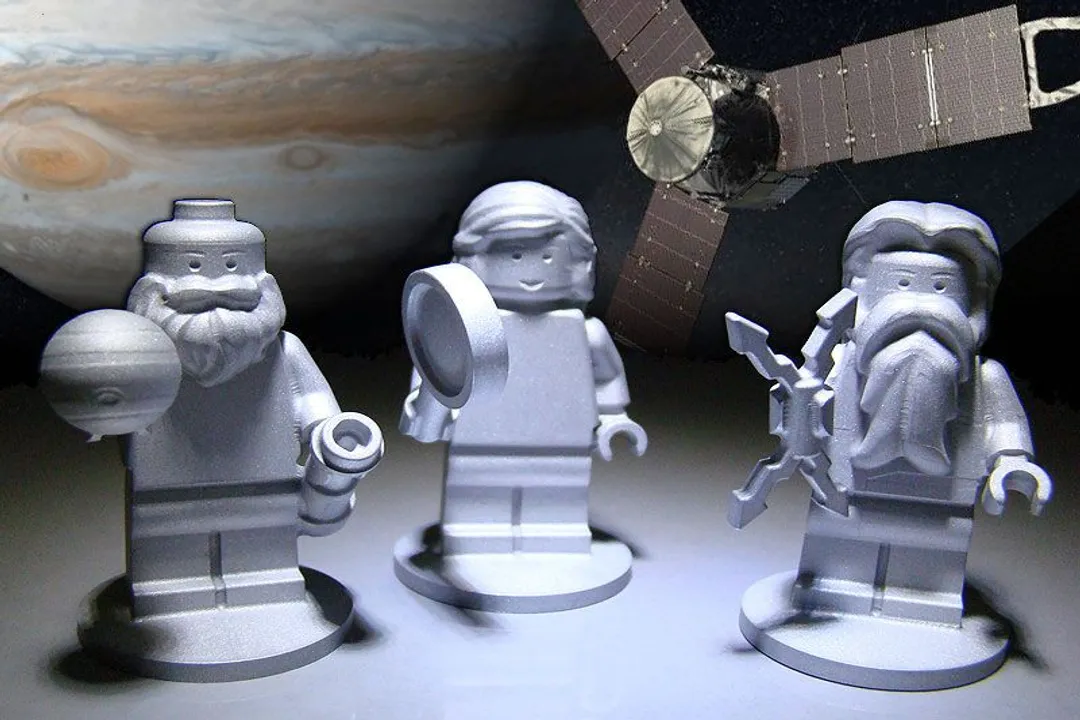
If you look closely at the manifest for any major commercial launch, you might find a secondary "passenger" that is not listed on the primary manifest—a small chip containing DNA, a piece of fabric from a historical event, or even a favorite toy, often included as part of a service for private payloads. [6] This practice underscores a key difference between government and commercial spaceflight: while government missions prioritize scientific return, commercial launches often offer "memorial" or "promotional" slots for a fee, turning rockets into a kind of cosmic mailbox. [4][6] The fact that a miniature plastic figure, like the Galileo mission's Lego crew, can travel millions of miles while the scientific instruments are the reason for the trip offers a great perspective on what motivates us to go to space. [3]
# Official Registers
The need to track objects stems directly from the realization that space is becoming crowded, and collisions pose a hazard to active satellites and future missions. [1][9] International cooperation mandates that nations register objects they launch with the United Nations Office for Outer Space Affairs (UNOOSA). [2]
The UNOOSA Space Object Register is the primary international repository for this data. [2] When a country launches an object, it is required to provide details such as the object’s function, its initial orbital parameters, and its intended lifespan. [2] The register aims to maintain up-to-date information on the status of objects, though identifying every tiny piece of debris is practically impossible. [8]
This system, while crucial, has inherent limitations. Only objects launched by a State Party are required to be registered, and the information provided might not always be as detailed or as immediately updated as the tracking data held by major space agencies like NASA or the European Space Agency. [2] Furthermore, the sheer number of objects—including everything from major components to tiny fragments—means that an "official" count can vary significantly depending on the minimum detectable size threshold used by the tracking entity. [1][9]

# Mass Distribution Analysis
Considering the sheer mass budget of spaceflight, it becomes clear that the type of object strongly correlates with its orbital lifespan. The massive, multi-ton rocket cores that push payloads into orbit often remain in highly elliptical orbits or are deliberately placed into high orbits (like Geosynchronous Transfer Orbit) where they remain for decades, acting as significant, slow-moving hazards. [1] These dead stages are massive point masses in the orbital environment.
In contrast, the smaller, more numerous operational satellites (like CubeSats or commercial comms craft) are typically placed in lower, more crowded orbits where atmospheric drag, however slight, ensures they de-orbit and burn up within a matter of years or decades, sometimes by design. [1] This leads to an interesting observation: the objects posing the longest-term debris hazard are often the spent propellant tanks and adapter rings from the launch vehicle, rather than the small satellites they were designed to deploy. While a functioning satellite might be carefully maneuvered to a "graveyard orbit" at the end of its life, the spent hardware often lacks the propulsion capability to do so, creating generational space traffic problems. [9]
# Object Categorization
Beyond function, we can categorize space objects by their final destination or intended longevity. This helps clarify the overall picture of human impact on the solar system.
- Earth Orbiters: The largest group. This includes active satellites, the ISS, and the vast majority of debris, spanning Low Earth Orbit (LEO) to Geosynchronous Orbit (GEO). [1] Objects in LEO are the most numerous but decay fastest due to atmospheric friction. [1]
- Interplanetary Probes: Objects purposefully sent on trajectories to fly by, orbit, or land on other celestial bodies. Examples include probes to Mars, Jupiter, and beyond. [4] Once they complete their primary mission, they are often left in orbit around their target body or sent into a heliocentric orbit far from Earth. [7]
- Escapees: A small but growing category, these objects (like the Voyager probes) have been given enough velocity to leave the Sun's primary gravitational influence and travel into interstellar space. [7] These are arguably the most permanent artifacts of human presence outside Earth’s immediate neighborhood.
The materials themselves also vary immensely. Functional components require radiation hardening and thermal stability, leading to specialized alloys, ceramics, and composite materials. Conversely, the cultural objects are often made of common materials—aluminum, gold plating, silicon wafers, or even plastic—chosen more for their symbolic meaning or durability in a vacuum than for high-tech performance. [3][4] The Voyager Golden Record, for example, uses a gold-plated copper disc, chosen for its longevity and resistance to degradation in the space environment. [7]
When considering the sheer mass budget, it is easy to underestimate the weight of non-operational hardware. While a single satellite might weigh a few tons, a retired upper-stage rocket body can weigh many times that, representing a significant, inert mass continuing to circle the planet, long after its payload has delivered its service. [1] Understanding this distribution is key to mitigation efforts, as removing one large, defunct stage is far more valuable for long-term orbital safety than removing hundreds of tiny pieces of debris. [9] The engineering required to safely nudge or capture these massive derelicts represents a significant challenge for current and future space operators. [1]
Related Questions
#Citations
Lists of artificial objects sent into space - Wikipedia
United Nations Register of Objects Launched into Outer Space
10 Offbeat Things Humans Have Launched Into Space
The Weirdest Stuff We've Sent into Orbit - Nautilus Magazine
Spaceships and Rockets - NASA
The 10 most unusual objects ever launched into space
Photo gallery: Eight of the strangest things sent into space
All man-made objects we have sent into orbit all around our solar ...