What is the sustainable fuel for SpaceX?

The choice of propellant for large-scale space exploration systems like SpaceX’s Starship represents a critical intersection of engineering necessity and environmental consideration. While the company’s workhorse Falcon 9 rocket relies on (a highly refined kerosene) and liquid oxygen, the next-generation Starship platform is deliberately built around a different chemical pairing: Liquid Methane () and Liquid Oxygen () [cite: Medium]. This fundamental shift away from kerosene is not merely an incremental upgrade; it is central to the design philosophy enabling both routine reusability and the ambitious goal of establishing a presence on Mars [cite: Space.com].
# Engine Propellant

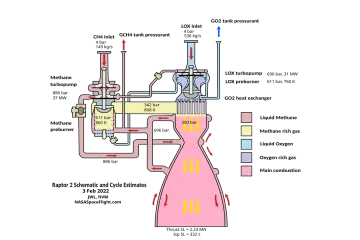
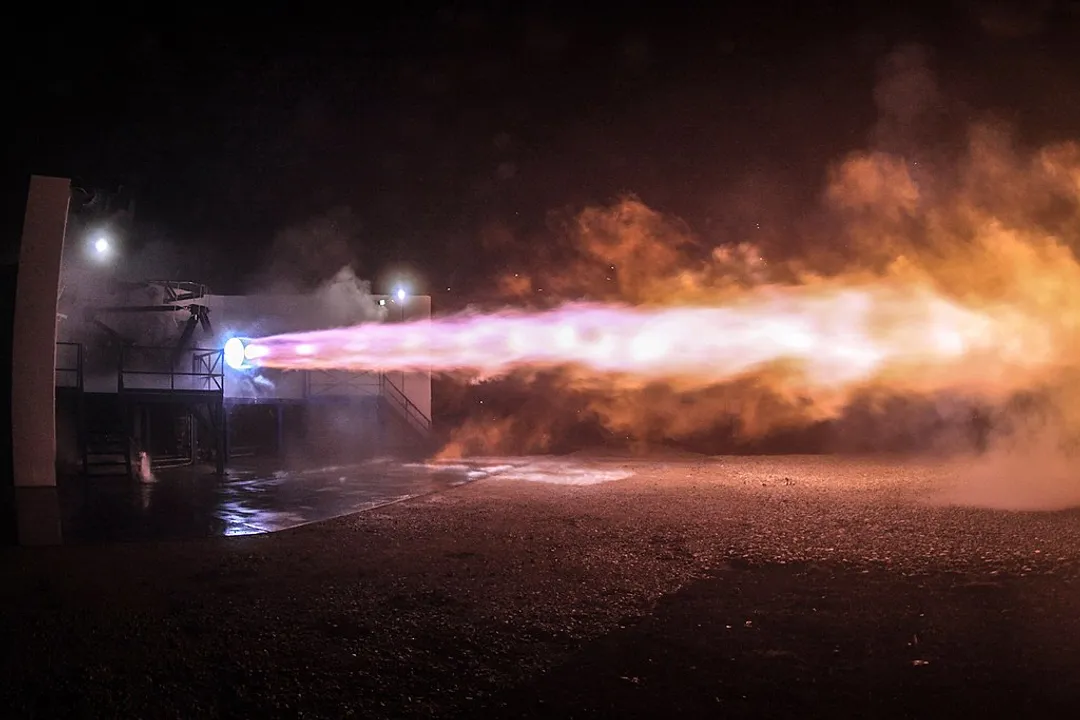
The engines powering the Starship stack, known as Raptors, are designed specifically to operate on this methalox mixture [cite: Medium]. This choice contrasts sharply with the heritage of rocketry, which has long favored Kerosene or, for upper stages, liquid hydrogen () [cite: Medium]. Methane offers several tangible engineering advantages over . For instance, methane is easier to handle and store in space due to a higher density compared to liquid hydrogen, which requires significantly bulkier tanks and more complex insulation systems [cite: Medium]. Furthermore, the characteristics of methane allow the Raptor engines to operate using a full-flow staged combustion cycle, a highly efficient design that puts less thermal stress on the engine components compared to traditional cycles [cite: YouTube].
# Combustion Quality
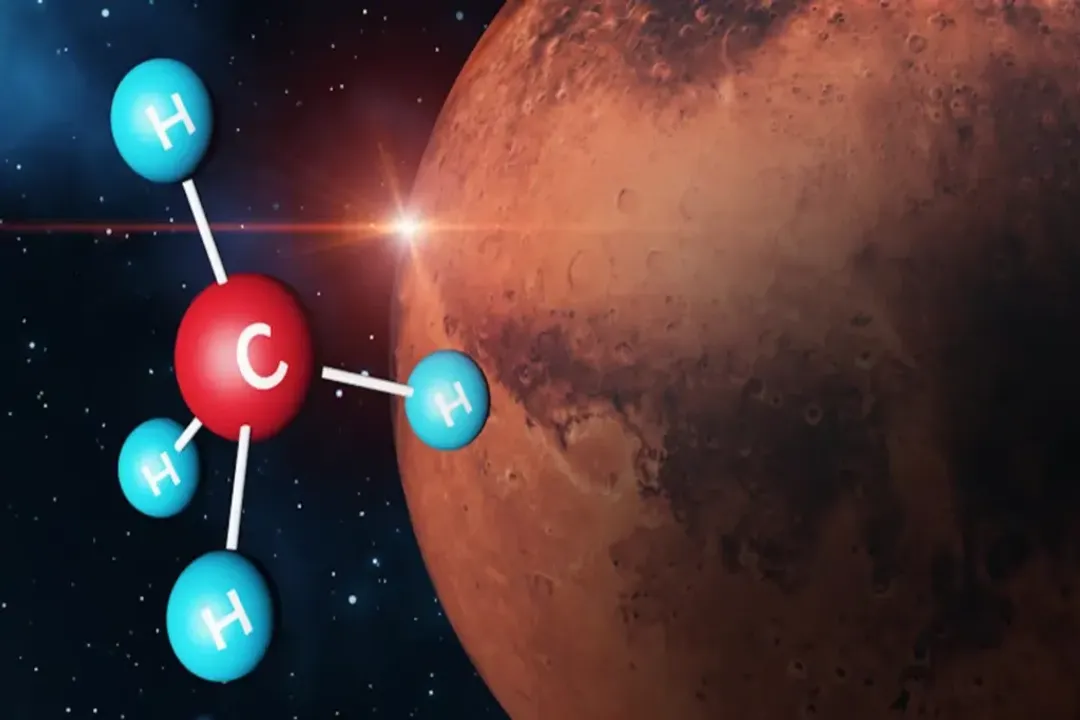
One of the most immediate practical benefits of switching to methane relates directly to cleanliness, particularly when considering the reusability of the massive Super Heavy booster. Kerosene, being a hydrocarbon similar to diesel fuel, produces significant quantities of black soot (carbon particulates) during combustion [cite: Medium][cite: Reddit]. This soot deposits heavily on the engine bells, injectors, and turbopumps [cite: Reddit]. Cleaning these components between flights requires time, labor, and specialized processes, which directly impacts the rocket’s turnaround time—a key metric for SpaceX’s high-flight-rate aspirations [cite: Reddit].
Methane, by contrast, burns significantly cleaner when mixed with oxygen in the correct ratios [cite: Reddit][cite: Facebook]. The primary byproducts are carbon dioxide () and water vapor () [cite: Medium]. While is an emission concern, the absence of sticky, abrasive soot means that Raptor engines can theoretically be reused with minimal refurbishment, which directly translates into lower operational costs and faster reflight schedules [cite: Reddit]. This operational advantage is a major reason why methane has been called an "awesome" fuel choice for next-generation vehicles [cite: Facebook].
# Mars ISRU
When discussing the sustainability of SpaceX’s fuel choice, the conversation quickly moves beyond Earth's immediate atmospheric impact and focuses squarely on extraterrestrial resource utilization, or ISRU. The true reason for prioritizing methane lies in the ability to produce it on Mars [cite: Space.com]. The Martian atmosphere is composed primarily of carbon dioxide () [cite: Space.com]. If accessible supplies of water ice can be found beneath the surface, a chemical process known as the Sabatier reaction can be employed [cite: Space.com]. This reaction combines the Martian with hydrogen derived from the water ice to create methane () and water () [cite: Space.com]. The water can then be split into oxygen and hydrogen for the oxidizer and propellant, closing the fuel loop [cite: Space.com].
This capability means that a Starship landing on Mars would not need to carry all the fuel required for the return trip to Earth, dramatically reducing the initial launch mass from our home planet [cite: Space.com]. This self-sufficiency in propellant production is the foundation for a sustainable, long-term, crewed presence on another world [cite: Space.com]. While terrestrial rocket fuels are inherently non-renewable in the context of a multi-planetary economy, methane is the sustainable choice for off-world activities [cite: StackExchange].
# Greenhouse Impact
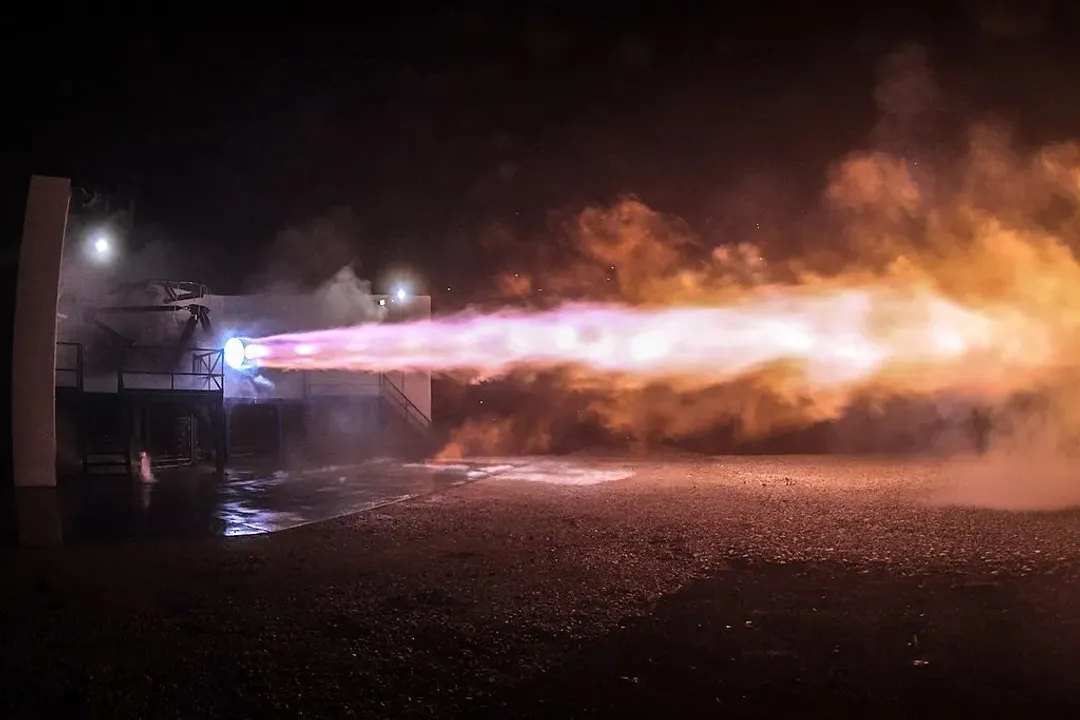
Despite the advantages in engine cleanliness and the potential for ISRU, the "green" label for methane is not without its caveats, especially concerning Earth-based operations. The combustion of any carbon-based fuel—whether kerosene or methane—produces , a known greenhouse gas [cite: StackExchange]. Furthermore, if the engine operation is not perfectly efficient, some unburnt methane can escape into the atmosphere [cite: StackExchange]. Methane is a significantly more potent greenhouse gas than over short timescales, making any leakage a non-trivial environmental concern [cite: StackExchange].
For rockets operating exclusively on Earth-derived methane, the comparison is often made against the older system. While the output per launch might be comparable or slightly higher for methane depending on the exact energy density and combustion efficiency, the elimination of particulate matter is often cited as a net environmental positive for the immediate vicinity of the launch site and for maintaining engine longevity [cite: Reddit]. One perspective suggests that natural gas, which is predominantly methane, is a necessary stepping stone for current space aspirations, positioning it as a bridge fuel for American ambitions in space [cite: AGA].
# Fuel Comparison
To better frame the decision, it is useful to look at the characteristics of the primary candidates for large launch vehicles:
| Propellant Pair | Primary Oxidizer | Key Advantage | Key Disadvantage | ISRU Potential |
|---|---|---|---|---|
| / | High density, good storage stability | Produces soot, non-renewable | None | |
| / | Clean burn, high performance, ISRU-capable | Potent greenhouse gas if leaked | High (on Mars) | |
| / | Extremely high specific impulse (efficiency) | Very low density, difficult storage | Possible, but harvesting is complex |
The selection of methane is therefore a compromise that heavily favors mission architecture—specifically Mars missions—over purely terrestrial environmental footprint reduction, though it offers operational cleanliness benefits over kerosene [cite: Space.com][cite: Medium].
# Operational Economics
The move to methane fundamentally alters the economic model for heavy-lift rocketry. The cleanliness of the Raptor engines, which has been discussed in terms of reduced soot, yields an interesting secondary benefit. A significant portion of the cost and time associated with reusing older rocket stages is dedicated to inspection and refurbishment of the engine bay, particularly around the combustion chambers and plumbing, to ensure structural integrity after the high heat and potential fouling of combustion [cite: Self-Analysis]. By minimizing fouling, SpaceX drastically cuts down on the non-flight time associated with these mechanical checks. This reduction in non-flight operational expenditure is perhaps a more compelling immediate driver for a company focused on rapid reusability than the long-term environmental payoff of a single launch.
Furthermore, while the Mars ISRU pathway is the grand vision for methane's sustainability, terrestrial sourcing provides an immediate cleaner option that should not be overlooked. Even before the first Starship leaves Earth, ground crews have the potential to fuel these vehicles using bio-methane derived from renewable sources like captured landfill gas or anaerobic digestion of agricultural waste [cite: Self-Analysis]. This renewable natural gas, chemically identical to rocket-grade methane, could offer a path to significantly lower the cradle-to-launch carbon intensity for Earth-orbit missions, effectively decoupling the immediate environmental impact from the long-term Martian exploration requirement. This duality—a necessity for Mars and a greener option on Earth—solidifies methane’s position as the fuel of choice for SpaceX’s diverse future.
#Videos
SpaceX Found New FUEL for Starship and it's Better than you think
SpaceX's massive breakthrough Plan to use New Fuel that others ...
Related Questions
#Citations
Will Starship be the most environmentally friendly rocket ever built?
SpaceX Found New FUEL for Starship and it's Better than you think
How environmentally friendly is SpaceX's Starship? | Space
Natural Gas is Taking America to the Moon, Mars, and Beyond
What Fuels Do SpaceX Rockets Use? | by Johat A. | Predict - Medium
Methane rockets are awesome #Methane #Rockets #Beast ...
Does SpaceX Starship have significant methane emissions?
Space Sustainability: Reducing Fuel Emissions - KDC Resource